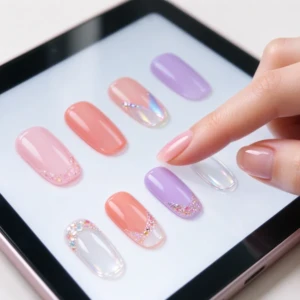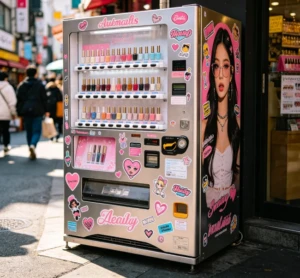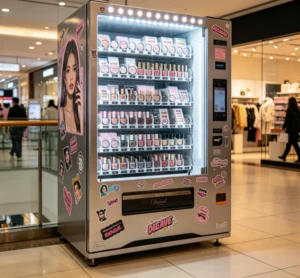
Nail vending machine for salon worth it: yes, when it clears $200 a month in sales, and most standalone units pay themselves off in 3 to 8 months. These machines typically dispense polish, press-on nails, cuticle oil, and small nail art kits from a compact, glass-front cabinet placed near the payment counter or in the waiting area. You buy the inventory wholesale, keep the unit on your floor, and pocket the margin on every sale. They work best in salons with a steady stream of walk-ins and clients who sit around for 15 to 40 minutes.
What a nail vending machine actually does
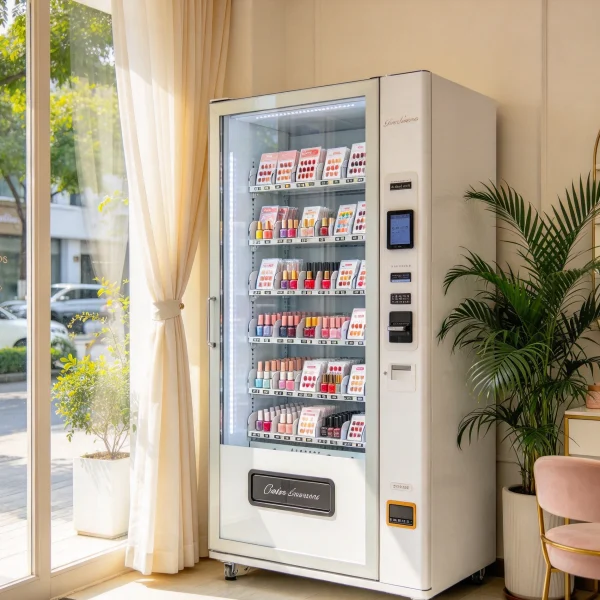
These machines are basically small self-service stores. They hold anywhere from 30 to 150 SKUs, depending on size. Most stock polish bottles, press-on nails, cuticle oil, nail files, stickers, and tiny packs of nail art charms. Because they sit on the floor rather than behind the counter, clients can browse at their own pace.
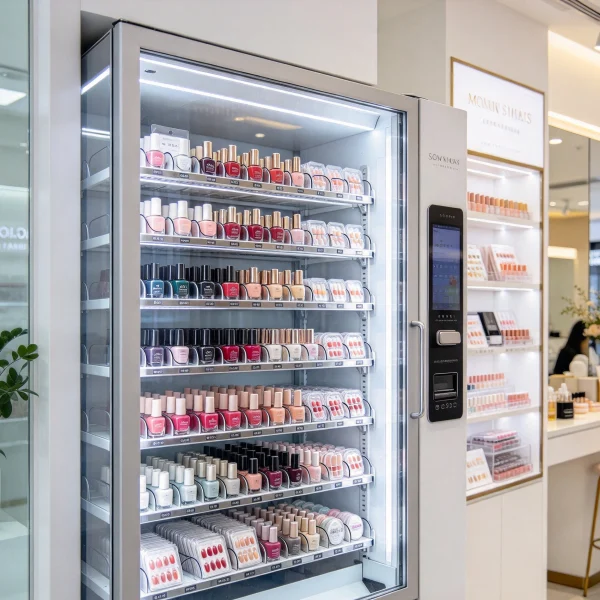
If you’re picturing an old snack machine, think smaller. Most units are around 60-70 cm wide, take up less than half a square meter, and run on standard outlets. Some newer ones have card readers and small LED screens that play product videos.
Salons with a 10-15 minute wait on most days do best. So do shops that regularly run low on retail products because staff forget to restock the front counter. A vending machine forces one simple rule: when the last product sells, the restock list updates automatically.
The product mix matters more than the machine itself. Press-on nails have grown from a niche to a mainstream category, and they take up little shelf space. Polish is still the anchor, but polishes expire and can go bad under heat, so cycle the stock.
The numbers that decide whether it’s worth it
A new nail vending machine runs between $1,500 and $4,000. Refurbished units often show up in the $800-$1,500 range, and a basic setup needs $300-$600 in starting inventory. Add roughly $50 a month for payment processing and cleaning supplies. These price ranges hold for 2026, based on current supplier listings.
| Scenario | Monthly Sales | Product Margin | Monthly Profit | Break-even |
|---|---|---|---|---|
| Slow month | $150 | 50% | $75 | 24+ months |
| Typical month | $300 | 60% | $180 | 12-18 months |
| Busy salon | $600 | 65% | $390 | 3-9 months |
These aren’t guaranteed numbers, just the ranges I see most often in salon owner forums and supplier listings. If you want a similar side-by-side look, check how profitable a popcorn machine can be, since the floor-space math works the same way. The payback depends on your client base, your prices, and how often you restock the machine with things people actually want.
Where to put it and how to make it move
Placement is the easiest way to kill this idea. A machine squeezed behind the reception desk will be ignored. Put it where clients wait, ideally near seats, not in the path of foot traffic. The best spots are by the drying station or near the checkout counter.
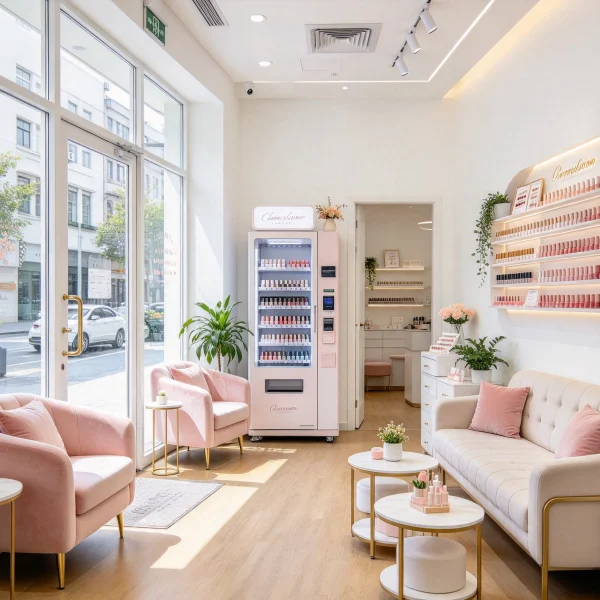
Payment is the next decision. Cash-only machines still exist, but fewer clients carry cash. A machine with a card reader will outsell a cash-only one, even if the fees eat roughly 3% of each sale plus a small monthly charge.
Restock on a schedule, not whenever it empties. Pick one slow hour per week to clean the glass, wipe down the shelves, and swap out slow sellers. Keep a clipboard or a phone note listing how many of each item sold in the last seven days.

The hidden costs and headaches
No vending machine is set-and-forget. Polish bottles can leak, dried product needs wiping off the shelves, and some items like nail glue have a short life once opened. Heat is another problem. A machine near a window can hit 90 degrees Fahrenheit inside on sunny days, which ruins nail polish fast.
Security issues show up too, mostly at salons open late. Theft isn’t common, but it happens. Keep the machine visible from the front desk, and check the cash box daily if you use cash. Card payouts are safer and easier to reconcile.
A few things come up again and again:
- Nail polish that sits in direct sunlight and separates
- Card readers that stop accepting tap payments
- Products with short shelf life, like nail glue
Warranty coverage separates a good deal from a money pit. Some cheap imports have no service network, and a failed card reader can take weeks to fix. Ask the supplier who handles repairs in your area, and get the warranty terms in writing.
How to choose a supplier and buy smarter
Start by deciding whether you want a brand new unit or a refurb. New machines give you a longer warranty and the newest card readers. Refurbished units give you more cash left over for inventory, but you have to vet the seller yourself.
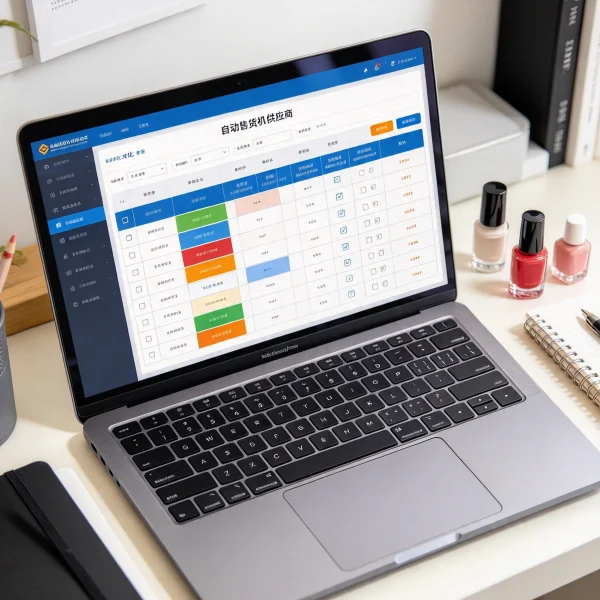
This is where VendingCore earns its place. Instead of hunting through scattered listings and hoping reviews are real, you can compare verified suppliers side by side on VendingCore’s supplier ranking, read buyer reviews, check typical price ranges, and send inquiries directly to several companies at once.
If this is your first vending operation, see how many vending machines you need to make $100k before doubling down on a second machine. And if you’re exploring other compact machines, a phone case printing vending machine is a different business model, but the same sort of salon-friendly footprint.
So is it worth trying? For a busy salon with a waiting area, a nail vending machine can become a small repeat income stream within a few months. For a quiet salon with no foot traffic, it’s likely a dust collector. Start with one machine, track sales hard, and move it if the numbers don’t show up. The client habit drives the money, and the machine is just the delivery system.
FAQ
How much does a nail vending machine cost?
A new machine typically costs $1,500 to $4,000 depending on size, payment systems, and build quality. Refurbished units run from $800 to $1,500. Budget another $300 to $600 for initial inventory and about $50 a month for processing fees and supplies.
Are nail vending machines profitable in nail salons?
They can be. The units I’ve seen in busy salons bring in $200 to $600 a month, with product margins around 50 to 70%. At that rate, the machine pays for itself in 9 to 18 months. In low-traffic salons, monthly sales can fall below $100, which makes the machine hard to justify.
What items sell best in a nail vending machine?
Press-on nails and nail stickers have the highest repeat rate because people try a set, then come back for a different design. Polish, cuticle oil, and small nail care kits sell steadily. Avoid bulky tools and anything that can leak if the bottle is knocked over.
Do I need permission to put a vending machine in a salon?
If you own the salon, you’re mostly dealing with local business rules and fire safety access. If you rent space or place the machine in someone else’s salon, get a written agreement covering the split, restocking schedule, and liability. Both parties should know who fixes it when it breaks.
How quickly can I tell if it’s worth it?
A 90 day trial is long enough to see a clear trend. Track sales weekly, including the product sold and the time of day. If you’re below $150 a month after 90 days, move the machine to another location or change the inventory before deciding to keep it.
What is VendingCore and how do I use it?
VendingCore is a supplier ranking and directory, not a machine seller. You can compare verified suppliers, read real buyer reviews, and send price inquiries directly to multiple companies. It’s a starting point for building your shortlist without gambling on a random ad.
Treat a vending machine in a salon like a retail product line, not a passive investment. The owners who succeed are the ones who treat the first three months as research. They track what sells, change the mix, and move the machine if the location doesn’t earn its space. I’ve seen too many salon owners buy a machine because a supplier promised high margins, then set it and forget it. That’s how a promising setup turns into a dusty cabinet. Start small, use data, and relocate the unit after six months if the numbers point that way.