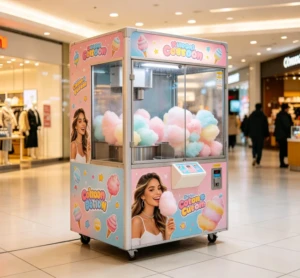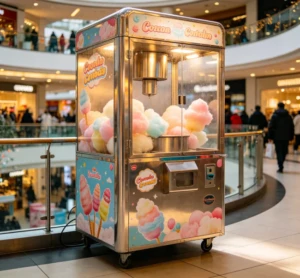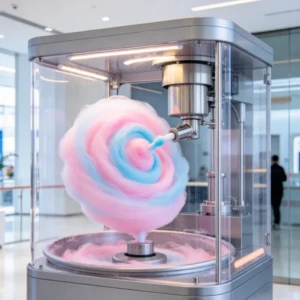
Where can i buy a Cotton Candy Machine? The honest answer: online marketplaces and local equipment dealers for simple units, verified supplier directories for commercial vending machines, with home machines starting near $60 and commercial units running from roughly $800 to $15,000 depending on automation. A countertop machine handles birthday parties and weekend fairs, while a fully automatic vending unit works best in malls, arcades, movie theaters, and transit stations where it can run without an attendant. Every channel has a different warranty and lead time, so your decision changes depending on whether you need one occasional machine or a small fleet that generates cash flow. Compare verified suppliers side by side before sending money to anyone.
Start With the Machine Type That Matches Your Setup
What you plan to do with the machine matters more than brand. If you want to make cotton candy at home for a kid’s birthday, a $60-$120 unit with a small floss head is enough. It heats sugar slowly, so a batch takes a few minutes, but for party servings that’s fine.
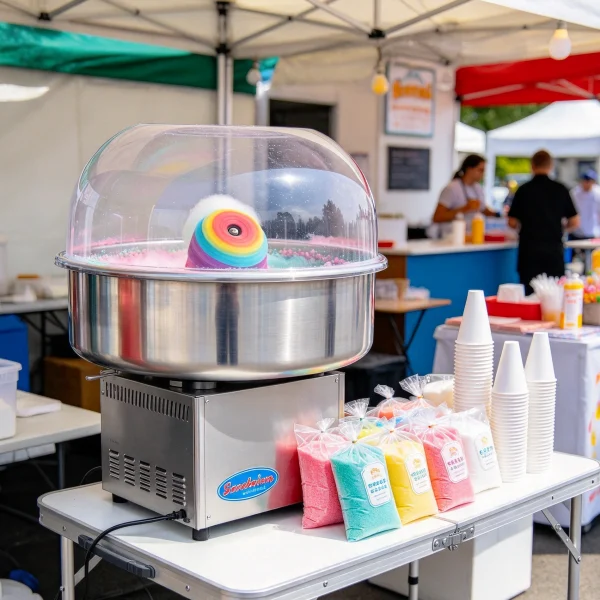
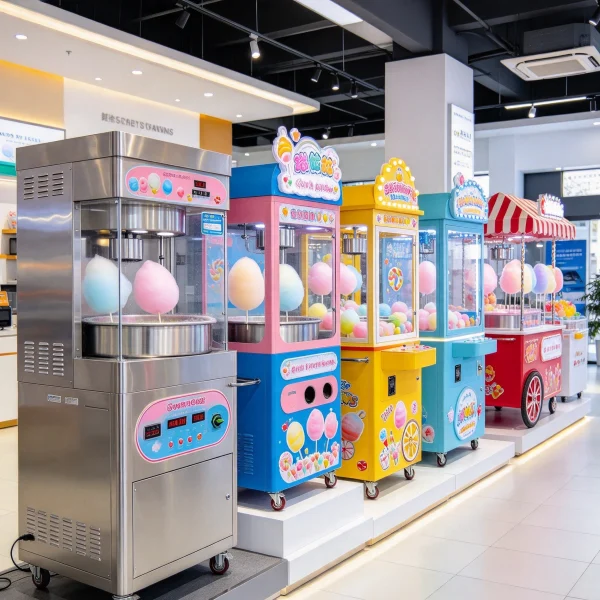
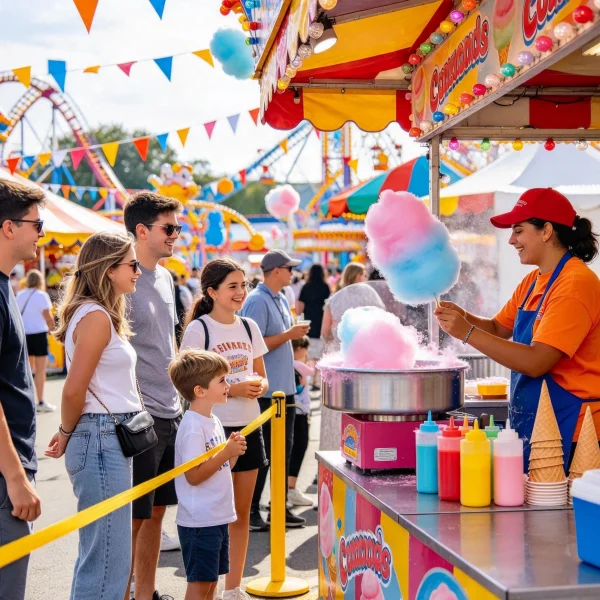
If you’re renting to events or selling at farmers markets, step up to a commercial countertop unit with a bigger head and stronger motor. Expect $800-$2,500. These are built to run back-to-back, and they use a standard 110V outlet, so you can pack one into a trailer without extra electrical work.
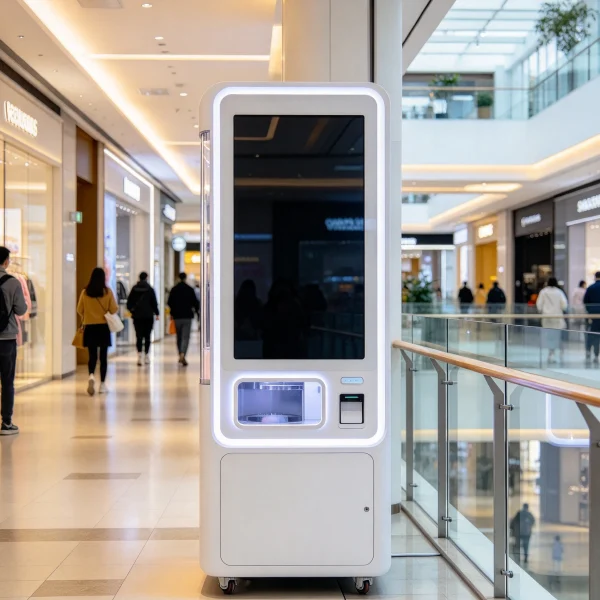
Full automatic vending machines are a different animal. They’re 300-500 pounds, run on 110V or 220V, and include an internal flosser, a robotic arm or rotating drum, and a payment system. Prices usually fall between $6,000 and $15,000 plus shipping. That gap in price reflects build quality, cabin capacity, and how many servings it can produce before a refill.
| Machine Type | Price Range | Output | Best For |
|---|---|---|---|
| Home countertop | $60 – $120 | Small batches, 3 – 5 minutes per serving | Birthday parties, occasional fun |
| Commercial countertop | $800 – $2,500 | 30 – 60 servings per hour | Events, booths, rental businesses |
| Full-auto vending | $6,000 – $15,000 | 50 – 150 servings per fill, automated | Malls, transit stations, 24/7 locations |
Where to Actually Buy One
The best places fall into four groups: general marketplaces, restaurant supply houses, used equipment auctions, and verified supplier directories. General marketplaces work for a home machine but not for a full-auto vending unit, because you can’t verify the warranty or service history. Alibaba can look cheap, but you’re making a bet on a factory you’ve never seen.
A local restaurant equipment dealer will let you see the unit in person, ask about spare parts, and often include basic training. They usually carry machines from brands like VIVO, Nostalgia, and Gold Medal. Buying locally can also save you weeks of shipping time and gives you a real phone number to call when the motor acts up.
Used commercial machines show up on auction sites and resale groups. A two-year-old machine from a reputable brand can work well, but budget for replacement parts and cleaning before you rely on it. Ask the seller for service records and a demonstration video with the current date in the frame.
If You Plan to Run It as a Vending Business
A cotton candy vending machine changes the math compared to a person making cones at a booth. The machine handles payment and dispensing, and it handles most of the cleaning routine on its own. Your main jobs are refilling sugar, changing flavors, and collecting cash, which shifts the focus from purchase price to the location’s daily gross profit.
In a busy arcade or transit station, a full-auto unit can do $100 to $200 in daily sales. After ingredients, location rent, and electricity, if you’re left with $1,800 a month, a $10,000 machine pays back in about six months. Those numbers are realistic only with real foot traffic and a regular maintenance routine.
Before you buy, run the scenario through a profit calculator. Our 2026 cotton candy vending machine buying guide includes one, along with supplier tips and cost breakdowns. If you’re weighing cotton candy against other concepts, our most profitable vending machine guide shows where it stacks up against snack and drink machines.
Red Flags and Inspection Points
The biggest mistake first-time buyers make is choosing the cheapest listing they can find. A $400 fully automatic machine on a marketplace is usually a toy or a deposit scam. Real full-auto units start around $6,000, and that lower price still means a simple machine with basic packaging and a small cabinet.
When you get a quote, check rated voltage, sugar type, delivery time, freight terms, spare part availability, and the warranty claim process. If a supplier can’t answer those in writing, move on. Ask for photos of the actual unit, not product renderings, and request a video call to see it powered on.
How to Compare Verified Suppliers
The most useful way to cut through the noise is to use a directory that already did part of the screening. On VendingCore’s supplier ranking, you can compare verified suppliers, read buyer reviews, and send inquiries directly. That gives you a shortlist without scrolling through hundreds of random listings.
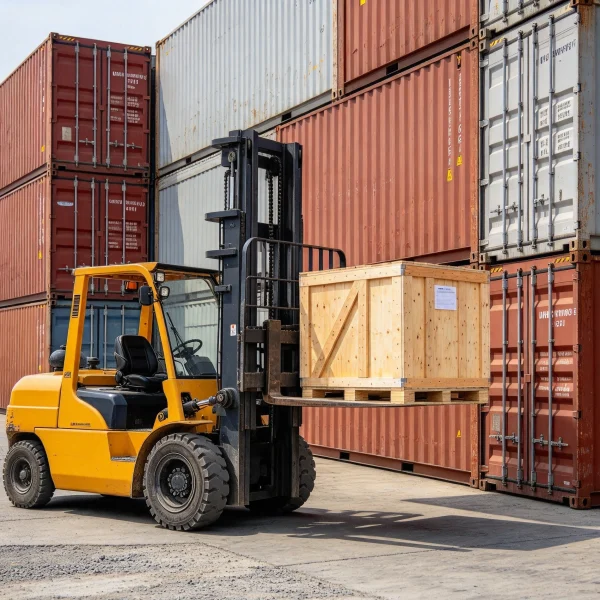
When comparing quotes, look at landed cost, not the sticker price. A $6,000 machine from overseas can become $8,200 by the time freight and import fees are added. A $7,500 machine from a local supplier with delivery included is often the cheaper choice at the end of the day.
For general setup, check our vending machine business guide before you sign a lease. It covers site selection, permits, and daily operations, because location mistakes cost more than machine mistakes.
The Bottom Line
Buying a cotton candy machine comes down to knowing the type you need, checking the true landed cost, and choosing someone who will answer the phone after the sale. Start with a home machine if you’re just testing the idea. For a real vending operation, compare at least three verified suppliers, factor in freight, and run the monthly profit numbers before you commit.
Most people ask where to buy the machine before they ask whether the location can support it. That’s backwards. The machine is a one-time cost, but the lease, the maintenance schedule, and the foot traffic keep showing up every month. I tell new operators to start with a used commercial countertop unit in a cart or a small booth, learn how sugar behaves in different humidity, then move to a full-auto vending machine once they understand the routine. A low-traffic machine is just an expensive storage unit.
FAQ
What is the cheapest cotton candy machine I can buy?
A home countertop machine starts around $60 and goes up to $120. It makes small batches and needs a few minutes per cone. That’s fine for birthdays and classroom parties, but not for selling at events. If you push it for hours, the motor will overheat. For occasional use, it’s a low-risk way to test whether you even like making cotton candy.
Where can I find a commercial cotton candy vending machine?
Start with restaurant equipment dealers and verified supplier directories. General marketplaces list them, but you can’t easily verify warranty or service history. On VendingCore’s supplier ranking, you can compare verified suppliers, read buyer reviews, and send inquiries directly. Prices for full-auto units usually run $6,000 to $15,000, plus freight, so check the landed cost before you compare.
Are cotton candy vending machines profitable?
They can be in the right location. A full-auto unit doing $100 to $200 in daily sales can leave $1,800 a month after ingredients and rent, which pays back a $10,000 machine in about six months. That math depends on foot traffic, machine reliability, and your local permit costs. Run your own numbers before buying, and check the cotton candy vending machine buying guide for a calculator.
What specs should I check before buying from an overseas supplier?
Check voltage, plug type, sugar compatibility, spare parts availability, and warranty claim process. Also ask who pays freight and customs. Some quotes look cheap because they exclude those. Request a video call to see the machine running, and ask for photos of the actual unit, not renderings. A supplier who hesitates on these questions is not worth the risk.
Do I need a permit to operate a cotton candy vending machine?
Usually yes. Because the machine produces food inside a public space, your local health department will likely require a food establishment permit or a vending machine license. The requirements differ by city and state. Check with the local health department before signing a location lease, and budget for inspection fees. Some malls also require their own approval.
How long does a cotton candy vending machine last?
A well-maintained commercial unit can run for years. Operators commonly get five to ten years out of the cabinet, motors, and payment components, but consumable parts like sugar funnels, belts, and cleaning brushes need regular replacement. The lifespan depends more on maintenance than on the brand. If you buy used, ask for service records and replace worn parts before putting it into service.