How to start a vending machine business for beginners comes down to one good location and honest math: a snack machine in a solid site usually grosses $250-$450 a month, nets $130-$200 after product cost and card fees, and a used setup pays back in 6-10 months. You do not need a warehouse or a truck for this. A used machine, a weekly restock habit, and two local barbershops or gyms can be the whole operation in week one. Refill on a schedule, watch what moves, repeat at the next spot. The people who fail skip the location work, not the machine work.
What you actually need before buying a machine
Get the paperwork out of the way first, because it’s cheap and fast. Most states want a seller’s permit or sales tax registration before you collect money from a machine. It usually takes an afternoon online. You also want a separate business bank account, so vending income does not disappear into your personal spending.
Your total startup budget for a one-machine route will land between $2,500 and $6,000 when you include the machine, a card reader, initial stock, and a three-month cushion. Used machines sit around $1,200-$3,000; new snack machines run $3,500-$7,000. If you want a realistic line-by-line picture, our 2026 budget breakdown for starting a vending machine business walks through every expense.
The cash math on a single machine
Here is the number that decides everything. In a decent office, gym, or warehouse break room, a snack machine moves $250-$450 a month. Product cost should stay around 40% of retail, so on $350 in sales you spend about $140 to restock. Card processing fees and occasional short-sales eat another $20-$40. That leaves $150-$200 before you count your own labor. On a used setup of around $2,000, this pays back in 7-10 months.
What usually ruins the math is a location that slides below $150 a month. The machine still works, but sales no longer cover inventory trips, especially if the site is a 20-minute drive away. That is why veteran operators talk about location before equipment.
How to find a location that earns its keep
Forget the idea that any busy store is automatically a good spot. People need five seconds of dwell time; vending works best where people wait with nothing to do. Nail salons, apartment leasing offices, auto repair shops, gyms, and warehouse break rooms are classic first locations because the same faces show up weekly.
Build a hit list of 20 places within 15 minutes of your home. Visit in person, ask whoever manages the office, and bring a one-page proposal: machine placed free, you handle everything, and the site earns a small commission once a real number appears. Many managers say yes when there is no risk on their side.
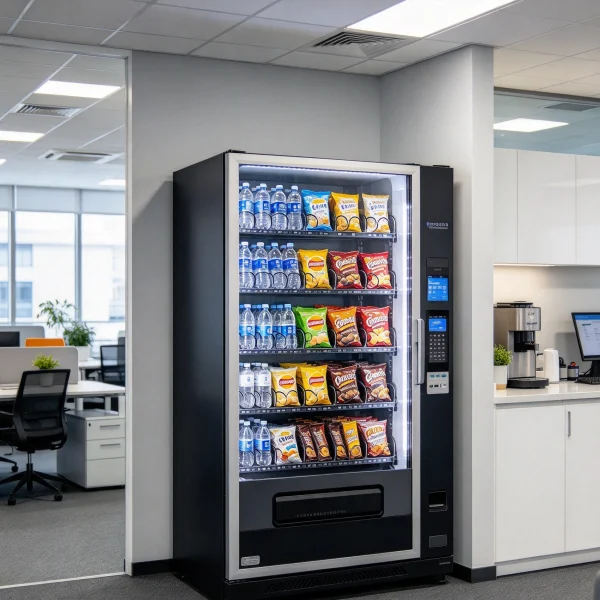
Ask for a 60-day test at the start. If the machine does not clear $150 in month two, you move it. That kind of clause protects you and makes you look professional.
Pick your first machine: new, used, or specialty
If this is your first route, a clean used snack machine is the least painful teacher. It is cheap to fix, easy to restock, and if the location fails, reselling it costs the same as your lost margin. New machines make sense when you want a warranty and a machine that can run five years without drama.
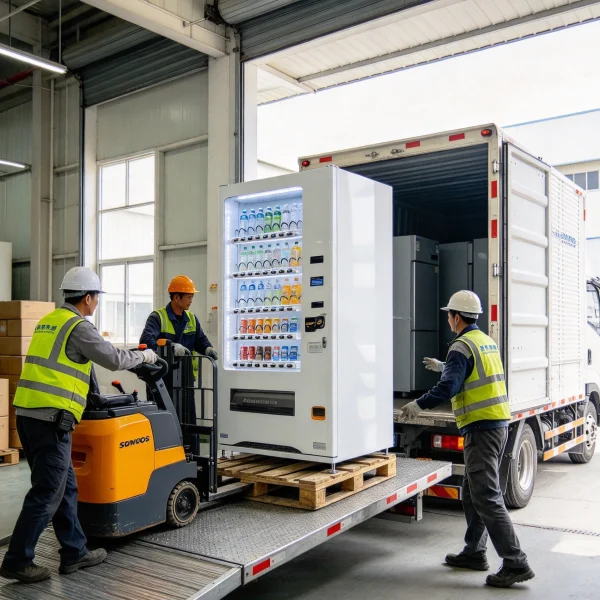
Here is how the main options stack up in 2026.
| Machine Type | Typical Cost | Best For | Payback Range |
|---|---|---|---|
| Used snack machine | $1,200-$2,500 | First route, low risk | 5-10 months |
| Snack and drink combo | $2,800-$5,500 | Sites with no nearby drinks | 7-10 months at strong sales |
| New full-size snack machine | $3,500-$7,000 | Buyers who want a warranty | 8-10 months in high-traffic spots |
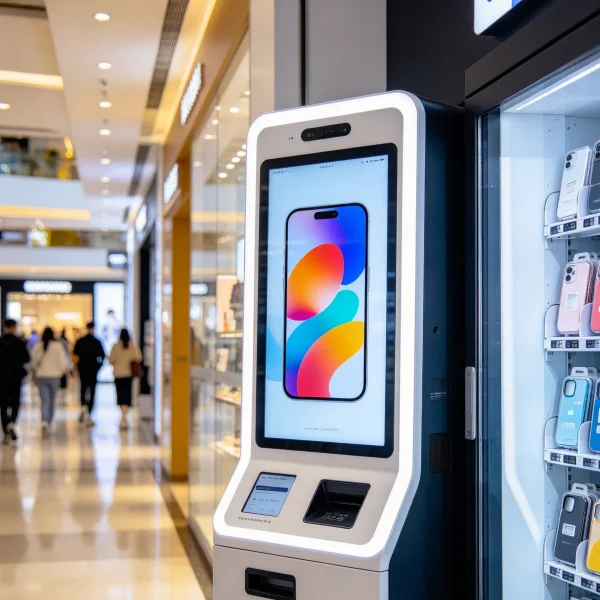
| Specialty vending (phone case printing, perfume) | $8,000-$20,000+ | High-footfall malls, transit hubs | 6-10 months at very high traffic |
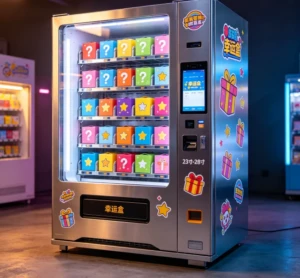
Specialty machines like phone case printers or perfume vending units are a different risk profile. They can earn more per placement because the product is not a $1 snack, but they cost more upfront and need high-footfall sites. If that route interests you, our phone case printing vending machine blueprint and perfume vending machine buyers guide go deep into the numbers.
Price and stock like a vendor, not a customer
The biggest mistake after location is pricing like a convenience store. You should target a 60% profit margin, so if a snack costs you 80 cents, sell it for $2.00. Water at $1.50 and chips at $2.00 are normal in 2026, and vending prices need to cover the card reader fees that most customers now use.
Cashless payments are not optional. Countless sites have one older coin-only machine sitting in a corner while everyone orders from their phone. Install a card and mobile payment reader from the start, even on a used machine. It typically raises revenue 20-30% at the same site.
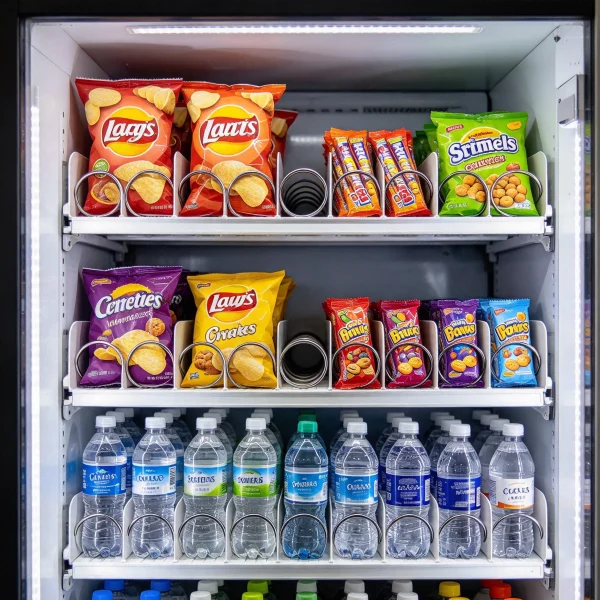
Keep the assortment boring at first: bottled water, chips, chocolate, gum, pretzels, trail mix. Add one or two local items to stand out. The goal is that every visit ends with a purchase, not that you win a snack novelty award.
Run the route and scale after the first win
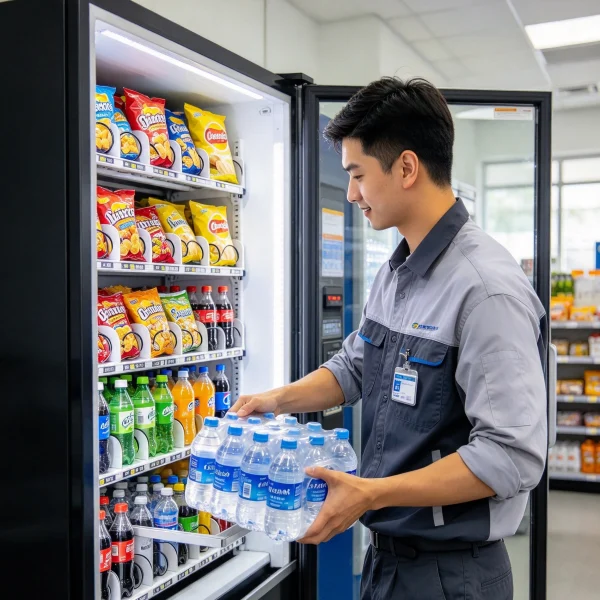
Weekly restocking is the habit that separates real operators from people who buy a machine and then learn to hate it. Pick one day and time for each site. Walk in with a small notepad, pull slow movers, wipe the shelves, and record what sold. The whole stop should take 15 minutes once you know the machine.
After one machine has held profitable sales for three months, add a second one nearby. Two machines in the same area cost one drive and one mental load. Then you can start thinking about a five-machine route that pays itself back without eating every weekend.
Choosing a supplier without getting burned
Where you buy the machine matters as much as what you buy. Look for suppliers that publish specs, price ranges, and warranty terms. If a salesperson only wants to talk after you hand over a phone number, treat that as a warning sign. Real suppliers can quote a used or new unit in a day.
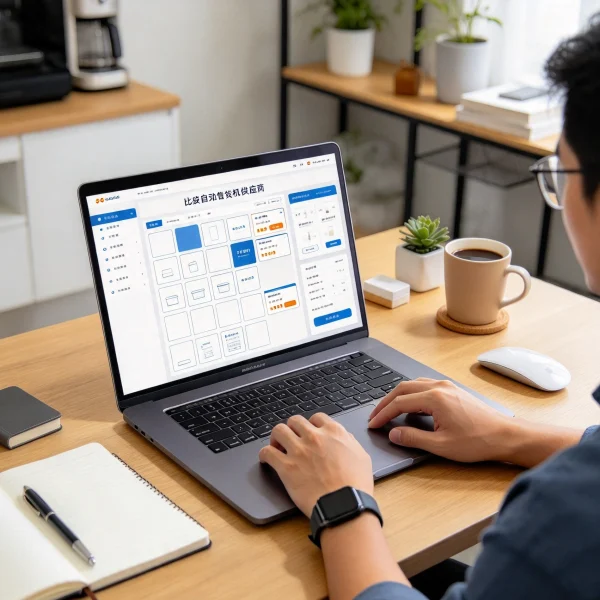
A supplier directory helps because you can compare options side by side. On VendingCore’s supplier ranking, you can compare verified suppliers, read buyer reviews, and send inquiries directly. That gives you the same research process as someone who has done ten routes. For specialized gear, the phone case vending machine buyers guide and the phone case machine cost page are useful starting points.
Your next step
Before you buy anything, find one manager who says yes. Then check the real cost numbers and pick a machine size that matches the location. After that, the job is restock, review, repeat. The vending business rewards consistency more than cleverness.
FAQ
Do I need a license to start a vending machine business?
Most places require a seller’s permit or sales tax registration before you sell anything through a machine. Check your city and state rules, because a school or hospital location might ask for extra background checks. The process is usually one online form and costs under $100. Keep the license current, because vending sites will occasionally ask for proof.
How much does it cost to start a vending machine business for a beginner?
A one-machine route normally costs $2,500-$6,000 once you count the machine, card reader, first inventory, and operating cushion. Used machines start around $1,200. New snack machines run $3,500-$7,000. Specialty units like phone case printers can go much higher. Our realistic budget breakdown has a full line-by-line version if you want to model your own numbers.
How long until a vending machine business becomes profitable?
At a good location, payback usually lands between 6 and 10 months for a beginner route. That assumes monthly gross sales around $250-$450 and product cost near 40%. If the site slides below $150 a month, you will make money only on paper. Move the machine or renegotiate the location after 60 days.
What is the best location for a first vending machine?
Look for places with a repeat audience and time to kill: office break rooms, gyms, nail salons, auto repair waiting areas, apartment leasing offices, and warehouse break rooms. Steady foot traffic beats a busy store where customers pass through too fast. Ask for a 60-day trial and move the machine if sales stay under $150 a month.
Should I buy a new or used vending machine?
For your first machine, buy a clean used snack machine in the $1,200-$2,500 range. It is easier to recover from mistakes when you sell it if the route fails. A new machine is worth it once you have two or three locations and want less maintenance risk. Avoid buying a machine without checking the model, age, and refrigeration condition.
Do vending machines need a card reader?
Yes, for most locations. Most customers now pay with cards or phones, and a card reader usually boosts revenue by 20-30% at the same location. Many used machines come with one installed, but if not, budget $300-$600 for a modern reader. Price snacks and drinks high enough to cover the processing fees.
How do I find a reliable vending machine supplier?
Use the same research you would for any large purchase. Compare specs, price ranges, and warranty terms before you send money. On VendingCore’s supplier ranking, you can compare verified suppliers, read buyer reviews, and send inquiries directly to several vendors at once. That is especially useful if you are considering a higher-cost specialty machine.
Most beginners think their edge is the machine. It’s not. Your edge is the relationship with the site, plus the discipline to read receipts and move slow products. I have placed machines in spots other operators called not worth it, and made solid profit because I stayed on a weekly restock schedule and kept overhead tiny. A route of eight to ten machines in one city is manageable on weekends if you do basic repairs yourself. Vending looks passive, but the vendors who last treat it like a retail job with machine quirks.