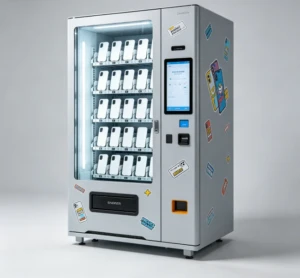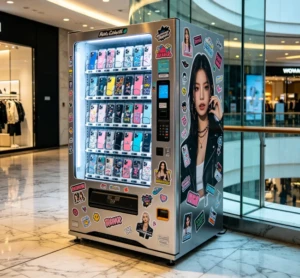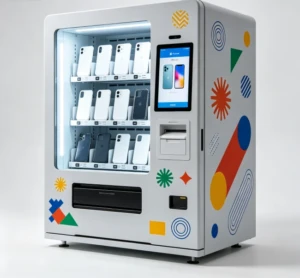
A custom phone case vending machine price usually lands between $8,000 and $25,000 depending on printer type, cabinet size, and how much you customize. Those machines show up in shopping malls, tourist spots, and electronics stores, printing a personalized case in about three minutes while the customer waits. Operators buy directly from manufacturers, place the unit in a high traffic location, and split the profits with the property owner. Most models include a UV printer, a touchscreen, and design software, so you can run the business without needing a dedicated staff member at the machine.
How configurations change the price
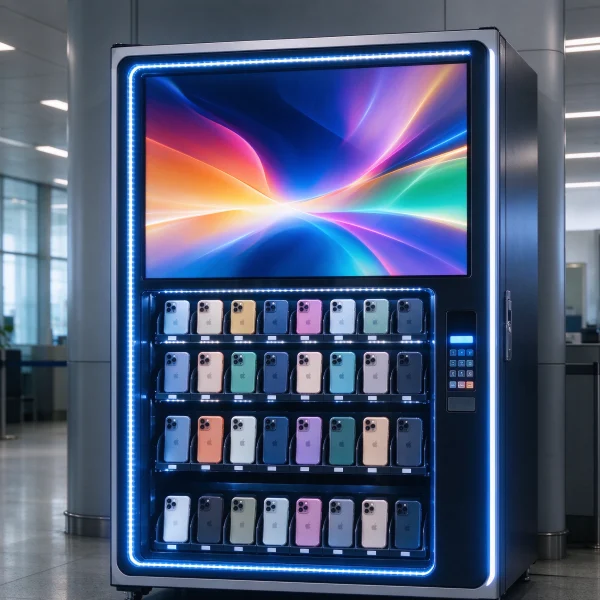
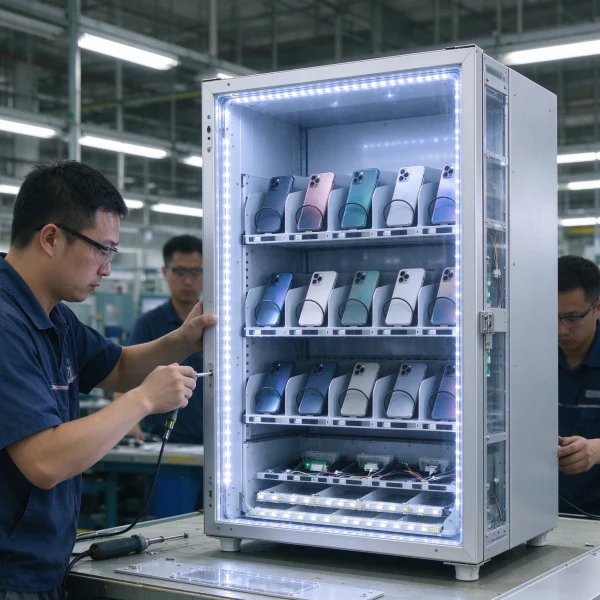
The cheapest units look like basic white kiosks. Premium machines feel more like a modern retail installation, with a large touchscreen and LED lighting. Most operators end up in the middle. Here’s how the numbers line up for 2026 buyers.
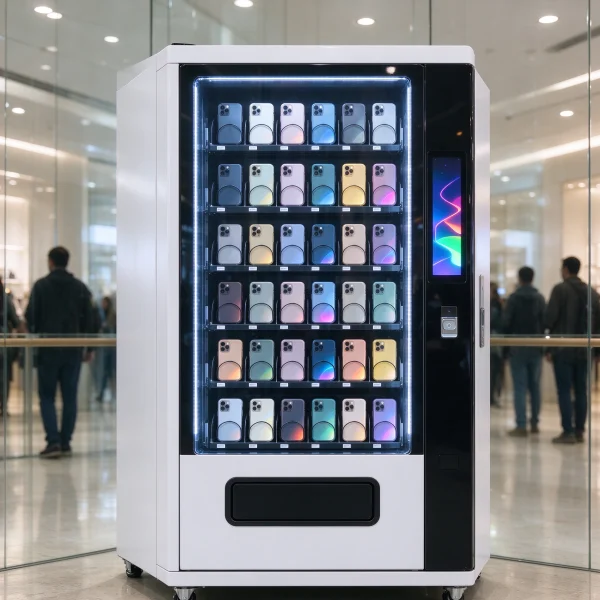
| Configuration | Budget | Mid-range | Premium |
|---|---|---|---|
| Price range | $8,000 – $11,000 | $12,000 – $18,000 | $19,000 – $25,000+ |
| Printer | Entry UV, manual cleaning | UV with bulk ink and auto-cleaning | Industrial UV, faster print head |
| Screen size | 15 to 19 inches | 21 to 24 inches | 32 inches and up |
| Extra features | Basic design software | Custom branding, remote monitoring | Kiosk mode, AI design tools, extended warranty |
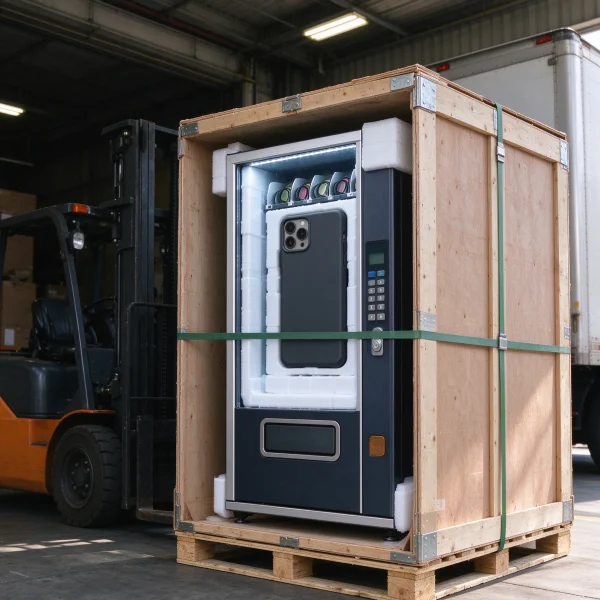
The ranges above are planning numbers, not quotes. Shipping, customs, and installation can add $1,500 to $4,000 depending on where the machine is made and where it will operate. Always ask for a door-to-door quote instead of comparing bare unit prices.
What you’re really paying for: components and software
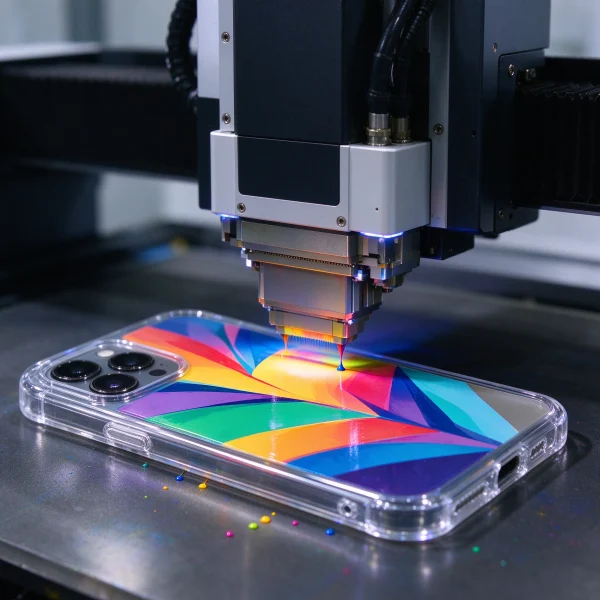
The printer inside is the heart of the whole system. Most custom phone case vending machines use a UV flatbed printer that cures ink instantly, so the design stays on even when the case bends. Cheaper machines use small ink cartridges that run dry fast. Better ones use bulk ink systems and automatic nozzle cleaning, which saves you from a lot of late night service calls.
The software is the second half of the story. Customers need an interface that lets them pick a template, upload a photo, and see a preview. You need a backend that tracks inventory, sets prices, and controls which designs are available. Some suppliers include a lifetime software license in the machine price. Others charge an annual fee that is easy to miss when you compare quotes.
Cabinet size matters more than people expect. A 32-inch screen invites interaction and makes the machine look like a destination. A smaller 19-inch screen brings the cost down but can feel cramped during busy periods. Custom vinyl wraps, extra lighting, and a slim footprint all add to the final invoice.
Running the business: how the machine earns its keep
You don’t make money the same way a snack vending machine does. Every purchase is personalized, so customers are willing to pay more. A blank case can cost you $2 to $4. Most operators charge $15 to $25 per printed case. Even after the location fee and electricity, the gross margin on a single case can land between 60% and 70%.
Here’s a realistic path to payback. Say the machine costs $15,000 all-in. It sells 8 cases a day at $20 each, with a $3 blank case cost. That leaves about $17 per sale before operating costs. Monthly gross profit lands near $4,000. After $700 for location rent, electricity, and maintenance, you’re left with $3,300 a month. In that scenario, payback takes around four and a half months. A slower location might stretch it to a year, so plan for the middle.
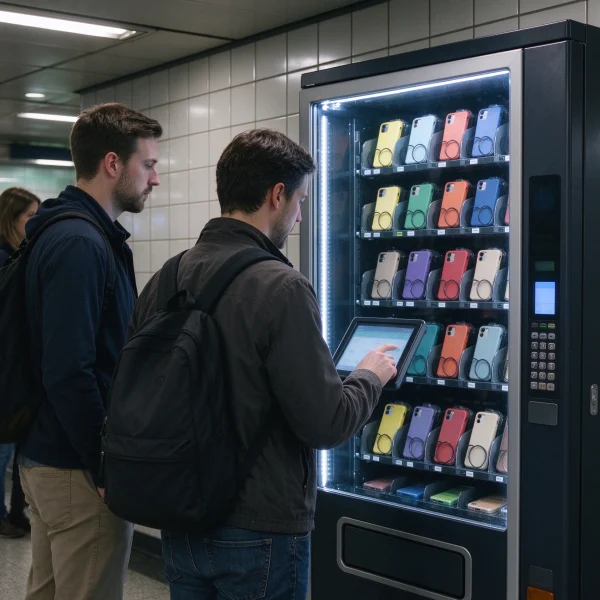
Location is the real lever. A machine next to a movie theater exit will outperform one in a quiet corner of a grocery store. You want people who are already in spending mode, not just passing through.
What to watch out for before buying
Supplier quality varies more than you’d think. Some machines use custom parts that are hard to replace outside the home country. Ask about the printer brand, the control board, and where you can get service if something breaks. A supplier with certifications and a service network is worth paying extra for. VendingCore is one example of a company that builds custom phone case vending machines with international certifications and provides remote diagnostics. That kind of support matters if you’re not near the factory.
Before you send a deposit, run through a proper vetting checklist. We wrote one specifically for vending machine buyers: How to Find Reliable Vending Machine Supplier. It covers production timelines, spare parts, and payment terms.
Also ask for a list of current customers and a machine demonstration. If a manufacturer can’t show you the printer running, treat that as a red flag. The same goes for vague answers about warranty coverage. You want the warranty in writing, with terms for the printer, the touchscreen, and the motherboard.
If you’re comparing this concept with other automated retail ideas, the ROI math has a lot in common with burger vending machines. Our burger vending machine price guide explains how to think about site selection and operating costs.
Is a custom phone case vending machine worth it?
The real answer depends on your location and your appetite for maintenance. The machine is not a passive income machine; it needs blank case stock, printer maintenance, and software updates. Operators who treat it like a small retail business do fine. Those who expect it to run forever untouched get disappointed.
Most buyers focus on the sticker price, but the real cost sits in the printer and the software. A machine that prints slowly or crashes often will drain your profit even if the purchase price was low. Look at the total cost per printed case, not just the machine cost.
What should you do next?
Start with the total cost. The base price is only one piece. Ask for a quote that includes shipping, blank cases, and training. Then evaluate the supplier’s track record and service response. If you want a custom quote for your location, VendingCore’s team can talk through your expected volume and budget.
FAQ
Why do custom phone case vending machine prices vary so much?
Because you’re comparing different machines. Entry-level units with smaller printers and basic screens sit at the low end. Mid-range machines with bulk ink systems and larger touchscreens cost more. Premium machines use industrial print heads, bigger cabinets, and advanced software, so they land above $19,000. The type of printer, the screen size, the cabinet material, and the supplier’s warranty all affect the final number.
Are there hidden costs beyond the machine price?
Yes. Shipping, import duties, taxes, installation, blank case stock, ink, software subscriptions, and location fees all add up. A $14,000 machine can cost $17,000 ready to operate in another country. Ask suppliers to quote door-to-door and include a recommended starter kit so you can compare the real total.
How many phone cases can a custom vending machine print per day?
It depends on the printer speed and how busy the location is. A standard UV printer can handle 20 to 40 cases a day when operations are smooth. Each case takes roughly two to four minutes, so the real bottleneck is customer usage and print speed. Faster industrial print heads push the machine closer to the higher end.
What is a realistic ROI for a custom phone case vending machine?
In a good location, operators often recover their total investment in six to twelve months. A slower spot might take eighteen months. The math depends on foot traffic, pricing, and daily print count. A machine selling 8 to 12 cases a day at $18 to $22 will usually perform better than one selling 4 cases at $30.
Can I sell other products with the same machine?
Many machines can print on phone grips, tablet covers, and even laptop sleeves if the printer bed is large enough. The software needs to support different product templates. Some suppliers sell convertible printers that let you switch product shapes without changing the entire cabinet. Ask about maximum print area before you commit.
What certifications should I check from a supplier?
Look for CE, FCC, and UL or equivalent safety certifications for the market where the machine will operate. For shipments into North America, safety certification affects whether customs accepts the machine and whether insurance covers it. VendingCore, for example, builds machines to international standards and can provide documentation before you ship.