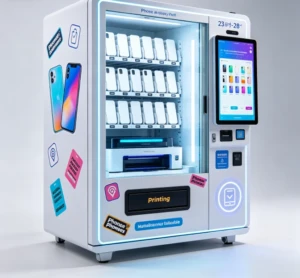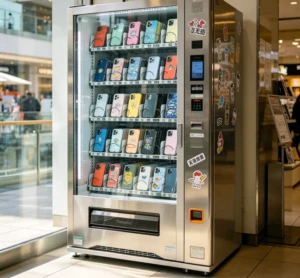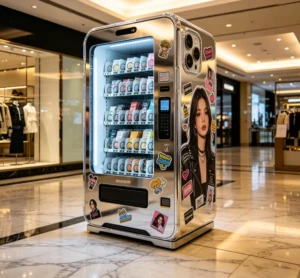
A phone case printing vending machine typically costs between $8,000 and $25,000, with the average price for a reliable, mid-range unit landing around $12,000 to $18,000. The final number depends heavily on whether you want AI design software, how many cases it can hold, and the quality of the UV printer inside. Most suppliers won’t post their prices publicly — which is exactly why you’re here, trying to figure out what you’re actually getting into.
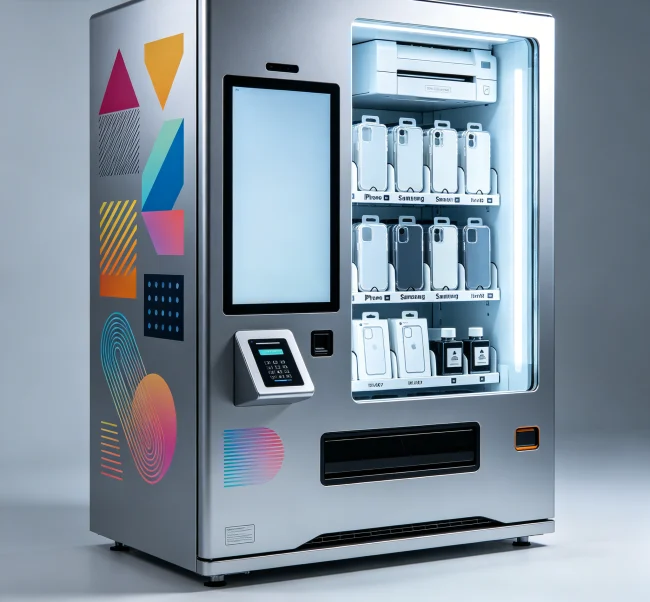
I’ve spent years analyzing this market, and let me tell you, the price range is wider than most people expect. You’ll see cheap units for under $5,000 on some platforms, but those are almost always stripped-down models that break down within months. On the flip side, industrial-grade machines with dual printers and massive case capacities can push past $30,000. The sweet spot for most entrepreneurs is that $12,000 to $18,000 range, where you get decent reliability without overspending on features you don’t need yet.
What Actually Drives the Price?
So what makes one machine cost twice as much as another? It’s not just about brand names or fancy marketing. The real cost drivers are pretty straightforward once you know what to look for.
The printer technology is the biggest factor. A basic thermal printer might cost a few hundred dollars to integrate, but a proper industrial-grade UV printer — the kind that prints vivid colors on textured cases without fading — can add $5,000 to $8,000 to the total price. You really do get what you pay for here. Cheap printers produce washed-out designs that customers won’t pay $15 for.
Case capacity and refill mechanisms matter too. Machines that hold 500+ cases with automated refill systems cost more upfront but save you labor in the long run. Some high-end units even come with pre-loaded cartridges that minimize downtime. Think about it — if you’re running a busy location, every hour spent refilling cases is an hour you’re not making sales.
Software is another hidden cost. Basic machines might just print whatever design you upload, but the real money-makers include AI design software that lets customers create custom artwork in seconds. That software license can add $2,000 to $5,000 to the initial price, but it’s often what makes the machine profitable in the first place.
💡 Practical Advice: Don’t just compare machine prices — compare total packages. A $15,000 machine with free installation, training, and a 2-year warranty might be cheaper than a $12,000 machine that charges extra for everything.
The Real Cost Breakdown You Won’t Find on Supplier Sites
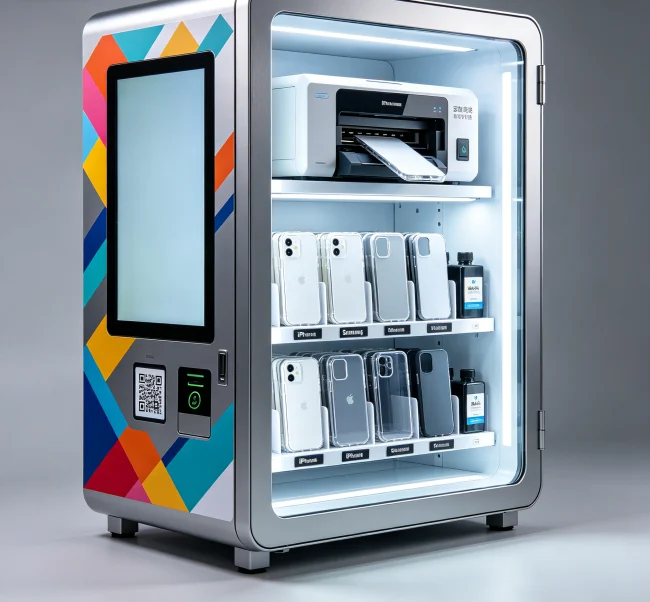
Most suppliers will quote you a machine price, but that’s just the beginning. Let’s break down what you’re actually paying for when you enter this business.
Machine price: $8,000 to $25,000 (one-time)
Initial case inventory: $1,000 to $3,000 for 300-500 blank cases
Ink and supplies: $200 to $500 per month depending on volume
Shipping and customs: $500 to $2,000 (especially if importing)
Installation and setup: $500 to $1,500 (if not included)
Location deposit/rent: $200 to $1,000 per month
Maintenance reserve: $50 to $100 per month
See what I mean? The machine itself is maybe 60-70% of your total first-year cost. A lot of people jump in thinking “$10,000 for the machine, that’s it” and then get blindsided by the other expenses.
Comparing Entry-Level vs. Commercial-Grade Machines
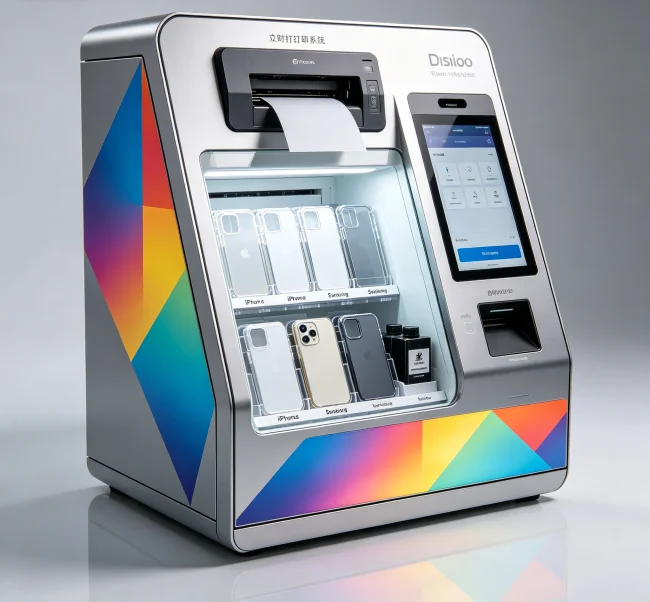
Here’s a quick comparison of what you’ll find at different price points:
Entry-level ($5,000 – $10,000):
Mid-range ($10,000 – $18,000):
Premium ($18,000 – $25,000+):
💡 Key Takeaway: If you’re just starting out, go mid-range. Entry-level machines often cost more in repairs and lost sales than you save upfront. Premium is great if you have the capital and a proven location.
Why Some Machines Cost More — And Why That Might Be Worth It
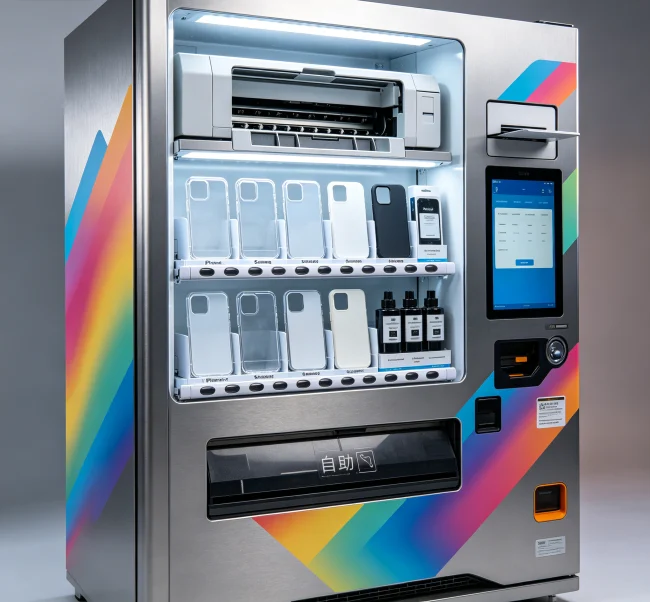
I’ve seen entrepreneurs buy cheap machines thinking they’re getting a deal, only to end up spending twice as much on repairs within the first year. It’s a pattern that’s way too common in this industry.
The more expensive machines usually come with:
Think about it this way: if a machine breaks down for a week during the holiday season, how much revenue do you lose? For a busy location, that could be $1,000 to $3,000 in lost sales. Suddenly, that $5,000 cheaper machine doesn’t look like such a bargain.
Hidden Costs That Catch New Buyers Off Guard
Let me be straight with you — there are costs that almost no one talks about in the sales brochures.
Ink compatibility is a big one. Some machines use proprietary ink cartridges that cost $50 to $100 each and you can’t use cheaper alternatives. Others use standard UV ink that’s much more affordable. Always ask about ink costs before you buy.
**Case sourcing** is another hidden expense. You need blank phone cases that fit your printer perfectly. Some machines only work with cases from the same manufacturer, which means you’re locked into their pricing. Others are more flexible. A good supplier like VendingCore will help you understand what cases work best and where to source them affordably.
Software updates can also add up. Some companies charge annual fees of $500 to $2,000 to keep your AI design software current. That’s not necessarily bad — it keeps the software improving — but you need to budget for it.
💡 Critical Info: Always ask for a total cost of ownership estimate before buying. A good supplier will give you a realistic breakdown of machine price, shipping, installation, first-year supplies, and ongoing costs.
How to Get the Best Price Without Getting Ripped Off
Here’s the thing about pricing in this industry — it’s negotiable, but only if you know what you’re doing.
Compare at least 3-5 suppliers before making a decision. Don’t just go with the first quote you get. Prices can vary by 30-40% for essentially the same machine.
Ask about package deals. Many suppliers will discount the machine if you buy a starter package with cases, ink, and training. Sometimes you can save $1,000 to $2,000 this way.
Check for seasonal promotions. Industry trade shows and end-of-year sales often come with discounts. Some suppliers offer 10-15% off during certain months.
Don’t be afraid to negotiate. If you’re serious about buying, tell suppliers you’re comparing options. Many will come down on price or throw in extras like free shipping or an extra warranty year.
For more detailed pricing analysis and a ROI calculator, check out our comprehensive price guide for 2026. It breaks down costs by machine type and gives you a realistic picture of what to expect.
The Bottom Line on Phone Case Printing Vending Machine Prices
Here’s the honest truth: you can spend anywhere from $5,000 to $30,000+ on a phone case printing vending machine. But the smart money is on the $12,000 to $18,000 range for most new operators.
That price point gets you a reliable machine with good print quality, decent software, and enough capacity to handle moderate traffic. It’s not the cheapest option, but it’s the one that gives you the best chance of actually making money.
Remember, the cheapest machine is rarely the most profitable one. A machine that costs $15,000 but runs reliably for 5 years is cheaper than a $10,000 machine that breaks down every 6 months.
If you’re serious about getting into this business, take the time to understand what you’re actually paying for. Talk to multiple suppliers, ask about total costs, and don’t rush into a decision. The right machine at the right price will set you up for success.
💡 Final Advice: Start with one machine in a proven location before scaling up. Learn the operational costs, understand your profit margins, and then reinvest. This approach minimizes risk and builds real experience.