Starting a custom phone case business without inventory is a goal for over 70% of new ecommerce entrepreneurs who want to avoid the $5,000-$15,000 upfront cost of buying stock. This model, known as print-on-demand or dropshipping, lets you sell designs on cases that are only made after a customer places an order. You handle the marketing and storefront, while a third-party supplier prints, packs, and ships directly to your buyer.
The beauty of this approach is that your risk is nearly zero. You don’t need a warehouse, you won’t get stuck with unsold products, and you can test dozens of designs without financial commitment. But here’s the catch — success isn’t automatic. You still need to nail your niche, create designs people actually want to buy, and drive traffic. Let’s walk through exactly how to build this business step by step.
Why the “No Inventory” Model Works for Phone Cases
Phone cases are one of the best products for a print-on-demand business. They’re lightweight, cheap to ship, and everyone needs one. Plus, people treat phone cases as a fashion accessory — they’ll swap them out based on mood, season, or a new hobby.
The print-on-demand model removes the biggest barrier to entry: cash flow. Instead of guessing which designs will sell and ordering 100 units of each, you only pay for production after you’ve already made a sale. That means your profit margin is locked in from day one.
This also gives you incredible flexibility. If a design flops, you simply remove it from your store. No loss. If something goes viral, you can scale up instantly without worrying about inventory constraints. The supplier handles all the logistics.
Finding Your Niche: The Single Most Important Decision
Most beginners make the same mistake — they try to sell to everyone. “I’ll make cool designs for anyone with a phone!” That’s a recipe for getting lost in a sea of generic products.
Instead, pick a specific audience. Think about groups of people with shared interests or identities. Some profitable niches include:
The more specific, the better. “Dog owners” is okay. “Owners of French bulldogs who live in cities” is gold. That audience will feel like you made the product just for them.
💡 Key Takeaway: Don’t start designing until you’ve validated your niche. Spend a week browsing Etsy, Reddit, and TikTok to see what designs are already selling well to your target audience.
Setting Up Your Store Without Inventory
You need a platform to showcase your designs and process payments. The most popular option is Shopify — it integrates seamlessly with all major print-on-demand apps. But don’t overlook Etsy, which already has millions of shoppers searching for custom phone cases daily.
Here’s the basic setup process:
The whole thing can be done in an afternoon. Your supplier will automatically receive orders, print them, and ship them with your branding on the packaging. You never touch a single case.
Designing Phone Cases That Actually Sell
This is where most people struggle. You don’t need to be a professional graphic designer, but you do need to understand what makes a design sellable.
Three things matter most:
Relevance to your niche. A design that resonates with your audience’s identity or interests will always outperform a generic “cool” design. Think inside jokes, community references, or shared values.
Simplicity. Overly complex designs often look terrible when printed on a phone case. Thin lines can blur, small text becomes unreadable. Bold, clean graphics with limited colors work best.
Emotional connection. People buy phone cases because of how they make them feel. Funny, nostalgic, proud, inspired — tap into an emotion and you’ve got a sale.
If you can’t design yourself, use tools like Canva or hire freelancers on Fiverr or 99designs. Many POD suppliers also offer design templates and mockup generators.
Marketing Your No-Inventory Phone Case Business
Without inventory, your main job is driving traffic and converting visitors into customers. Focus on channels where your target audience hangs out.
TikTok is currently the most powerful platform for phone case businesses. Short videos showing your designs, packaging, or customer reactions can go viral overnight. Post consistently and engage with comments.
Pinterest works incredibly well for visual products. Create pins for each design, optimize them with keywords, and link back to your store. Pinterest acts as a visual search engine — people actively look for products there.
Instagram is great for building a brand. Share behind-the-scenes content, customer photos, and design previews. Use relevant hashtags to reach new audiences.
Etsy SEO if you’re selling on Etsy, focus on your titles, tags, and descriptions. Use phrases your customers would actually search for, like “custom dog face phone case” or “personalized gaming case.”
💡 Practical Advice: Start with one marketing channel and master it before adding others. Trying to do TikTok, Pinterest, Instagram, and Etsy SEO at once will spread you too thin.
Pricing for Profit Without Inventory
Your cost per case will vary by supplier, case model, and design complexity. Typically, you’ll pay between $8 and $15 for a printed phone case. Shipping adds another $3-$6.
Most sellers price their cases between $25 and $40. That gives you a healthy margin of 40-60%. Remember, you’re not just selling a piece of plastic — you’re selling a design, a personal connection, and convenience.
Consider offering bundle deals. “Buy two cases, get 10% off” or “Free shipping on orders over $50” can increase average order value. Since you don’t hold inventory, you can experiment with pricing without risk.
Common Mistakes to Avoid
Even with no inventory, you can still lose money. Here are the pitfalls to watch for:
Ignoring quality. Order samples of your own designs before selling them. Check print quality, color accuracy, and case fit. A bad product leads to returns and bad reviews.
Copying designs. Don’t use trademarked logos, characters, or artwork. You’ll get your store shut down and could face legal action. Create original work or use properly licensed assets.
Neglecting customer service. Even though you don’t fulfill orders, you’re still responsible for the customer experience. Respond quickly to questions and handle issues with your supplier professionally.
Skipping market research. Don’t assume you know what people want. Look at competitor stores, read reviews, and see what designs are trending. Data beats intuition every time.
💡 Important Point: Always order a sample of your best-selling designs every few months. Print quality can vary between batches, and catching issues early protects your reputation.
Scaling Beyond the Basics
Once you’ve got a steady flow of sales, think about scaling. This could mean expanding to more platforms, adding new product lines (like AirPods cases or pop sockets), or automating your marketing.
Some sellers eventually move to a hybrid model — keeping their best sellers as print-on-demand while ordering small batches of consistent sellers to improve margins. But you can run a profitable business indefinitely without ever holding inventory.
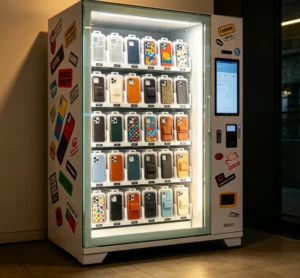
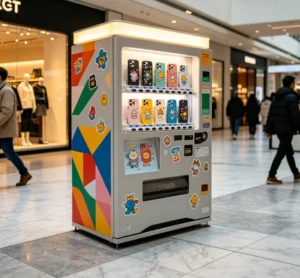
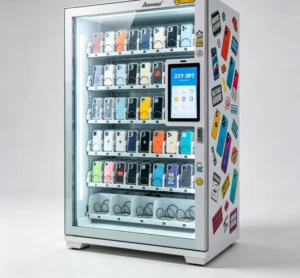
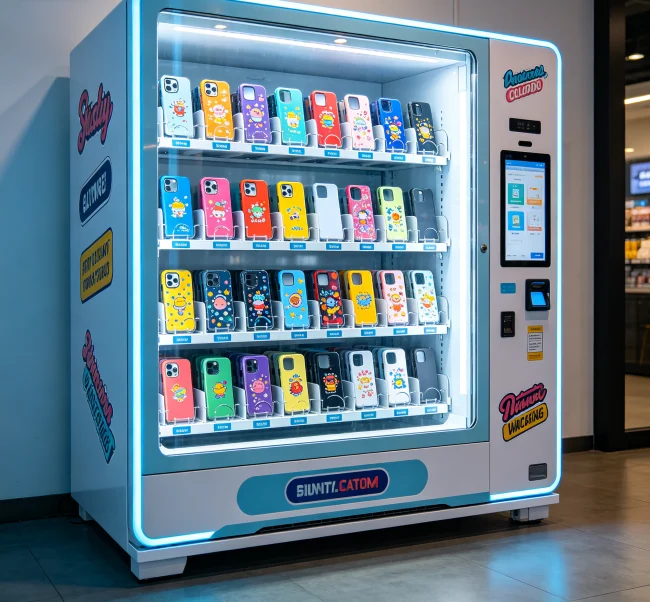
If you’re interested in a completely different approach to the phone case business — one that involves automated on-demand printing with zero shipping costs — you might want to look into phone case vending machines. These machines print cases right in front of customers at malls or events, and you can learn more about them at VendingCore.
Is This Business Model Actually Profitable?
Yes, but it’s not get-rich-quick. Most successful sellers earn between $1,000 and $5,000 per month within their first year. Top sellers can make significantly more.
Your profit depends on:
The beauty of no-inventory is that you can test, fail, and iterate without losing much money. Every mistake is a learning opportunity, not a financial disaster.
💡 Critical Info: Track your metrics from day one. Know your conversion rate, average order value, and customer acquisition cost. These numbers tell you what’s working and what needs to change.
If you want to see real numbers on what a phone case business can earn, check out this detailed breakdown: How Much Money Can You Make Selling Phone Cases?
For those considering the vending machine route as an alternative, here’s a guide on profitability and real costs.
Final Thoughts
Starting a custom phone case business without inventory is one of the most accessible ecommerce models out there. You can launch with less than $100 and start selling within a week. The key is to focus on a specific audience, create designs that resonate, and market consistently.
Don’t overthink it. Pick a niche, set up your store, and launch. You’ll learn more from your first 10 sales than from reading 100 guides. The no-inventory model gives you the freedom to experiment — take advantage of it.