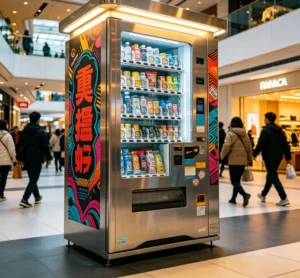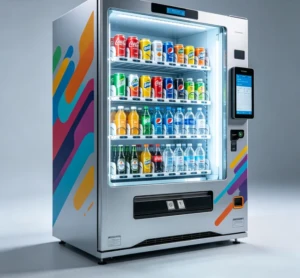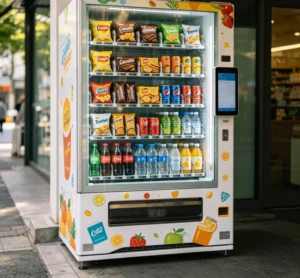
Are vending machines profitable in Australia? Yes, a well-placed machine can generate between $5,000 and $15,000 in annual revenue, with top performers bringing in $1,500 to $3,000 per month. But here’s the thing—profitability isn’t automatic. It depends entirely on where you put the machine, what you stock, and how well you manage operations. Think of it like real estate: location is everything, but even a prime spot won’t save you if your product mix misses the mark.
I’ve spent years analyzing vending machine data across Australia, and the honest truth is that most people overestimate the returns and underestimate the work. Sure, you can make solid money—some operators I’ve worked with clear $5,000 a month from a single high-traffic location. But others struggle to break even because they didn’t account for hidden costs like card processing fees, machine depreciation, or the sheer time it takes to restock and maintain equipment.
💡 Reality Check: Don’t assume every machine will hit those high numbers. Start with a conservative estimate—say $200–$400 per month per location—and build your business case around that. It’s better to be pleasantly surprised than disappointed.
What’s the Real Profit Potential?
Let’s get specific. Based on actual data from Australian operators, here’s what you can realistically expect:
| Location Type | Monthly Revenue Range | Profit Margin | Key Challenges |
|---|---|---|---|
| High-traffic office building | $800–$2,500 | 30–45% | Competition from cafes, weekend footfall drop |
| University campus | $1,000–$3,000 | 35–50% | Seasonal breaks, high vandalism risk |
| Hospital staff area | $600–$1,800 | 30–40% | 24/7 access required, strict health regulations |
| Industrial warehouse | $400–$1,200 | 25–35% | Lower traffic, limited product variety |
| Train station (peak hours) | $1,200–$2,000 | 35–45% | High rent, peak-time restocking pressure |
These numbers aren’t pulled from thin air—they come from real operators I’ve consulted with across Sydney, Melbourne, and Brisbane. The profit margin column is especially important because it shows your actual take-home after product costs, but before expenses like rent, electricity, and machine maintenance.
The Hidden Costs Nobody Talks About
Everyone loves to talk about the revenue potential, but let’s be honest about what eats into your profits. Most beginners only budget for the machine and products, then get blindsided by the rest.
Commission fees are the biggest surprise. Some landlords demand 10–20% of your gross revenue, especially in prime locations like shopping centers or hospitals. That alone can slash your profit margin in half. Then there’s the payment processing—card transactions typically cost 1.5–3% per sale, and with most Australians now paying by card, that adds up fast.
Don’t forget machine depreciation. A good quality machine might cost $5,000–$12,000 upfront, but it loses value every year. Plan for a 7–10 year lifespan, meaning you’re losing $500–$1,200 annually just in depreciation. And if you’re financing the machine, interest payments eat into your returns too.
💡 Smart Budgeting Tip: When calculating your startup costs, add a 20% buffer for unexpected expenses. Things like machine repairs, theft, and emergency restocking will happen. If you don’t account for them upfront, you’re setting yourself up for a cash flow crisis.
What Makes the Biggest Difference in Profit?
After working with dozens of operators, I’ve noticed three factors that separate profitable machines from money pits.
First, product selection matters more than you think. The most profitable machines aren’t the ones with the most variety—they’re the ones with the smartest variety. In Australia, drinks typically have higher margins than snacks, especially if you focus on premium brands or healthier options. Energy drinks and bottled water consistently outperform everything else. And here’s something most guides miss: rotate your products based on season. Cold drinks sell like crazy in summer, but hot coffee and soup do better in winter. A machine that doesn’t adapt will see profits drop 30% or more during off-seasons.
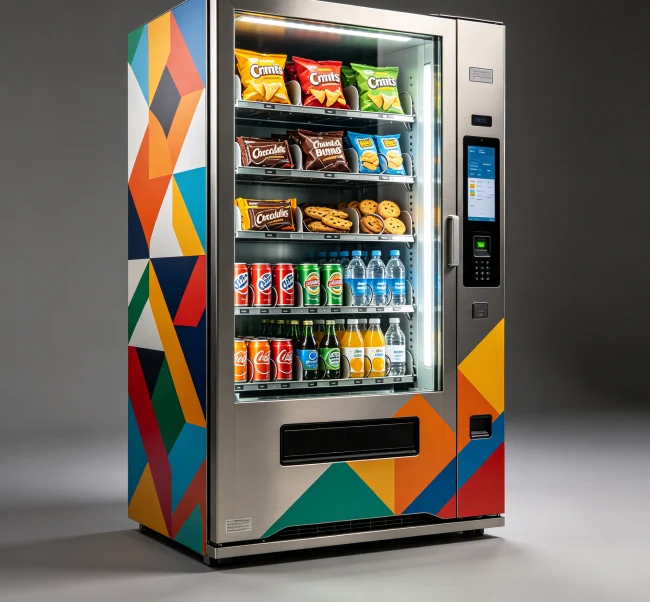
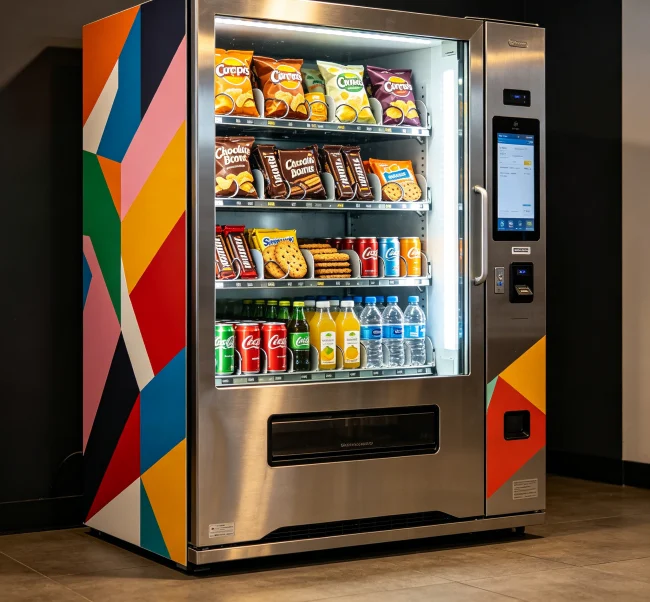
Second, machine technology is non-negotiable. Cash-only machines are dying in Australia. If your machine doesn’t accept cards and tap-to-pay, you’re losing at least 40% of potential sales. Modern machines with touchscreens, remote monitoring, and dynamic pricing can boost revenue by 15–25%. Remote monitoring alone saves you hours of driving to check inventory—you can see exactly what’s sold out and restock only when needed.
Third, location negotiation is an ongoing skill. Don’t just accept the first commission offer. I’ve seen operators negotiate from 15% down to 5% just by showing their sales data and offering to share revenue reports. Landlords want reliable service, not just the highest commission. If you can prove you’ll keep the machine clean and stocked, you have leverage.
The Real Numbers: A Sample Profit Calculation
Let’s walk through a realistic example. Say you place a machine in a Sydney office building with 200 employees. Here’s what your first year might look like:
Monthly gross revenue: $1,500
Monthly expenses: $930
Monthly net profit: $570
First year net profit: $6,840 (minus $8,000 machine) = -$1,160 (first year loss)
Second year net profit: $6,840 (machine paid off)
So realistically, you’re looking at about 14–18 months to break even on your first machine. That’s not bad—it’s actually pretty solid compared to many small businesses. But it’s not the “passive income” myth some people sell.
💡 Key Takeaway: The first machine is always the hardest. Once it’s paid off, your margins improve dramatically. Many successful operators start with one machine, learn the ropes, then scale to 5–10 machines within two years. The profit per machine actually increases as you grow because you can negotiate better product pricing and streamline restocking routes.
Common Mistakes That Kill Profitability
I’ve seen too many people jump into this business without doing their homework. Here are the three biggest profit-killers:
**Mistake #1: Buying a cheap machine.** That $2,000 second-hand machine might seem like a bargain, but if it breaks down twice a month, you’re losing sales and paying for repairs. Plus, older machines often don’t support card payments, which is a deal-breaker in 2026. According to recent data, machines with modern payment systems generate 40% more revenue than older models.
Mistake #2: Ignoring location research. Just because a place has lots of people doesn’t mean they’ll buy from your machine. A gym might have high foot traffic, but if they have a juice bar inside, your snack machine will sit untouched. Always spend a few days observing the location before signing a contract.
Mistake #3: Overstocking or understocking. Running out of popular items loses sales, but stocking too much leads to expired products and wasted money. Use sales data (or a remote monitoring system) to track what sells and when. Most operators find that 20% of their products generate 80% of their revenue.
Is It Worth It in 2026?
Honestly? Yes, but with caveats. The Australian vending machine market is growing steadily, driven by cashless payments and demand for convenience. Industry trends show that modern, tech-enabled machines are outperforming traditional ones by a wide margin. The key is to approach it as a real business, not a passive income fantasy.
If you’re willing to put in the work—finding good locations, managing inventory, maintaining machines—you can build a profitable operation. Most operators I know start seeing consistent profits after 12–18 months, and many scale to multiple machines within three years. The ones who fail are usually the ones who bought cheap equipment, ignored location research, or expected to make money without effort.
For those serious about getting started, platforms like VendingCore offer comprehensive support—from machine selection to placement strategies—that can significantly shorten your learning curve. The vending machine business isn’t a get-rich-quick scheme, but it’s a legitimate way to build a solid, recurring income stream if you do it right.