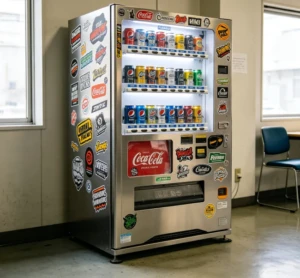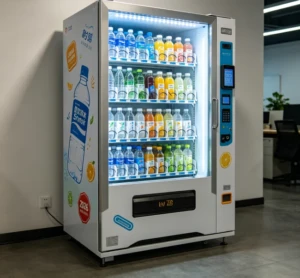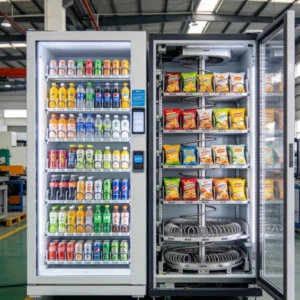
A standard drink vending machine can typically hold between 150 to 600+ individual items, with exact capacity depending on machine size, drink packaging, and internal configuration.
Capacity is primarily determined by the machine model (e.g., full-size vs. compact), the type of packaging (cans hold more than bottles), and the coil or spiral design. For example, a Dixie Narco DN 6000 may hold up to 600 cans but only about 280 20-ounce bottles. Understanding these factors is crucial for inventory planning, restocking schedules, and maximizing your business's return on investment. This guide provides detailed comparison tables and a calculation method for your specific needs.
The simple answer to “how many drinks can you put in a vending machine?” is between 150 and 600+ individual items, but the precise number is a complex equation. It depends on the machine’s size, the type of drinks you’re selling, and the specific internal configuration. For a prospective operator or facility manager, understanding this capacity is not just trivia—it’s critical for inventory management, calculating potential revenue, and planning efficient restocking routes. This 2026 guide will not only give you the numbers but will equip you with the knowledge to calculate capacity for your specific business model and location, helping you make a more informed investment.
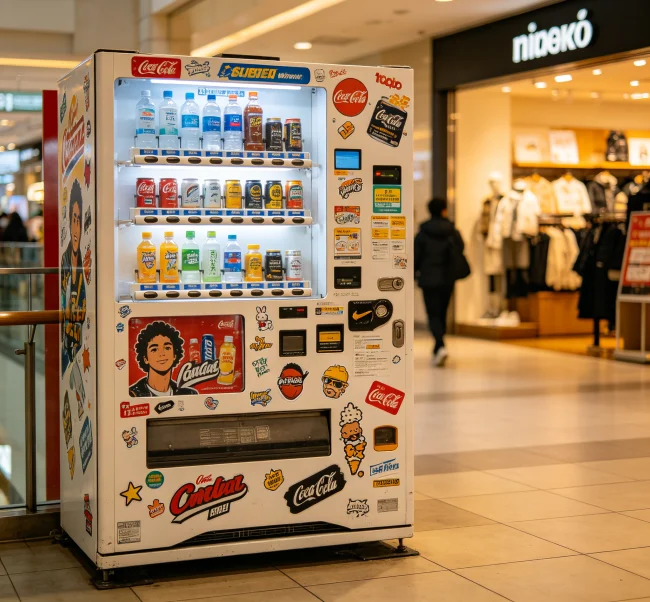
To provide immediate value, here is a quick-reference table for standard machine types. These figures assume standard North American packaging and full machine configuration for beverages.
| Machine Type | Typical Capacity Range | Common Product Examples |
|---|---|---|
| Can-Only Machine | 200 – 400 cans | 12 oz soda cans, 16 oz energy drinks |
| Bottle Machine | 150 – 300 bottles | 20 oz PET bottles, 500ml bottles |
| Glass Front Combo Machine | 300 – 600+ items | Mix of cans, bottles, and snacks |
| Compact / Tabletop Machine | 50 – 150 items | Small cans, water bottles, niche drinks |
Key Factors Determining Capacity
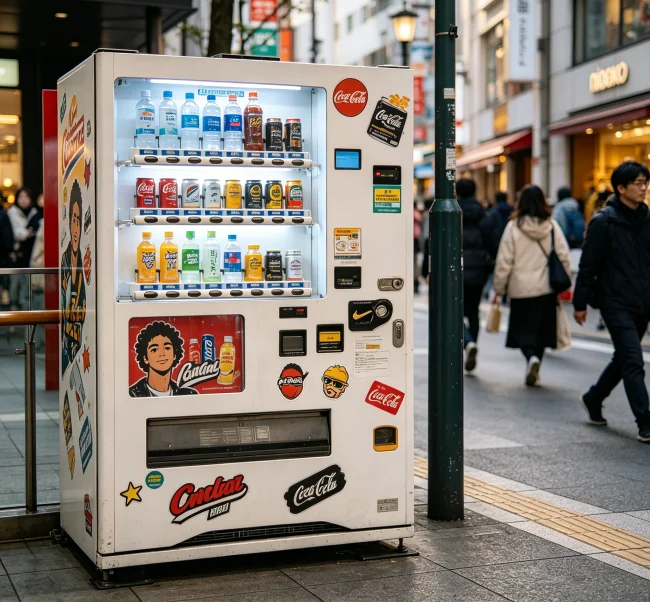
The numbers above are a starting point. Four primary factors determine the final count.
Machine Size and Model
The physical dimensions are the most obvious constraint. Full-size machines, often around 72″ tall by 36″ wide, offer the highest capacity. Slimline or console models designed for tighter spaces hold significantly less. The internal architecture of the model—such as the number of shelves and the depth of each selection column—is engineered by the manufacturer and is the blueprint for maximum capacity.
Drink Packaging and Size
This is the most significant variable. A machine configured for 12-ounce cans will hold far more items than one set up for 20-ounce bottles. Furthermore, the growing variety of packaging—slim cans, tall boy energy drinks, wide-mouth bottles—affects how many can fit on a single spiral or in a cell. A single selection button might control a column that holds 10 bottles or 15 cans.
Coil and Spiral Design
The delivery mechanism is crucial. Traditional snack machines use coiled springs, while modern drink machines use plastic spirals. The pitch (spacing) and diameter of these spirals are designed for specific product dimensions. Using the wrong spiral for a product can lead to jams and reduces effective capacity. Many machines today feature adjustable spirals to accommodate a range of product widths.
Vendor Configuration and Settings
Modern machines with digital vendor controllers allow the operator to define how many products are “in” a column. You might physically fit 12 bottles in a column, but if the machine is programmed to think the column is empty after 10 sales (to account for potential jams or to manage restocking alerts), your operational capacity is 10.
Capacity by Machine Type & Brand: A Detailed Comparison
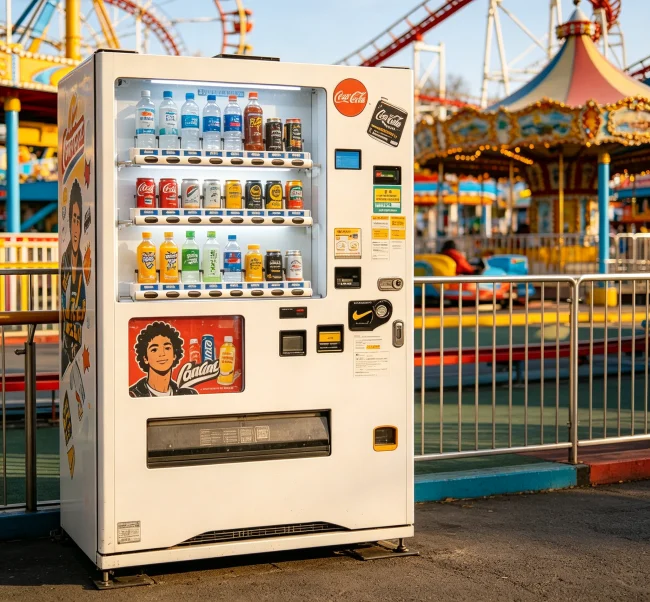
To move beyond general ranges, let’s examine specific models from leading manufacturers. This level of detail is often missing from competitor content but is vital for serious buyers. At vendingcore.com, we work with manufacturers producing all these model types, ensuring our partners have access to machines with specifications that match their precise capacity needs.
| Brand | Common Model | Primary Type | Approx. Can Capacity | Approx. 20oz Bottle Capacity | Key Feature |
|---|---|---|---|---|---|
| Dixie Narco | DN 5800/6000 Series | Can & Bottle | 580-600 cans | ~280 bottles | Industry workhorse, high reliability |
| Royal | Vision 660 | Glass Front Combo | ~400+ items (mixed) | ~200+ items (mixed) | Full-color display, high-impact merchandising |
| Crane (National) | 147/148 | Glass Front Combo | 300-400 items (mixed) | 150-250 items (mixed) | Excellent refrigeration, durable build |
| Automatic Products | LCM 4 / 5 | Snack & Combo | Varies by configuration | Varies by configuration | Modular, highly configurable shelving |
How to Calculate Capacity for Your Specific Needs
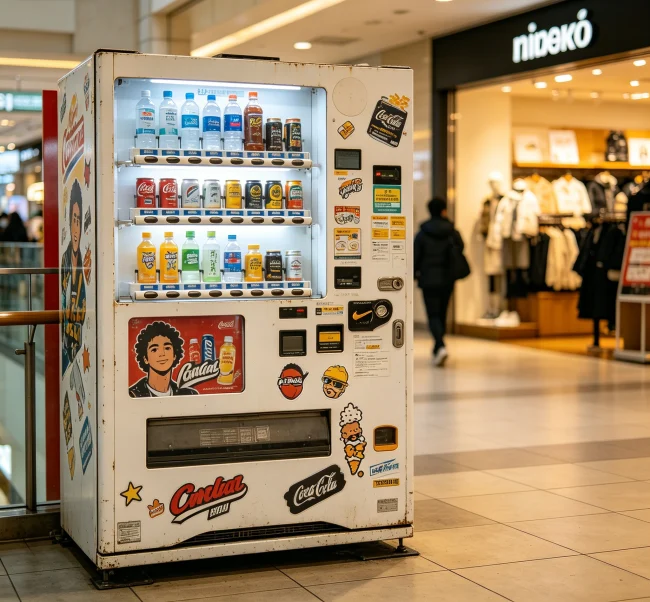
Don’t rely solely on manufacturer specs. Use this practical checklist to determine the operational capacity for your product mix:
This calculated approach prevents the common mistake of overestimating inventory needs and optimizes your product selection for maximum sales per restock cycle.
Why Capacity Directly Impacts Your Business ROI
Capacity is a core financial variable. A machine holding 600 cans will generate more revenue between service visits than one holding 200, assuming similar sales velocity. This directly affects:
Selecting a machine with the right capacity for your location’s traffic pattern is a fundamental business decision. Our platform’s fast response system connects you with experts who can help analyze your target location and recommend a machine with the optimal capacity for your expected sales volume.
Optimizing Your Machine’s Capacity and Sales
Maximizing capacity isn’t just about physical space; it’s about smart product curation. Use your best-selling items in columns with the highest physical capacity. Place slower-moving or premium items in smaller columns. Regularly review sales data from your machine’s controller to adjust your product mix and column assignments. This data-driven approach ensures every inch of your machine is working to generate revenue, a strategy we see successful operators using across our global network covering 50+ countries.
The Impact of Regional Packaging Differences
A critical gap in most guides is the acknowledgment of regional standards. A “standard” can in Europe (330ml) is different from North America (355ml/12oz). Japanese vending machines often feature unique bottle shapes and sizes. When sourcing equipment, especially through a global platform like ours, it’s essential to ensure the machine’s internal components (shelves, spirals, shims) are configured for the packaging common to your region. We ensure our partner manufacturers can provide region-specific configurations to avoid costly compatibility issues.
High-Capacity vs. Compact Machines: Choosing the Right Tool
The choice isn’t always “bigger is better.” High-capacity machines (500+ items) are ideal for transportation hubs, large universities, and 24/7 industrial sites. However, they require more space, a robust power supply, and represent a higher initial investment. Compact machines (50-150 items) are perfect for small offices, hotel lobbies, waiting rooms, or as supplementary units. They offer flexibility and a lower entry cost. Understanding this trade-off is key to allocating your capital efficiently.
Future Trends: Dynamic Capacity and Smart Inventory
Looking ahead to 2026 and beyond, capacity is becoming “dynamic.” IoT-enabled smart vending machines can now monitor inventory in real-time and even analyze which products are selling fastest at different times of day. This data allows for predictive restocking and dynamic pricing models. The next evolution isn’t just about how many drinks you can put in a machine, but how intelligently the machine can manage that inventory to maximize sales and minimize waste. This is the level of advanced equipment that forward-thinking buyers on our platform are increasingly seeking.
In conclusion, while a typical drink vending machine holds 150-600 items, the exact number is a function of precise engineering and strategic planning. By understanding the factors of machine model, packaging, and configuration, and by applying a calculated approach to your product mix, you can optimize your vending operation for both maximum sales and operational efficiency. The goal is to choose a capacity that aligns with your location’s demand, turning physical space into consistent revenue.