
If you’re searching for “how much does a drink vending machine cost,” you’re likely in the research phase, evaluating a business idea or a purchase for your premises. The straightforward answer is that the price of the machine itself can range from SGD $1,500 for a basic used model to over SGD $15,000 for a high-end, smart beverage unit. However, the true cost of starting a vending operation in Singapore is a multi-layered equation. It encompasses the machine price, initial inventory, necessary permits, location fees, and ongoing operational expenses. This guide provides a detailed, transparent 2026 price breakdown for Singapore, moving beyond generic figures to give you the specific data and total cost of ownership analysis you need to make an informed financial decision.
Before diving into the details, here is a high-level overview of the costs involved in starting a drink vending business in Singapore. This table provides a snapshot of the key financial components.
| Cost Component | Low-End Estimate (SGD) | High-End Estimate (SGD) | Notes |
|---|---|---|---|
| Machine Purchase (New) | $3,000 | $15,000+ | Basic can/bottle machine to advanced kombucha/smart fridge. |
| Machine Purchase (Used) | $1,500 | $5,000 | Carousell/Facebook Marketplace; condition varies. |
| Machine Rental (Monthly) | $100 | $300 | Often includes basic maintenance; profit-sharing models exist. |
| Initial Inventory Stocking | $300 | $1,000 | Depends on machine capacity and product mix. |
| Permits & Licenses | $50 | $200 | One-time fees for LTA (public places) and potentially NEA. |
| Transport & Installation | $150 | $500 | One-time cost. |
| Total Initial Outlay (Purchase) | $5,000 | $22,000+ | Machine + Inventory + Setup. |
Breakdown of Machine Costs: New, Used, and Rental
The core of your investment is the machine itself. Prices vary dramatically based on type, features, and condition.
New Drink Vending Machines
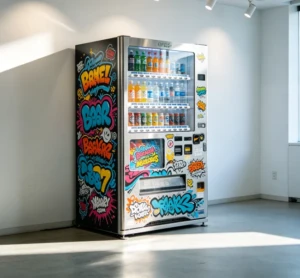
Purchasing a new machine offers reliability, warranty, and modern features. For a standard refrigerated machine vending cans and 500ml bottles, expect to pay between SGD $3,000 and $7,000 from local suppliers like Rollney or RVS. These typically have 200-400 item capacity and basic coin/cash systems. For advanced “smart” machines with touchscreens, cashless payments (PayNow, credit cards), real-time sales data, and energy-efficient compressors, prices start from SGD $8,000 and can exceed $15,000. Niche machines for premium drinks, fresh brewed coffee, or kombucha are at the top of this range.
Used & Refurbished Machines
The secondary market on platforms like Carousell and Facebook Marketplace offers lower entry costs. A functional used can/bottle machine typically costs between SGD $1,500 and $3,500. However, expertise is crucial. Always inspect for compressor health, refrigerant leaks, and controller board functionality. A refurbished machine from a reputable vendor, often with a short warranty, may cost SGD $2,500 to $5,000, offering a middle ground between price and reliability.
Rental Options
Renting eliminates the large upfront capital outlay and often includes maintenance. Monthly rental fees in Singapore range from SGD $100 to $300 for a standard machine. Some suppliers operate on a profit-sharing model, where they provide the machine for a lower fee (or free) and take a percentage (e.g., 10-20%) of your revenue. This is an excellent low-risk way to test a location before committing to a purchase.
Beyond the Machine: Other Startup Costs
The machine price is just the beginning. A realistic budget must account for these essential startup expenses.
Initial Inventory
You need to stock the machine before making your first sale. For a machine with 300 drinks, an initial stock investment can range from SGD $300 to $1,000, depending on whether you source mainstream brands from wholesalers or premium products. Building a relationship with a beverage distributor can improve your cost per unit over time.
Permits and Licenses in Singapore
Operating in public areas like MRT stations or community centers requires a license from the Land Transport Authority (LTA). Fees are nominal but mandatory. If you are placing the machine in a food establishment and selling pre-packaged drinks, you generally do not need a food shop license from the Singapore Food Agency (SFA), but it’s wise to check specific premises rules. Always factor in SGD $50 to $200 for permit applications.
Location Fees and Installation
Securing a prime location often involves paying a site fee or commission to the location owner (e.g., a factory, school, or gym). This can be a flat monthly fee (SGD $50-$200) or a percentage of sales (5-15%). Don’t forget one-time costs for transportation and professional installation, especially if electrical work is needed, adding SGD $150 to $500.
Hidden & Ongoing Operational Costs
The costs that erode profitability are often the ones beginners overlook. A robust financial model must include these.
Maintenance and Repairs
Even new machines require servicing. Budget SGD $300-$600 annually for preventive maintenance (cleaning, part checks) and unexpected repairs. A common mistake is not checking if a used machine’s compressor model has available or expensive replacement parts.
Transaction and Payment Fees
Cashless systems are essential but come with fees. Each credit/debit card transaction typically incurs a fee of 2.5-3.5%. Aggregators like Stripe or local providers charge these fees, which directly impact your net profit per sale.
Electricity Consumption
A refrigerated vending machine runs 24/7. An older model can consume 2,500-3,000 kWh annually, costing SGD $500-$700 at Singapore’s 2026 electricity tariffs. Newer energy-star models can reduce this by 30-40%. This is a significant and often underestimated ongoing cost.
Insurance and GST
Public liability insurance is prudent, especially for machines in high-traffic areas, costing ~SGD $300-$500/year. Furthermore, if your vending business revenue exceeds SGD $1 million, you must register for GST. Even below that threshold, you must understand that your sales are subject to GST if you are GST-registered, affecting your pricing strategy.
How to Choose and Where to Buy in Singapore
Your sourcing strategy impacts cost, quality, and long-term support.
Evaluating Your Needs
Start by defining your target location and customer base. A factory breakroom may only need a simple, durable can machine. A trendy co-working space might justify a smart machine with premium health drinks. Match the machine’s capability to the demand.
Supplier Evaluation Checklist
Whether buying new or used, vet your supplier. A reputable supplier should provide:
- Clear warranty terms (at least 1 year for new machines).
- Proof of after-sales service and available technicians.
- Transparency about part availability and energy ratings.
- A physical address or showroom in Singapore.
Sourcing Platforms: Pros and Cons
- Direct from Local Suppliers (e.g., Rollney, RVS): Pros include local warranty, installation support, and reliable after-sales service. The con is a higher upfront cost.
- B2B Marketplaces (e.g., Alibaba): Pros are lower prices for bulk orders. Major cons are high shipping costs, potential import duties, complex logistics, and minimal after-sales support.
- Local Classifieds (e.g., Carousell): Pros are very low cost and quick access. The con is high risk (“as-is” sales, no warranty) requiring significant technical knowledge to assess.
Is It Worth It? ROI and Profitability Considerations
To understand if the costs are justified, you must model profitability. Assume a standard machine selling drinks at an average price of SGD $2.00 with a cost of goods sold (COGS) of $1.00.
Simplified Monthly Profit Model
- Revenue: 10 sales/day $2.00 30 days = $600
- Gross Profit: $600 – (10$1.0030) = $300
- Minus Operational Costs: Electricity ($60) + Location Fee (10% of revenue, $60) + Card Fees (3% of card sales, assume $10) + Maintenance Reserve ($30) = $160
- Estimated Monthly Net Profit: $300 – $160 = $140
This model shows that after covering all ongoing costs, the net profit from a single moderately performing machine might be SGD $100 to $300 monthly. Therefore, a $4,000 machine would have a payback period of roughly 20-40 months. High-traffic locations or premium products can significantly improve this figure.
Conclusion and Next Steps
The cost of a drink vending machine is the entry ticket to a business with manageable overhead but requiring careful financial planning. Your next step should be to request detailed quotations from at least three local suppliers for your specific scenario. Use the cost breakdowns here to ask informed questions about warranty, energy consumption, and payment system fees. Finally, validate your chosen location by estimating foot traffic and potential daily sales before signing any contract or making a purchase. Success lies in meticulous research and realistic number crunching.
1 Comments