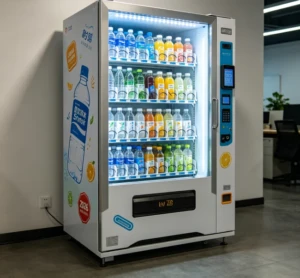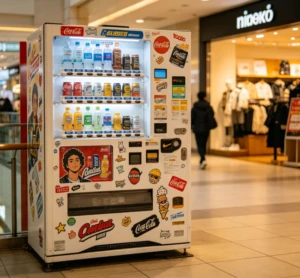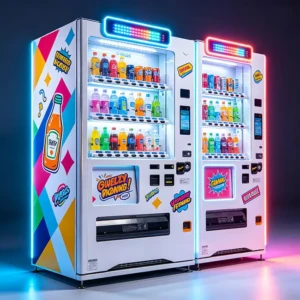
The most popular vending machine drinks are Coca-Cola, Pepsi, bottled water (Dasani/Aquafina), Gatorade, and Monster/Red Bull. These perennial best-sellers across soda, water, sports, and energy drink categories form the essential foundation for sales.
Beyond these staples, emerging trends for 2026 include functional beverages like kombucha and prebiotic sodas, craft drinks, and regional favorites. Success requires balancing proven brands with high-margin niches, adapting to seasonal demand, and implementing strategic pricing. Understanding the psychology behind consumer choices and securing a reliable supply chain are critical for turning product knowledge into profit.
For any vending machine operator, the single most critical question is: “What should I stock to maximize sales?” Knowing the most popular drinks isn’t just trivia—it’s the foundation of a profitable business. This guide goes beyond a simple list to provide a strategic, data-driven analysis of the top-selling vending machine beverages for 2026. We’ll explore the perennial best-sellers, identify emerging trends, and provide a practical framework to help you build a winning product menu tailored to your specific location and customer base. By understanding the “why” behind the “what,” you can make informed purchasing decisions that boost turnover, increase customer satisfaction, and optimize your profits.
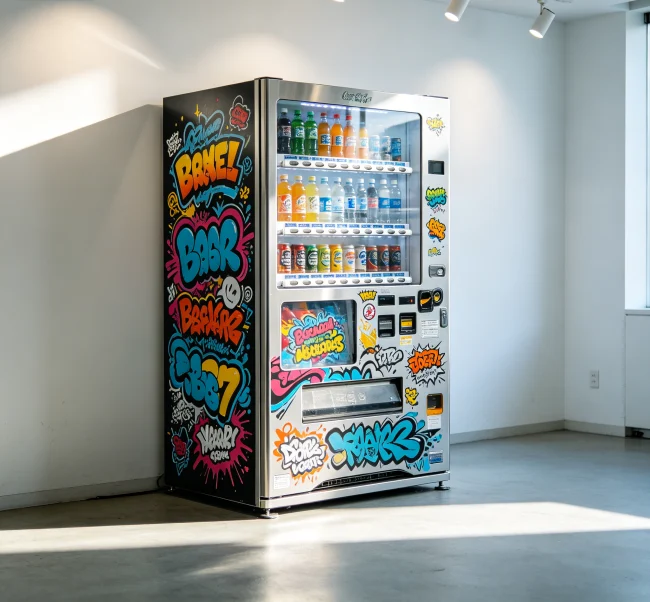
These categories and brands form the non-negotiable foundation of a successful drink vending machine. They have proven sales power across diverse locations.
Carbonated Soft Drinks (CSDs)
This category remains the undisputed revenue king. Brand loyalty is intense, so offering the right portfolio is essential.
Water
No longer just a basic offering, bottled water is a top-tier performer and a growing category. It’s a healthy choice, a mixer, and a hydrator.
Sports & Electrolyte Drinks
Essential for locations near gyms, schools, or industrial sites, these are functional beverages with high turnover.
Energy Drinks
A high-margin, high-demand category that continues to grow. It’s critical for office, truck stop, and late-night venue machines.
To summarize the core portfolio, here is a quick-reference table:
| Category | Top 3 Brands/Products | Key Consumer Driver |
|---|---|---|
| Carbonated Soft Drinks | 1. Coca-Cola Classic 2. Pepsi 3. Diet Coke / Dr Pepper |
Brand Loyalty, Taste, Caffeine |
| Water | 1. Dasani/Aquafina 2. Smartwater 3. Local Spring Water |
Health, Hydration, Premium Option |
| Sports Drinks | 1. Gatorade 2. Powerade 3. BodyArmor |
Rehydration, Electrolytes, Activity |
| Energy Drinks | 1. Monster 2. Red Bull 3. Celsius |
Energy Boost, Focus, Lifestyle |
Emerging Trends & Niche Opportunities for 2026
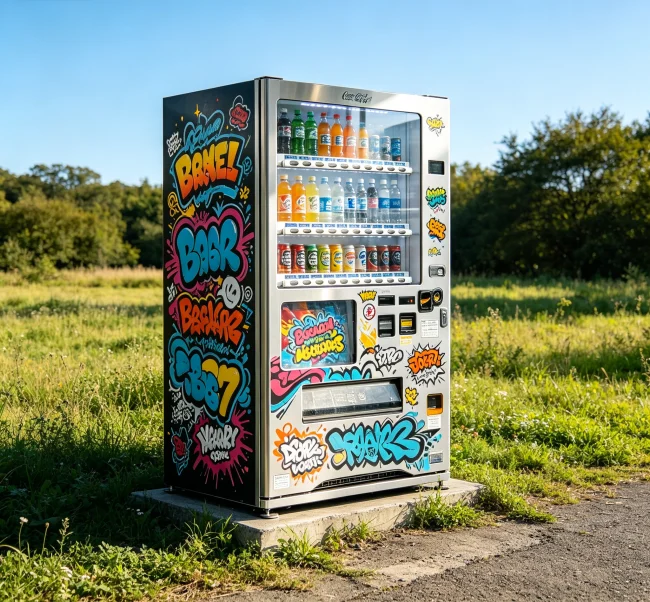
Staying profitable means anticipating demand. Beyond the staples, these growing segments offer opportunities for differentiation and higher margins.
Functional & Enhanced Beverages
Consumers are increasingly seeking benefits beyond hydration. This includes:
Craft & Premium Soft Drinks
There is a growing market for small-batch, cane-sugar sodas (e.g., Boylan’s, Jones Soda) and premium mixers (Fever-Tree, Q Mixers) in upscale office or hospitality settings.
Regional & Local Favorites
A major gap in most generic lists is hyper-local data. In the South, sweet tea (Peace Tea, Arizona) is a powerhouse. In the Northeast, certain coffee brands in cans may outperform. Partnering with a supplier that understands these nuances is key. At VendingCore.com, our network of 500+ manufacturers and suppliers across 50+ countries gives us unique insight into these regional best-sellers, allowing us to connect operators with the right products for their specific market.
The Psychology & Logistics: Why These Drinks Sell
Understanding the drivers behind purchase decisions helps you merchandise effectively.
How to Build Your Perfect Drink Menu: A Step-by-Step Framework
Turn data into action with this strategic planning process.
Seasonal Variations in Drink Popularity
Your menu shouldn’t be static. Consumer preferences shift with the weather, and smart operators capitalize on this. In summer, demand for water, sports drinks, and hydrating options like coconut water can spike by 30-50% in outdoor or high-activity locations. Conversely, in colder months, sales of these items may dip while ready-to-drink (RTD) coffees, hot chocolate cans (where supported by machine technology), and even hearty juices see an uptick. Planning your inventory and promotions around these cycles prevents dead stock and captures maximum revenue. For operators with machines in seasonal tourist areas, this planning is absolutely essential for profitability.
The Impact of Packaging on Vending Sales
The physical form of the drink significantly impacts consumer choice and your operational logistics. The standard 20oz plastic bottle is versatile but consider these factors: Cans are often preferred for energy drinks and are more compact, allowing for greater variety in your machine. Glass bottles, while less common in standard vending, can signify a premium product in upscale settings but require careful handling. New packaging formats, like the slimmer, taller cans used by many newer energy and functional brands, can stand out visually in a machine column. Furthermore, packaging durability is critical for suppliers; when we vet manufacturers on VendingCore.com, we assess product resilience to ensure items arrive and vend without issue, protecting your investment and customer experience.
Analyzing Competitor Machines for Market Insight
One of the most underutilized research tactics is direct competitive analysis. If you’re placing a machine in a new location, take time to audit nearby vending machines or convenience store coolers. Note which drink columns are empty—this is the clearest possible signal of high demand. Observe the product mix: Are they heavy on energy drinks? Do they offer any local brands? This real-time, hyper-local data is more valuable than any national list. It tells you exactly what your potential customers are already buying. Use this intelligence to inform your initial stock list, perhaps by mirroring proven sellers while introducing one or two differentiated options to capture unmet demand.
Balancing National Brands with Private Label
While national brands drive traffic, private label or lesser-known brand beverages can offer substantially higher profit margins. The strategic question is balance. Using a well-known brand like Coca-Cola as a “loss leader” priced competitively can attract customers who then may select a higher-margin companion item, like a private label sparkling water or snack. The success of this model depends entirely on your location’s customer price sensitivity and brand loyalty. In a captive audience location (like a factory), private label may perform well. In a high-traffic competitive location, sticking predominantly with national brands is often safer. Testing one column with a quality private label option is a low-risk way to gauge this dynamic.
The Role of Cold Brew Coffee and RTD Coffee
The ready-to-drink (RTD) coffee segment is one of the fastest-growing in beverages and is no longer confined to morning hours. Brands like Starbucks Doubleshot, Dunkin’, and newer entrants like La Colombe are perfect for office, university, and truck stop vending machines. They cater to the need for convenience and a caffeine boost without the wait. Cold brew options, often perceived as smoother and premium, can command a higher price point. For 2026, dedicating at least one column to RTD coffee is a strategic move for most adult-oriented locations, effectively extending your “energy” category beyond traditional energy drinks.
Pricing Strategies for Maximum Profit
Pricing is not just about covering costs; it’s a psychological tool. Implement a tiered structure: Value Tier (standard water, basic soda), Standard Tier (most CSDs, sports drinks), and Premium Tier (energy drinks, premium waters, RTD coffee). The price jump between tiers should feel justified by the perceived value (brand, function, size). Consider psychological pricing ($1.75 vs. $1.80) and bundling promotions (“Snack & Drink Combo $3.00”). Regularly review your sales data—if a premium item is selling rapidly, a small price increase may be possible without affecting volume, directly boosting your profitability.
Sourcing and Supply Chain Considerations for Operators
Finally, knowing what to stock is futile if you can’t source it reliably. Building a relationship with a primary wholesale distributor is key, but having a backup is prudent. Consider direct-store-delivery (DSD) options from major bottlers for core brands like Coke and Pepsi, which can simplify restocking. For trending, niche, or international products, broader B2B platforms become invaluable. This is a core strength we provide: VendingCore.com acts as a global hub, connecting operators not just to machine manufacturers, but to a vast network of beverage suppliers. Our efficient inquiry system helps you quickly find and vet suppliers for specific products, whether you need a pallet of a trending functional drink or a reliable source for core sodats, ensuring your perfect menu plan can be executed without supply chain headaches.