Planning your vending machine inventory for 2026 requires more than a list of today’s popular sodas. The core question, “Best-Selling Drinks for Vending Machines in 2026?” reveals a strategic need for predictive, profit-focused insights. As a vending operator or entrepreneur, you’re not just stocking a machine; you’re making a data-driven investment to maximize revenue and stay ahead of shifting consumer trends. Success in 2026 will be defined by understanding the powerful convergence of health consciousness, functional benefits, and sustainability. This guide moves beyond generic rankings to provide a forward-looking analysis, backed by market data and operational expertise, detailing exactly which beverage categories will drive the highest profitability and how to integrate them into your business strategy.
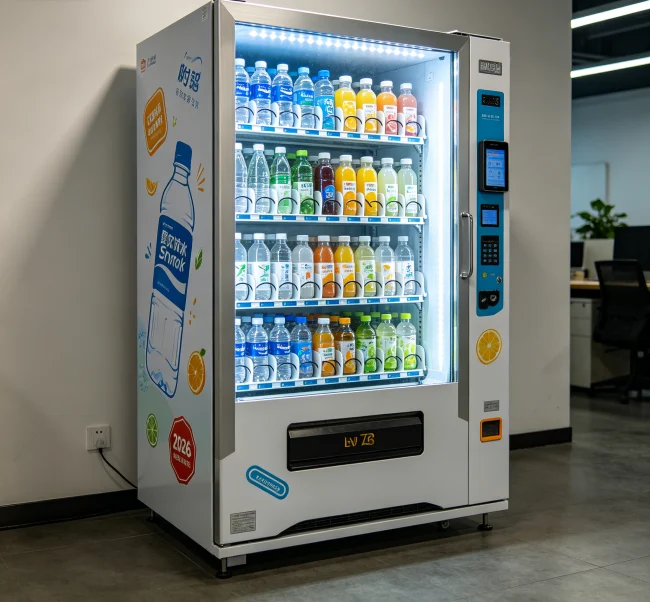
Three dominant consumer trends will fundamentally dictate best-sellers in the 2026 vending landscape. First, Functional Hydration continues to evolve beyond basic water. Consumers seek beverages offering targeted benefits like mental focus, immune support, or enhanced recovery, turning a simple drink into a wellness purchase. Second, Sugar Reduction and Clean Labels are non-negotiable. Demand for low-sugar, naturally sweetened, and transparently sourced drinks is mainstream, pushing traditional full-sugar sodas further down the preference list. Third, Sustainability and Brand Ethics influence choice. Brands with strong environmental commitments, recyclable packaging, and ethical sourcing will see a competitive edge, especially in university and corporate settings.
Category 1: Energy & Performance Drinks (The Evolving Powerhouse)
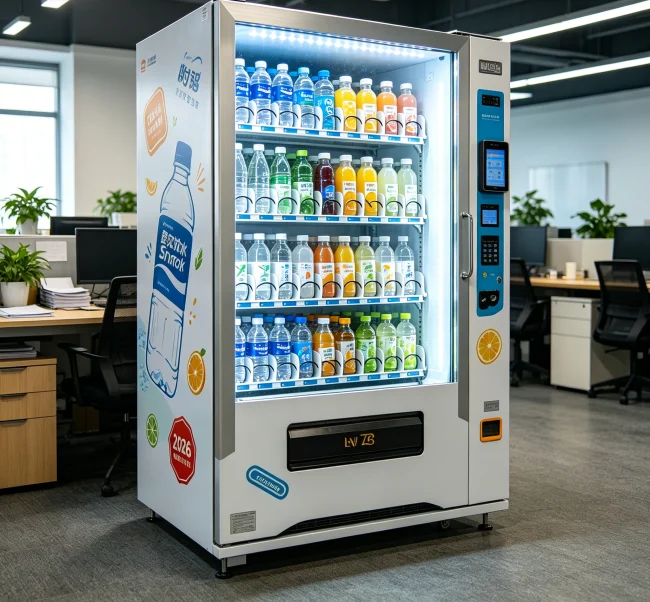
This category remains a vending staple but is undergoing a significant transformation. While traditional high-caffeine, high-sugar energy drinks will still sell in specific locations like factories or truck stops, the growth is in clean energy and nootropic-focused beverages. Look for brands offering energy from green tea or guarana, combined with L-Theanine for focus, and B vitamins, all with minimal or zero sugar. Plant-based energy drinks are also emerging. For 2026, the strategy is to carry a mix: one mainstream brand for broad appeal and one “clean” or functional energy brand to capture the health-conscious consumer. Profit margins remain strong due to high consumer willingness to pay for a perceived performance boost.
Category 2: Enhanced & Functional Waters
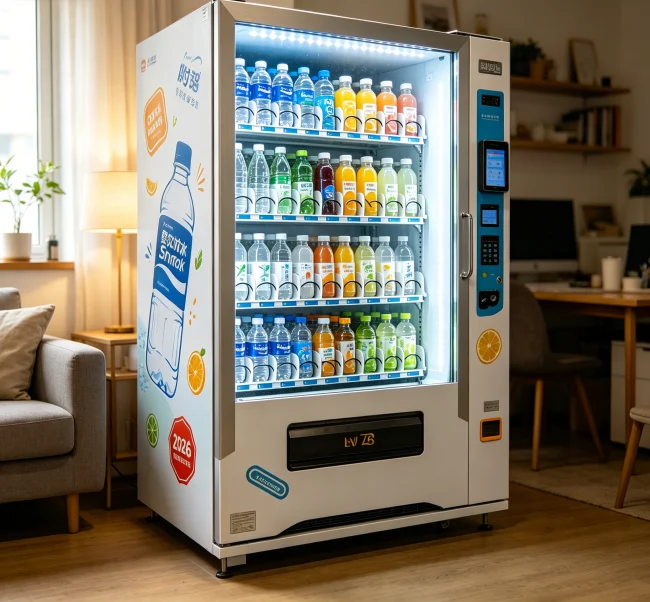
This is arguably the highest-growth category for vending. It encompasses electrolyte-infused waters, vitamin-enhanced waters, and pH-balanced alkaline water. These products satisfy the demand for hydration with an added health benefit, often with zero calories. They are perfect for gyms, yoga studios, office buildings, and hospitals. For 2026, specific trends include waters with added electrolytes for recovery (targeting fitness centers), and waters with vitamins C, B, or zinc for immune support (ideal for offices and schools). Their typically longer shelf life and competitive wholesale cost make them a high-margin, low-risk inventory choice.
Category 3: Ready-to-Drink (RTD) Coffee & Tea
Convenience caffeine is a massive market. The 2026 trend moves beyond sugary coffee drinks toward cold brew coffee, nitro coffee, and unsweetened or lightly sweetened teas. Plant-based creamer options in RTD coffee are becoming a standard expectation. Matcha lattes and yerba mate drinks are gaining traction for their sustained energy release. These items are day-part dependent, performing exceptionally well in office buildings, colleges, and hospitals during morning and afternoon hours. They command a premium price point, offering excellent profitability per unit.
Category 4: Sparkling Water & Zero-Sugar Sodas
The demand for fizzy alternatives to traditional soda is entrenched. Flavored sparkling waters (naturally essenced) and craft zero-sugar sodas are now core vending items. The key for 2026 is variety and brand innovation. Look for brands using unique flavor combinations (e.g., cucumber mint, ginger peach) and those that emphasize “no artificial sweeteners,” using stevia or monk fruit instead. This category serves as a direct, healthier substitute for classic carbonated soft drinks and has universal appeal across nearly all location types.
Category 5: The Emerging Niche: Plant-Based & Wellness Shots
While currently a smaller segment, this category represents a strategic opportunity for differentiation. This includes oat or almond milk-based protein shakes, small-format wellness shots (like turmeric, ginger, or chlorophyll), and kombucha. These items sell at a high price point and attract a dedicated consumer. They are best tested in premium locations such as corporate headquarters, boutique gyms, and wellness centers. Stocking one or two of these items in 2026 signals that your vending service is cutting-edge and caters to holistic health trends.
Profitability Deep Dive: Cost, Price, and Margin Analysis
Understanding the unit economics is critical. Below is a comparative analysis of projected 2026 profitability for core categories, based on typical wholesale costs and suggested retail pricing. Margins can vary based on supplier agreements and location.
| Beverage Category | Avg. Wholesale Cost (per unit) | Suggested Retail Price | Gross Profit Margin | Key Profit Driver |
|---|---|---|---|---|
| Energy & Performance Drinks | $1.10 – $1.40 | $3.00 – $3.50 | ~65-70% | High perceived value, consistent demand |
| Enhanced Functional Waters | $0.80 – $1.10 | $2.50 – $3.00 | ~68-72% | Low cost of goods, strong health appeal |
| RTD Coffee & Premium Tea | $1.30 – $1.70 | $3.25 – $3.75 | ~60-65% | Premium pricing for convenience caffeine |
| Sparkling Water / Zero-Sugar Soda | $0.70 – $0.95 | $2.25 – $2.75 | ~67-70% | High volume potential, low spoilage risk |
| Plant-Based & Wellness Shots | $1.50 – $2.00 | $3.75 – $4.50 | ~60-65% | Niche premium pricing, lower turnover |
Location-Based Strategy: Optimizing Your Product Mix
A one-size-fits-all approach fails in vending. Your location dictates your best-sellers.
Sourcing and Logistics for 2026: A Practical View
Identifying trends is one thing; procuring the products is another. Start by engaging with your broadline beverage distributor about their 2025-2026 innovation pipelines. Attend regional trade shows for the vending and convenience industry to discover emerging brands. When evaluating a new product, consider its shelf life, packaging size (can it fit your machine’s spirals?), and minimum order quantity. Building a relationship with a local specialty beverage distributor can give you access to niche, high-margin products that larger distributors may not carry.
Data Spotlight: Insights from a High-Performance Route
To move beyond theory, consider this snapshot from a successful operator managing 50 machines across mixed locations in 2024, a leading indicator for 2026 trends. Their top-performing drink was not a traditional soda but a zero-sugar, electrolyte-infused sparkling water, accounting for 22% of beverage sales in office locations. Furthermore, in their gym locations, a plant-based protein shake introduced as a test SKU achieved a higher profit-per-unit than any other item, despite lower sales volume, demonstrating the power of niche, high-margin products in the right setting. This real-world data underscores the importance of category diversification and location-specific testing.
Actionable Checklist: Updating Your Drink Lineup for 2026
Frequently Asked Questions (FAQ)
Q: Are traditional sodas like Coke and Pepsi still worth stocking in 2026?
Absolutely, but their role is changing. They remain high-volume sellers in certain locations (like manufacturing plants) and are expected by many consumers. However, they should no longer dominate your selection. Allocate space based on actual sales data from each specific machine, and balance them with the growing zero-sugar and flavored sparkling water alternatives.
Q: How can I find suppliers for newer, niche beverage brands?
Start by asking your primary distributor. If they don’t carry the brand, search for regional or specialty beverage distributors online. You can also contact brands directly through their websites; many have a “Where to Buy” or “Become a Retailer” section and can connect you with local distributors.
Q: What’s the biggest risk when adding new, trendy drinks?
The two main risks are slow turnover and shorter shelf life. Trendy items like kombucha or fresh cold-pressed juices may have expiration dates of 60-90 days. Always check shelf life before ordering in large quantities and only place these products in high-traffic locations where they will sell quickly.
Q: How much of my vending machine should be dedicated to new drink categories for 2026?
A phased approach is best. Start by dedicating 20-30% of your beverage slots to new categories like enhanced waters, clean energy, and RTD coffee. Use your sales data from the next two quarters to adjust. If the new items outperform, you can gradually increase their allocation.
Q: Is it worth paying more for branded drinks over private label?
This depends on your location. In high-traffic, brand-conscious environments (offices, universities), name brands often sell faster and can command a slightly higher price, justifying the cost. In more price-sensitive locations, a quality private-label sparkling water or energy drink can offer a much higher profit margin and still satisfy customer demand.
Q: How do I price these new functional beverages?
Price based on value, not just cost. Consumers expect to pay a premium for functional benefits. A good rule of thumb is to price enhanced waters and functional drinks $0.50 to $0.75 higher than a standard bottled water in the same machine. For premium items like wellness shots, price at a level that maintains a 60%+ gross margin.
Q: What is the single most important factor for vending drink success in 2026?
Data-Driven Decision Making. The era of guessing is over. Use your machine’s sales reports (if equipped) or manual tracking to understand what sells in each specific location. Let that data, combined with the macro trends of health, function, and sustainability, guide your 2026 product selection for maximum profitability.
The vending landscape of 2026 will reward operators who act as curators, not just custodians. By strategically integrating functional, better-for-you beverages and tailoring your mix to precise locations, you transform your machines from simple snack boxes into dynamic profit centers. Begin by auditing your current performance, testing one new category, and letting real sales data guide your evolution. The future of vending is healthy, functional, and highly profitable for those who prepare now.