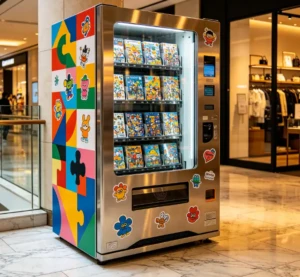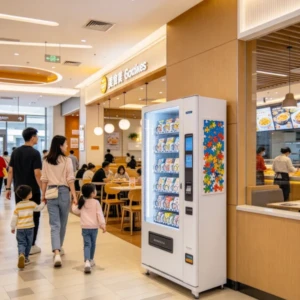
DIY puzzle vending machines are seeing over 300% year-over-year growth in search interest as entrepreneurs seek automated retail solutions that blend customization with high margins. These machines allow customers to create personalized jigsaw puzzles on the spot, printing custom images from their phones or selecting pre-loaded designs, then paying and receiving a finished puzzle within minutes. The concept has proven wildly popular in malls, tourist attractions, and entertainment venues across Asia and Europe.
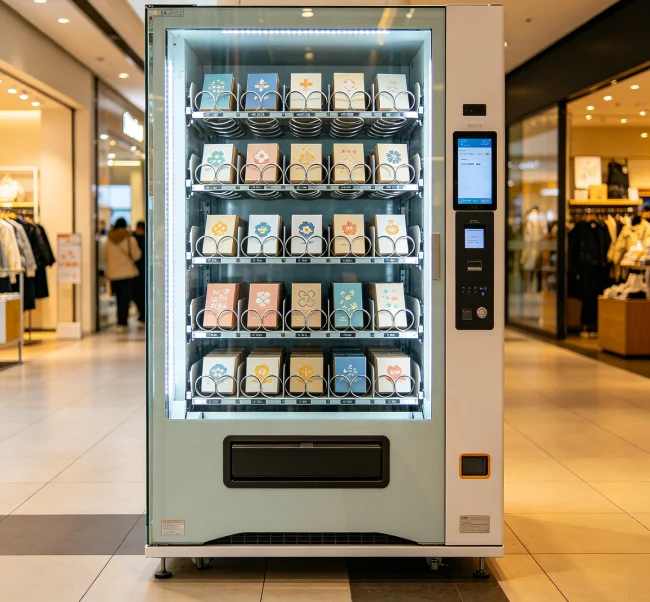
The core appeal is obvious — you’re not just selling a product, you’re selling an experience. People love watching their photos transform into puzzles right before their eyes. And for operators, the margins are impressive. A typical puzzle costs around $1-2 in materials and sells for $10-15, giving you a healthy 80%+ gross margin.
But here’s the thing most people miss: not all DIY puzzle vending machines are created equal. The market has evolved fast, and the difference between a profitable machine and a money pit comes down to print quality, reliability, and software usability.
💡 Key Tip: Focus on machines with UV printing technology rather than thermal printing. UV prints are more durable, waterproof, and produce sharper images — customers will pay more for quality.
How DIY Puzzle Vending Machines Actually Work
Let’s break down the process, because understanding the mechanics helps you evaluate different machines properly.
When a customer approaches the machine, they typically see a large touchscreen displaying sample puzzles. They can either:
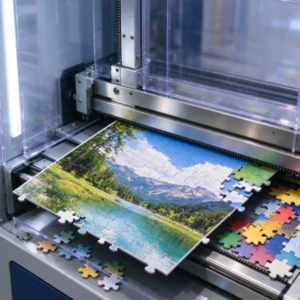
Once they pay (cash, card, or mobile payment), the machine’s internal printer starts working. Most commercial-grade units use UV flatbed printers that can handle various materials — typically 2-3mm thick cardboard or plastic sheets. The printing takes about 60-90 seconds, then a built-in die-cutter slices the printed sheet into puzzle pieces.
The finished puzzle drops into a collection tray, often packaged in a branded box. The entire process takes 3-5 minutes from start to finish.
Some advanced models even include:
What to Look For When Buying a DIY Puzzle Vending Machine
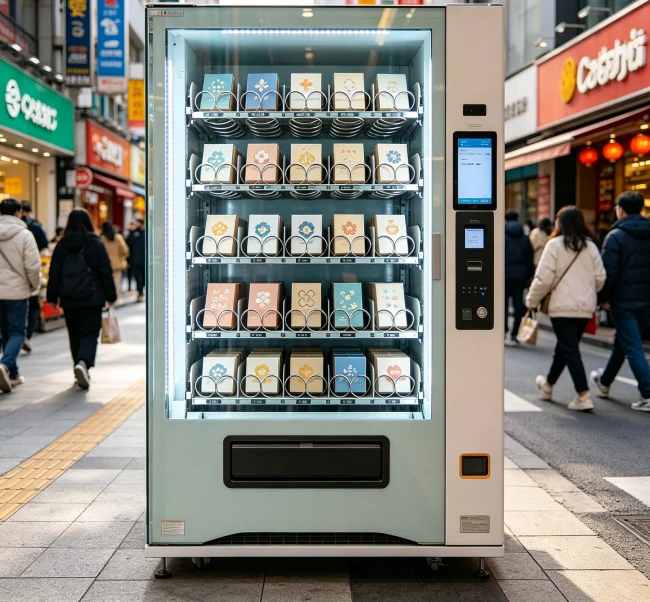
I’ve talked to dozens of operators who’ve bought these machines, and the feedback consistently points to a few critical factors.
Print quality is non-negotiable. If your puzzles look washed out or pixelated, customers won’t come back. Look for machines with at least 1200 DPI print resolution. UV printing is preferred over solvent or thermal because it’s more vibrant and durable.
Software matters more than hardware. The customer interface needs to be intuitive. If people struggle to upload photos or navigate menus, they’ll walk away. Good machines come with user-friendly software that supports multiple languages and payment methods.
Reliability and maintenance. These machines have moving parts — printers, cutters, conveyors. Ask about mean time between failures (MTBF) and how easy it is to replace consumables. Some manufacturers offer remote diagnostics, which is a lifesaver.
Material compatibility. Can the machine handle different puzzle board thicknesses? What about custom sizes? More versatile machines let you offer premium products like glow-in-the-dark puzzles or magnetic puzzles.
💡 Practical Advice: Always ask for a sample puzzle before purchasing. Run it through your fingers — check the cut quality, print sharpness, and board thickness. This simple test tells you more than any spec sheet.
The Business Model: Can You Actually Make Money?
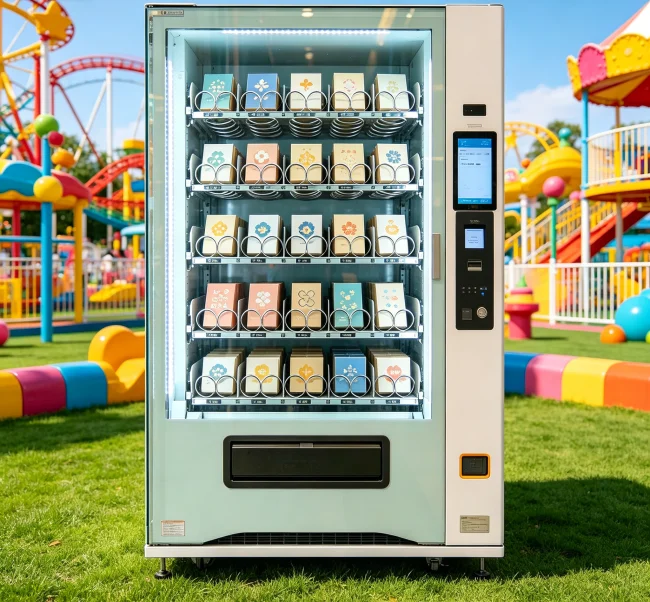
Let’s talk numbers, because that’s what really matters.
A mid-range DIY puzzle vending machine costs between $8,000 and $15,000. Premium machines with full automation and packaging systems run $15,000 to $25,000.
Here’s a realistic projection for a machine in a good location:
At those numbers, you’re looking at an ROI of 2-4 months with good placement. That’s faster than traditional vending machines by a significant margin.
But location is everything. A machine in a busy mall corridor will outperform one in a quiet corner by 5x. Tourist areas, movie theaters, and family entertainment centers are prime spots.
Sourcing Your DIY Puzzle Vending Machine
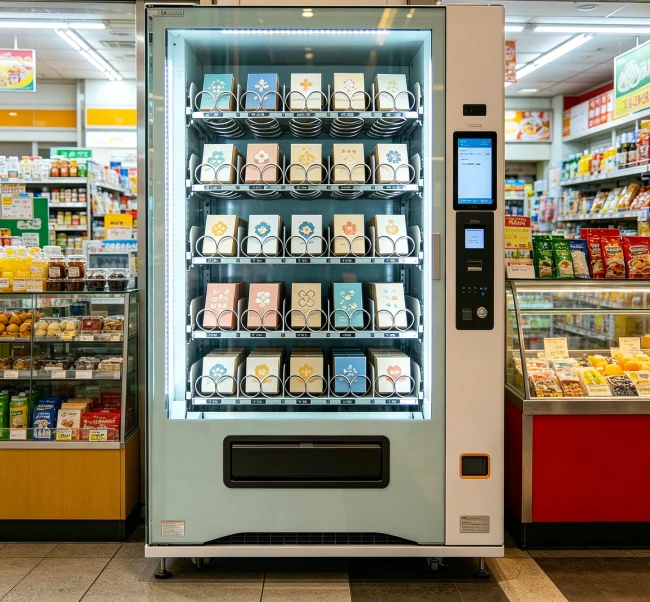
This is where things get tricky. The market has attracted many manufacturers, but quality varies wildly.
Most buyers start on B2B platforms like Alibaba or Made-in-China, searching for “puzzle vending machine” or “DIY puzzle printer.” You’ll find dozens of suppliers, mostly from China, with prices ranging from $3,000 to $30,000.
The challenge is separating legitimate manufacturers from resellers. Many listings are from trading companies that don’t actually produce anything. They take your order, find a factory, and add their markup. This creates problems with quality control, after-sales support, and warranty service.
This is exactly where VendingCore comes in. Our team has over 10 years of experience connecting buyers with verified vending machine manufacturers. We’ve vetted suppliers across multiple product categories — from smart vending machines to specialized DIY puzzle machines. Instead of guessing which supplier is legit, you can submit your requirements and we’ll match you with manufacturers that meet your specific needs. No intermediaries, no guesswork. Just direct connections to qualified producers who can deliver what they promise.
💡 Critical Info: Always verify that potential manufacturers hold international certifications like CE, UKCA, or RoHS. These aren’t just paperwork — they indicate the machine meets safety and quality standards that protect your investment.
Installation and Setup Considerations
Don’t underestimate the setup requirements. These machines need:
You’ll also need to stock consumables: blank puzzle boards, ink cartridges, and packaging materials. Most manufacturers offer these as recurring revenue streams, but you can often source them cheaper independently once you know the specifications.
Maintenance and Upkeep
These machines aren’t set-and-forget. Plan for:
Most manufacturers provide training videos and remote support. Some offer service contracts, though these can eat into your margins. Learning basic maintenance yourself is worth the effort.
Common Mistakes to Avoid
I’ve seen operators make the same mistakes repeatedly. Here are the big ones:
Buying the cheapest machine. That $3,000 machine might work for a month, but when the print head fails and the manufacturer won’t answer emails, you’ve wasted your money.
Ignoring software updates. Manufacturers regularly improve their software. Keep your machine updated for new features and bug fixes.
Poor location selection. Don’t just place it anywhere. Study foot traffic patterns. Watch for bottlenecks where people naturally stop.
Underestimating consumable costs. Ink and puzzle boards add up. Calculate your true COGS before setting prices.
Skipping warranty verification. Some suppliers offer “2-year warranties” that are actually just promises to sell you replacement parts at cost. Read the fine print.
💡 Key Takeaway: Always negotiate warranty terms in writing. A good warranty should cover parts and labor for at least 12 months, with 48-hour response time for critical issues.
Future Trends in DIY Puzzle Vending
The market is evolving fast. Here’s what’s coming:
Early adopters of these technologies are seeing 20-30% higher revenue per machine. It’s worth considering future-proofing when you choose your equipment.