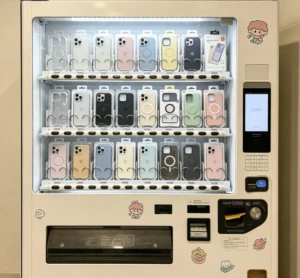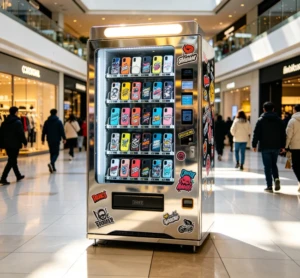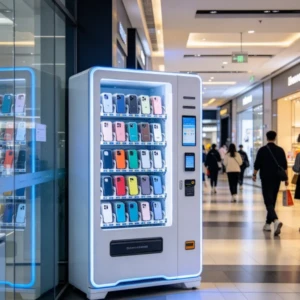
Can I make my own phone case vending machine? Yes, you can, and a DIY build usually lands between $4,000 and $9,000 in parts and fabrication, while a commercial unit costs $7,000 to $18,000. It fits a campus hallway, a small mall kiosk, or a repair shop corner where you want a custom look without paying for factory tooling. You will need a locking cabinet, a vending controller, a payment reader, and software to tie them together. Most builders spend two to three months on wiring, testing, and troubleshooting before the first sale.
What Actually Goes Into a DIY Phone Case Vending Machine?
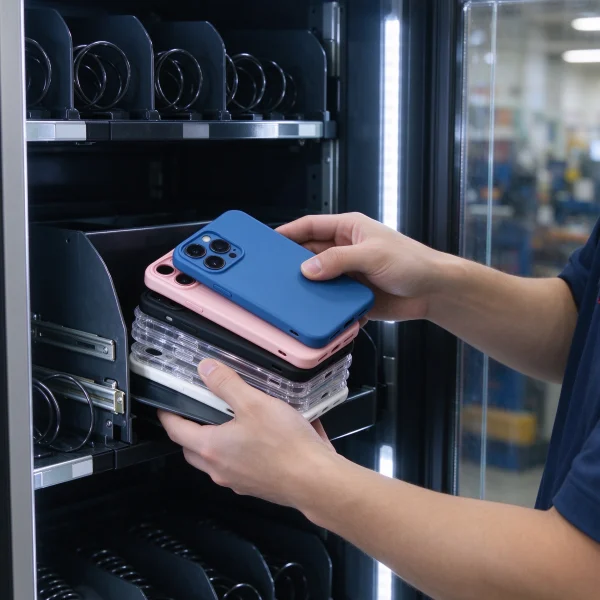
A phone case vending machine is basically a secure cabinet that holds stock and releases one item after payment. The concept sounds simple. The hard part is making sure the controller, lock, and payment system all talk to each other.
Here are the parts you will be sourcing:
- Cabinet: steel frame, tempered glass, internal shelf, and a secure door. Used kiosks can start around $800.
- Vending mechanism: a spiral coil, drawer, or lift system that moves a single case to the delivery bin.
- Controller board: the brain that manages motors, sensors, and payment signals. Quality boards start near $300.
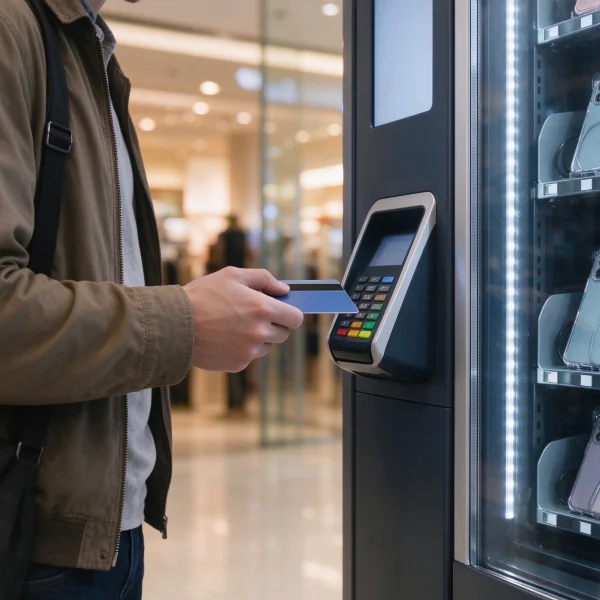
- Payment reader: card reader, mobile payment, or both. A dual reader with PCI approval runs $400 to $700.
- Software: inventory tracking, remote monitoring, and the customer interface. Cloud subscriptions often cost $20 to $60 per month.
Most people quietly underestimate the software side. You can build or repurpose a cabinet in a weekend, but getting the machine to record sales, track inventory, and restart after a jam takes real work.
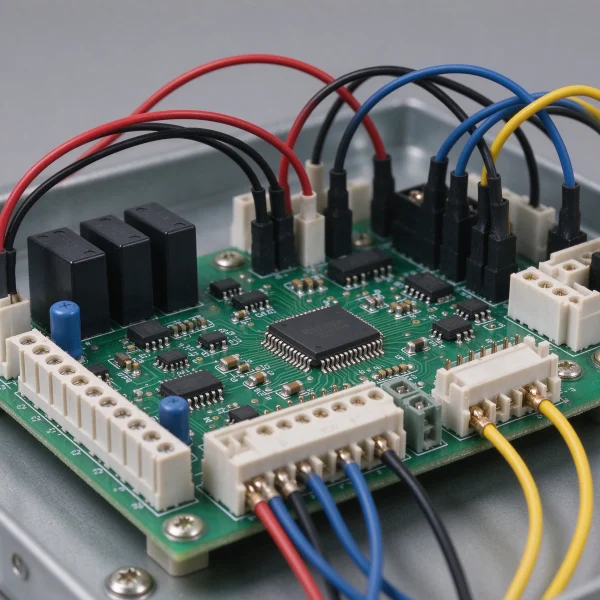
Here is a rough cost breakdown for a DIY build using new parts:
| Component | Typical Cost (USD) | What You Get |
|---|---|---|
| Cabinet and frame | $1,200 – $3,000 | Enclosure, glass, locking door |
| Vending mechanism | $700 – $1,800 | Coil, drawer, or lift system |
| Controller board | $300 – $800 | Motor, sensor, and payment control |
| Payment reader | $400 – $700 | Card and mobile payments |
| Software and setup | $500 – $1,500 | Inventory tools, monitoring, initial configuration |
Where DIY Makes Sense and Where It Doesn’t
If you plan to place one unit in a university library, a gym, or a barbershop, DIY can be a smart move. You control the design, and a low volume of sales gives you time to work out the bugs.
Before you commit, read the vending machine business guide to see whether your location justifies a machine. Spoiler: location matters more than the equipment.
At a busy transit hub or a 24-hour gas station, though, reliability is the whole business. Every hour of downtime is lost sales and bad word of mouth. A manufactured machine with remote diagnostics earns back its higher price pretty fast.
Cost Breakdown by Build Route
Here’s how the three main routes compare in 2026. The list doesn’t include location fit-out, which can add another $1,000 or more if you need electrical work.
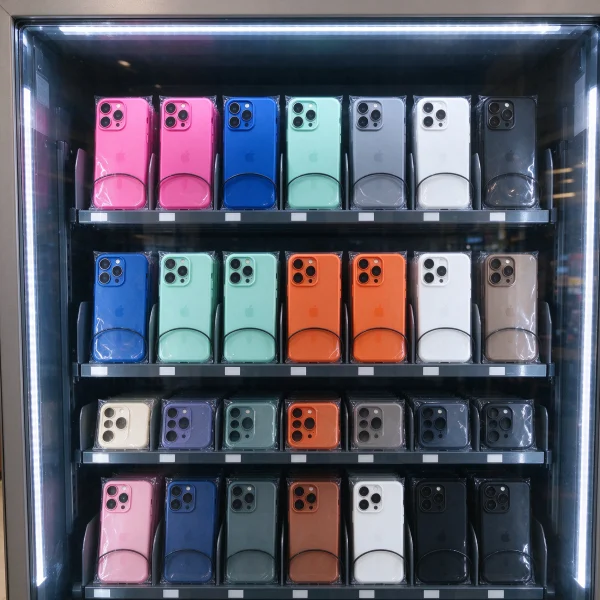
| Build Route | Estimated Investment | Build Time | Best For |
|---|---|---|---|
| DIY from scratch | $4,000 – $9,000 | 2 – 4 months | Single units, custom look, hands-on owners |
| Remanufactured cabinet, new internals | $3,500 – $7,500 | 3 – 6 weeks | Experienced tinkerers on a tighter budget |
| Commercial unit from a manufacturer | $7,000 – $18,000 | Plug-and-play after delivery | Business owners who need uptime and support |
Step-by-Step: How to Build One Yourself
If you’re set on building your own, here’s a proven sequence. It won’t cover every wiring detail, but it stops you from buying parts in the wrong order.
If you haven’t seen how these machines work in real locations, read what a phone case vending machine does before you buy anything. Then follow this sequence.
- Define your case capacity. Most phone case vending machines hold 50 to 120 cases. That determines cabinet size and coil count.
- Source the cabinet. Used kiosks and old soda machine bodies can work if you cut shelves to fit. Measure case dimensions before you cut anything.
- Pick a controller and payment reader together. They have to support the same protocol, usually MDB or a proprietary interface. Check compatibility before you order.
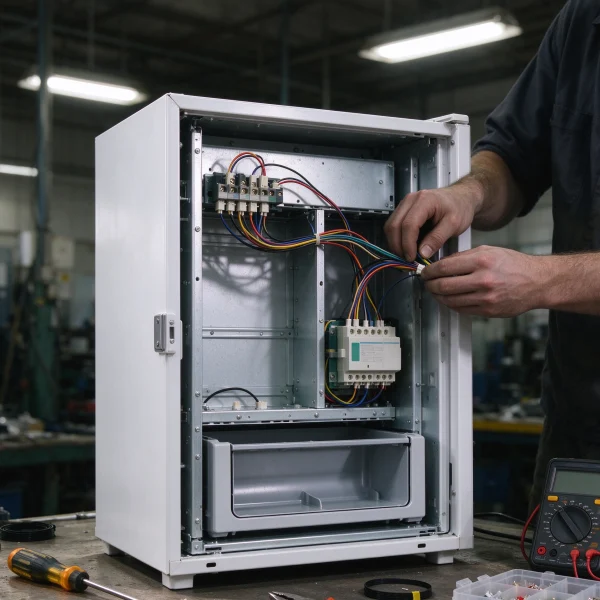
- Wire and configure the software. You’ll map each coil or drawer to a product image, price, and inventory count.
- Set up remote monitoring. A basic dashboard costs around $30 per month and saves you from driving out for small issues.
- Test at least 100 consecutive sales. Include jam scenarios, card declines, and refunds. A machine that only sells 49 out of 50 is not ready.
Once those steps are done, you will still need to create product images, set prices, and load the machine. Plan a full day for that alone.
Common Mistakes That Kill DIY Vending Projects
I see the same failures over and over in hobbyist forums. Skip these and you’ll be ahead of most first-timers.
- Ignoring power and network needs. Some malls and outdoor spots don’t have convenient outlets or Wi-Fi. Confirm those before you build around them.
- Using a payment reader without PCI approval. Many processors won’t let you go live without one.
- Forgetting secure mounting. A heavy machine can still be moved by thieves. Anchor it.
- Stocking cases in the wrong order. Phone case sizes vary, and a thick rugged case may not fit a coil that holds a slim case.
The good news is that all of these are avoidable if you plan before you buy parts.
When You Should Buy Instead of Build
If you’ve priced everything out and the savings still look real, go ahead and build. But if your plan involves more than one machine, or you need a warranty and remote support, a commercial unit usually wins.
Companies like VendingCore have spent years refining phone case vending hardware, and they hold international certifications that cover safety and usability. They also offer custom cabinets, branding, and software. That’s the track record you’re buying when you choose a ready-made unit over your own build.
If you want a better look at the ready-made market, VendingCore’s phone case vending machine for sale guide walks through pricing and supplier checks.
So Can You Build It?
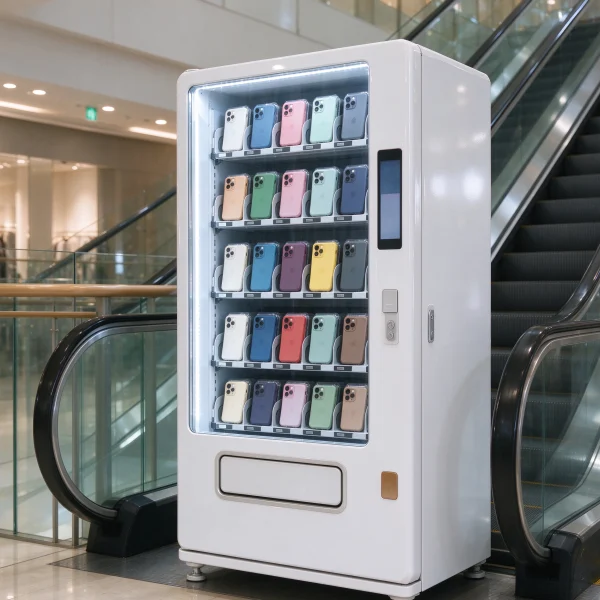
So can you make your own phone case vending machine? Yes, with a budget, a bench, and a few months of patience. Just don’t skip real-world testing, and be honest about whether you’d rather spend your time building or running a business.
FAQ
What is the cheapest way to build a phone case vending machine?
The cheapest path is a used cabinet with a new controller and payment reader. You can find an older snack kiosk for $500 to $1,000, then add a vending controller, coils, and a card reader for another $1,200 or so. The final price depends on how much you can rewire yourself. New glass, locks, and paint push the total up quickly.
What tools and skills do I need to build one?
You need basic metalworking, wiring, and a bit of software configuration. A drill, multimeter, crimping tools, and a soldering iron cover most of the work. On the software side, you’ll use a product dashboard to assign prices and inventory. If you’ve installed a smart doorbell or built a PC, you have the basic skill level.
Can I use a regular snack vending machine to sell phone cases?
Yes, with caveats. Standard spiral coils can hold some slim phone cases, but thicker rugged cases get stuck. You will need to adjust coil width and spacing, and test every slot. If you want to sell snacks alongside cases later, a drink and snack vending machine might be a better base. Just remember that mixing product types increases jam risk.
Is it legal to install a self-built vending machine?
In most places, yes, as long as the machine meets electrical safety rules and your location allows it. Some malls and office buildings require certification or proof of liability insurance. Be sure to check local code for plugging into standard outlets, and keep documentation for every major part. Payment processing also has its own rules around secure card readers.
How much can a DIY phone case vending machine earn?
It depends heavily on foot traffic and case pricing. A machine in a busy mall might sell a few cases per day; a machine in a low-traffic gym might sell a few per week. At $20 to $40 per case, even two sales a day can bring in $1,200 to $2,400 per month. Payback on a $7,000 build is often six to twelve months.
Where can I get a ready-made phone case vending machine?
Start with the phone case vending machine for sale guide, which breaks down pricing, supplier checks, and delivery questions. If you want a custom size, branding, or special locking system, ask manufacturers about customization. VendingCore works with operators on those details and can share certification documents before you order.
A machine that works 99.9% of the time is worth more than a machine that costs half as much and fails on a busy Saturday. Build your own if you enjoy the process, but measure downtime in dollars, not excuses. The builders who succeed treat the machine as a product, not a one-time project. They maintain a spare parts box, keep a firmware update routine, and test after every change. If you can commit to that, DIY will treat you well. If you can’t, buy a machine with a support contract.