Home / Vending Machine Business / Vending Machine ROI Calculator: Real Numbers for 2026 Operators

Vending Machine ROI Calculator: Real Numbers for 2026 Operators

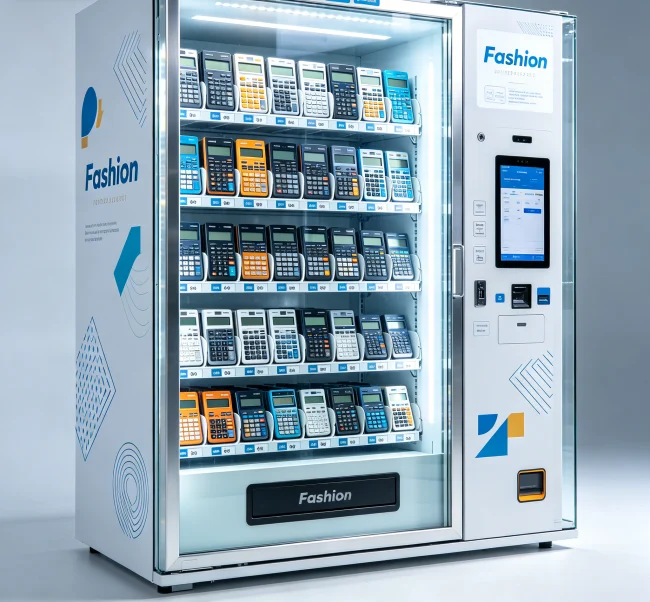
A solid vending machine ROI calculator shows most operators hit a 15-25% monthly return, with top earners pulling in $1,000+ per machine. You’d typically park these machines in high-traffic spots like office break rooms, college dorms, or hospital lobbies, where people grab snacks or drinks on autopilot. The model is dead simple—stock it, collect cash, repeat—but the real magic happens when you crunch the numbers right upfront.
vending machine ROI calculator

💡 Quick Reality Check: Don’t fall for the “set it and forget it” hype. A vending machine is a small business, not a passive income miracle. You still need to restock, maintain, and scout locations.

What Goes Into a Real ROI Calculation?

Look, anyone can throw numbers into a spreadsheet. But the difference between a realistic ROI and a fantasy one comes down to the details you include. Here’s what you absolutely need to factor in.

The obvious stuff:

  • Machine cost (new vs. used varies wildly, from $2,000 to $10,000+)
  • Product inventory for your first fill
  • Location fees or commission splits (some spots demand 10-20% of sales)
  • The less obvious stuff (where most people mess up):

  • Credit card processing fees—2-4% per transaction, and most sales today are card-based
  • Regular maintenance and unexpected repairs
  • Route planning if you’ve got multiple machines spread across town
  • Spoilage or expired products (yes, even snacks go bad)
  • Here’s a quick breakdown of what realistic numbers look like for a single machine in 2026:

    Cost Category Estimated Amount Notes
    Machine (used, refurbished) $2,500 – $4,000 Depends on brand, age, and features
    Initial inventory $500 – $1,000 Enough to fill it up properly
    Location setup fee $0 – $500 Some spots charge, others don’t
    Payment system install $200 – $600 For card readers and telemetry

    And here’s the monthly side of things:

    Monthly Item Amount Why It Matters
    Average sales revenue $800 – $1,200 Depends heavily on foot traffic
    Cost of goods sold $300 – $500 Roughly 35-40% of revenue
    Location commission $80 – $240 Usually 10-20% of gross sales
    Fees (processing, etc.) $30 – $60 Credit card + telemetry costs

    💡 Key Tip for Accuracy: When you build your own vending machine ROI calculator, always overestimate costs and underestimate revenue by 15%. It’s better to be pleasantly surprised than painfully disappointed.

    The Hidden Variable: Location Quality
    The Hidden Variable: Location Quality

    You can have the flashiest machine with the best products, but if it’s sitting in a dead zone, your ROI will tank. Location is the single biggest factor—probably 70% of your success.

    Here’s what separates a great location from a mediocre one:

  • Foot traffic volume – Not just people passing by, but people who are stuck waiting (think laundromats, car washes, repair shops)
  • Dwell time – The longer someone hangs around, the more likely they’ll buy
  • Competition – If there are three vending machines in the same building, margins shrink fast
  • Accessibility – 24/7 access matters more than you think
  • I’ve seen machines in a small auto shop pull $300 a month while identical ones in a busy hospital atrium do $1,800. Same machine, same products, completely different neighborhood.

    💡 What to Watch Out For: Never sign a long-term location contract (like 3 years) for a first machine. Start with month-to-month or a 6-month trial. If sales flop, you want the freedom to move.

    How Long Until You Break Even?
    How Long Until You Break Even?

    Most people want a straight answer, so here it is: with a decent location and a used machine, you’re looking at 12-18 months to break even. For new, high-end machines with fancy screens and card readers, expect 18-24 months.

    But here’s the thing—your payback period isn’t the whole story. A machine that takes 18 months to pay off but then generates $500/month in pure profit for the next 5 years is a fantastic investment. Meanwhile, a cheap machine that pays off in 6 months but breaks down constantly might end up costing you more in the long run.

    If you’re serious about getting into this, platforms like VendingCore can help you model out different scenarios. They’ve got tools and data that take the guesswork out of the numbers, so you’re not just shooting in the dark.

    Common Mistakes That Kill ROI
    Common Mistakes That Kill ROI

    Let me save you some headaches. These are the mistakes I see new operators make all the time:

  • Ignoring cashless payments – If your machine only takes coins and bills in 2026, you’re leaving 60-70% of sales on the table. Period.
  • Buying new machines first – Start with refurbished or used equipment. Let someone else eat the depreciation.
  • Overstocking fancy products – Stick to basics (chips, candy, soda) until you know your location’s preferences.
  • Forgetting about taxes – Vending machine income is taxable. Set aside 20-30% of your profit from day one.
  • Not tracking everything – If you’re not logging sales, expenses, and maintenance, you can’t calculate real ROI.
  • How to Build Your Own Simple ROI Calculator

    You don’t need fancy software. A spreadsheet works fine. Here’s the formula:

    Monthly Profit = (Monthly Sales × (1 – COGS%)) – Location Commission – Operating Costs

    Then:

    ROI (%) = (Monthly Profit × 12) / Total Initial Investment × 100

    Let’s plug in some real numbers from earlier:

  • Monthly sales: $1,000
  • COGS: 40% ($400)
  • Location commission: 15% ($150)
  • Operating costs: $50
  • Monthly profit: $1,000 – $400 – $150 – $50 = $400
  • Annual profit: $4,800
  • Initial investment: $4,000 (machine + inventory + setup)
  • ROI: ($4,800 / $4,000) × 100 = 120% annual ROI
  • That’s a solid return. But remember—this assumes everything goes smoothly. Real life usually throws in a few curveballs.

    💡 Practical Advice: Run this calculation for three different scenarios—optimistic, realistic, and pessimistic. If the pessimistic scenario still shows a positive ROI, you’re probably in good shape.

    Want to dive deeper into specific profit numbers? Check out how much vending machines make per month for real data from actual operators. It’ll give you a much better sense of what’s achievable.

    And if you’re still wondering are vending machines profitable in 2026, the short answer is yes—but only if you do the math first and pick your spots carefully.
    Frequently Asked Questions (FAQ)

    A

    Most operators see a 15-25% monthly return on their investment, which translates to roughly 100-200% annually. But this varies massively based on location, product pricing, and how well you manage costs. A bad location can easily turn that into a loss.

    A

    You can start with $3,000-$5,000 for a single used machine, initial inventory, and basic setup. If you’re buying new, expect $7,000-$12,000 per machine. The lower your startup cost, the faster your ROI kicks in.

    A

    Most machines start generating positive cash flow within the first 1-2 months. But breaking even on your initial investment usually takes 12-18 months. After that, you’re running on pure profit (minus ongoing costs).

    A

    Yes, in most places. You’ll typically need a general business license plus a sales tax permit. Some cities also require specific vending machine permits. Check with your local city hall—it’s usually straightforward but don’t skip it.

    A

    Soda and water have the highest margins (60-80%), followed by candy and chips (40-60%). Healthy snacks are growing in popularity but often have lower margins. The key is matching products to your location’s demographics.

    A

    Absolutely. Many operators start with 1-3 machines while working a day job. You’ll spend maybe 2-4 hours per week per machine on restocking and maintenance. It’s one of the most flexible side businesses out there.

    A

    Not doing proper location research. People buy a machine, stick it somewhere random, and wonder why it’s not making money. The other big one is ignoring cashless payments—you’ll lose over half your potential sales.

    Most people approach vending machines backwards. They buy the equipment first and look for a location second. Smart operators do the opposite—they secure a high-traffic location with proven foot traffic data, then buy the machine that fits that spot. That one shift in strategy can double your ROI in the first year. Also, don’t underestimate the power of telemetry. Real-time sales data lets you adjust pricing and inventory on the fly, which is what separates hobbyists from serious operators.

    Marcus Chen
    Vending Industry Analyst & Founder of Vending Insights

    Ready to Start Your Project?

    Contact us for professional advice and customized solutions

    Contact Now

    Asher

    Technical expert in smart vending solutions and IoT-enabled retail automation. Providing in-depth reviews and comparisons to guide businesses toward the best technology choices.

    Leave a Comment

    Your email address will not be published. Required fields are marked *

    Table of Contents
    0%
    VendingCore
    Privacy Overview

    This website uses cookies so that we can provide you with the best user experience possible. Cookie information is stored in your browser and performs functions such as recognising you when you return to our website and helping our team to understand which sections of the website you find most interesting and useful.