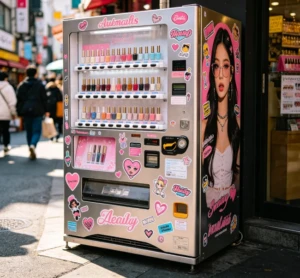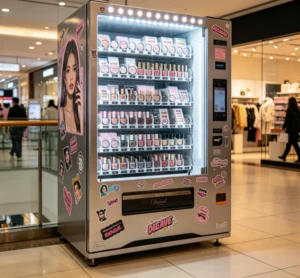
Most of the nail vending machines I’ve seen in Tokyo cluster in three places: Shibuya, Shinjuku, and Harajuku. You’ll find one near the 109 building entrance on Center-gai, another in the underground mall that connects Shinjuku Station to Marui, and a couple on Takeshita Street’s side alleys. Some sit inside game arcades or 24-hour electronics stores, away from the main foot traffic.
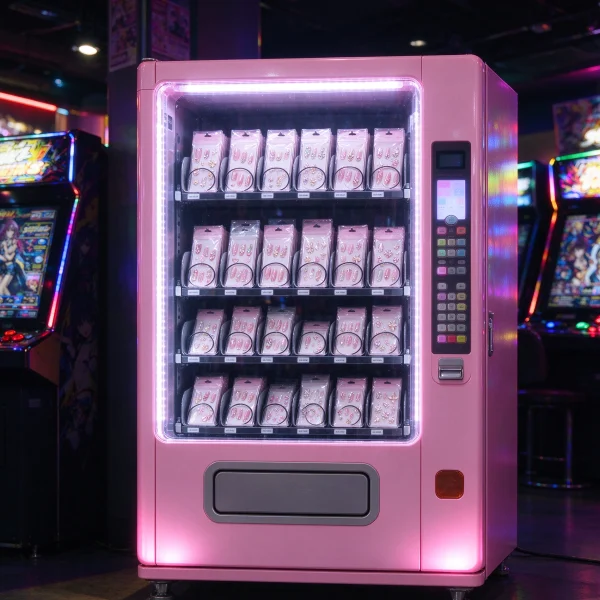
The exact locations change more often than you’d think. A machine that was on a blog list from last year may be gone, moved to a station kiosk, or replaced by a drink machine. The most reliable way to find one is to search Japanese Instagram or Twitter for recent photos; owners often post when a new design drops.
How the machines work
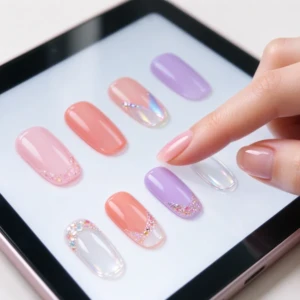
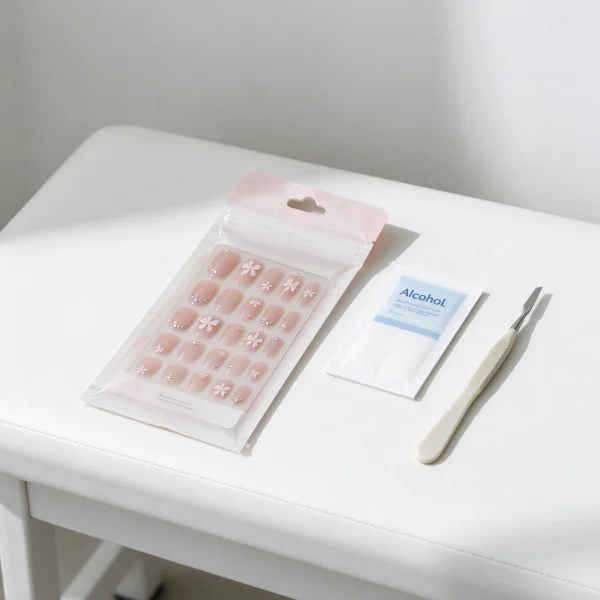
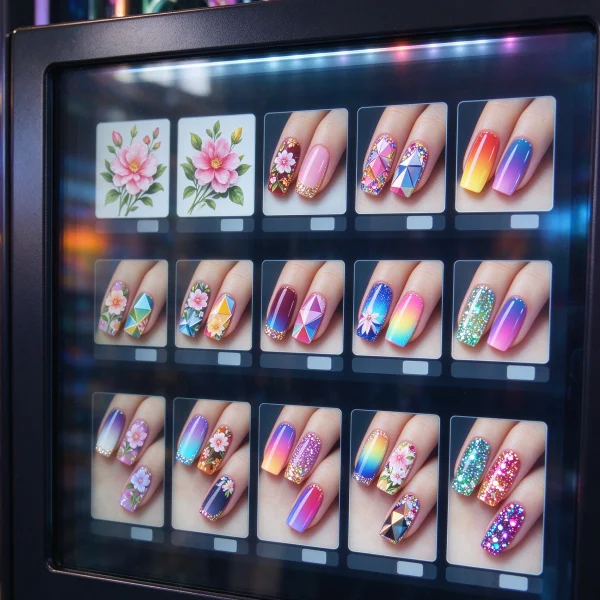
The basic flow takes under a minute. You tap the touchscreen, pick a design from maybe 60 to 80 options, pay with coins, a 1,000-yen note, or Suica, and the machine drops a box about the size of a paperback. Inside you get a sheet of nail stickers sized for different nail beds, a small alcohol wipe, and a cuticle stick. You can apply them wherever you happen to be standing, though doing it right there on the street usually ends poorly.
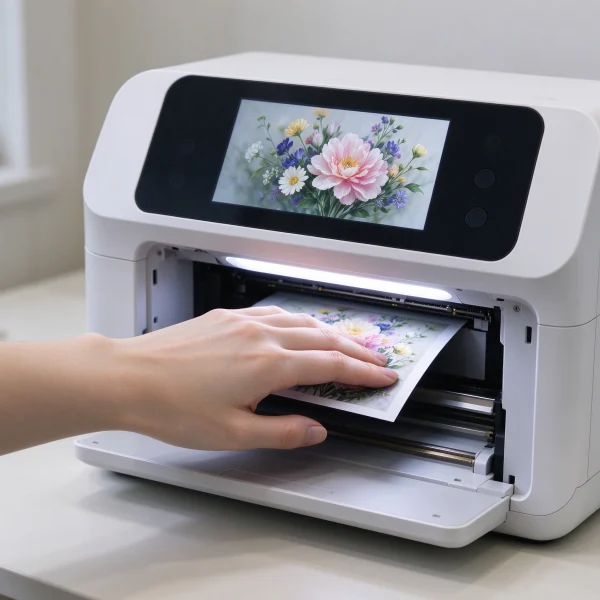
Custom printing machines work differently. Instead of pulling stickers from a preloaded stock, the unit scans your hand, lets you choose a pattern or upload a photo, and prints directly onto your nails with UV-cured gel. That takes five to ten minutes per hand, so you’ll usually find these in stores or mall corners where people can sit down. They cost more too.
Price and design options
Prices stay simple. A standard sticker set runs ¥500, and a more complex design with rhinestones goes for ¥800 to ¥1,000. Custom print stations charge ¥1,200 to ¥1,500 for both hands. Compare that with a salon, where a basic gel manicure sets you back ¥3,000 to ¥5,000 before toppings, and you can see the appeal.
| Type | Price | Time | Customization | Best for |
|---|---|---|---|---|
| Nail sticker vending | ¥500-¥1,000 | Under 1 minute | Pre-designed patterns | On-the-go touch-ups |
| Custom nail printing | ¥1,200-¥1,500 | 5-10 minutes per hand | Photo upload or template | Events and photo shoots |
| Salon gel manicure | ¥3,000-¥7,000 | 30-60 minutes | Full nail art control | Special occasions |
Obviously the salon wins for durability and design control. But if you’re grabbing dinner in Shinjuku and your polish chipped, a ¥500 sticker set from an unstaffed kiosk does the job without breaking your night.
Should you buy one for your business?
I get asked this a lot by people visiting Tokyo and wondering if the concept works back home or as a side hustle in Japan. The answer is yes with conditions. The machines take up less than one square meter, need no staff, and the sticker refills are light enough that one person can service several units in a day. But the margins depend heavily on location, foot traffic, and restock frequency.
If you’re thinking about bringing this format into your own space, start with a used or refurbished unit rather than a new one. A reliable machine with a proven track record matters more than fancy software. Companies like VendingCore, which builds custom vending machines with international certifications, can point you toward configurations that won’t jam or lose payments. It’s the kind of reliability that keeps a small operation from turning into a headache. Check the 2026 vending machine buyers guide for used unit cost breakdowns.
Running your own unit isn’t passive income. You still have to restock stickers, wipe the screen, empty the coin box, and move the machine if foot traffic shifts. The same seasonal thinking that drives phone case printing vending machine profits applies here: spring graduations and winter holiday parties boost demand, so time your launches around seasonal demand patterns.
A custom nail printing attachment adds real profit potential, but it brings the same maintenance demands you’ll see with UV phone case printing machines.
Tips before you use one for the first time
Before you drop in your first ¥500, a few small things help.
- Check the design preview for sizing information. Some stickers are cut for short nails, others for long, and the wrong pick will look like a decal on a door.
- Watch your finger placement. If the machine’s photo scan is off, the print will land crooked, especially on custom units.
- Bring hand cream. Dry skin makes stickers peel faster, and Tokyo winters are brutal on nails.
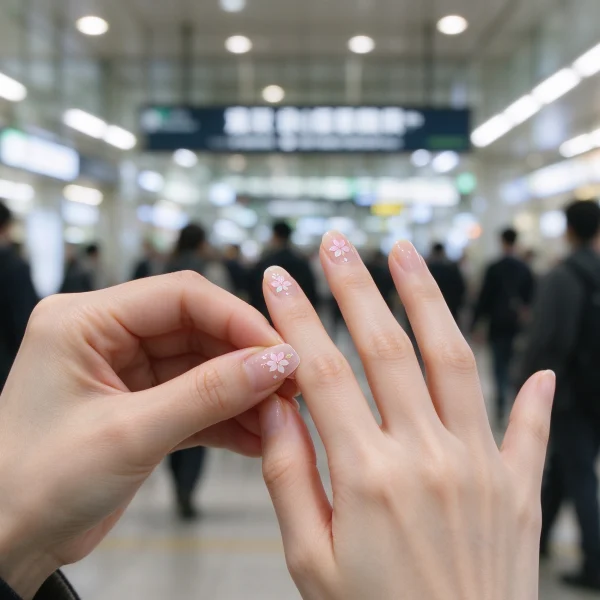
Wash your hands before you peel. Oily residue from train handles will lift the sticker edge within hours.
Final thoughts
Tokyo turned a simple transaction into something playful. A ¥500 sticker set doesn’t replace a manicure, but it does what vending machines do best: it gives you a small pleasure at the exact moment you want it. If you’re planning a trip, track down a machine in Shibuya or Shinjuku and try it once. And if you’re thinking about the business side, start with location math and used equipment, then build from there.
FAQ
How many nail vending machines are there in Tokyo?
No official count exists, and the number seems to change every season. The machines cluster mainly around Shibuya, Shinjuku, and Harajuku, with a few inside station arcades. Because units get moved or removed often, any list gets outdated within months. Search Japanese social media for recent uploads if you need to find one today.
Can I use a credit card at a nail vending machine in Tokyo?
Most older sticker machines accept coins, 1,000-yen bills, Suica, and PASMO. Credit cards show up on newer custom print units, but they’re still the exception. Carry cash as a backup. If you’re traveling from overseas, a Suica card is the easiest way to pay, since you can load one at any ticket machine in the station.
How long do nail stickers from a vending machine actually last?
Realistically, three to five days with normal hand washing, or about a week if you’re careful. They’re not gel and they don’t harden under a UV light, so they’ll peel sooner than a salon manicure. To extend the life, apply them to clean, dry nails and press down around the edges. That’s about the ceiling for even the good designs.
Are nail vending machines cheaper than a Tokyo salon?
Yes. A sticker set costs ¥500, while custom print runs ¥1,200 to ¥1,500. A basic salon gel manicure starts around ¥3,000 and can climb past ¥7,000 with nail art. The vending option is a fraction of the cost, but you trade durability and the human touch. For a quick refresh, vending makes sense; for a wedding or date night, a salon is safer.
Can a foreigner buy nail stickers from these machines?
Yes. The interface on most machines has a Japanese/English language toggle, and payment is straightforward. Even if you can’t read the screen, the design previews are visual. Choose the design, pay by Suica or cash, and the machine drops your pack. No registration or phone number is required.
How much does a Nail Vending Machine Tokyo unit cost to buy?
A used sticker unit runs from $2,000 to $5,000, while a new custom print machine with a UV printer can cost $12,000 to $20,000. On top of that, you’ll pay for installation, signage, and restocking. The machine itself is only half the cost; the skill is picking a location and keeping the design menu fresh.
Tokyo’s vending machine culture thrives because the machines solve a real timing problem. People commute, they don’t have time for appointments, and they want a small visible upgrade for less than the price of lunch. The nail sticker unit works in that gap. For operators, the mistake is treating it like a normal vending machine. Drink refill cycles matter less than design freshness here. A machine that looks stale stops earning within weeks, so successful owners change the menu monthly and test new patterns in the same locations before scaling.