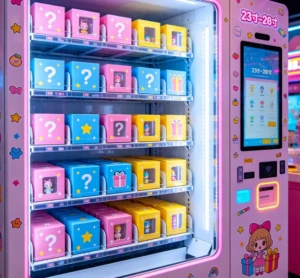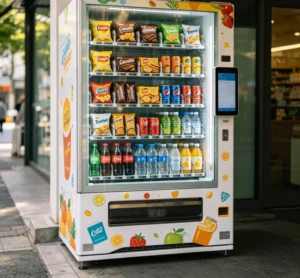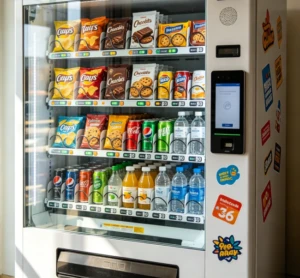
Are toy vending machines profitable? Yes, but the average profit margin sits between 40-70%, and a well-placed machine can generate $100 to $500 per month in revenue. This isn’t a “set it and forget it” goldmine, but for operators who nail the location and product mix, it’s a surprisingly solid side hustle.
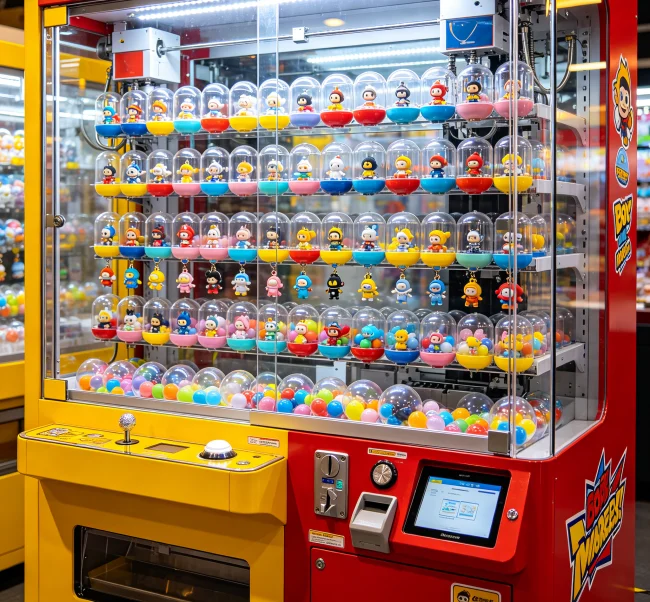
I’ve seen people jump into this thinking they’ll be rich by next Tuesday. They’re wrong. But I’ve also seen folks with five machines quietly pulling in an extra $2,000 a month while they sleep. The difference? It’s not luck. It’s understanding the math, the psychology, and the absolute nightmare that is bad placement.
Let’s break down the real numbers, the common mistakes, and exactly how you can make this work without losing your shirt.
The Real Cost of Getting Started
Before you dream about counting coins, you need to understand what you’re actually buying. A new toy vending machine can cost anywhere from $500 to $2,500. Used ones? You can find them for $200 to $800 on Facebook Marketplace or Craigslist, but be careful — a “bargain” machine might need constant repairs.
Here’s a realistic startup budget for your first machine:
| Item | Cost Range | Notes |
|---|---|---|
| Machine (new) | $800 – $2,500 | Price depends on size, brand, and features |
| Machine (used) | $200 – $800 | Inspect thoroughly before buying |
| Initial inventory | $100 – $300 | Start with 50-100 capsules or toys |
| Location commission | $0 – $200/month | Some locations charge rent or a percentage |
| Transport & setup | $50 – $150 | Moving a machine isn’t free |
| Miscellaneous (signs, locks, etc.) | $30 – $80 | Don’t forget the little stuff |
So you’re looking at roughly $500 to $3,500 to get your first machine operational. That’s less than a decent used car, which makes it accessible. But here’s the thing — that’s just the entry fee. The real work starts after you own the machine.
Where the Money Actually Comes From
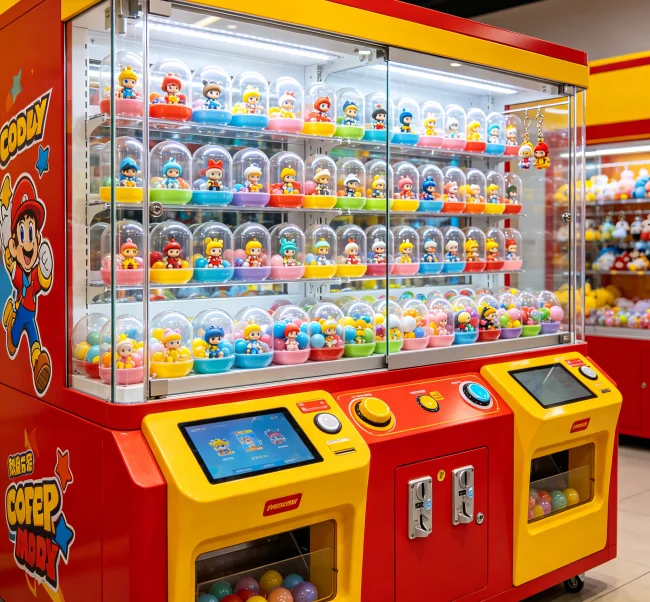
Let’s talk about the profit mechanics. A typical toy capsule vends for $0.50 to $2.00. The toy inside costs you $0.10 to $0.50 if you buy in bulk. That’s a 75-90% gross margin on the product itself. Sounds amazing, right?
But you don’t get to keep all of that. You’ve got:
A realistic scenario: You put a machine in a busy pizza place. It does $300 in sales per month. The location takes 15% ($45). Your toys cost about $75. That leaves you with $180. Subtract $20 for maintenance (averaged over time) and you’re at $160 net profit per month. Not bad for a machine you check once a week.
But here’s the kicker — that same machine in a quiet laundromat might only do $80 a month. Same machine, same toys, completely different outcome. Location isn’t just important. It’s everything.
💡 Critical Info: Never buy a machine before securing a location. Find the spot first, then buy the machine that fits. This simple rule saves hundreds of people from owning expensive paperweights.
The Best (and Worst) Locations for Toy Machines
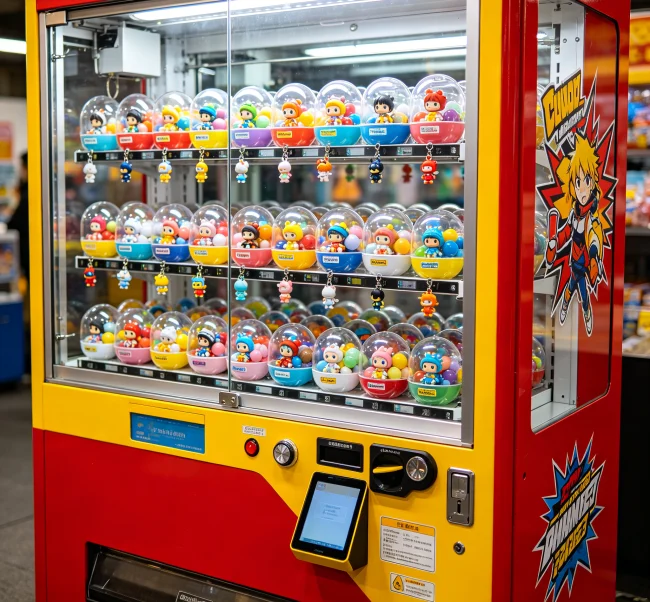
Not all foot traffic is created equal. Toy vending machines thrive where kids are bored, waiting, or celebrating. Think about it — when does a child most want a cheap plastic toy? When they’re stuck somewhere with nothing else to do.
Gold-tier locations:
Silver-tier locations:
Avoid these like the plague:
I once put a machine in a busy downtown office building. Smart, right? Lots of people. Except those people were adults in suits who had zero interest in a $0.75 capsule toy. It made $12 in its first month. I moved it to a pediatric dentist’s office and it did $180 the next month. Same machine. Same toys. Different audience.
How Many Machines Do You Actually Need?
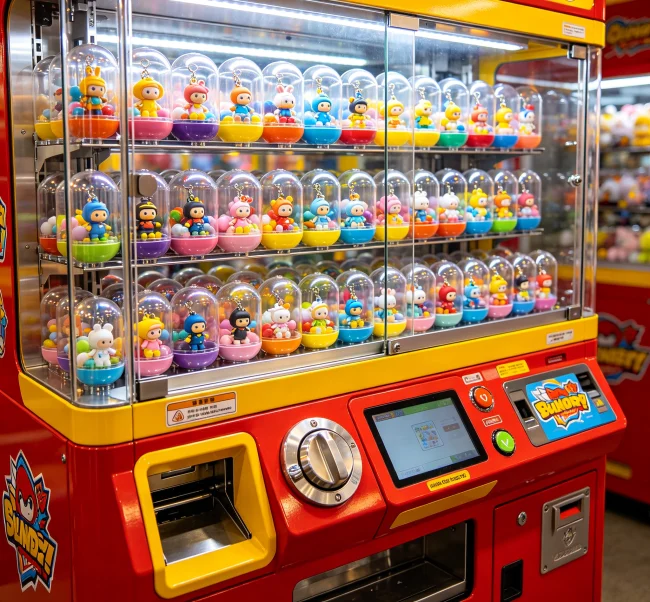
This is where most people get the math wrong. They think one machine will make them rich. It won’t. But ten machines? Now we’re talking.
Let’s look at the numbers:
| Number of Machines | Average Monthly Profit (Per Machine) | Total Monthly Profit | Time Investment (Per Week) |
|---|---|---|---|
| 1 | $100 – $200 | $100 – $200 | 1-2 hours |
| 5 | $100 – $200 | $500 – $1,000 | 3-5 hours |
| 10 | $100 – $200 | $1,000 – $2,000 | 5-10 hours |
| 20 | $100 – $200 | $2,000 – $4,000 | 10-15 hours |
Notice something? The time investment doesn’t scale linearly. Once you have a route planned efficiently, servicing 20 machines might only take twice as long as servicing 5. That’s the magic of scaling.
For context, if you’re aiming for a full-time income of $5,000 per month, you’d need roughly 25-50 machines depending on location quality. That’s a serious operation, not a hobby. But it’s absolutely achievable with consistent effort over 12-18 months.
For more on scaling your vending business, check out our guide on how many machines you need to make $100k.
The Hidden Risks Nobody Talks About
Let me be real with you. Everyone online talks about the success stories. Nobody talks about the machine that got vandalized on a Saturday night. Or the location that closed without telling you. Or the toy that got recalled because of a choking hazard.
Here are the risks you absolutely need to plan for:
Vandalism and theft: Machines get kicked, pried open, and sometimes stolen. I’ve heard stories of machines being dragged out of a location at 3 AM. Insurance can help, but it’s another expense.
Location turnover: Businesses close, move, or change management. Your perfect location today might be gone tomorrow. Always have a backup list of potential spots.
Product fatigue: Kids get bored. That hot toy everyone wanted last month is old news now. You need to rotate your inventory regularly to keep interest high.
Regulation changes: Some cities are cracking down on unattended retail. Check your local laws before investing heavily.
Cash management: You’re dealing with coins and small bills. Counting, rolling, and depositing cash is tedious. And if your machine takes credit cards, you’re paying transaction fees.
None of these are deal-breakers. But ignoring them is how people lose money. If you want to understand which vending machine types tend to perform best overall, take a look at our data on the most profitable vending machines.
💡 Practical Advice: Start with one machine. Run it for three months. Track every dollar and every hour. If you can’t make that single machine profitable, don’t buy a second one. Master the basics before you scale.
What Products Actually Sell Best?
This is where experience beats theory every time. The “best” toy depends on your location’s demographics, but some categories consistently outperform others.
Top performers:
Avoid:
The key is variety within a theme. If you have a machine in a pizza place, rotate between bouncy balls, sticky hands, and small dinosaurs. Keep it fresh. I’ve seen machines double their revenue just by swapping out a stale product mix.
For a deeper dive into what sells best, our article on the most profitable items for vending machines has you covered.
The Math of Scaling Up
Let’s say you’ve got your first machine running smoothly. It’s making $150 a month profit. Now what?
Here’s a realistic scaling plan:
Month 1-3: Test with one machine. Learn the ropes. Fix your mistakes on a small scale.
Month 4-6: Add 2-3 more machines. You already know the process, so it’s faster.
Month 7-12: Scale to 10 machines. By now, you should have a system for location scouting, restocking, and maintenance.
Year 2: Aim for 20-30 machines. At this point, you might need to hire part-time help for restocking.
Year 3: 50+ machines. This is a real business now, not a side hustle.
Each step comes with new challenges. At 10 machines, cash management becomes annoying. At 30 machines, you need a spreadsheet or software to track everything. At 50 machines, you’re basically running a logistics company.
The good news? The profit compounds. Your first machine might take 6 months to pay for itself. Your 20th machine might pay for itself in 2 months because you’ve optimized everything.
💡 Key Takeaway: Don’t quit your day job until your vending income exceeds your expenses by at least 50%. The business looks easy from the outside, but the day-to-day grind of restocking and maintenance catches many people off guard.
A Word on Technology and Modern Machines
The old-school crank machines still work, but smart machines are changing the game. Modern toy vending machines can accept credit cards, send you restock alerts, and track sales data automatically.
Is it worth the extra cost? For a single machine, probably not. But if you’re scaling to 20+ machines, the data alone is worth it. Knowing exactly which products sell best at which locations saves you hours of guesswork.
Some newer machines even have digital screens that show animations when someone buys a toy. Kids love this stuff. Parents are more likely to say yes when the machine feels like entertainment, not just a transaction.
If you’re curious about how vending machines fit into the bigger picture of modern business, our piece on why vending machines are a good business in 2026 covers the latest trends.
So, Is It Worth It?
Toy vending machines are profitable — but only if you treat them like a business, not a lottery ticket. The people who succeed are the ones who obsess over locations, rotate their products, and keep meticulous records. The people who fail are the ones who buy a machine, plop it somewhere random, and wonder why it’s not making money.
Start small. Learn the hard lessons on a single machine. Then scale what works. It’s not glamorous, but it’s honest work that can build real passive income over time.
—