The average vending machine earns between $300 and $500 per month, with top-performing locations bringing in over $1,000. That’s the raw data, but the real question is whether that revenue justifies the headache of stocking, repairs, and finding good spots. You’re probably reading this because you’ve heard someone say it’s “easy passive income” — and you’re smart enough to be skeptical.
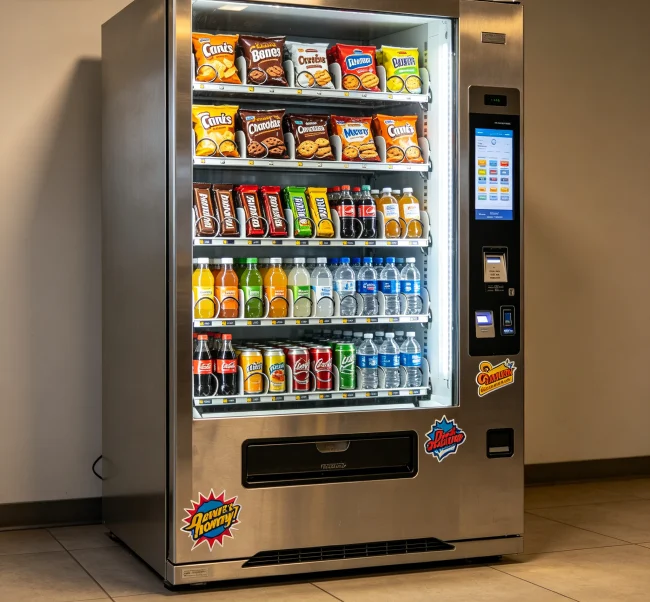
Let’s cut through the hype. This business has real upsides and some serious downsides that most articles gloss over. I’ve spent years in this industry, and I’ve seen people succeed and fail for the same reasons. Here’s what you actually need to know.
The Real Pros: Where Vending Machines Shine
Low Barrier to Entry (But Don’t Be Fooled)
You can start a vending machine business for under $5,000. A used machine might cost you $1,500–$3,000, and you can find locations that don’t charge rent. Compared to opening a coffee shop or a food truck, that’s nothing. But here’s the catch — starting cheap often means starting with older equipment that breaks down more often. That “cheap” machine might cost you more in repairs than a newer one would have upfront.
Flexibility That Most Businesses Can’t Match
You can run this business part-time while keeping your day job. Most operators spend 3–5 hours per week per machine on stocking and maintenance. You choose your own hours, your own locations, and your own products. Want to focus on healthy snacks? Go for it. Prefer soda and chips? That works too. You’re not tied to a lease or employees.
According to our data on whether vending machines still make money in 2026, the flexibility factor is one of the main reasons people stick with this business long-term. You can scale up or down based on your life situation.
Cash Flow That Actually Works
Unlike invoicing clients or waiting 30 days for payment, vending machines are a cash-and-card business. Every sale puts money directly in your pocket (or your merchant account). This immediate cash flow is a huge advantage for small business owners who need predictable income. Most machines now accept credit cards and mobile payments, which has dramatically increased sales — typically by 20–40% compared to cash-only machines.
💡 Key Tip: Don’t buy a cash-only machine in 2026. The upfront savings aren’t worth losing 20–40% of potential sales. Always invest in card-enabled or smart machines from the start.
The Real Cons: What Nobody Tells You
The “Passive Income” Myth
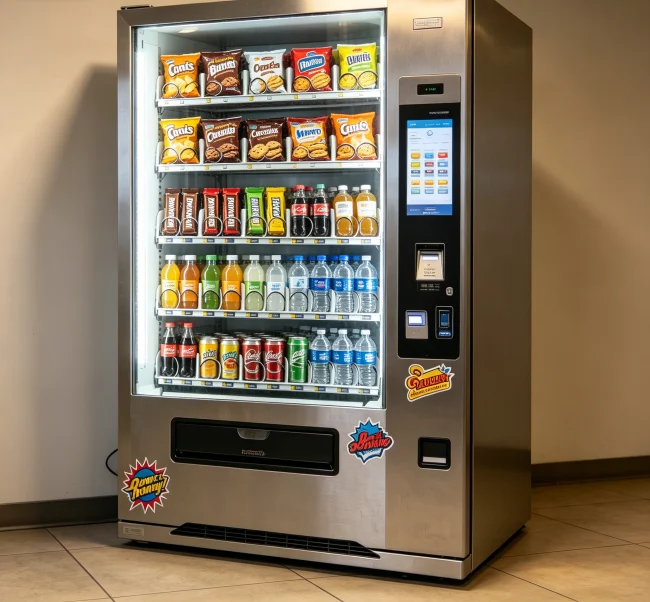
Let me be blunt: vending machines are not passive income. They’re semi-passive at best. You still need to:
One operator I know spent an entire Saturday fixing a jammed coin mechanism. That’s not passive. That’s a side hustle with occasional downtime. The people who call it “passive” are usually selling something — courses, machines, or dreams.
Location Dependency Is Brutal
Your success is 80% location and 20% everything else combined. A great machine in a bad spot will lose money. A mediocre machine in a great spot can print cash. But finding and keeping those great spots is the hardest part of this business.
Location owners can kick you out with 30 days notice. A competing operator might offer them a higher commission. The office building you relied on might go remote. This constant uncertainty is stressful, and it’s why many operators burn out within two years.
Our analysis of which vending machines are actually profitable shows that location quality is the single biggest predictor of success — more than machine type, product selection, or pricing.
Maintenance Is a Hidden Cost
New operators always underestimate maintenance. You’ll deal with:
A single refrigeration repair can cost $300–$800. If you don’t have a backup plan, you’re losing money on product spoilage and missed sales while waiting for a technician. Some operators learn basic repairs themselves, but that takes time and tools.
💡 Practical Advice: Budget 10–15% of your gross revenue for maintenance and repairs. If you’re not setting this aside, you’re one breakdown away from losing your profit margin for the month.
Inventory Management Is a Pain
You’ll learn quickly that people have unpredictable tastes. That healthy snack bar you thought would fly? It’s been sitting for three months. Meanwhile, the chips are gone in two days. Managing expiration dates, seasonal preferences, and product rotation is more complex than it sounds.
You also need to deal with:
The Financial Reality Check
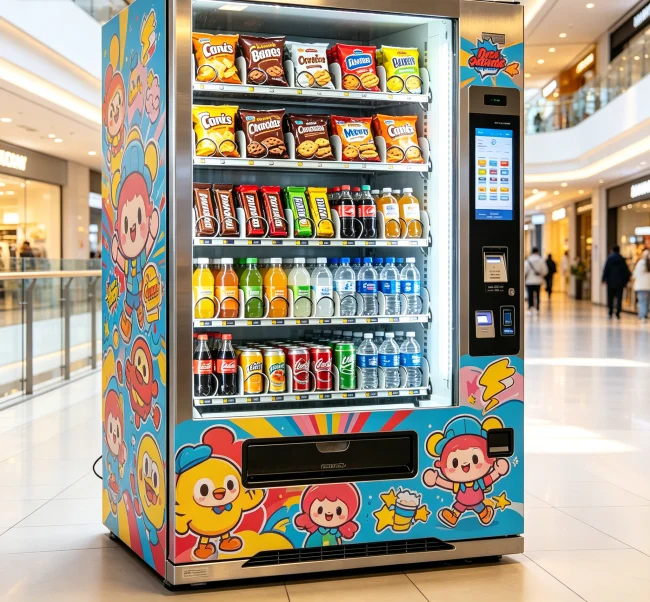
Let’s talk numbers. A single machine in a decent location might gross $400/month. After product costs (40–50%), location commission (5–15%), and maintenance savings (10%), you’re looking at $140–$200 net profit per machine per month. That’s not nothing, but it’s also not a goldmine.
To make a meaningful income, you need 10–20 machines. That means finding 10–20 good locations, managing 10–20 relationships, and maintaining 10–20 machines. The math works, but the work is real.
Our guide on the most profitable vending machine types in 2026 breaks down which machines and products give you the best return on investment.
💡 Critical Info: Don’t quit your day job until you have at least 5 machines generating consistent profit for 6+ months. The learning curve is real, and you’ll make expensive mistakes in your first year.
Who Should Actually Do This?
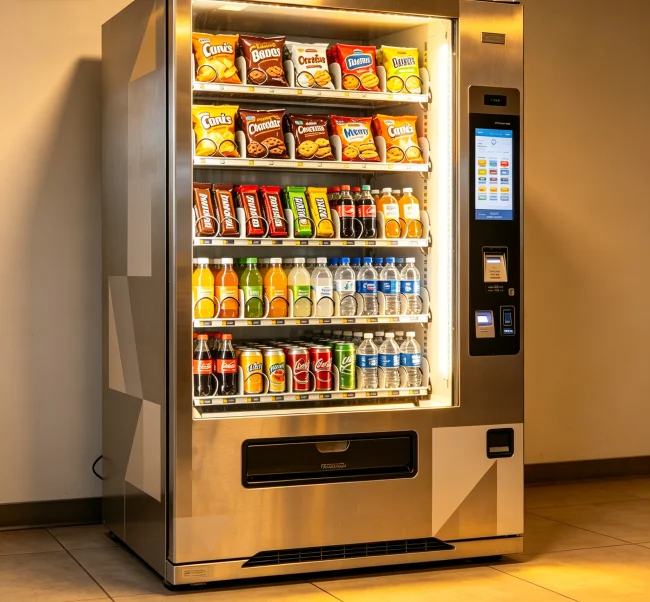
Vending machines work best for people who:
It’s NOT a good fit for people who:
What About Technology and Trends?
Smart vending machines with remote monitoring are changing the game. You can check inventory, sales data, and machine status from your phone. This reduces the time you spend driving to check machines and helps you stock more efficiently.
But smart machines cost more — typically $4,000–$8,000 new versus $1,500–$3,000 for used traditional machines. The ROI depends on whether the time savings and sales boost justify the higher upfront cost.
Cashless payments are no longer optional. If your machine doesn’t accept cards and mobile payments, you’re losing 20–40% of potential sales. Period. Most modern machines come with this built-in, but older machines need retrofitting.
💡 Important Point: If you’re serious about this business, research companies that offer reliable equipment and support. VendingCore provides modern machines with cashless payment integration and remote monitoring capabilities — exactly what you need to compete in today’s market.
The Bottom Line
Owning vending machines is a legitimate small business with real potential. It’s not a get-rich-quick scheme, and it’s not passive income. But for the right person, it offers flexibility, decent cash flow, and the ability to scale over time.
The operators who succeed are the ones who treat it like a business — not a lottery ticket. They track their numbers, maintain their equipment, build relationships with location owners, and constantly look for better spots.
If you’re willing to put in the work, the machines will pay you back. Just don’t expect them to do all the work for you.