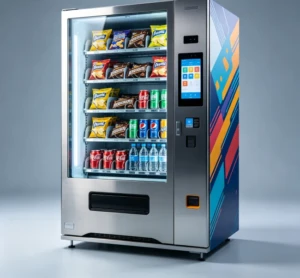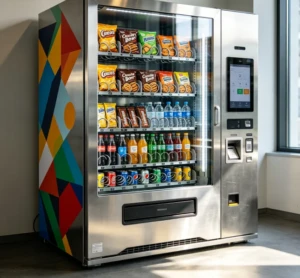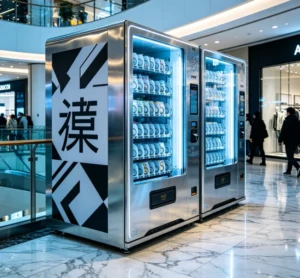
An orange juice vending machine in Singapore costs $2 for a fresh cup of cold-pressed juice, and the market is almost entirely dominated by one brand: iJooz. You’ll find these machines in over 100 locations across the island—shopping malls like AMK Hub, office buildings, and even some MRT stations. They’ve become a massive hit because they’re cheap, fast, and feel healthier than a can of soda, but there’s more to the story than just the price tag.
The $2 Orange Juice Phenomenon
Let’s be real—$2 for fresh orange juice in Singapore is almost unheard of. A bottle of cold-pressed juice at a café will set you back $6 to $8, and that’s if you’re lucky. So how do these machines pull it off?
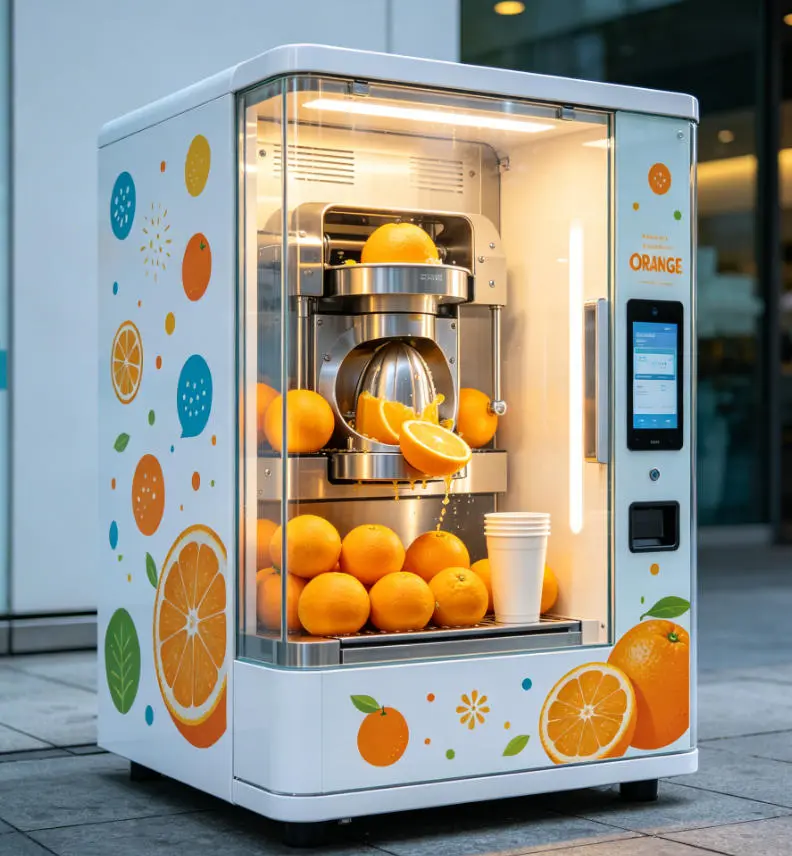
The secret is in the machine itself. iJooz uses an “AI Smart Juicer” that stores whole oranges inside and juices them on demand. No pre-squeezed juice sitting in a tank for hours. The oranges are kept cold, and the machine cleans itself between cycles. This cuts out all the labor and waste that traditional juice bars struggle with. Plus, they buy oranges in bulk—direct from farms—so their cost per orange is tiny.
But here’s the thing: not every machine tastes the same. I’ve had juice from the iJooz at NEX that was perfectly sweet, and another at a random office lobby that was a bit tart. It depends on the batch of oranges loaded that day. Most people don’t mind—it’s still better than a carton of processed juice.
💡 Practical Advice: Check the machine’s display screen before buying—it shows the number of oranges left and the last cleaning time. Avoid machines with less than 10 oranges left; the juice yield drops and you get less for your $2.
Are These Machines Actually Healthy?
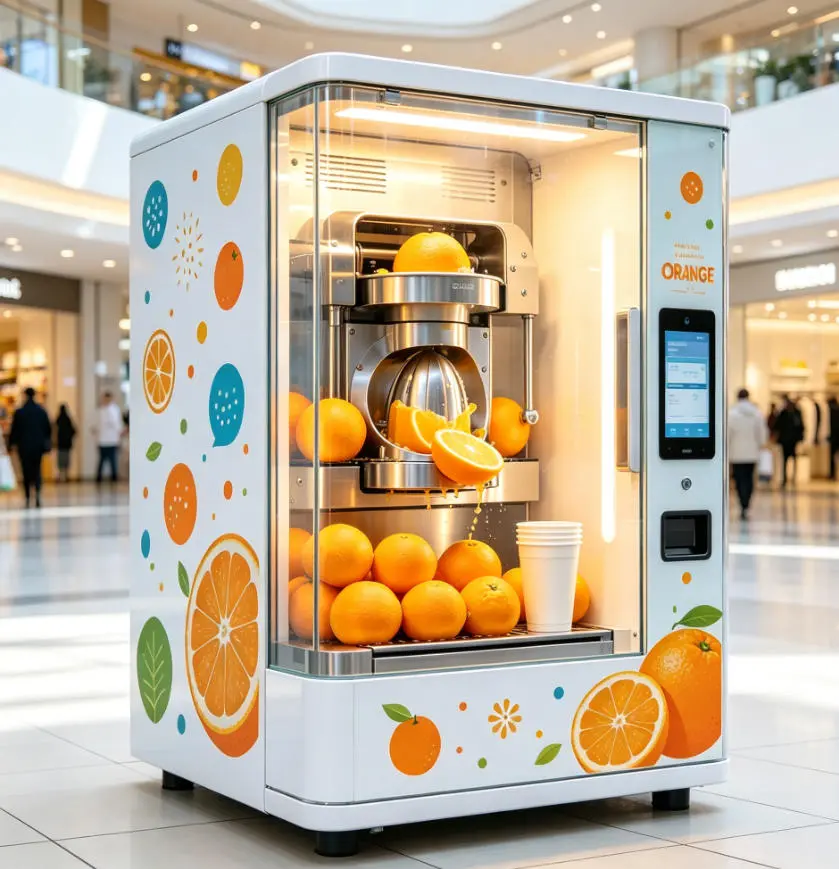
This is the million-dollar question, and the answer is… it depends. Fresh orange juice is packed with vitamin C, but it’s also loaded with natural sugar. A 250ml cup from these machines has about 20-25 grams of sugar—that’s equivalent to 5 teaspoons. The Straits Times ran an article quoting a nutritionist who pointed out that while it’s healthier than a soft drink, you shouldn’t treat it like water.
What iJooz does well is transparency. Their machines display the calorie count and sugar content right on the screen. You can see exactly what you’re getting before you tap your card. That’s more than most bubble tea shops offer.
But let’s be honest—nobody’s buying a $2 orange juice for the nutritional label. They’re buying it because it tastes good, it’s cold, and it’s convenient. If you’re diabetic or watching your sugar intake, skip the large cup and go for the small one (if the machine offers it—most only have one size).
Where to Find Orange Juice Vending Machines in Singapore
Finding one is easier than you think. iJooz has a location map on their website, but it’s not always updated. Here’s what I’ve learned from personal hunting:
- Shopping malls: AMK Hub, NEX, Junction 8, and Tampines Mall are safe bets. They usually have one near the food court or supermarket entrance.
- Office buildings: Shenton Way, Raffles Place, and Suntec City have multiple machines. They’re popular with office workers during lunch.
- MRT stations: A few stations like Bishan and Toa Payoh have them, but they’re less common. Don’t count on finding one at every stop.
- Hospitals and universities: NUH, SGH, and NUS have machines too. They’re often busiest in the morning.
The problem is that machines can run out of oranges by mid-afternoon, especially on weekends. I’ve walked up to a machine at 3 PM only to see “Sold Out” on the screen. Frustrating, right? That’s why I always go early—before 11 AM if possible.
💡 Key Takeaway: Use the iJooz app or Google Maps to check machine availability before heading out. Some machines have live stock updates, but not all. Call the mall’s customer service if you’re making a special trip.
The Hygiene Factor—What About the Licking Incident?
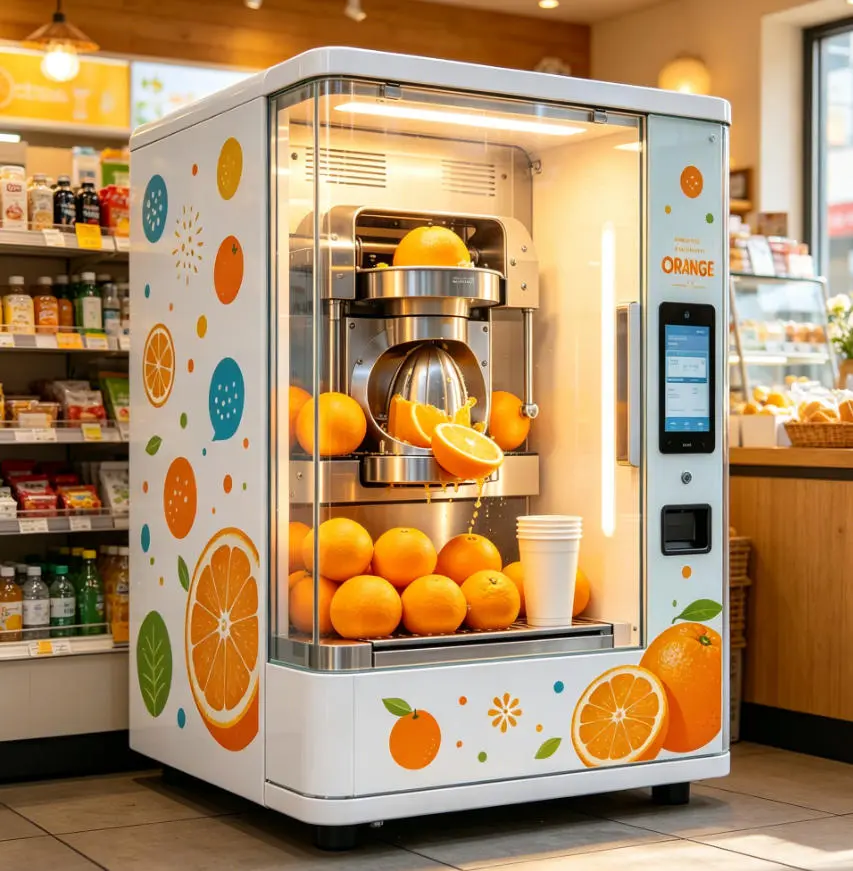
You can’t talk about orange juice vending machines in Singapore without mentioning the infamous incident. In 2024, a teenager was charged for licking the straw dispenser of an iJooz machine at a Tampines mall. The video went viral, and it sparked a lot of concern about hygiene.
Here’s what iJooz did in response: they upgraded their machines with UV sterilization for the straw dispenser and added a protective flap. Most machines now have a clear plastic cover that you have to lift before grabbing a straw. It’s not foolproof, but it’s a solid improvement.
From my experience, I’ve never had an issue. The machines look clean, the juice comes out cold, and the straws are individually wrapped (at least on the newer models). If you’re still worried, bring your own reusable straw or cup. The machine dispenses directly into your cup if you hold it under the spout.
How to Use an Orange Juice Vending Machine (First-Timer’s Guide)
If you’ve never used one, don’t worry—it’s simpler than a coffee machine. Here’s the step-by-step:
- Find the machine—look for the bright orange branding. They’re hard to miss.
- Check the screen—it shows the price ($2), the number of oranges left, and the last cleaning time.
- Tap your card or scan PayNow—the machine accepts Visa, Mastercard, and most e-wallets. No cash.
- Wait 30 seconds—the machine starts juicing. You’ll hear a whirring sound and see the oranges rolling inside.
- Grab your cup—it drops down automatically. Then take a straw from the dispenser.
- Enjoy—the juice is best drunk immediately. It oxidizes quickly and doesn’t taste great after 10 minutes.
One pro tip: shake the cup a little before drinking. The pulp settles at the bottom, and you want that mixed in.
💡 Important Point: Don’t leave your cup unattended. The machine dispenses the juice quickly, and if you walk away, someone might take it. I’ve seen it happen at a busy machine in Suntec City.
Are There Alternatives to iJooz?
iJooz is the king of the hill, but they’re not the only player. A few other brands have tried to break into the market:
- JuiceBot—A smaller competitor with machines in a few office buildings. Their juice costs $2.50 and tastes similar, but they have fewer locations.
- FreshPress—These machines focus on mixed juices (orange + carrot, apple + ginger). They’re less common and usually found in gyms.
- Generic machines—Some malls have generic juice vending machines that sell orange juice for $3. They’re older and less reliable. Avoid them.
The truth is, iJooz has the network effect. More machines mean more customers, which means fresher oranges and lower costs. It’s hard for a new competitor to compete on price and convenience.
If you’re a business owner thinking about installing a juice vending machine, you’ll want to partner with a reliable supplier. That’s where companies like VendingCore come in—they help businesses set up and manage vending machines with proper maintenance and supply chain support. It’s not just about buying a machine; it’s about keeping it stocked and clean.
The Economics of a $2 Orange Juice Machine
Ever wondered how iJooz makes money selling juice for $2? Let’s break it down:
- Cost per orange: About $0.20-$0.30 when bought in bulk from Malaysia or China.
- Cup and lid: $0.10
- Electricity and maintenance: $0.05 per cup
- Total cost: Roughly $0.40-$0.50 per cup
- Profit margin: $1.50 per cup
Sell 100 cups a day, and that machine generates $150 in profit. Put machines in 100 locations, and you’re looking at $15,000 daily revenue. Of course, this doesn’t account for rent, staff, and machine depreciation, but the margins are solid.
The challenge is volume. A machine in a busy mall might sell 200 cups a day. A machine in a quiet office lobby might sell 20. The key is location, location, location. That’s why iJooz focuses on high-traffic areas.
💡 Critical Info: If you’re considering starting a juice vending business, don’t underestimate maintenance. Oranges are perishable, and machines need daily cleaning. A poorly maintained machine will lose customers fast.
The Future of Juice Vending Machines in Singapore
The trend is clear: people want fresh, healthy, and affordable options. Juice vending machines fit perfectly into Singapore’s fast-paced lifestyle. I expect to see more machines popping up in schools, hospitals, and even HDB void decks.
Technology is improving too. Newer machines have touchscreens, loyalty programs, and even AI that predicts when to restock based on historical sales data. Some machines now accept reusable cups and offer discounts for bringing your own bottle.
But the biggest challenge remains hygiene and trust. After the licking incident, every new machine needs to prioritize cleanliness. Transparent panels, visible cleaning schedules, and tamper-proof designs will become standard.
If you’re a business exploring this space, now is a good time to get in. The market isn’t saturated yet, and there’s room for innovation. Just make sure you have a solid partner for the hardware and logistics.