The minimum investment for a coffee shop can realistically range from $15,000 for a mobile cart to over $300,000 for a full-scale franchise. That massive spread isn’t just about size—it’s about your business model, location, and how creatively you source everything from your espresso machine to your countertops. Let’s break down what you actually need to open the doors, and how to stretch your budget further than you might think.
Your first and biggest decision isn’t the coffee beans—it’s the format. This choice dictates your entire financial blueprint. Forget a one-size-fits-all number; your “minimum” is defined by the path you choose.
To make sense of it, here’s a clear comparison of the most common routes:
| Business Model | Minimum Investment Range | What’s Typically Included | Ideal For |
|---|---|---|---|
| Mobile Cart / Kiosk | $15,000 – $50,000 | Basic espresso machine, grinder, generator, cart/kiosk structure, initial inventory, permits. | First-time owners, low-risk testing, farmers’ markets, office lobbies. |
| Lean Independent Cafe | $80,000 – $150,000 | Leased/small space, used or refurbished equipment, minimal build-out, basic POS, 3-6 months operating cash. | Bootstrappers focusing on community vibe over lavish interiors. |
| Full-Scale Independent Cafe | $150,000 – $300,000 | Prime location build-out, all new commercial equipment, full menu, branded design, comprehensive marketing launch. | Established operators or those with significant capital seeking a destination spot. |
| Franchise | $200,000 – $500,000+ | Franchise fee, mandated build-out & equipment package, corporate training, ongoing royalties. | Entrepreneurs wanting a proven system and brand recognition, with higher upfront capital. |
💡 Key Takeaway: Don’t just pick a model you love—audit your finances first. Your available capital should guide your format, not the other way around.
The Ultra-Lean Startup: A $25,000 Scenario Deep Dive
Most guides gloss over the true minimum. Let’s get practical. A $25,000 coffee cart business is absolutely viable—if you’re brutally strategic. Here’s where that money might actually go:
Your biggest expense is the espresso machine. Instead of a new $20,000 beast, you find a refurbished two-group machine from a trusted dealer for $6,500. A quality commercial grinder? Another $1,200 used. You skip the branded trailer and build a simple, health-department-compliant cart yourself for $4,000. Licenses, permits, and insurance might run $2,000. You allocate $3,000 for your first month’s premium beans, milks, and syrups. The remaining $8,300 is your runway: it covers a cheap but reliable POS system, basic signage, and, most critically, your living expenses for the first few months while you build a customer base.
This model works because it defers huge costs. No rent (you secure a spot at a weekly market or partner with a local business). No employees (it’s just you). No lavish interior design. The goal is to generate cash flow quickly to reinvest.
💡 Critical Info: In a lean model, your “equipment fund” is sacred. Cutting corners here on critical items like the grinder or espresso machine will cost you more in repairs and lost customers than you’ll ever save.
Standard Cafe Startup Cost Breakdown
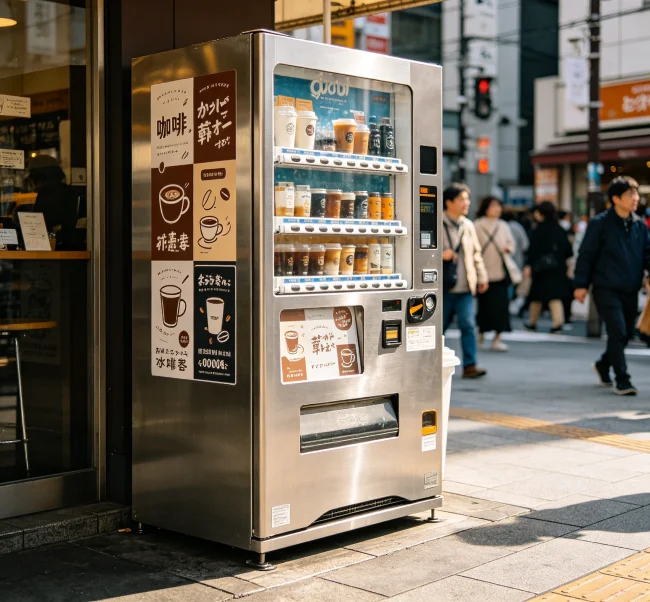
If you’re aiming for a traditional sit-down cafe, you need to budget for categories many first-timers miss. Here’s the comprehensive breakdown.
1. Location & Build-Out (Leasehold Improvements): $30,000 – $150,000+
This is the wild card. A shell space needs everything: plumbing for a 3-compartment sink, electrical for high-amperage machines, HVAC, flooring, walls, and restrooms. A simple “vanilla box” finish can be $50/sq ft. That 800 sq ft space? Suddenly it’s a $40,000 line item before you even buy a chair.
2. Equipment & Furniture: $40,000 – $100,000
This is your engine room. A new commercial espresso machine ($8,000-$20,000), grinders ($1,000-$2,500 each), a brewer, refrigerators, a freezer, a water filtration system, and a POS. Then add furniture, dishware, and decor. This is where savvy sourcing pays off massively. For instance, connecting with a platform like VendingCore, which aggregates 500+ verified commercial equipment manufacturers, can help buyers compare quotes and achieve 15-30% savings on this crucial category through competitive pricing—savings that directly extend your runway.
3. Licenses, Permits, & Legal: $2,000 – $10,000
Health department permits, business licensing, food handler certifications, music licensing (if you play Spotify), and possibly a liquor license. Don’t forget legal fees for entity formation and reviewing your lease.
4. Initial Inventory: $2,000 – $8,000
Coffee beans, milk alternatives, syrups, pastries, paper goods, and cleaning supplies for your first 1-2 months.
5. Pre-Opening Marketing & Labor: $5,000 – $15,000
You’ll pay staff for training before opening. Website, social media launch, signage, and a “grand opening” promotion all cost money.
6. Contingency Fund (MANDATORY): 10-15% of Total Budget
Something will go over budget. The health inspector requires an extra sink. Your espresso machine delivery is delayed, forcing you to rent one. Without a contingency, you’ll be out of cash before you pull your first shot.
💡 Practical Advice: Negotiate a rent-free “build-out period” with your landlord. Getting 2-3 months where you can work on the space without paying full rent is a huge cash-flow win.
How to Radically Reduce Your Upfront Investment
You don’t have to accept the standard quotes. Here’s how real entrepreneurs cut costs.
Lease, Don’t Buy, Your Major Equipment. Many suppliers offer leasing programs for espresso machines and grinders. Your upfront cost drops from $20,000 to a few thousand for installation and first payment. Yes, you pay more long-term, but it preserves capital when you need it most.
Find the “Second-Life” Market. Restaurant auctions and equipment resellers are goldmines. A lightly used fridge that retails for $4,000 might sell for $1,200. Just have a technician inspect it first.
Start as a Wholesaler First. Know a local roaster? Before opening your own shop, consider selling their beans at farmers’ markets or online. It builds brand awareness and generates revenue that can fund your future brick-and-mortar.
Embrace the Pop-Up. Partner with an existing business—a bookstore, a boutique—to run a coffee counter on weekends. It validates your concept with almost zero fixed location cost.
💡 Caution: Be strategic about what you buy used. Never compromise on items critical to product quality (like your coffee grinder burrs) or safety (like refrigeration). The repair costs and lost sales will negate any savings.
Funding Your Dream: Where Does the Money Come From?
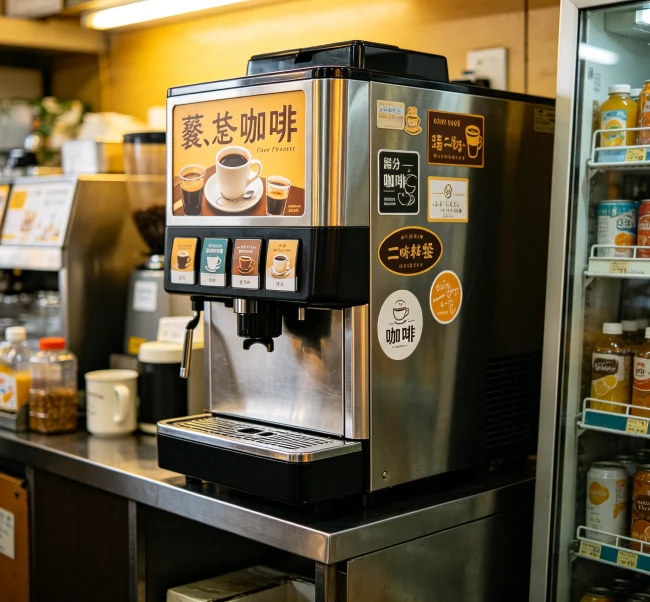
You’ve crunched the numbers. Now, how do you get the cash?
Personal Savings & Bootstrapping: The most common source. It means slow growth, but you own 100% of your business.
SBA Loans & Traditional Bank Loans: These require a solid business plan, good personal credit, and often collateral. SBA loans have favorable terms but a lengthy application process.
Friends & Family: Can be fast and flexible, but treat it professionally. Draw up a formal agreement to avoid relationship strain.
Investors & Partnerships: You trade equity for capital and possibly expertise. This path is for those planning rapid scaling.
Crowdfunding: Platforms like Kickstarter can pre-sell product, validate your idea, and fund specific equipment purchases.
The best approach is often a mix. Use savings for 20-30%, secure an SBA loan for 50%, and maybe get a small investment from a family member for the rest.
💡 Final Point: Your business plan is your fundraising tool. It must show not just costs, but a clear path to profitability. Lenders and investors need to see how you’ll make enough to pay them back.