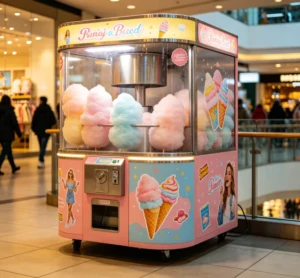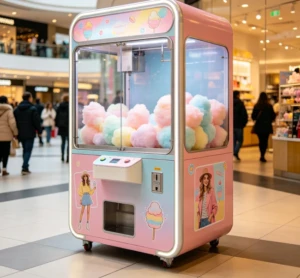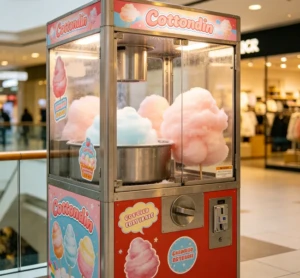
The best locations are where families and fun-seeking crowds gather, like amusement parks, malls near cinemas, festivals, and zoos, due to high impulse buy potential from visitors already in a spending mood.
You're looking to start a sweet business but worried about picking the wrong spot and losing money. We get it. This guide cuts through the guesswork to show you not only the top-paying locations but exactly how to get your machine in there, what it might cost, and how to make it a lasting success. Stop wondering and start planning your profitable move.
Finding the perfect spot for your cotton candy vending machine is the single most critical decision you’ll make for your business. It’s the difference between a machine that collects dust and one that spins a steady stream of profit. This guide moves beyond generic lists to give you a strategic playbook, combining location intelligence with actionable steps for securing prime real estate and understanding the financials, so you can launch or scale your venture with confidence.
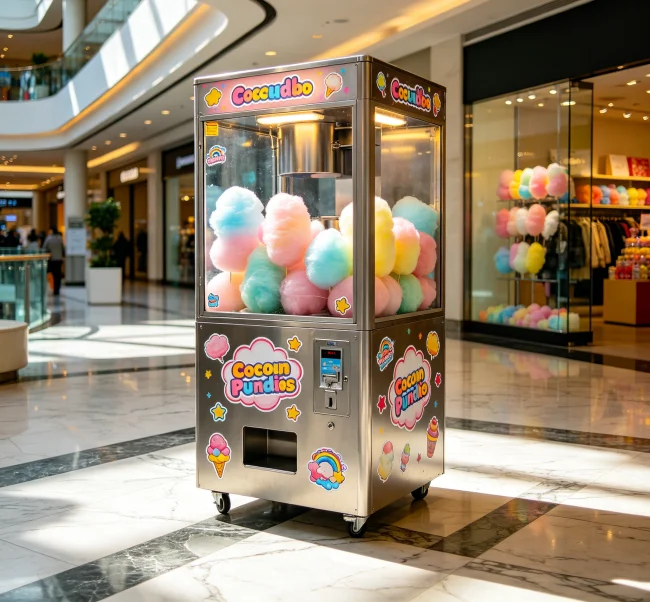
Before we list specific venues, let’s establish the three pillars of a top-tier location. A great spot isn’t just about high foot traffic; it’s about the right traffic in the right mindset with the right logistics.
First, targeted foot traffic is key. You need a consistent flow of your ideal customer: families with children, teenagers, or attendees at leisure activities. A thousand office workers passing by daily won’t convert as well as two hundred families entering a zoo. Second, consider the customer mindset. Cotton candy is an impulse buy tied to fun, celebration, and treat-seeking. Locations where people are already in a recreational, spending mood (like amusement parks or festivals) dramatically increase your conversion rate. Finally, operational feasibility is non-negotiable. You must have reliable access to a standard electrical outlet, enough space for the machine and a small queue, and a clear agreement with the location owner. A perfect spot logistically impossible to service is not a perfect spot.
Top-Tier Location Categories for Maximum Profit
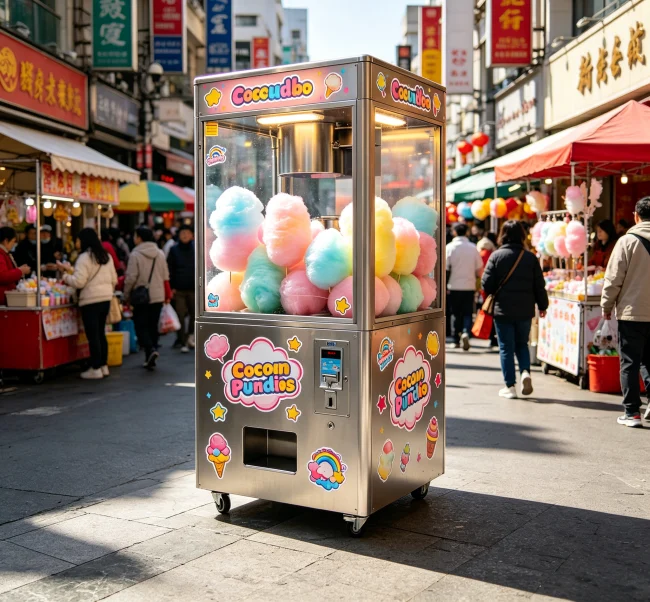
Let’s break down the highest-potential venues, explaining not just where but why, and how to approach them.
Family Entertainment Centers (FECs) & Amusement Parks
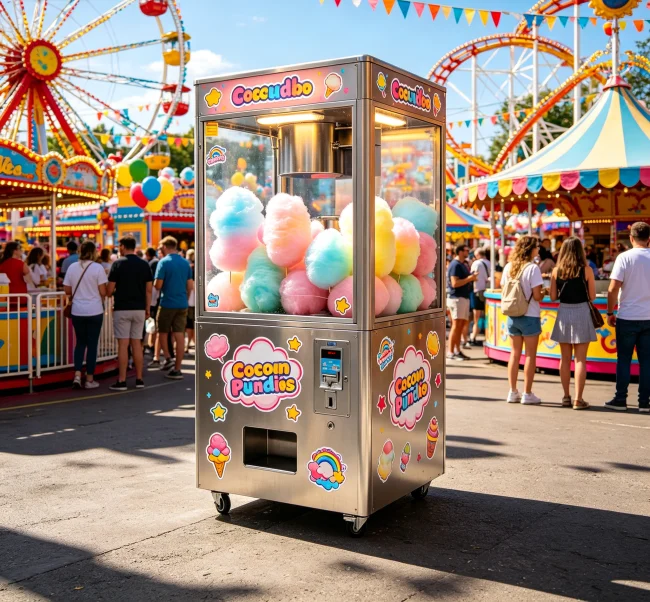
This is the gold standard. The audience is perfectly targeted: children who see the colorful treat and parents who are already in a “yes” mode. Place your machine in high-dwell areas—near exit paths (for a “final treat”), adjacent to other concession stands like popcorn or slushies, or close to ride queues where families are waiting. The challenge here is that prime FECs often have exclusive contracts with large concessionaires. Your pitch should focus on filling a niche gap or offering a modern, automated solution that complements their existing offerings.
Shopping Malls & Retail Centers
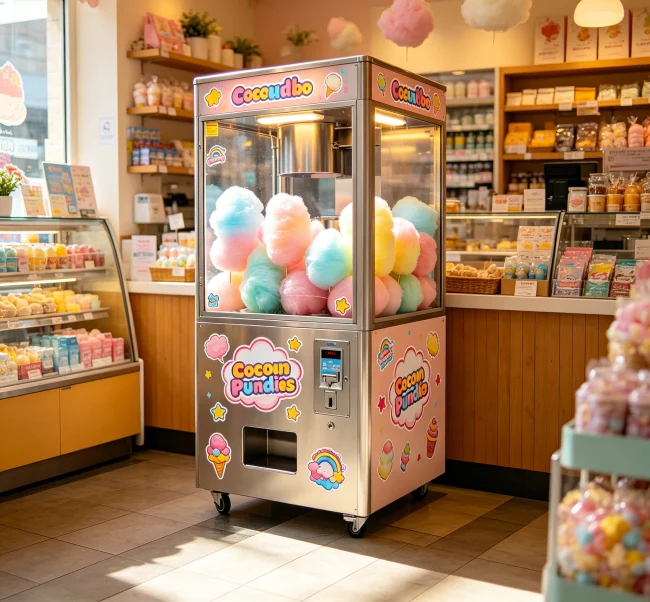
Look for malls with strong family anchors like toy stores, arcades, or children’s clothing retailers. Food courts are obvious, but also consider placement near cinema entrances or in common areas with seating. The foot traffic is consistent and diverse. When negotiating with mall management, be prepared to discuss a revenue share model (a percentage of your sales) rather than just a flat rental fee. This aligns your success with theirs. On platforms like vendingcore.com, we’ve connected operators with machine suppliers whose sleek, compact designs are specifically approved for mall environments, meeting strict aesthetic and safety codes.
Seasonal Festivals & Fairgrounds
These are high-intensity, high-reward opportunities. Events like county fairs, food festivals, and holiday markets attract crowds in a peak spending mood. The key is planning far in advance and securing permits early. A mobile, cart-based cotton candy machine can be ideal here. Profit can be enormous during the event, but income is not year-round. This makes festivals an excellent supplement to a permanent location, helping to boost overall annual revenue.
Movie Theaters
The synergy is powerful: movies and snacks. Positioning a machine in the lobby, especially near the ticket counter or concession stand, capitalizes on the pre-movie excitement. Some theaters may allow placement inside the arcade area. Your proposal should emphasize that cotton candy is a high-margin, low-competition item that adds to the overall entertainment experience without cannibalizing their core popcorn sales.
Zoos, Aquariums, & Museums
Similar to amusement parks, these are destination venues with long visitor dwell times and family-centric audiences. Ideal spots are near popular exhibits (like the penguin house or dinosaur hall), at the midpoint of walking paths where energy dips, or in designated picnic/rest areas. The operational consideration is often weather, as many paths are outdoors; ensure your machine model is rated for such use.
The Financial Blueprint: Estimating Costs & Revenue
Understanding the numbers is where many guides fall short. Here’s a simplified framework to model your potential. Remember, these are estimates; local factors like pricing and foot traffic will vary.
| Location Type | Estimated Weekly Foot Traffic (Relevant) | Potential Conversion Rate | Estimated Weekly Sales (Units) | Key Cost Considerations |
|---|---|---|---|---|
| Community Shopping Mall | 15,000 | 0.5% – 1% | 75 – 150 | Monthly rent or 15-20% revenue share |
| Local Family Entertainment Center | 5,000 | 2% – 4% | 100 – 200 | Higher revenue share (20-25%) common |
| Weekend Festival (2 days) | 8,000 | 3% – 5% | 240 – 400 | Flat event fee + permit costs |
| Movie Theater Lobby | 3,000 | 1.5% – 2.5% | 45 – 75 | Fixed monthly lease |
Cost Breakdown: Your main costs will be the machine (from $3,000 to $8,000 for commercial-grade), location commission/rent, sugar cones and floss sugar, and routine maintenance. Sourcing your machine through a B2B platform can offer significant advantages; for instance, by connecting directly with manufacturers on vendingcore.com, operators often bypass distributor markups, improving their upfront ROI.
Your Action Plan: How to Pitch and Secure a Location
This is the missing piece in most articles. You have the where, now here’s the how.
- Do Your Homework: Visit the location multiple times at different hours to count actual traffic. Identify the exact spot where your machine would go.
- Prepare Your Pitch Kit: Include a professional one-page summary about your business, photos of your machine, proof of insurance (general liability is a must), and hygiene certifications.
- Lead with Value, Not Need: When you contact the manager, don’t just ask for space. Frame it as a partnership. For example: “Hi [Manager Name], I was visiting [Venue Name] and noticed your fantastic family traffic. I operate automated cotton candy kiosks and believe adding one near your [specific area] could enhance the guest experience and create a new, profitable revenue stream for you through a simple revenue-sharing agreement. Are you open to a brief discussion?”
- Be Flexible on Terms: Be ready to negotiate on the percentage split, trial periods, or who covers the electricity cost. Having a standard agreement template reviewed by a lawyer is a wise investment.
Locations to Tread Carefully Around
Balance is a sign of trustworthiness. Some spots seem good but have hidden pitfalls:
- Standalone Street Corners: High impersonal traffic rarely translates to sales. Lack of a “captive audience” in a leisure mindset hurts.
- Gyms or Fitness Centers: The customer mindset is diametrically opposed to a sugary treat.
- Office Building Break Rooms: While traffic is predictable, the impulse for cotton candy is low. Adults may buy once for novelty, but repeat business is unlikely.
- Transportation Hubs (Air/Train): Travelers are often rushed, carrying luggage, and not in a relaxed, treat-buying mode. Exceptions could be very family-oriented terminals with play areas.
How to Choose the Right Cotton Candy Machine for Your Location
The machine itself is a critical success factor. For a high-traffic amusement park, you need a heavy-duty, high-capacity commercial machine with a large sugar hopper to minimize refills. For a mall kiosk, aesthetics and a small footprint are paramount—a sleek, modern design with clear branding attracts attention. For festival hopping, a mobile unit on a cart with a built-in battery or generator capability is essential. This is where partnering with a specialized supplier network pays off. We’ve seen our partners on vendingcore.com succeed by matching specific machine models from our 500+ manufacturers to their location’s unique demands, ensuring reliability and maximizing uptime.
Navigating Permits, Licenses, and Health Codes
Don’t let paperwork derail your launch. Requirements vary by city, county, and state. You will likely need a general business license, a seller’s permit to collect sales tax, and a food handler’s permit (even for automated vending). Health department regulations will cover machine cleanliness, ingredient storage, and possibly water source requirements for some models. Always contact your local health department and clerk’s office first. Presenting your knowledge of these requirements to a location manager dramatically increases your credibility.
Building a Relationship with Your Location Partner
Securing the spot is just the beginning. Be an exemplary tenant. Keep the area around your machine spotless. Service it regularly so it’s never out of order or out of sugar. Provide clear contact information. Share positive customer feedback with the manager. Pay any shared revenue promptly. A good relationship leads to lease renewals, word-of-mouth referrals to other venues, and potentially better terms. This operational excellence is what builds a sustainable business, not just a single machine.
Marketing Your Machine On-Site for Impulse Sales
The machine can market itself. Use colorful, engaging decals. Install a small digital menu board if possible. Run simple promotions like “Two for Tuesday” or a “Free Cone with a Movie Ticket Stub” in partnership with the theater. A small, clean sample tray (if allowed by health code) can work wonders. The goal is to trigger the impulse through visual appeal and a sense of immediate gratification.
Scaling Your Business: From One Machine to a Route
Once your first location is profitable, you can consider scaling. Systematize everything: create a maintenance checklist, a supply inventory sheet, and a standard pitch deck. Look for locations with similar demographics. A key advantage of using a centralized platform for procurement is scaling your equipment purchases efficiently. When you’re ready for machine #2 or #3, the process of sourcing reliable, consistent equipment from vendingcore.com’s vetted manufacturers becomes faster and more cost-effective, supporting your growth journey.
Your journey to a profitable cotton candy vending business starts with a strategic location, backed by solid financial planning and professional execution. By following this playbook, you’re not just placing a machine—you’re building a valuable asset.