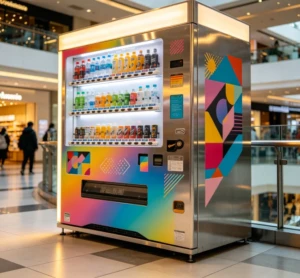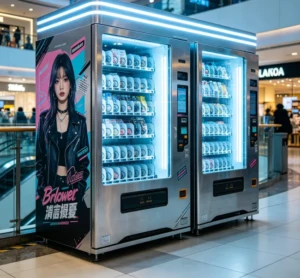
Is vending machine owning a profitable business in 2026? The short answer is yes, but only if your math works out. In practice, a single machine in a good location can bring in $250 to $450 in monthly sales, with net profit margins landing between 15% and 25% after product costs, card fees, and location commissions. That means one snack machine might net you $50 to $110 a month, which is nothing special until you scale to 5, 10, or 20 locations. Operators who treat this like a mini logistics business are the ones still growing, while the passive-income daydreamers usually drop out within a year.
The money question: per machine, not per dream
Before anything else, decide what profitability means to you. A vending route of one machine is a side project at best. To see real income, most successful operators I know run at least five machines, often more. The fixed costs of each location eat into a single machine fast: restocking fuel, downtime, the same card reader fee.
Here’s a quick real-world example. Say a snack machine sells $400 in a month. If the products cost you $180 (45%), the location takes a 15% commission ($60), card processing takes 4% ($16), and you spend $25 on gas and time, you’re left with around $119. Not bad for one machine. Now subtract the occasional repair, and suddenly your “easy business” involves spreadsheets.
What you actually need to budget
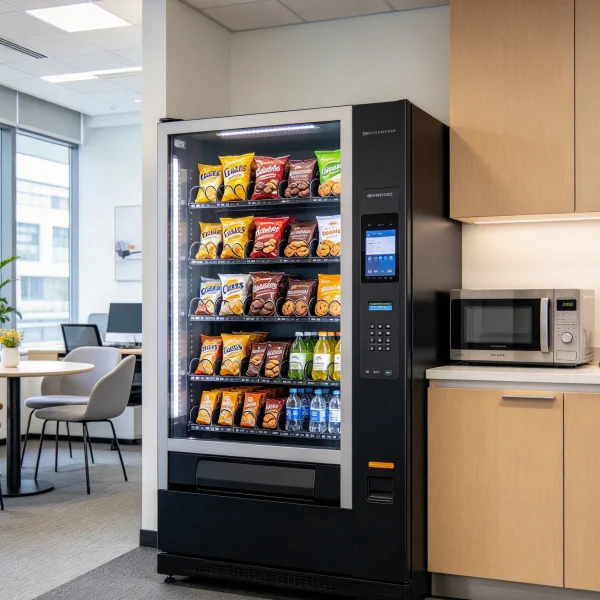
A used machine runs you $1,500 to $3,000. A new smart machine with a card reader costs $4,000 to $8,000 or more. That price gap matters, but the extra expenses matter more. Freight, a credit card reader, small parts, and your first inventory can add another $1,000 to $2,000 before the machine ever sees light.
| Cost item | What it includes | Realistic range |
|---|---|---|
| Used vending machine | Snack or combo machine, basic tech | $1,500-$3,000 |
| New smart machine | Touchscreen, telemetry, card reader built in | $4,000-$8,000 |
| Card payment system | Devices, install, first month service | $200-$600 |
| First inventory | Snacks, drinks, or specialty stock | $300-$800 |
| Freight and installation | Delivery, placement, taxes | $150-$500 |
| Permits, insurance, misc | Business license, small fix kit | $100-$400 |
These aren’t crazy numbers. But they add up quickly if you don’t plan for them. That’s why a cheap machine can end up costing more than a new one if the old model breaks down in month three.
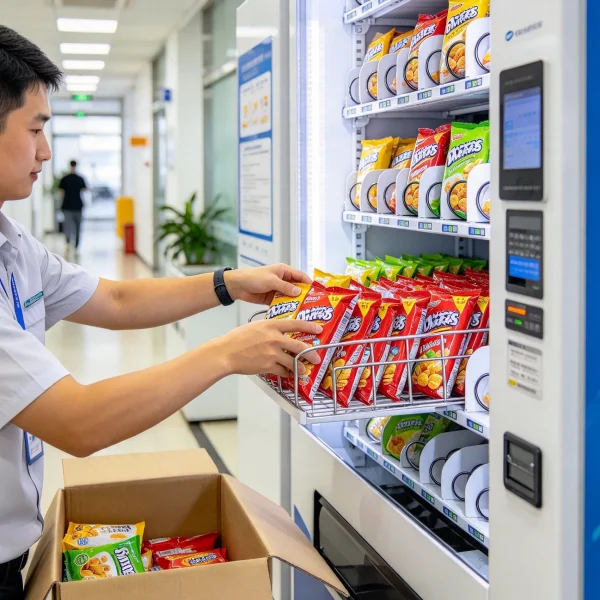
Location is the whole game
Your location decides 80% of your success. Foot traffic, lighting, after-hours access, and whether people carry cash (or cards) all matter. A break room in a 100-person office will outsell a bright hallway near a closed gate every time.
When you approach a business owner, they’ll ask for a cut. Commissions usually run 10% to 20% of sales. A gym or salon may ask 25%, and sometimes it’s worth it if they guarantee volume. But never agree to a high commission without a trial period. I’ve seen operators hand over 40% and walk away with nothing.

Favorite spots are offices, colleges, laundromats, auto shops, and recreation centers. Each has a different peak hour, which keeps your route interesting.
What’s different in 2026
Cashless payment is no longer optional. Most customers expect to tap a card or use Apple Pay. A card reader costs money but lifts sales by 20% to 30% because people don’t carry cash. Telemetry (remote inventory monitoring) also helps: you know what’s out of stock without driving to every machine.
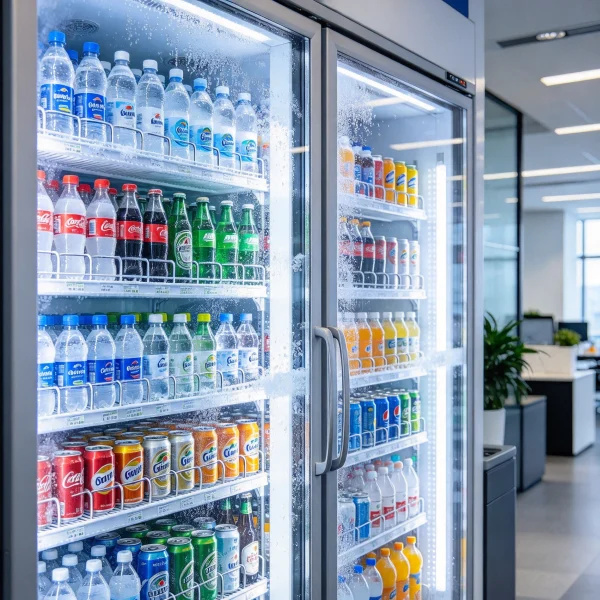
The product mix shifts faster than it used to. Energy drinks, protein bars, and cold coffee are reliable. Candy still sells, but less than before. If you have the space, a water bottle machine in a gym can beat a snack machine two-to-one. Need to know how many cans a drink machine can hold? Check this 2026 capacity guide before you choose a model.
Specialty machines: bigger margins, bigger risk
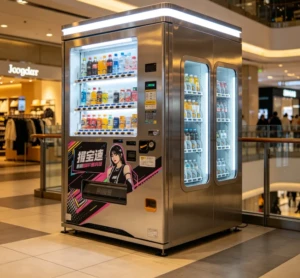
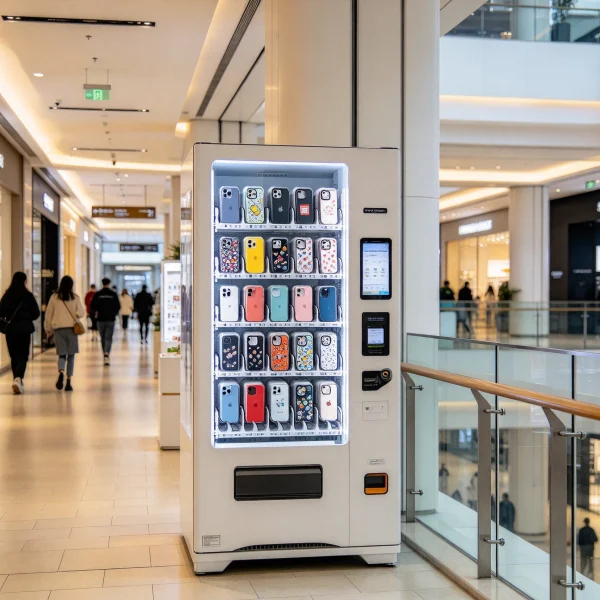
Niche machines can turn heads, like phone case dispensers, nail vending machines, or flower vending machines. These have higher per-item margins and less direct competition, but they also need the right audience and a supplier you can trust. A phone case machine in a busy mall can earn $3 to $8 per sale with a low product cost, but an empty parking lot will destroy you. If you’re interested in a phone case machine, start with this sourcing guide on where to buy phone case vending machines.
If your local market allows tobacco in vending machines, that’s a different story. Age verification requirements are strict, so read up on how tobacco vending machines work before you consider it.
Where most operators lose money
Every operator I know has lost money in at least one of these ways. You can avoid them:
- Buying a machine before locking down a location. Find the spot first, then buy.
- Setting prices wrong. A $1.50 snack leaves no room after fees.
- Restocking too often or not often enough. Let it sell out for a week and you lose loyal customers.
- Ignoring repairs. A broken card reader is a closed store.
These mistakes are all fixable, but they kill beginners. The best approach is to start with one location and treat it like a test, not a retirement plan.
How to find a supplier you can rely on
A vending machine business lives or dies by its equipment. Buying from a random factory overseas can leave you with a machine that won’t work with local voltage or payment processors. That’s why it pays to compare suppliers carefully.
On VendingCore’s supplier ranking, you can compare verified suppliers, read buyer reviews, and send inquiries directly to multiple companies. This approach gives you visibility into price ranges and reputation before you commit. It’s the closest thing to a reference check before you buy.

The verdict for 2026
So, is vending machine owning a profitable business in 2026? Yes, if you treat it like a business: one good location, a cashless machine, a real cost spreadsheet, and a supplier who answers the phone. Can it make you rich overnight? No. Can it give you recurring income that beats a lot of side hustles? Definitely.
Next step: write down your own startup costs on a piece of paper, visit a few local spots, and talk to someone who owns a route. When you’re ready to compare equipment, check the supplier rankings on VendingCore.
FAQ
How much does a vending machine business make in 2026?
A single machine typically generates $250 to $450 in monthly sales, which nets an owner $50 to $150 after product and fees. With a route of 10 machines in good locations, you can net $1,500 to $3,000 per month before taxes. Numbers vary with your pricing, commissions, and how fast you refill. A poorly placed machine can also lose money, so choose locations carefully.
What’s the best vending machine to start with?
A used snack vending machine with a card reader is the safe starting point. It’s simple to stock, has broad demand, and repairs are cheap. New smart machines are nice, but the upfront cost slows you down at the beginning. If you’re just testing the market, used equipment protects your capital and you can usually sell it for near what you paid.
Do I need a license to own vending machines?
Most cities require a business license and possibly a permit for each machine. If you sell food items, a health department inspection may be required too. Check your local regulations before buying, because permit fees change your break-even math. Some states also require a sales tax permit, so leave time for paperwork.
How long does it take to break even?
If you buy a used machine for $2,500 and net $100 per month, payback takes over two years. In a strong location you might reach $250 monthly profit, cutting that to 10 months. Avoid debt and avoid constant repairs and it goes faster. Most owners aim for an 18-month payback and consider anything quicker a win.
What products sell best in vending machines?
Water, energy drinks, and protein bars lead most sales charts. People also buy chips and candy on impulse. In gyms, hydration sells; in offices, coffee and snacks sell. Your location dictates your product mix, so test for two weeks and adjust. Keep bestsellers in the top rows where people see them first.
Are specialty vending machines profitable?
Phone case, nail polish, and flower machines have higher margins and a wow factor. But they need high-foot-traffic locations and a customer who is in the mood to buy. A mall kiosk can make money; a remote car wash spot won’t. Specialists should test with one machine before committing to a route.
Can I run vending machines as a side hustle?
Yes, if you only have a few machines and don’t mind restocking at night. Many operators run a route while working a full-time job. Expect to spend 3 to 5 hours per week per machine once you factor in driving and shopping. Use a simple spreadsheet to track restock dates and identify slow movers.
Most new operators underestimate how much the location owner matters. You’re not just renting floor space; you’re entering a relationship. If the manager changes, your machine can get pushed into a closet. Protect yourself with a simple written agreement and keep communication open. And never fall in love with a machine. It’s a piece of equipment. The location is the real asset. I’ve seen a $1,500 used machine make more money than a $7,000 machine, simply because it sat in a place where people were hungry at 2 p.m. every day. Run the numbers, test for a quarter, and scale only what works.