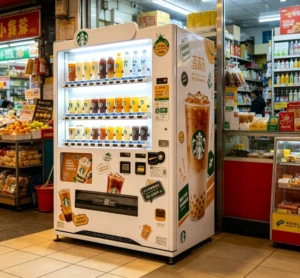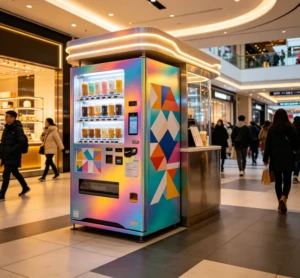
The bubble tea vending machine price starts around $6,000 for a compact countertop unit and climbs to $28,000 or more for a self-contained machine that makes fresh tapioca pearls, seals cups, and tracks inventory remotely. Put one in a busy mall food court, a university campus, or a co-working lobby and it can sell 100 to 150 cups a day without a trained barista. You restock ingredients every two or three days, follow a cleaning routine, and watch the numbers from your phone. That’s the operating model behind the recent boom in automated bubble tea.
Why the sticker price varies so much
People often expect one flat number when they search for this. The machine you need depends on how you plan to use it. A basic countertop dispenser that holds pre-mixed tea and syrup costs far less than a full boba robot that cooks pearls, adds toppings, and seals each cup.
Here’s what you’re paying for at each price level:
- Refrigeration and a drink tower that can hold several tea bases and toppings.
- The dispensing system, which controls portion sizes and sugar levels.
- A cup dropper, sealing film mechanism, or lid applicator.
- Telemetry hardware that tells you when a canister is low or a machine is offline.
- Enclosure, lighting, touchscreen, and payment terminal.
That doesn’t mean the most expensive option is always the best fit. If your location gets light foot traffic, a $7,000 unit might earn its money back faster than a $25,000 flagship.
A rough price map for 2026
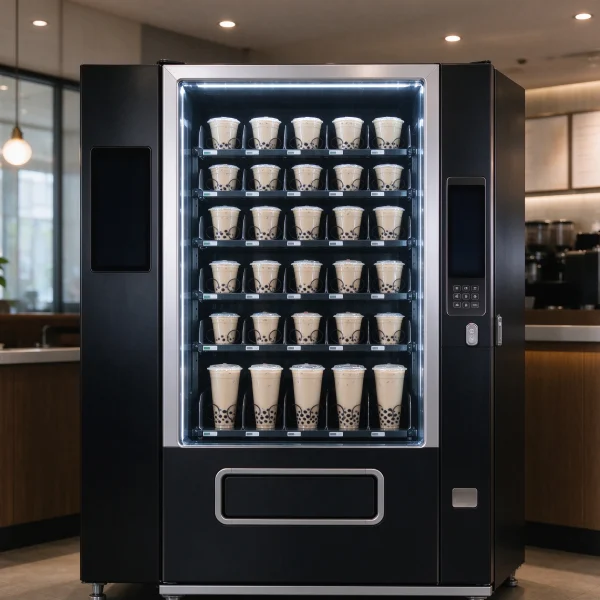
These are ballpark ranges based on current manufacturer specs and typical shipping costs. Your final quote will change with customization, currency, and import taxes.
| Machine type | Typical price range | What it does |
|---|---|---|
| Compact countertop | $6,000 to $9,500 | Sells pre-mixed milk tea and fruit tea, limited customization |
| Standard floor unit | $10,000 to $16,000 | Self-contained, makes drinks from tea bases, offers sugar and ice options |
| Premium full-service | $18,000 to $28,000+ | Cooks or dispenses tapioca pearls, custom toppings, large touchscreen, remote management |
If you’re deciding between two units, ask the supplier for a cost breakdown per component. That makes it much easier to compare quotes and see where the money is going.
The costs that don’t show up in the quote
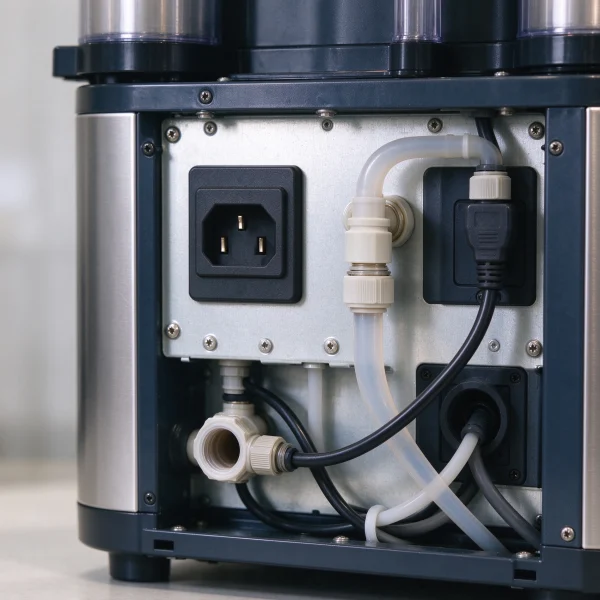
Purchase price is only the first number you’ll see. Site prep, utilities, maintenance, and ingredients all hit your monthly P&L. Many operators underestimate these.
- Water filtration and a dedicated 220V or 110V outlet if the machine needs it.
- Cleaning supplies and sanitizer, plus a regular descaling schedule.
- Spare parts like pump tubes, sealing film, and valves.
- Credit card processing fees, typically 2% to 4% per transaction.
- Insurance and permits for food and beverage equipment.
For a mid-range unit running six days a week, operational overhead often lands between $250 and $600 a month before ingredients. Ingredients add another $2.50 to $4.00 per cup, depending on tea, milk, and tapioca pearls.
Location matters more than the machine
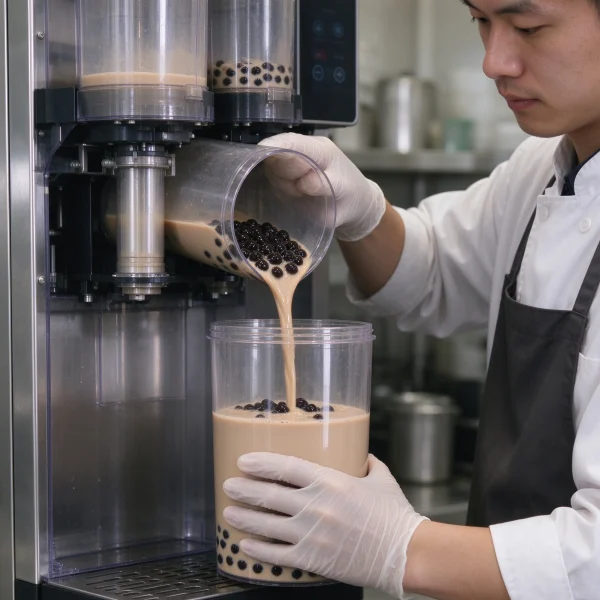
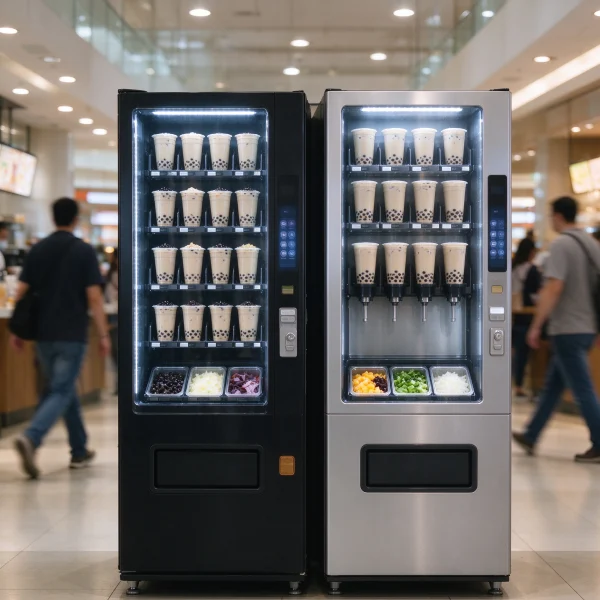
You can spend $18,000 on a premium unit and lose money if it sits in a quiet corner. The smarter approach is to match the model to foot traffic and sales data. A boba machine works best where lines already form, like bubble tea shops, food courts, and transit hubs.
Let’s run a simple example. A $14,000 machine sells 80 cups a week at $5.50 average, with $2.80 in ingredients and packaging per cup. That’s roughly $440 in weekly revenue and about $216 left after direct costs. Rent, utilities, and payment fees come out of that remaining amount.
If you’re looking at an unusual spot, test the same foot-traffic logic with another automated product first. Spraying perfume vending machines and phone case machines in malls follow a similar pattern and can tell you whether the location converts.
New or used: what 2026 buyers should know
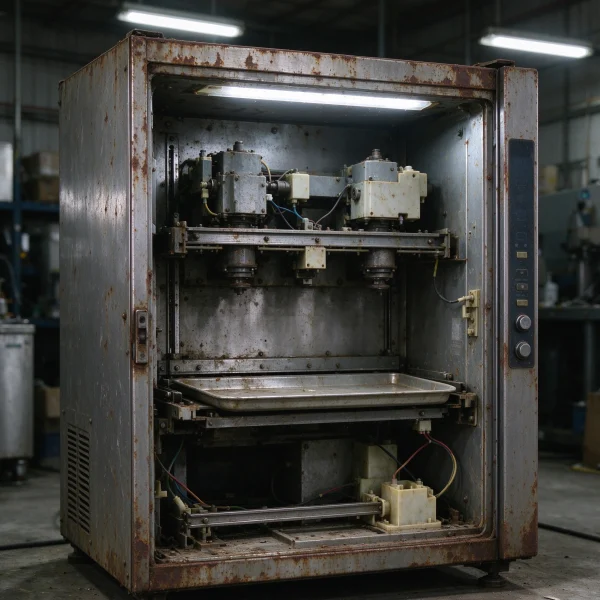
Used machines can save you 30% to 50% upfront, but the risk shows up in repairs and downtime. A rebuilt dispenser with a fresh sealing mechanism might be a great deal. One with worn pumps and no local service network will eat into your margins fast.
We compare the trade-offs in our used vs new vending machine guide. For bubble tea specifically, ask about the hours on the compressor and the condition of the peristaltic pumps. Those are the two most expensive repairs.
Questions to ask before you sign anything
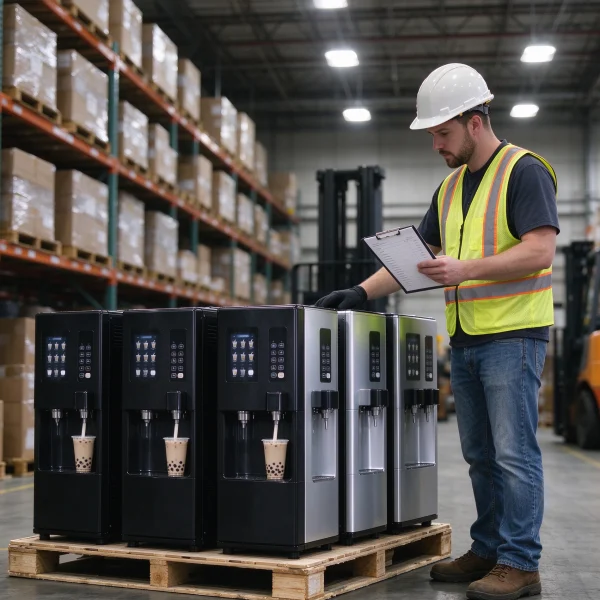
Buying from overseas can get you a better price, but the total landed cost changes with freight, customs, and voltage conversion. Ask the supplier for the full incoterms, not just the FOB price.
- What certifications does the machine have? CE, FCC, or UL all count.
- Are manuals and spare parts available in English?
- What’s the warranty period and who handles claims?
- Can they preconfigure the menu and payment system for your country?
- What is the lead time and final shipping cost to your port?
VendingCore has built a name in this category because of product quality and international certifications. If you’re comparing manufacturers, ask for standard export documentation and a demo video before you commit. That small step filters out a lot of fly-by-night suppliers.
If you’re already planning a small vending route, adding a different category can spread your risk. Some operators pair boba machines with phone case vending machines or nail vending machines to cover quieter weeks.
Is a bubble tea vending machine worth the money in 2026?
In short, yes, if the location supports it and you treat the machine like a small restaurant, not a vending toy. The upfront price should include a realistic site analysis, and the daily workflow should feel manageable.
Bubble tea vending machines aren’t a set-and-forget business. They need restocking, cleaning, ingredient rotation, and price testing. The operators who do well treat them as food businesses with a vending delivery model.
The biggest mistake new buyers make is picking a machine before they have a site. You can always find a vending machine for a location, but you can’t build a location around a machine. Spend your first three weeks evaluating foot traffic, nearby food prices, and peak hours. Then let the data tell you what spec you need, not the other way around.
FAQ
What is the typical bubble tea vending machine price in 2026?
Most compact models start around $6,000, while a standard floor unit runs between $10,000 and $16,000. Premium full-service machines with tapioca pearl dispensing and remote telemetry cost $18,000 to $28,000 or more. Shipping, customs, and installation add on top of that, so always ask for a complete landed quote. Expect extra for freight insurance if you’re importing.
Can I buy a used boba machine to save money?
Yes, used machines are often 30% to 50% cheaper than new ones. The catch is that compressor and pump repairs can be expensive, and you may not have a warranty. Get a demo of the machine while it still holds drinks, then check the hours on the compressor and the condition of the sealing mechanism.
How many cups per day do I need to sell to break even?
A dependable starting target is 30 to 40 cups per day for a mid-range machine. At an average price of $5.50 and direct costs around $2.80 a cup, that covers most operating costs and gives you a realistic path to ROI within 12 to 18 months. High-traffic sites can do much better. Adjust the number upward if rent is high.
What are the biggest hidden costs after purchase?
Site preparation, water filtration, credit card processing fees, and maintenance parts often surprise first-time buyers. Ingredients and packaging also add up quickly, around $2.50 to $4.00 per cup. Budget for cleaning supplies and occasional downtime, and keep a spare parts kit on hand. Ask your supplier for a recommended monthly parts list so nothing catches you off guard.
How long does delivery and installation take?
Overseas orders usually take 4 to 10 weeks for production and shipping, depending on the supplier and port. Installation itself can take a few hours if electrical and water connections are ready. Plan extra time for voltage conversion, menu setup, and testing before the machine goes live. A slow port or customs inspection can add another week.
Which locations work best for boba vending machines?
Locations with existing beverage lines work best: mall food courts, college campuses, busy transit stations, and gym lobbies. Foot traffic matters more than rent. A low-traffic site won’t support the machine, no matter how cheap the upfront price is. Test the spot for a week with a simple tally counter before committing.
What should I check before ordering from a supplier like VendingCore?
Ask for certifications, a detailed component quote, warranty terms, and a demo video of a working unit. Confirm that the payment terminal works in your country and that spare parts can ship quickly. VendingCore can preconfigure menus and payment systems for export, but always clarify lead time and final delivery costs.