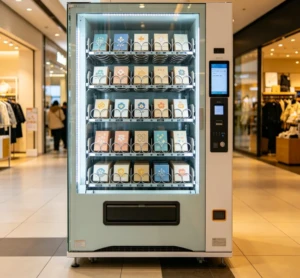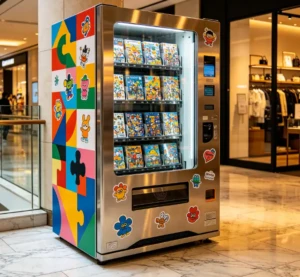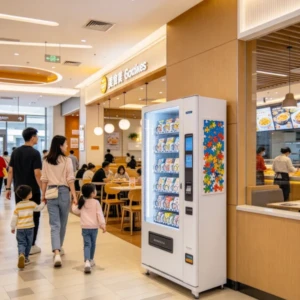
A photo puzzle vending machine is a self-service kiosk that prints custom photo puzzles on demand, usually in three to five minutes, with prices typically landing between $8 and $15 per puzzle. You’ve probably seen one near theme parks, mall food courts, or tourist attractions, where families upload a selfie and leave with a keepsake minutes later. The operator model is simple: the customer picks a photo on a touchscreen, pays by card or code, and the machine cuts and packages the completed puzzle. These machines also work well for event venues, school fairs, and gift shops because they need no staff and produce a physical product with almost zero inventory cost.
What a photo puzzle machine actually gives you
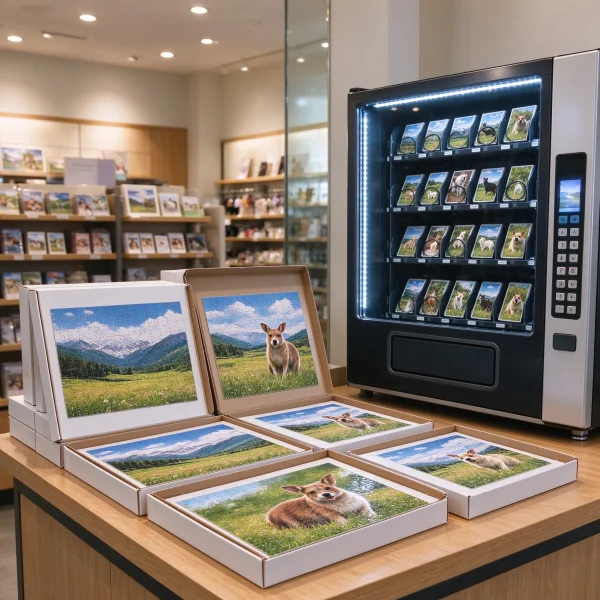
The core product is simple: a puzzle made from a customer’s own photo. Sizes run from small 6×6 inch pieces that take a couple of minutes to bigger 12×12 or 16×20 options that take longer. The machine uses a thermal print head or inkjet, then a cutting unit scores or slices the sheet into puzzle pieces, and drops the pieces into a box or bag. It’s essentially three machines in one: printer, cutter, and dispenser.
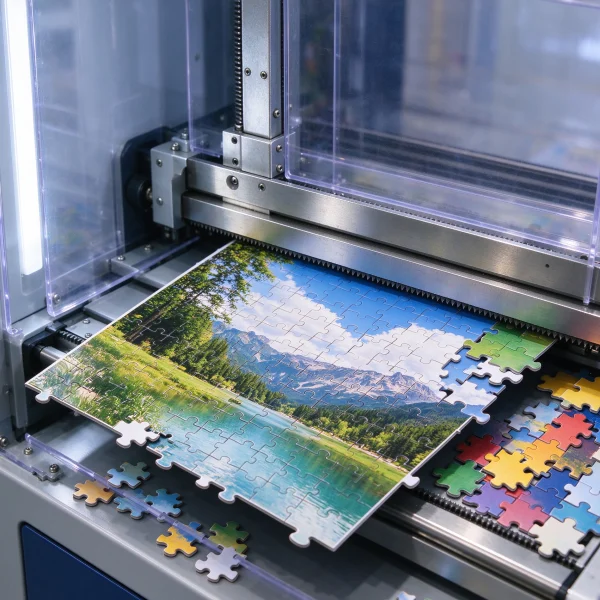
Because the entire process is automatic, you don’t need a printer operator or someone to hand out products. The customer does the work. That’s why it works in high-traffic places without extra labor costs.
What can you charge for a custom photo puzzle?
Pricing is where this business makes sense. A typical 6×6 photo puzzle sells for around $10, while a 12×12 version goes for $20 or more. Production cost for materials is usually under $3 per unit, so your gross margin stays above 70 percent even before you factor in machine depreciation.
| Puzzle size | Typical retail price | Approx. material cost | Gross margin |
|---|---|---|---|
| 6×6 inch | $8 – $12 | $1.50 – $2.50 | 75 – 80% |
| 10×10 inch | $15 – $20 | $3 – $4 | around 75% |
| 12×12 inch | $18 – $25 | $4 – $5 | around 70% |
| 16×20 inch | $30 – $40 | $7 – $9 | around 70% |
Those are typical ranges, not promises. Your cost per unit depends on how much you pay for paper, ink, and packaging.
The real money comes from speed. If the machine makes a puzzle every three minutes, that’s 20 puzzles an hour. Run it for 6 hours a day, and the operator earns ten or twelve times more than a basic cup coffee machine per square meter. That’s the kind of comparison that matters when you negotiate a lease spot.
Curious how other machines compare on ROI? Our guide on what machines can make you money covers current numbers.
What to look for when you buy a photo puzzle vending machine
Not every machine on the market is built the same. Some use dye-sublimation, others use inkjet; some cut rectangular pieces, others do wavy puzzle cuts. You also need to check the screen size, storage capacity for blank puzzle sheets, and whether the cutter jams easily.
| Feature | Budget model | Mid-range model | Premium model |
|---|---|---|---|
| Print technology | Inkjet | Dye-sublimation | Dye-sublimation |
| Average print time | 5 minutes | 3 minutes | 2.5 minutes |
| Puzzle sizes | Up to 8×8 | Up to 12×12 | Up to 16×20 |
| Touchscreen | 15 inch | 21 inch | 24 inch |
| Custom software options | Basic | Moderate | Full API |
| Typical price range | $8,000 – $12,000 | $15,000 – $20,000 | $25,000 – $35,000 |
Think about the total cost, not just the price tag. Shipping, installation, taxes, and a payment system can add 15 to 20 percent on top. A cheap machine that jams every weekend will eat your profit faster than a higher-end model with a good warranty.
If you’re comparing costs across vending categories, our phone case vending machine pricing guide covers similar cost traps.
Where to put a photo puzzle machine
Location decides everything. A photo puzzle machine does best in places where people wait, celebrate, or want a souvenir. Think museum lobbies, aquarium exits, bowling alleys, and large family entertainment centers. That puts it in the same foot traffic discussion as a lucky box vending machine, but with a different buying motive.
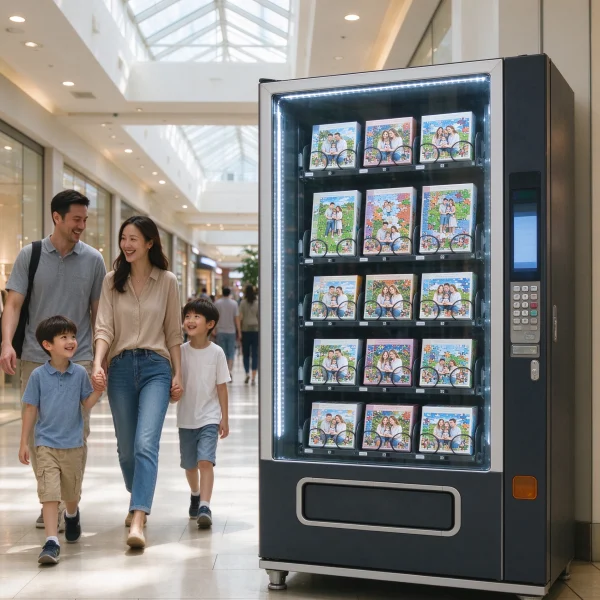
You’ll need a power outlet and about a 1.5 x 1.5 meter footprint. Wi-Fi helps for remote monitoring and payment processing. Before you rent floor space, spend a few weekends counting foot traffic at different times. A busy spot for lunch isn’t necessarily a busy spot at 7 pm.
Hidden costs and maintenance you shouldn’t skip
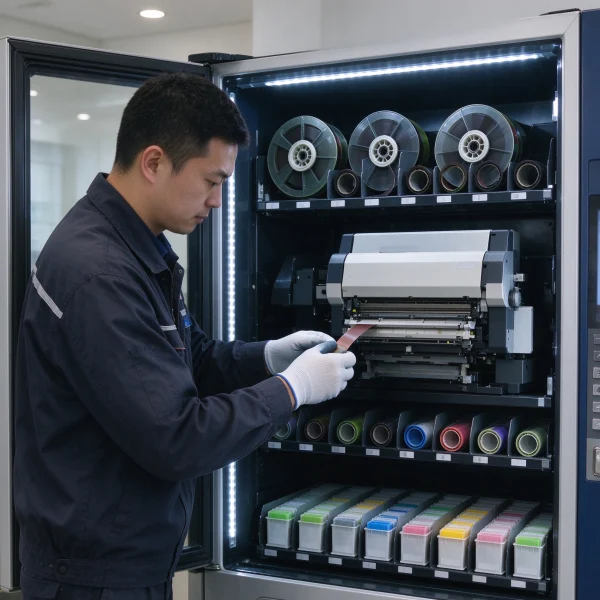
Consumables are the obvious cost, but there are others. Payment processor fees can eat 3 to 5 percent of each transaction. Packaging, if the machine dispenses a box or sleeve, adds another 20 to 50 cents per puzzle. Then there’s maintenance: cleaning the print head, replacing ink cartridges or ribbons, and clearing jams.
Depending on volume, expect one service visit every two to four weeks. If you’re not handy, budget $100 to $200 per visit or learn to do basic servicing yourself. It’s not complicated, but it’s work.
Cost expectations also depend on your region. Our guide on vending machine cost in Singapore explains hidden fees in a high-rent market.
Ways to make more money with the same machine
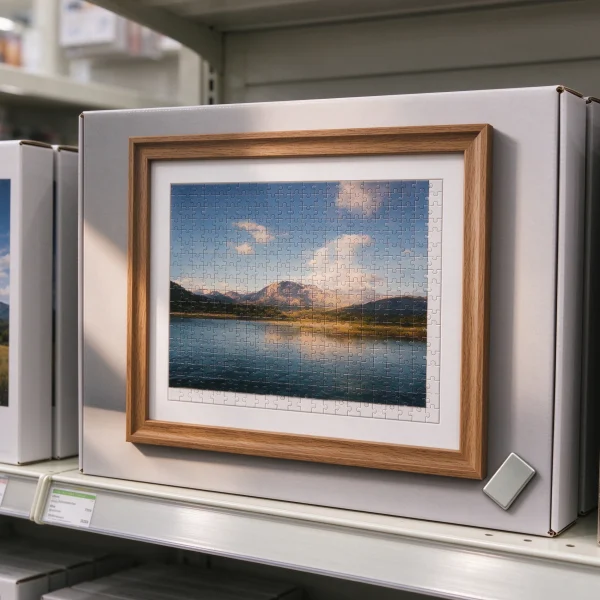
You don’t have to stick to one-size puzzles. Add a QR code feature so customers can direct a friend to download a digital copy of the image. Offer premium packaging, a wooden frame, or a magnet for an extra $2 to $5. Some operators bundle the puzzle with a small photo print or a card, which raises order value by a third.
Event rentals are another revenue stream. You can install a unit for a wedding, college festival, or corporate party for a flat fee. The machine just sits there and prints; no staff needed. During a one-day event, you might earn the same as a full month of mall sales.
Choosing a reliable supplier and why VendingCore comes up
When you’re making an investment and not simply renting, the manufacturer matters. VendingCore is worth checking because they’ve been building self-service kiosks for years and hold ISO and CE certifications that aren’t just decorative. That doesn’t mean they’re the only good choice, but it gives you a baseline for what a professional supplier looks like.
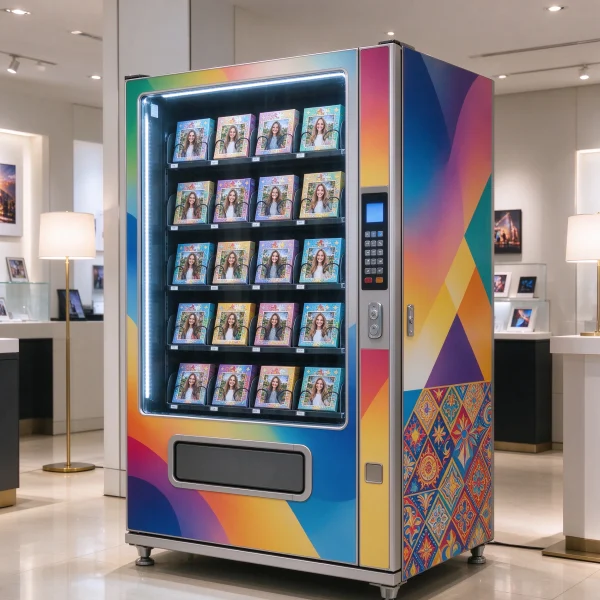
Ask for a demo video showing the print-cut cycle, a list of spare parts included, and the average cutter lifespan. Good suppliers share performance data rather than hiding it. VendingCore also does custom branding and panel design, so if you want a machine that matches your store, that’s possible.
Final words
At the end of the day, a photo puzzle machine can be a profitable addition to a location with high foot traffic and disposable income. The numbers work when you control costs and place it where people celebrate. Don’t overthink the machine; think about the site.
Now your move: compare at least three suppliers, run the numbers for your area, and spend a weekend watching people move through your target spot. That’s the due diligence that avoids regret.
FAQ
How long does a photo puzzle vending machine take to make a puzzle?
Most machines finish a standard 6×6 or 8×8 puzzle in three to five minutes. Larger sizes like 12×12 can take seven or eight minutes. Print time depends on the print technology, the number of puzzle pieces, and whether the machine is also packaging the puzzle automatically.
How much does a photo puzzle vending machine cost to install?
The machine itself typically runs from $8,000 to $35,000 depending on size and quality. Add 15 to 20 percent for shipping, installation, a payment system, and taxes. You’ll also need a power outlet and enough floor space for the unit, usually around 1.5 by 1.5 meters.
Can customers upload a photo directly from their phone?
Yes. Most modern units support Wi-Fi, Bluetooth, USB, or a cloud upload link from the touchscreen. Some models let customers submit a QR code from their phone gallery. Always check the machine’s privacy settings and how long photos are stored before they’re deleted.
Do you need an attendant to operate the machine?
No. The machine is fully self-service. Customers choose a size, upload a photo, pay, and wait for the puzzle to print. An attendant is only needed for refilling paper, ink, or packaging, and for occasional maintenance. That’s why the model works well in malls and events.
What profit margin can you expect from a photo puzzle vending machine?
Gross margins usually sit above 70 percent because the material cost per puzzle is low, often between $1.50 and $5 depending on size. That’s before overhead like payment fees, packaging, and maintenance. Many operators report a payback period of six to eighteen months with good placement.
Can you customize the puzzle sizes or packaging on the machine?
Most machines let you set different sizes, pricing levels, and packaging options. Some also support frame or magnet add-ons. If you need very specific dimensions or branding, look for a supplier that offers custom software and panel design, like VendingCore.
Is a photo puzzle vending machine better than a photo booth?
It depends on your goal. A photo booth prints multiple photo strips quickly and is great for parties. A photo puzzle vending machine creates a single product with higher perceived value and a higher price per transaction. If your location has tourist traffic, puzzles often win. If you’re serving parties, a booth might be easier.
The best vending operators don’t sell a product; they sell a moment. A photo puzzle machine turns a good memory into a tangible object, which is why it keeps working in tourist and event spots even as other gadgets fade. The ones who succeed treat it like a retail business, not a passive income. They watch the numbers, maintain the machine, and change location when the foot traffic signs show it’s time to move. That approach means starting small, testing one site at a time, and letting data decide the second location.