Home / Phone Case Vending Machine / How Much Does It Cost to Start a Phone Case Business – 2026 Budget Breakdown and Model Comparison

How Much Does It Cost to Start a Phone Case Business – 2026 Budget Breakdown and Model Comparison

Starting a phone case business typically costs anywhere from $100 to $15,000, depending entirely on which model you choose—print-on-demand (POD), DIY manufacturing, or a vending machine setup. The most common path for beginners is POD, where you can launch for under $500, while a full-scale operation with custom molds and inventory might run you $5,000 to $15,000. That huge range might feel overwhelming, but it actually gives you a ton of flexibility to match your budget and goals.
how much does it cost to start a phone case business

Let’s break down what each option actually costs, where the hidden expenses hide, and how to avoid the mistakes that eat into your profits before you even make your first sale.

The Three Main Business Models and Their Real Costs

There’s no one-size-fits-all answer here. Your startup costs hinge on how you plan to make and sell your phone cases. Here’s the honest breakdown.

Print-on-Demand (POD): The $100-$500 Starter

This is the lowest-risk route, and it’s why so many people start here. You don’t buy inventory upfront—you only produce a case when a customer orders one.

What you’re paying for:

  • Platform setup: $0 to $39/month (Shopify basic plan)
  • Sample orders: $20 to $50 per case (you should order 3-5 to check quality)
  • Design software: $0 (Canva free) to $20/month (Adobe Illustrator)
  • Domain name: $10 to $15/year
  • So yeah, you can technically start for around $100. But here’s the thing—skipping samples is a trap. I’ve seen people launch with cheap-looking cases and wonder why nobody buys. Order those samples. Trust me.

    💡 Key Tip: Don’t just order one sample from your POD supplier. Order 3-5 different designs and test them yourself. Check print quality, case thickness, and how they feel in hand. Your customers will judge you on this.

    DIY Manufacturing: The $1,500-$5,000 Middle Ground

    If you want more control over quality and higher profit margins, DIY is the move. But it costs more upfront.

    What you’ll need:

  • Silicone mold making kit: $200 to $800
  • Resin or silicone materials: $50 to $200 per batch
  • UV printer (for custom designs): $500 to $3,000
  • Packaging materials: $100 to $300
  • Workspace setup: $200 to $500
  • The big advantage here? Your per-unit cost drops dramatically. Instead of paying $10-$15 per case to a POD supplier, you’re looking at $2-$5 in materials. That’s a game-changer for margins.

    But there’s a catch—you’ll need to store inventory and handle shipping yourself. That means more time and space.

    Vending Machine Model: The $5,000-$15,000 Investment

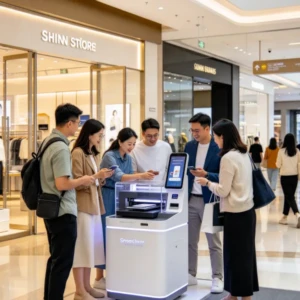
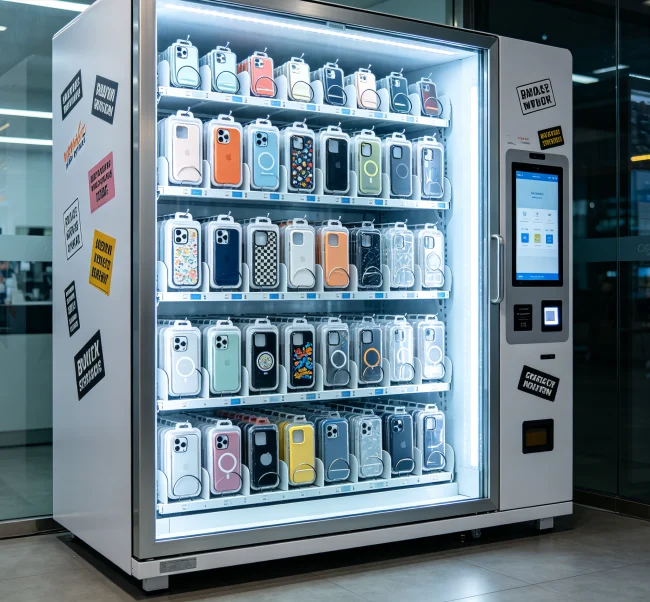
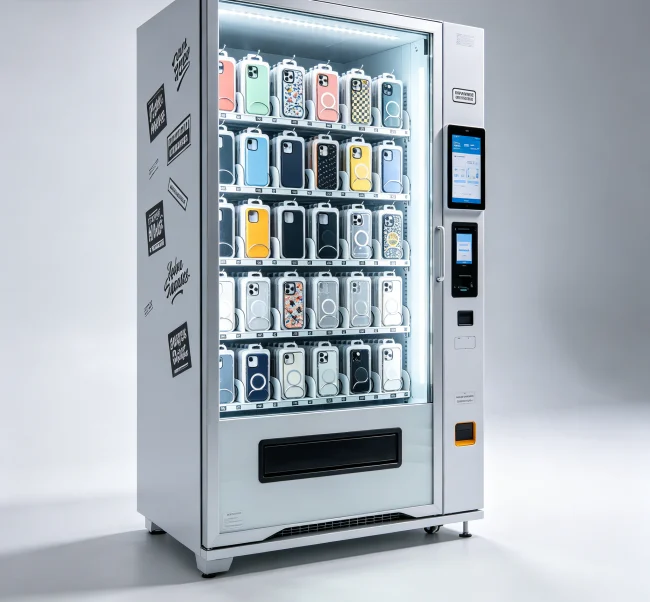
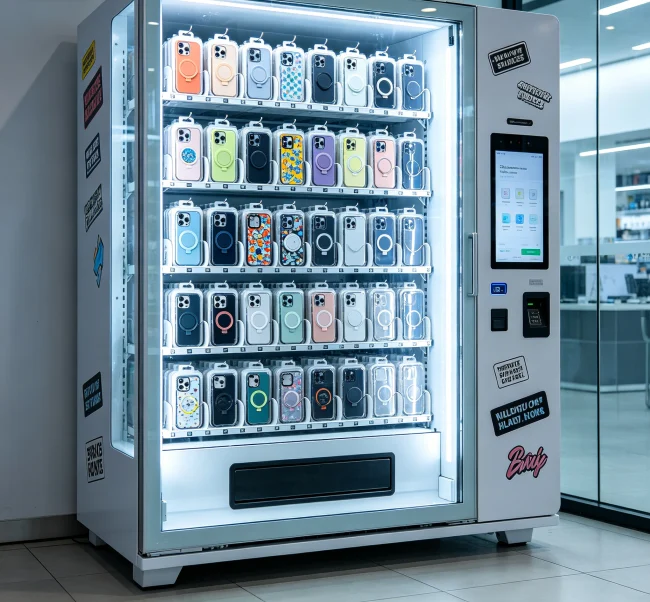
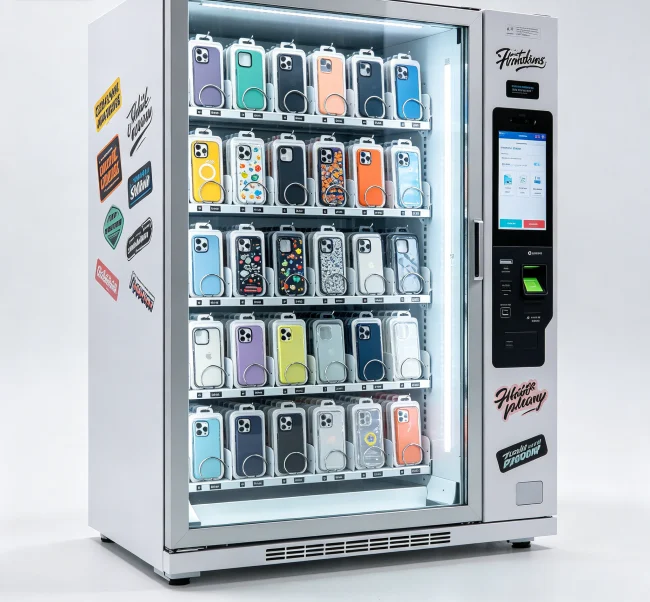
    This is where things get interesting. A phone case vending machine lets you print cases on-demand for customers in real-time. No inventory, no shipping, and you can set up in high-traffic locations.

    The cost breakdown:

  • Machine purchase: $4,000 to $12,000 (depending on features and brand)
  • Installation and setup: $500 to $1,500
  • Location rental: $200 to $1,000/month
  • Materials and supplies: $200 to $500 initially
  • Maintenance and software: $50 to $200/month
  • If you’re curious about specific pricing and ROI calculations for these machines, check out our Phone Case Vending Machine Price Guide 2026. It breaks down exactly what you can expect to spend and earn.

    The Hidden Costs Nobody Talks About
    The Hidden Costs Nobody Talks About

    Most guides skip these, but they’ll eat your budget if you’re not careful.

  • Sample fees: You’ll go through multiple rounds of samples before you’re happy. Budget $100-$300 just for this.
  • Product photography: Good photos sell products. Bad ones kill sales. Expect to spend $100-$500 on a shoot or gear.
  • Marketing spend: You can’t just build a store and wait. Budget $200-$500 for initial ads on Facebook or Instagram.
  • Return and refund costs: Plan for 2-5% of sales to be refunded. That’s money you don’t get back.
  • Software subscriptions: Shopify, email marketing, design tools—these add up to $50-$100/month easily.
  • 💡 Critical Info: New entrepreneurs consistently underestimate marketing costs. A good rule of thumb? Allocate 30% of your total budget to customer acquisition. Even a perfect product won’t sell itself.

    How to Choose the Right Model for Your Budget
    How to Choose the Right Model for Your Budget

    Let’s be real—your budget isn’t just about money. It’s about your time, skills, and risk tolerance too.

    Go with POD if:

  • You have under $500 to start
  • You want to test the market without risk
  • You’re not in a hurry to make big profits
  • Go with DIY if:

  • You have $1,500-$3,000 to invest
  • You want premium quality and higher margins
  • You’re okay with managing inventory
  • Go with a vending machine if:

  • You have $5,000+ available
  • You want a semi-passive income stream
  • You can secure a good location
  • If you’re leaning toward the vending machine route, you might want to read our guide on how profitable phone case printing vending machines really are. The data might surprise you.

    A Realistic Monthly Budget Breakdown
    A Realistic Monthly Budget Breakdown

    Here’s what a modest operation looks like month-to month after launch:

  • POD model: $50-$100/month (platform fees, marketing, samples)
  • DIY model: $200-$500/month (materials, packaging, shipping supplies)
  • Vending machine: $300-$800/month (location rent, materials, maintenance)
  • The key difference? Your profit margins. POD margins are thin (20-40%), DIY margins are solid (50-70%), and vending machine margins can hit 60-80% once you’re established.

    💡 Practical Advice: Start small and reinvest your profits. Don’t dump your entire savings into inventory or equipment day one. Launch with the cheapest viable option, make mistakes cheaply, and scale once you’ve validated your product.

    What About Scaling Up?

    Once you’ve got a proven product and steady sales, scaling costs change again.

  • Bulk inventory orders: $1,000-$5,000 for 500-1000 units
  • Custom packaging: $500-$2,000 for design and minimum order quantities
  • Professional website upgrade: $500-$3,000 for custom development
  • Hiring help: $500-$2,000/month for a VA or part-time employee
  • This is where the real money starts flowing—but also where the real risk kicks in. Don’t scale until you’ve got consistent sales for at least 3 months.

    For those considering the automated route, our guide on what a phone case vending machine actually is explains how these machines work and why they’re becoming popular.

    The Bottom Line on Costs

    Here’s the honest truth: you don’t need a ton of money to start, but you do need a clear plan. The cheapest option (POD at $100-$500) is perfect for testing ideas. The most expensive option (vending machine at $5,000-$15,000) offers the highest potential returns if you execute well.

    Your job isn’t to pick the cheapest or most expensive route—it’s to pick the one that matches your skills, your risk tolerance, and your goals. And whatever you choose, leave room in your budget for mistakes. Because you will make them. We all do.

    If you’re interested in learning more about automated phone case vending solutions and how they might fit your business plan, feel free to reach out to VendingCore for more information. We’ve helped dozens of entrepreneurs get started with the right equipment and strategy.
    Frequently Asked Questions (FAQ)

    A

    Yes, you can start with around $100 using a print-on-demand model. This covers a basic Shopify subscription and a domain name. Just remember you'll need to budget for samples and initial marketing too.

    A

    Vending machines typically offer the highest profit margins at 60-80%, followed by DIY manufacturing at 50-70%. Print-on-demand has lower margins (20-40%) but requires the least upfront investment.

    A

    A quality phone case vending machine costs between $4,000 and $12,000 depending on features, brand, and whether it's new or refurbished. Installation and setup add another $500 to $1,500.

    A

    Yes, you'll need a business license and possibly a seller's permit depending on your location. Check local requirements. This usually costs $50-$200 to set up.

    A

    With POD, you can break even in 1-3 months if you keep costs low. DIY businesses often take 3-6 months. Vending machines typically take 6-12 months to recoup the initial investment.

    A

    The biggest hidden costs are samples, product photography, marketing ads, returns/refunds, and software subscriptions. These can easily add $200-$500 to your initial budget.

    A

    Making them yourself is cheaper per unit ($2-$5 vs $10-$15), but requires higher upfront investment in equipment and materials. Supplier-based models are easier to start but have lower margins.

    A

    Allocate at least 30% of your total budget to marketing. For a $500 startup, that's $150. For a $5,000 startup, that's $1,500. Start small, test ads, then scale what works.

    The biggest mistake I see new phone case entrepreneurs make is underestimating the importance of product quality validation. They rush to launch without ordering samples, and then wonder why customers complain about poor print quality or cases that don't fit properly. Spend the extra $50 on samples upfront. It saves you hundreds in returns and bad reviews later. Also, don't overlook location—whether you're selling online or through a vending machine, understanding where your customers are is half the battle.

    Marcus Chen
    E-commerce Automation Specialist with 8+ years in retail tech

    Ready to Start Your Project?

    Contact us for professional advice and customized solutions

    Contact Now

    Asher

    Technical expert in smart vending solutions and IoT-enabled retail automation. Providing in-depth reviews and comparisons to guide businesses toward the best technology choices.

    Leave a Comment

    Your email address will not be published. Required fields are marked *

    Table of Contents
    0%
    VendingCore
    Privacy Overview

    This website uses cookies so that we can provide you with the best user experience possible. Cookie information is stored in your browser and performs functions such as recognising you when you return to our website and helping our team to understand which sections of the website you find most interesting and useful.