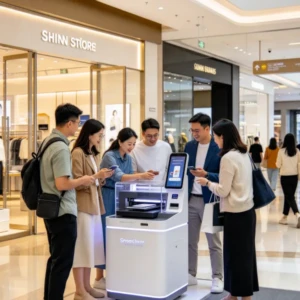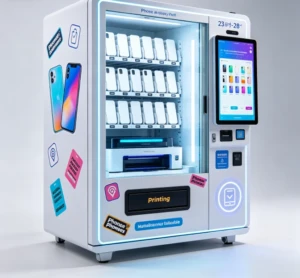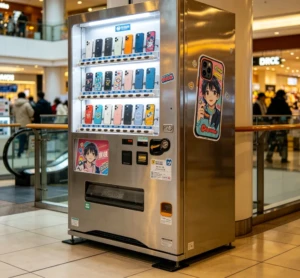
The best phone case vending machine price typically ranges from $8,000 to $25,000 depending on features, printing technology, and supplier reputation. For a fully-loaded DIY unit with AI design software and UV printing, you’re looking at roughly $12,000 to $18,000. These machines let customers design and print custom phone cases on the spot, turning a small footprint into a potentially high-margin business.
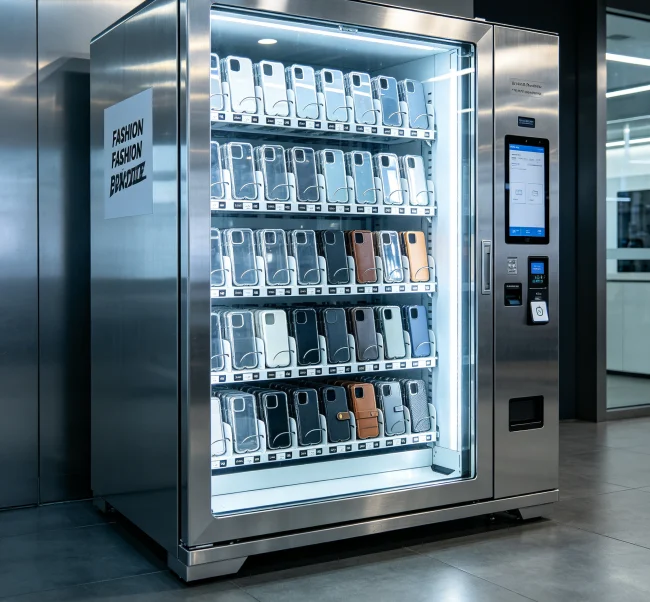
That price range covers a lot of ground, so let’s break it down. Entry-level machines around $8,000 might lack some bells and whistles, while premium units at $20,000+ come with industrial-grade printers, larger touchscreens, and smarter inventory management. The key isn’t just the sticker price, though. You’ve gotta think about total cost of ownership.
Most suppliers don’t list prices publicly. They want you to contact them, which makes comparison shopping a bit of a headache. But here’s the thing — the real question isn’t just “how much does the machine cost?” It’s “what’s my total investment to get this thing up and running?” That includes shipping, installation, initial inventory of blank cases, and ongoing consumables like ink and film.
💡 Money-Saving Tip: Don’t just compare upfront prices. Ask suppliers about consumable costs, warranty terms, and whether software updates are included. A cheaper machine with expensive supplies can cost you more in the long run.
What You’re Actually Paying For
When you see a price tag on a phone case vending machine, you’re not just buying a box with a screen. Here’s what that money covers:
The hardware itself — the cabinet, touchscreen, payment system, and internal mechanics. Higher-end models use sturdier materials and more reliable components. A flimsy machine might save you $3,000 upfront but could break down within a year.
The printing system — this is the heart of the operation. UV flatbed printers are the industry standard. They’re fast, durable, and produce vibrant colors. Cheaper machines might use thermal transfer or inkjet, which can fade or smudge over time. You definitely don’t want that.
Software and AI design tools — the best machines come with built-in design software that lets customers upload photos, add text, or use AI-generated templates. This is what makes the experience fun and easy. Without good software, you’re just selling a printing service, not an experience.
Support and training — some suppliers offer installation, training, and ongoing tech support. Others just ship the machine and wish you luck. That difference can be worth thousands in peace of mind.
Entry-Level vs. Premium: What’s the Difference?
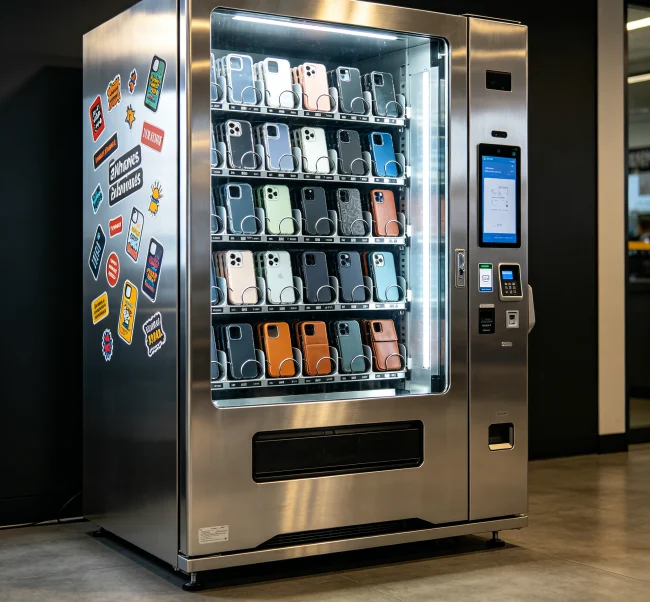
Let’s get real about the trade-offs. A $10,000 machine might seem like a steal, but here’s what you’re usually giving up:
On the flip side, a $20,000 machine typically offers:
Is the premium worth it? For high-traffic locations like malls or tourist spots, absolutely. The extra speed and reliability mean more sales per day. For a low-traffic test run, you might start with something more modest.
Hidden Costs Nobody Talks About
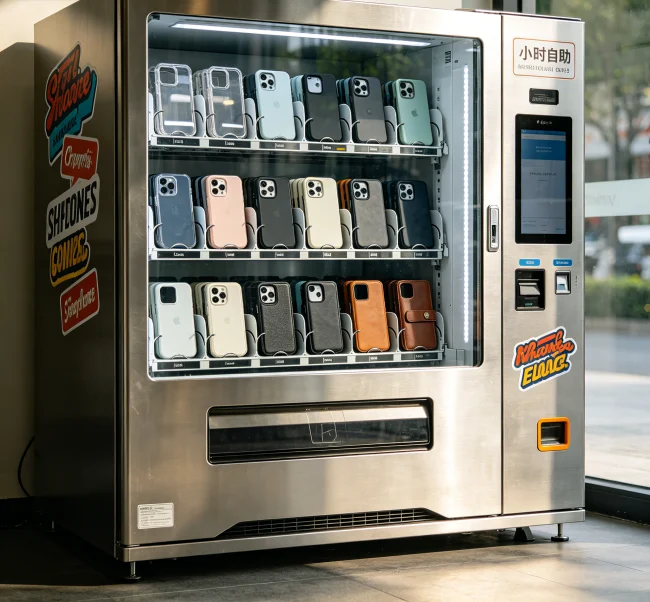
Here’s where most beginners get tripped up. The machine price is just the beginning.
Shipping and customs — these machines are heavy (300-500 lbs) and often ship from overseas. International shipping can add $1,000 to $3,000 depending on your location. Don’t forget import duties too.
Installation and setup — you might need a technician to install and calibrate the machine. Some suppliers include this, others charge extra. Budget $500-$1,500.
Initial inventory — blank phone cases, ink cartridges, and film rolls. A starter kit of 500 cases plus consumables runs about $2,000-$4,000.
Location costs — rent, electricity, and maybe a security deposit. Mall kiosk rent varies wildly, but expect $500-$2,000 per month.
Maintenance and repairs — even the best machines need occasional servicing. Set aside 10-15% of your monthly revenue for maintenance.
💡 Budget Reality Check: Plan for a total startup cost of 1.5x to 2x the machine price. If the machine costs $15,000, have at least $25,000 ready for everything else. Running out of cash after buying the machine is the #1 mistake new operators make.
How to Compare Suppliers Without Losing Your Mind
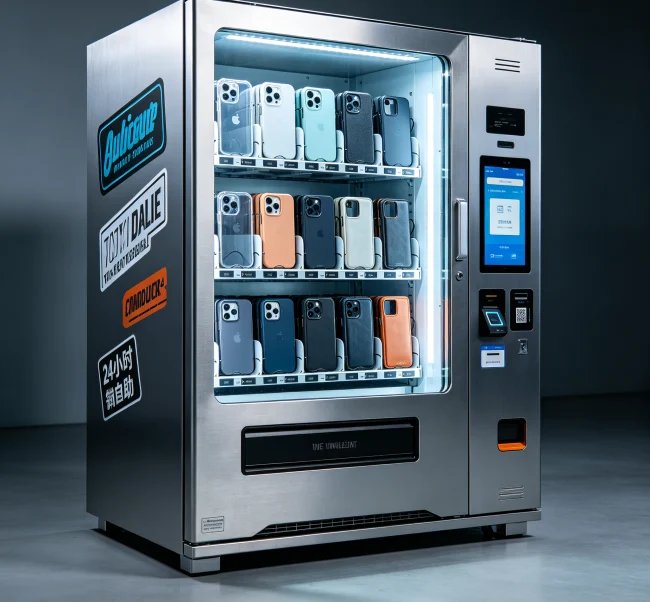
Since most suppliers hide their prices, you need a systematic approach. Here’s what I’d recommend:
For a deeper dive into comparing options, check out our Phone Case Vending Machine for Sale: 2026 Buyers Guide, Pricing & Supplier Tips for a step-by-step framework.
Is It Worth the Investment?
Short answer: yes, if you do it right. A well-placed phone case vending machine can generate $2,000 to $8,000 per month in revenue. With margins of 60-80% on each case (after consumables), you’re looking at a potential payback period of 6 to 18 months.
But location is everything. A machine in a busy mall near the food court will outperform one tucked away in a corner. High foot traffic, impulse buying behavior, and a captive audience (like tourists waiting for something) are your best friends.
The sweet spot? Machines in the $12,000-$18,000 range with good software and reliable hardware. They offer the best balance of upfront cost, features, and long-term reliability.
Want to see how the numbers stack up? Our Phone Case Vending Machine Price Guide 2026: Cost Analysis & ROI Calculator breaks down the math with real-world examples.
💡 Key Takeaway: Don’t obsess over getting the absolute lowest price. A slightly more expensive machine with better support, higher reliability, and lower consumable costs will make you more money in the long run. Think lifetime value, not just upfront cost.