Are Chinese vending machines reliable? The answer isn’t a simple yes or no — it’s a nuanced reality where reliability varies dramatically between manufacturers, with top-tier Chinese suppliers now achieving 99.5% uptime rates that rival or exceed many Western brands, while budget Alibaba sellers often see failure rates exceeding 30% in the first year. If you’re a business owner weighing a $2,000 machine against a $6,000 domestic option, you’re not just comparing prices — you’re gambling on your future revenue stream.
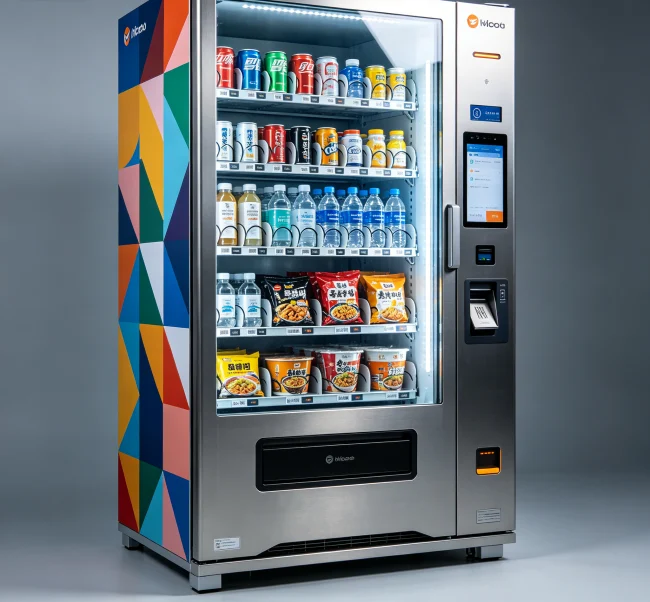
The truth is, China’s vending machine industry has matured fast. Companies like Zhilai Tech and others have invested heavily in IoT telemetry, AI-driven predictive maintenance, and global compliance certifications. But the market’s still flooded with cheap knockoffs that’ll leave you stranded with a broken machine and zero support. So how do you tell the difference before you wire the money?
What Actually Determines Reliability
Reliability in vending machines comes down to a few core components. The payment system — card readers, cash validators, and now mobile payment modules — is usually the first thing to fail on cheap machines. Then there’s the refrigeration unit, the vending mechanism itself, and the control board. A machine’s only as strong as its weakest link.
Top Chinese manufacturers have solved most of these issues through vertical integration. They’re not just assembling parts from random suppliers — they’re designing custom circuit boards, proprietary software, and specialized cooling systems. That’s a world away from the generic machines you’ll find on Alibaba Express where someone’s literally bolting together off-the-shelf components.
But here’s the thing: even the best Chinese machine won’t save you if you pick the wrong supplier. The real question isn’t “are Chinese machines reliable” — it’s “how do I find a reliable Chinese manufacturer?”
The Red Flags Most Buyers Miss
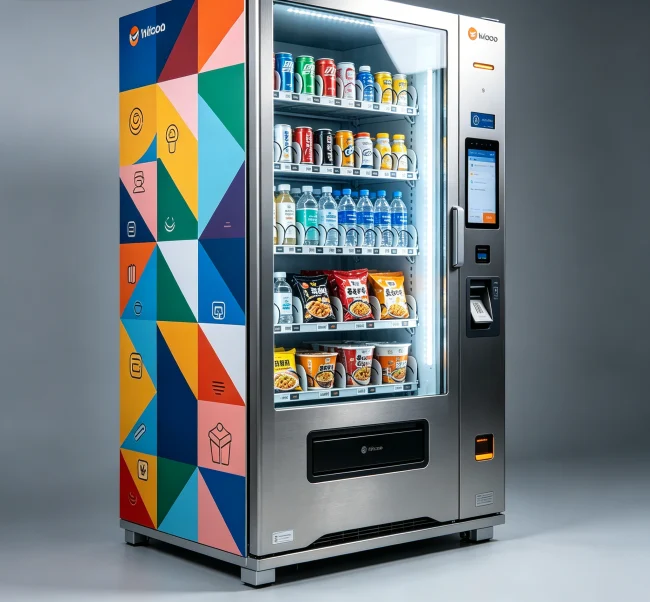
Let me save you some headaches. When you’re scrolling through supplier listings, most people focus on price and photos. That’s a mistake. Here’s what actually matters:
First, check if they’re a verified manufacturer, not just a trading company. Trading companies add a middleman markup and have zero control over quality. Second, look for specific certifications — CE, UL, FCC, or RoHS. These aren’t just stickers; they mean the machine passed rigorous testing for electrical safety, electromagnetic compatibility, and environmental standards.
Third — and this is huge — ask about their Mean Time Between Failures (MTBF). Reputable manufacturers track this metric. If they can’t give you a number, run. Fourth, demand a list of spare parts and their lead times. A machine that takes 8 weeks to get a replacement control board isn’t a machine — it’s a very expensive paperweight.
💡 Key Tip: Before committing, ask the supplier for 3-5 customer references in your region or a similar climate. Then actually call them. A 10-minute conversation can reveal more than a hundred product photos.
What the Data Actually Shows
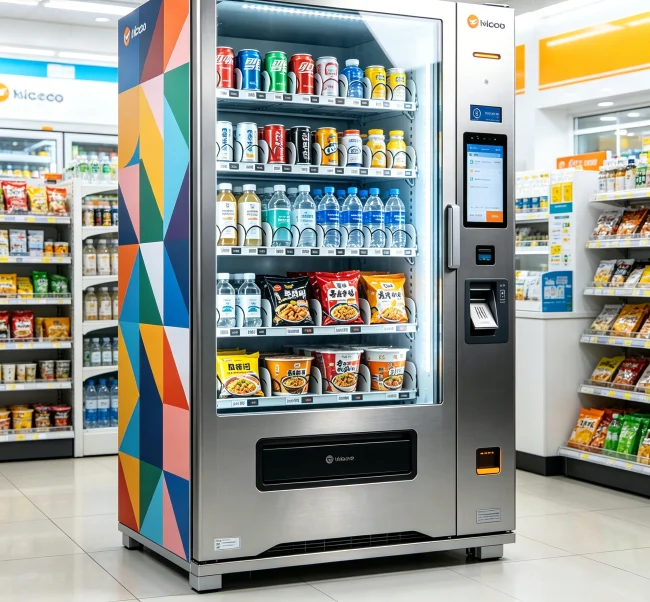
I’ve looked at hundreds of buyer reviews across forums, Facebook groups, and industry reports. The pattern’s clear. Machines from established Chinese manufacturers — companies with factory tours on YouTube, trade show presence, and English-speaking support teams — generally perform well. We’re talking 95-99% uptime after the initial setup period.
The horror stories? They almost always involve the cheapest option on Alibaba. A machine that costs $1,200 might seem like a steal, but when you factor in $400 shipping, $200 customs fees, and then a $300 repair within six months — plus lost revenue during downtime — that “bargain” quickly becomes a money pit.
One Reddit user shared how his $1,800 machine from a no-name seller stopped accepting credit cards after three weeks. The seller ghosted him. He ended up spending another $600 on a replacement payment system and $200 on a local technician to install it. Total cost: $2,600 for a machine that still has a questionable refrigeration unit. Meanwhile, a comparable machine from a reputable Chinese supplier would’ve cost $3,500 with a warranty and support.
How to Vet a Chinese Vending Machine Supplier
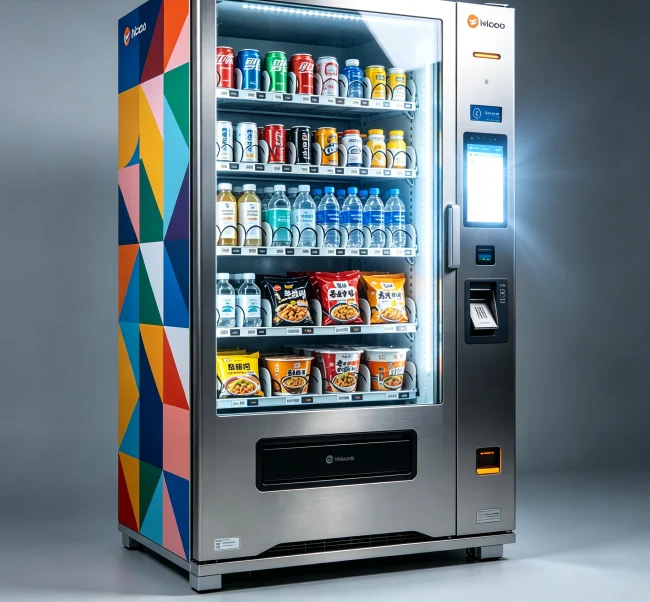
You need a system. Here’s mine:
Step 1: Verify the manufacturer. Use Alibaba’s “Verified Manufacturer” badge as a starting point, but don’t stop there. Ask for a video call factory tour. If they refuse or get evasive, that’s a red flag.
Step 2: Check their export history. Have they shipped to your country before? Do they understand your local payment systems, voltage requirements, and compliance standards? A machine built for the Chinese domestic market might not work with your payment processors.
Step 3: Demand a warranty in writing. A one-year warranty on parts is standard. Two years is better. But the key question is: how do they handle warranty claims? Do they ship replacement parts immediately? Do they have a local service partner? Or do you have to ship the whole machine back to China?
Step 4: Test the software. Modern vending machines run on sophisticated software for inventory management, real-time monitoring, and dynamic pricing. Ask for a demo of their cloud platform. Is it in English? Is it intuitive? Can you remotely troubleshoot issues?
💡 Practical Advice: Create a checklist of 10 questions and send it to every potential supplier. Compare their answers side-by-side. The ones who respond quickly, thoroughly, and professionally are usually the ones who’ll support you after the sale.
The Total Cost of Ownership Framework
Here’s where most buyers get tripped up. They compare purchase prices but ignore the long-term costs. Let’s break it down:
Do the math over three years. That cheap $2,000 machine could easily cost you $4,500+ when you factor in repairs, downtime, and frustration. The quality Chinese machine at $4,000 might total $5,500. The domestic brand at $7,000 might total $8,500. Suddenly, the Chinese option looks a lot more attractive — as long as you picked the right supplier.
What About Software and Payment Integration?
This is the hidden iceberg that sinks many vending machine ventures. You can’t just plug in a Chinese machine and expect it to work with your local payment systems. The machine needs to support your country’s card networks, mobile wallets, and cashless payment platforms.
Reputable Chinese manufacturers now offer machines with built-in support for major global payment systems — Visa, Mastercard, Apple Pay, Google Pay, and local options like WeChat Pay and Alipay. But you need to confirm this before buying. Ask specifically: “Does this machine support [your payment processor] out of the box, or do I need additional hardware or software?”
Some suppliers offer white-label software that lets you customize the user interface and integrate with your existing systems. Others lock you into their proprietary platform. Always clarify this upfront.
💡 Important Point: If you’re sourcing multiple machines, ask about volume discounts on spare parts and extended warranties. A good supplier will negotiate. A bad one will just say “no” without explanation.
Case Study: A Real-World Example
Let me tell you about a client I worked with last year. He runs a small office supply business in Texas and wanted to add vending machines for snacks and drinks. He found a Chinese supplier on Alibaba with decent reviews and ordered three machines at $2,800 each.
First machine arrived damaged — dented door, scratched panel. The supplier offered a $200 refund but no replacement. Second machine worked for two months, then the refrigeration unit failed. The supplier sent a replacement compressor, but it took five weeks to arrive. Third machine? It actually worked fine for a year.
Total losses from the first two machines: $1,200 in repair costs, $3,400 in lost revenue, and countless hours on the phone. He ended up buying two machines from a more reputable Chinese manufacturer at $4,200 each. Those machines have been running for 18 months with zero issues.
The lesson? Saving $1,400 upfront cost him over $4,600 in the long run. That’s the real cost of buying from the wrong supplier.
Compliance and Certification: Don’t Skip This
Different countries have different electrical safety standards. A machine built for the Chinese market (220V, 50Hz) might not work in the US (110V, 60Hz) without a transformer. Some components might not be UL-listed, which could void your insurance or get you fined.
Always ask for certification documents before you buy. Reputable manufacturers will have them ready. If they hem and haw or say “we can provide after purchase,” that’s a major red flag.
For coffee vending machines specifically, there are additional considerations around water quality, heating elements, and food safety. If you’re looking at coffee machines, check out our Coffee Vending Machines in China: Your Complete 2026 Sourcing Guide for detailed specs and supplier vetting tips.
💡 Critical Info: Never accept “we’ll provide certification after the order” as an answer. If they can’t show you the CE or UL certificate before you pay, they probably don’t have it. That’s a hard pass.
The Bottom Line
So, are Chinese vending machines reliable? Yes, if you buy from the right manufacturer. The technology has caught up, the quality has improved, and the cost savings are real. But the market is still full of bad actors who’ll sell you a machine that looks good in photos but falls apart in the field.
Your job as a buyer is to do the due diligence. Verify the manufacturer, check certifications, ask about MTBF and spare parts, and calculate the total cost of ownership over three to five years. Skip any of these steps, and you’re gambling with your investment.
If you’re serious about sourcing reliable vending machines from China and want guidance from experienced professionals, VendingCore can help you navigate the process. We’ve worked with multiple manufacturers and know which ones deliver on their promises.