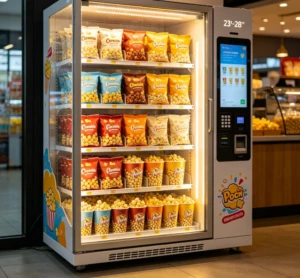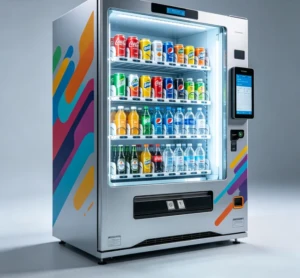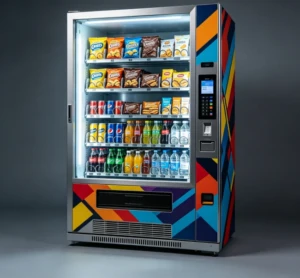
Used vs new vending machine which is better? The answer isn’t black and white, but here’s the data: a new machine costs $3,000–$8,000 while a used one runs $1,000–$3,500, yet 40% of used machines need a major repair within the first year. For a small operator starting out with a tight budget, used machines can work if you’re careful, but for anyone planning to scale or run a long-term business, new machines almost always win on total cost of ownership over 3–5 years.
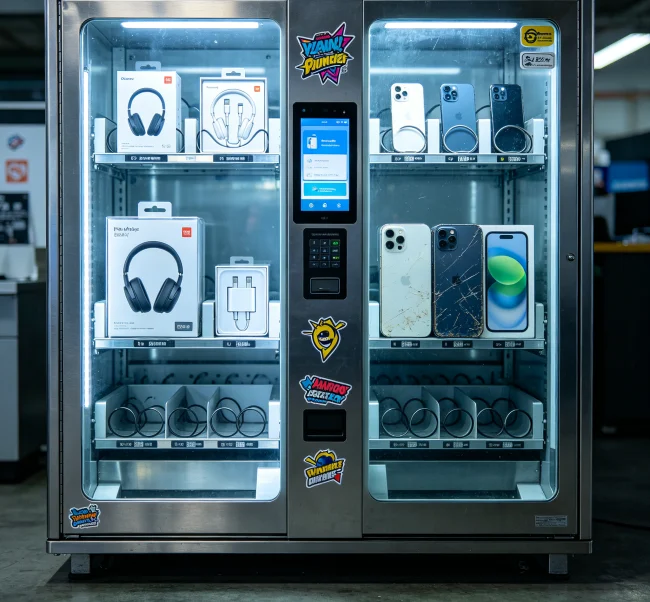
Let’s break this down properly. I’ve seen too many people jump into vending thinking they’ll save a bundle on a used machine, only to get burned by breakdowns and outdated tech. And I’ve also seen folks overspend on brand-new equipment when a well-refurbished unit would’ve done the job just fine. So which camp should you be in?
The Real Cost Picture: Upfront vs. Long-Term
Here’s where most people get tripped up. They look at the sticker price and call it a day. But that’s like buying a used car based solely on the asking price without checking the engine.
New machines typically cost $3,000 to $8,000 depending on features, brand, and size. You’re getting the latest tech — cashless payments, telemetry (remote monitoring), energy-efficient LED lighting, and modern refrigeration. Most come with a 1–2 year warranty, and you can expect 10–15 years of reliable service with proper maintenance.
Used machines range from $1,000 to $3,500. Sounds great, right? But here’s the catch — that $1,000 machine might need $500–$1,200 in repairs within 12 months. And if it’s 10+ years old, you’re looking at a machine that might only last 3–5 more years before it’s essentially scrap.
| Factor | New Machine | Used Machine |
|---|---|---|
| Upfront Cost | $3,000 – $8,000 | $1,000 – $3,500 |
| First-Year Repairs | $0 – $200 (under warranty) | $300 – $1,200 |
| Annual Maintenance | $200 – $400 | $400 – $800 |
| Expected Lifespan | 10–15 years | 3–7 years (remaining) |
| Tech Features | Latest (cashless, telemetry) | Often outdated (coin-only) |
💡 Key Tip: Calculate your 5-year total cost, not just the purchase price. A $2,000 used machine with $1,000 in yearly repairs costs you $7,000 over 5 years — more than a $5,000 new machine with $300 yearly maintenance.
Reliability: The Hidden Risk With Used Machines
I’m not saying all used machines are ticking time bombs. But let’s be real — most used machines on the market are being sold because the previous owner upgraded for a reason. Maybe the compressor was starting to fail, or the payment system was obsolete.
The biggest reliability issues I’ve seen with used machines:
New machines? You’re getting everything factory-fresh with modern components designed to last. The peace of mind alone is worth something.
Technology: This is Where New Machines Dominate
Here’s a question for you — do you want to drive to every machine location just to check inventory? Or would you rather see real-time sales data, inventory levels, and error alerts from your phone?
That’s the difference between a new machine with telemetry and an old one without it.
New machines come with:
Used machines (especially pre-2015 models) often have:
If you’re serious about running a vending machine business in 2026, you need cashless payments. Period. Customers expect it. And that alone might make a new machine the better choice even if the upfront cost stings.
💡 Practical Advice: If you buy used, budget $400–$700 immediately to upgrade the payment system to a modern card reader. A machine that can’t take cards in 2026 is a money-loser from day one.
When Used Machines Actually Make Sense
Okay, I’ve been hard on used machines, but they’re not all bad. There are specific situations where buying used is the smart move.
You have under $3,000 total budget. If that’s your reality, you can’t afford new. Period. Buy one quality used machine from a reputable refurbisher, not some random guy on Facebook Marketplace. Look for machines that have been professionally inspected and come with a 30–90 day warranty.
You want to test the waters. Starting small with one or two used machines to learn the ropes before scaling up? Smart. You’ll make mistakes — we all do — and it’s better to make them on a $2,000 machine than a $7,000 one.
You’re putting machines in low-risk, low-traffic locations. A break room in a small office with 20 employees? A used machine is fine there. The volume doesn’t justify the investment in new equipment.
You know how to do basic repairs. If you’re handy with tools and understand refrigeration systems, you can save a fortune fixing used machines yourself. But if you’re calling a technician every time something breaks, those savings vanish fast.
For more details on what you can expect to pay, check out this vending machine cost guide that breaks down prices for both new and used options.
The Maintenance Reality Check
Let me paint you a picture. You buy a used machine for $2,000. Three months in, the compressor stops cooling. You call a repair guy — $150 just for the visit. He tells you the compressor needs replacing — $500 for the part, $200 for labor. Total: $850. Your “bargain” machine now costs $2,850.
Meanwhile, your friend who bought a new machine for $5,000 is still under warranty. His compressor fails? Free repair. He’s spending $0 on unexpected repairs while you’re $850 in the hole.
And it’s not just compressors. Used machines have a way of nickel-and-diming you. Bill validator jams. Coin mechanism errors. Door switches failing. Each visit from a technician costs $100–$200 minimum.
New machines aren’t immune to problems, but they’re far less likely to have them in the first 5 years. And when they do, the warranty covers it.
💡 Critical Info: Always ask the seller for maintenance records on a used machine. If they can’t provide any, assume it’s had zero maintenance and budget $500–$1,000 for immediate service.
Resale Value: Another Angle to Consider
Here’s something most comparison guides don’t mention — what happens when you want to sell the machine.
A new machine you buy for $6,000 today might be worth $3,000–$4,000 in 5 years, assuming it’s in good condition. That’s 50–67% of your original investment back.
A used machine you buy for $2,000? In 5 years, it’ll be 15+ years old. Good luck getting more than $500 for it. Maybe $1,000 if it’s a well-known brand and still running perfectly.
So the real cost of ownership isn’t just what you pay upfront minus what you spend on repairs. It’s also what you get back at the end.
New machine: $6,000 – $3,500 resale = $2,500 net cost over 5 years (plus maintenance)
Used machine: $2,000 – $500 resale = $1,500 net cost over 5 years (plus maintenance)
See how the gap narrows? And when you factor in higher revenue from modern payment systems and better reliability, the new machine often comes out ahead in actual profit generated.
Brand Matters: Not All Used Machines Are Equal
If you’re going used, stick with proven brands. Here’s my quick rundown:
Dixie Narco — These things are tanks. Built like a refrigerator from the 1950s. Parts are everywhere. A well-maintained Dixie Narco from 2010 is probably still running strong. Good choice for used.
Crane Merchandising — Solid machines, but some models have proprietary parts that cost more. Do your research on the specific model.
AMS (Automatic Merchandising Systems) — Great for snacks. The Sensit line is known for reliability. Parts availability is decent.
Royal Vendors — Another workhorse brand. Their machines are simple and easy to repair. Good for beginners buying used.
Avoid no-name brands — Seriously. If you can’t easily find parts online, walk away. You’ll regret it the first time something breaks.
For a broader look at what’s available and what to expect price-wise, check out this vending machines for sale buyer’s guide.
Making Your Final Decision
So what’s the verdict? Here’s my honest take based on years in this industry:
Buy new if:
Buy used if:
And here’s a middle path worth considering — refurbished machines from a reputable dealer. These aren’t your average used machines. A good refurbisher replaces the compressor, upgrades the payment system, installs LED lighting, and tests everything thoroughly. You’ll pay $2,500–$4,000, which is more than a random used machine but way less than new. And you get something close to new reliability.
💡 Key Takeaway: Whatever you choose, prioritize machines with cashless payment capability and remote monitoring. These two features alone can increase your revenue by 20–40% compared to older machines.