
how much does it cost to start vending machine business — you’re looking at a total investment between $2,000 and $10,000 for a single machine, with the average startup landing around $3,000 to $5,000. That covers the machine itself, initial inventory, payment system setup, and a few months of operating costs. Most people start with used or refurbished machines to keep costs down, then scale up once they see cash flow coming in.
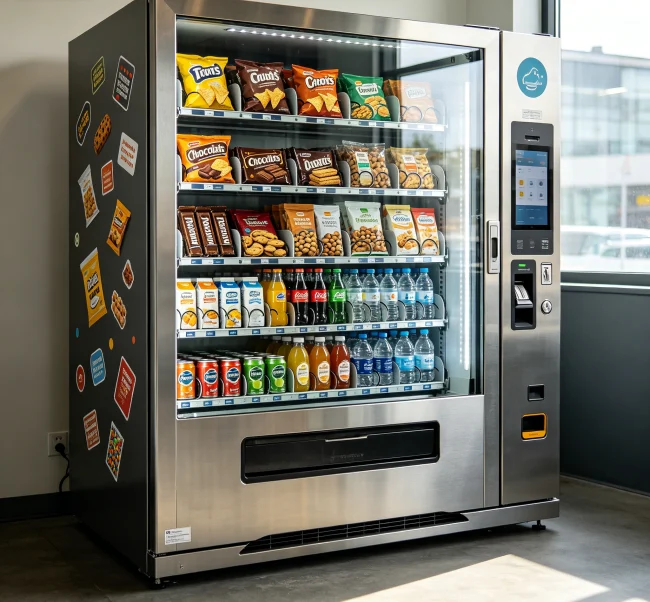
Here’s the thing — that range is broad because the type of machine you choose changes everything. A basic snack and drink combo unit runs differently than a specialized frozen food or electronics vending machine. And your location matters just as much as the equipment. Let’s break down exactly where every dollar goes.
Where Does Your Money Actually Go?
The biggest chunk is the machine. No surprise there. But there’s a lot more hiding underneath that surface.
| Cost Category | Budget Option | Mid-Range | Premium |
|---|---|---|---|
| Machine (new or used) | $1,500 – $3,000 | $3,000 – $6,000 | $6,000 – $12,000+ |
| Payment system (card reader) | $200 – $400 | $400 – $800 | $800 – $1,500 |
| Initial inventory | $300 – $600 | $600 – $1,200 | $1,200 – $2,500 |
| Location placement fee | $0 (commission-based) | $50 – $200/month | $200 – $500/month |
| Business license & permits | $50 – $200 | $200 – $500 | $500 – $1,000 |
| Transport & setup | $100 – $300 | $300 – $600 | $600 – $1,200 |
See the pattern? The low end gets you in the game for around $2,000. But most successful operators I’ve worked with land in that $4,000 to $7,000 sweet spot for their first machine. It gives you room for a decent unit and enough inventory to actually test what sells.
New vs. Used — The Real Trade-Off
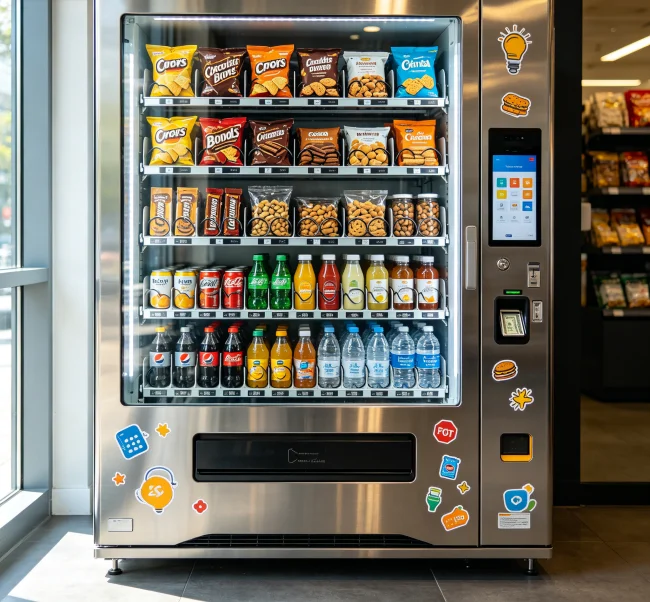
Buying a used machine saves you upfront cash. But here’s the catch — older machines break more often. And every time your machine is down, you’re losing money.
A refurbished machine from a reputable dealer might cost $2,500 to $4,000. That’s half the price of a new one. But you need to check the compressor, the payment system compatibility, and whether parts are still available. Some older models are nightmares to maintain.
New machines, on the other hand, come with warranties and modern features like remote monitoring and cashless payments built in. A new combo machine (snacks + drinks) runs about $5,000 to $8,000. You pay more upfront, but your maintenance costs stay predictable for the first few years.
💡 Practical Advice: If you’re under $3,000 total budget, start with one high-quality used machine rather than two cheap ones. One reliable machine beats two broken ones every time.
The Hidden Costs Nobody Talks About
Most articles stop at the machine and inventory. But real operators know there’s more.
Payment processing fees — those card readers aren’t free. You’ll pay 2% to 5% per transaction plus monthly fees of $10 to $30. That adds up fast when 60% of your sales are cashless.
Location commissions — some locations want a cut. A hospital or busy office building might ask for 10% to 20% of gross sales. Others charge a flat monthly fee. Factor this into your pricing from day one.
Inventory spoilage — you will throw away expired products. Budget 5% to 10% of your inventory cost for this. It’s normal. Don’t panic.
Transportation — moving a 400-pound machine isn’t something you do with your sedan. You’ll need a truck, a dolly, and probably a helper. Budget $200 to $500 for delivery and installation.
How Many Machines Do You Actually Need?
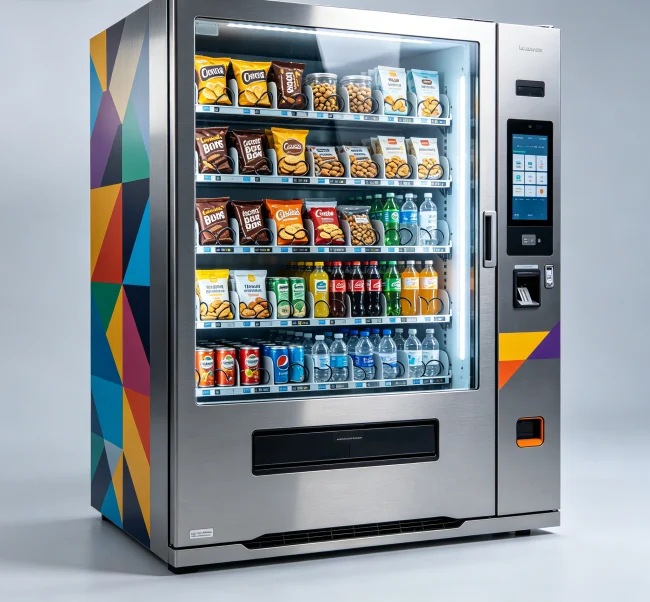
Here’s where most beginners get it wrong. They think one machine will replace their day job. Realistically, you need 5 to 10 well-placed machines to generate meaningful income. That means your total startup for a small fleet is more like $15,000 to $50,000.
But you don’t need all that money at once. Start with one. Prove the concept. Reinvest the profits. That’s how smart operators build their vending machine business without taking huge risks.
💡 Key Tip: Don’t buy multiple machines until your first one is consistently profitable for at least 3 months. Patience here saves you from costly mistakes.
What About Ongoing Costs?
Starting is one thing. Keeping the machine running is another. You’ve got restocking trips, product costs, credit card fees, and occasional repairs. Do vending machines still make money after all these costs? Absolutely — if you manage them right.
Monthly operating costs for a single machine usually run $200 to $500 depending on location and product type. That includes restocking, fees, and a small repair reserve. If your machine does $800 to $1,500 in monthly sales, you’re looking at a healthy profit margin.
Financing Options — Can You Start With Less?
You don’t always need all the cash upfront. Some options:
Just be careful with interest rates. Some financing deals eat into your profits for years.
💡 Critical Info: Never finance a machine at more than 15% APR. The profit margins in vending are good, but not that good. Cash or low-interest options only.
The Machine Type That Saves You Money
Not all machines cost the same to run. Here’s a quick look at what different types typically set you back:
| Machine Type | New Cost | Used Cost | Monthly Operating |
|---|---|---|---|
| Snack only | $3,000 – $5,000 | $1,500 – $3,000 | $150 – $300 |
| Drink only | $3,500 – $6,000 | $2,000 – $4,000 | $200 – $400 |
| Combo (snack + drink) | $5,000 – $8,000 | $3,000 – $5,000 | $250 – $500 |
| Frozen food | $6,000 – $12,000 | $4,000 – $7,000 | $300 – $600 |
Combo machines are the most popular for a reason. They maximize sales per square foot and let you serve both thirst and hunger at the same location. That’s why most vending machines are profitable when placed right.
What $5,000 Actually Buys You
Let’s get specific. With $5,000, here’s a realistic breakdown:
That’s a real, workable setup. You’ll be lean but operational. And if you choose your location wisely, you could recoup that investment in 6 to 12 months.
💡 Important Point: Keep at least 10% of your startup budget as a repair reserve. Machines break. Having cash ready keeps you from losing weeks of sales waiting for parts.
The Smartest Way to Start Today
Here’s the honest truth — you don’t need $10,000 to start. But you shouldn’t start with less than $2,500 either. That sweet spot gives you a decent used machine, enough inventory, and a safety net.
Start by scouting locations first. Find a spot with high foot traffic and no existing vending options. Then buy the machine. That order matters more than you think.
If you want to skip the learning curve, platforms like VendingCore offer ready-to-deploy solutions with vending machines that are already tested and optimized for real-world performance. They handle the equipment side so you can focus on location scouting and growing your route.
1 Comments