Are cigarette vending machines legal in the United States? Yes, but with a catch — they’re legal in about 30 states, but the remaining 20 plus D.C. have outright bans or restrictions so tight they might as well be illegal. The short answer is that no, you can’t just buy a machine, plug it in, and start selling smokes like it’s 1965. The legal landscape is a patchwork mess of federal mandates, state-level quirks, and local ordinances that’ll make your head spin.
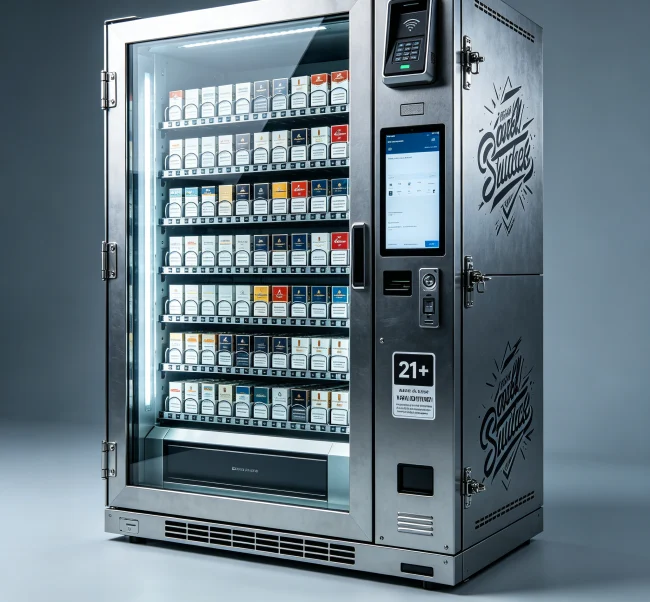
For most people asking this question — whether you’re a bar owner, a collector, or just someone nostalgic for the old days — the real answer depends entirely on where you live and where you plan to put the machine. Let’s break down what you actually need to know.
💡 Your First Step: Before buying any equipment, check your state’s specific laws. A machine legal in Texas might land you in hot water in California. This isn’t one-size-fits-all territory.
The Federal Law That Changed Everything
Back in December 2019, the federal government dropped a bombshell that reshaped the entire cigarette vending machine industry. The Tobacco 21 Act (part of the appropriations bill) raised the minimum age to buy any tobacco product — including cigarettes — from 18 to 21. This wasn’t a suggestion. It’s the law of the land.
What does this mean for vending machines? Simple. If your machine doesn’t have a mechanism to verify the buyer is 21 or older, you’re breaking federal law. No exceptions.
The FDA now regulates all tobacco product sales, including vending machines. They require that any cigarette vending machine must be located in a facility where people under 21 are never allowed. That’s a pretty narrow list of places. We’re talking about bars that don’t allow minors, adult-only clubs, casinos, and similar restricted-access venues.
Here’s the kicker — even if you’re in a state that technically allows cigarette vending machines, you still need to comply with federal regulations. And the FDA doesn’t mess around. Violations can result in warning letters, civil money penalties, and even no-tobacco-sale orders that shut down your entire operation.
The State-by-State Nightmare
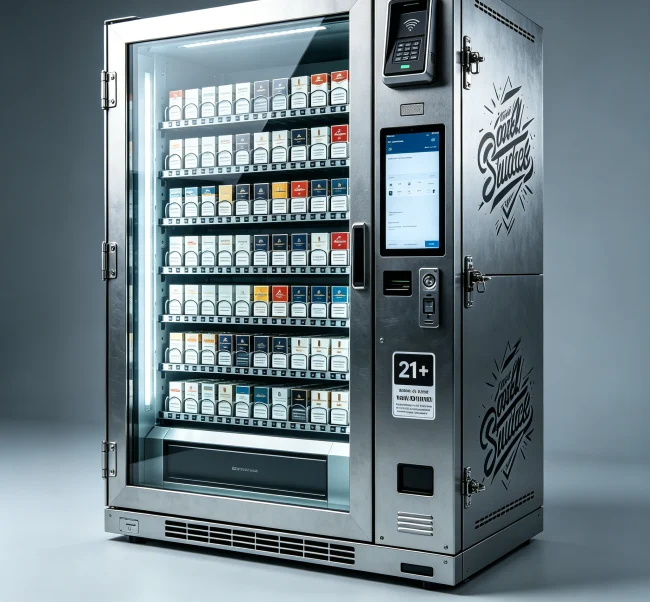
This is where things get really complicated. Some states have embraced the federal framework and added their own layers. Others have said “no thanks” to vending machines entirely.
Let’s look at the extremes:
California — Pretty much a no-go zone. The state bans cigarette vending machines everywhere except in bars and nightclubs that restrict entry to adults 21+. Even then, the machine must be under direct supervision of an employee. Good luck finding a compliant spot.
New York — Even stricter. Cigarette vending machines are banned entirely except in certain licensed premises like cigar bars and tobacco shops. And those places need special permits that are hard to come by.
Texas — More relaxed. You can have cigarette vending machines in places like bars, restaurants, and hotels, as long as they’re in areas not accessible to minors. But you still need to follow federal age verification rules.
Florida — Legal in establishments that prohibit minors, but with specific location requirements. The machine has to be within sight of an employee or in a locked area.
Nevada — As you’d expect from Vegas, it’s more permissive. Machines are allowed in casinos, bars, and similar adult venues. But even here, there are rules about placement and supervision.
The problem? These laws change. States update their regulations more often than you’d think. What was legal last year might not be legal today.
⚠️ Critical Warning: Never assume a state is “safe” based on old information. Check your state’s current statutes and local county/city ordinances. Municipal laws can be even stricter than state laws.
Can You Own One for Personal Use?
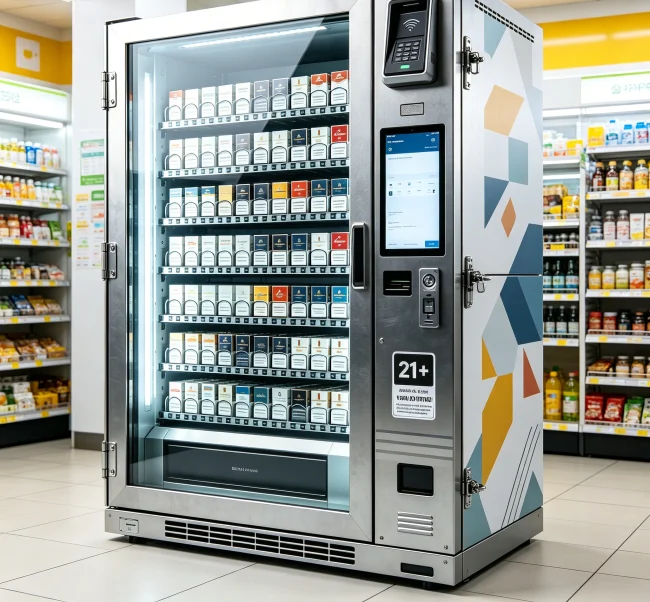
This is a popular question from collectors and people who want a vintage machine for their man cave or home bar. The answer? Usually yes, but with a major caveat.
Owning a cigarette vending machine as a collector’s item or for personal use in your home is generally legal. The problem starts when you actually put cigarettes in it and make it available to others — even if those “others” are just your friends at a party.
Technically, if you have a machine in your private residence and you’re the only one using it, you’re probably fine. But the moment it becomes accessible to anyone else — guests, family members, visitors — you could be violating both federal and state laws.
Some states have specific exemptions for private collections. Others don’t. And remember, the Tobacco 21 Act applies to all sales, including “sales” that might be considered informal or non-commercial. The FDA has broad authority here.
What About Age Verification Technology?
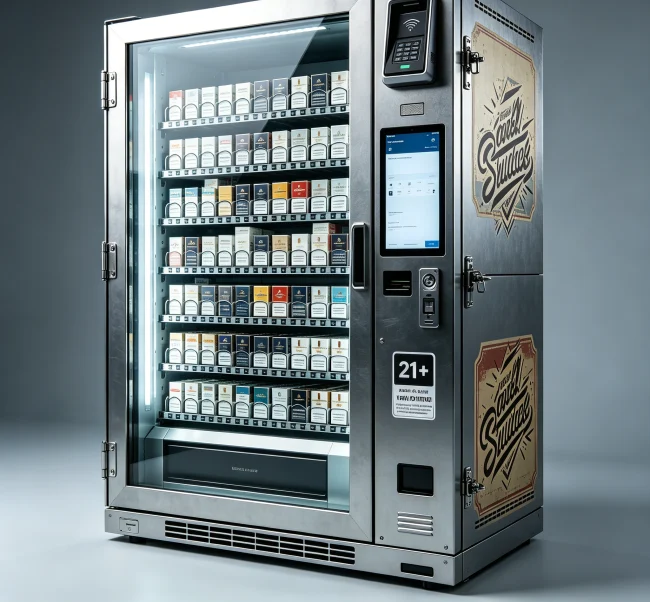
This is where the industry has evolved. Modern cigarette vending machines aren’t your grandpa’s coin-operated metal box. Today’s compliant machines use sophisticated age verification systems.
You’ve got a few options:
The FDA hasn’t mandated a specific technology. They just require “reasonable reliance” on age verification. But when you’re dealing with potential fines of thousands of dollars, “reasonable” means you better have a solid system in place.
💡 Practical Advice: If you’re serious about operating cigarette vending machines, invest in ID scanner technology upfront. It’s more expensive initially, but it saves you from legal headaches and shows regulators you’re taking compliance seriously.
Risks and Penalties — Don’t Ignore This
Let’s talk about what happens if you get caught violating these laws. It’s not pretty.
The FDA can issue warning letters for first offenses, but repeat violations bring civil money penalties. We’re talking up to $15,000 per violation for retailers. And if you’re operating multiple machines across multiple locations? That adds up fast.
State penalties vary wildly. In California, you could face fines up to $5,000 per violation plus potential criminal charges. In New York, violations can result in license revocation for the establishment. That’s a bar losing its liquor license because of a cigarette vending machine — talk about a domino effect.
Criminal penalties are rare but possible, especially for willful violations. And here’s something most people don’t consider: liability. If a minor gets sick or dies from tobacco products purchased from your machine, you could face civil lawsuits that bankrupt you.
The Future of Cigarette Vending Machines
Is there any hope for this industry? Honestly, it’s complicated.
On one hand, the trend is toward tighter regulation. More states are considering bans or stricter requirements. The federal government keeps pushing for more oversight. Public health advocates want cigarettes treated like controlled substances.
On the other hand, technology is making compliance easier. Smart vending machines with biometric verification and real-time age checking could actually be more effective at preventing underage sales than human cashiers. Some industry insiders argue that well-regulated vending machines could reduce illegal street sales.
The wild card? Electronic cigarettes and vaping products. The legal landscape for those is even more chaotic, and some states are lumping them together with traditional cigarettes. Others are creating separate categories with different rules.
If you’re thinking about getting into this business, you need to stay informed. Laws change. Technology evolves. What works today might be obsolete tomorrow.
🔍 Key Takeaway: The cigarette vending machine market isn’t dead, but it’s highly specialized. Success requires understanding both federal and state regulations, investing in proper age verification technology, and choosing your locations carefully. This isn’t a passive income play — it’s active compliance management.
How VendingCore Can Help
Navigating this legal maze is tough. That’s where experience matters. At VendingCore, we’ve helped operators across the country understand their local requirements and set up compliant vending operations. From advising on the right age verification technology to helping you understand state-specific placement rules, we’ve seen it all.
If you’re serious about exploring cigarette vending machines — whether for commercial operation or personal collection — reach out to us. We can point you in the right direction and help you avoid the common pitfalls that trip up newcomers.