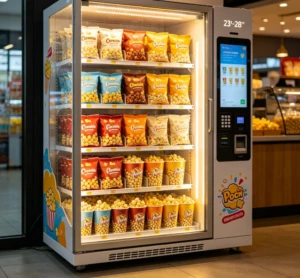
The cost to play a Lucky Box vending machine typically ranges from $5 to $25 per play, with the most common price points being $10 or $20 on the Las Vegas Strip. These machines, which dispense mystery boxes containing everything from cheap toys to high-value collectibles like graded trading cards, have exploded in popularity at tourist hotspots. You’ll find them in venues like the World Square Arcade, inside certain casinos, and even at conventions.
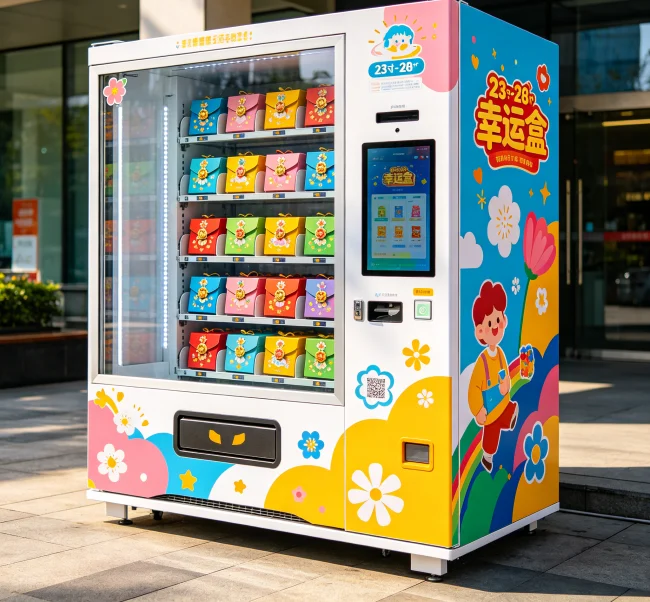
The price isn’t just random, though. It’s usually tied to the potential value of the prizes inside. A $5 machine might have a top prize worth $50, while a $20 machine could contain items valued at $200 or more. But here’s the thing—the actual value you get is never guaranteed. That’s the whole point of a Lucky Box. It’s gambling-adjacent entertainment, and that’s exactly why people are both fascinated and frustrated by it.
💰 Smart Player Tip: Before you put money in, watch a few people play first. This gives you a real sense of what prizes are actually coming out, not just what’s displayed in the machine.
Why the Price Varies So Much
You might be wondering why some machines cost $5 and others $25. It’s not arbitrary. The price reflects a few key factors:
First, the location matters big time. A machine inside a high-traffic area like the Miracle Mile Shops will often have higher prices than one tucked away in a smaller arcade. Operators know people on vacation are more willing to spend.
Second, the prize pool dictates the cost. Machines stocked with high-end electronics, autographed memorabilia, or graded PSA 10 trading cards will cost more per play. The operator needs to recoup their investment in those premium items.
Third, the machine’s brand and technology play a role. Some newer machines have digital displays, better security, and more sophisticated randomization algorithms. Those cost more to buy and maintain, and that gets passed to you.
What You Actually Get for Your Money
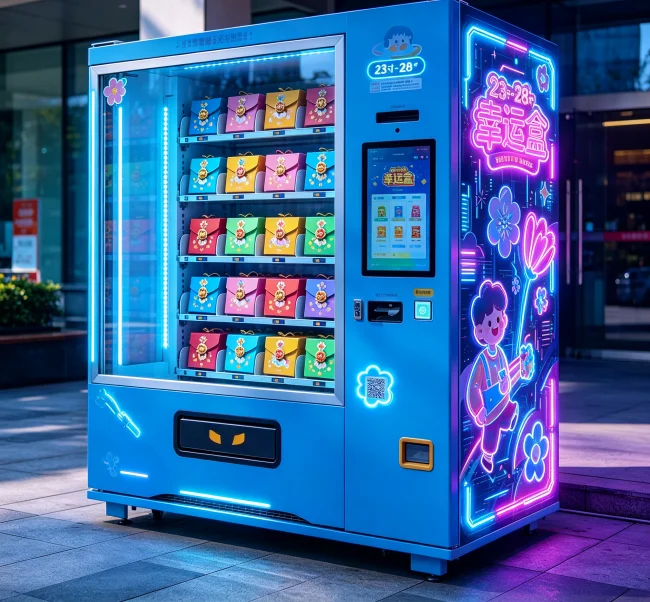
Here’s the honest truth—most players don’t walk away with something worth more than they paid. That’s not a knock on the machines; it’s just the math. The operator needs to make a profit, and the thrill is in the chance, not the guarantee.
But there are exceptions. I’ve seen people pull $200 graded cards from $10 machines. I’ve also seen people spend $60 chasing that one item and walk away with three cheap keychains. The randomness is real.
Some machines now display the exact odds for each prize tier, which is a step toward transparency. Others don’t, which is a red flag. If you’re thinking about playing, look for machines that show you the probability of winning each item.
🎲 Key Takeaway: Treat Lucky Box machines as entertainment, not investment. Set a budget before you start—say $20 or $30—and stop when you hit it. The house always wins in the long run.
Location Matters More Than You Think
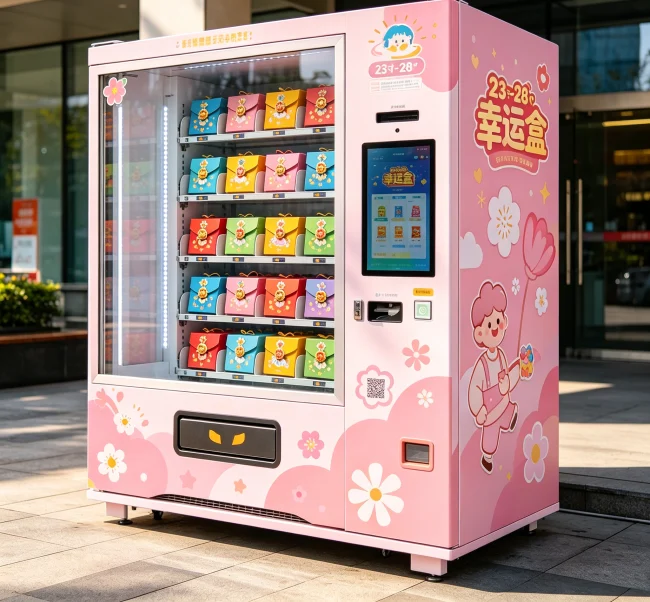
The cost isn’t just about the machine itself. It’s about where that machine lives. A Lucky Box machine in a Las Vegas casino arcade might charge $15 per play. The exact same machine model at a local mall in Ohio might only be $5.
Why the difference? Foot traffic and tourist mentality. In Vegas, people are already in a spending mindset. They’re on vacation, they’ve got cash, and they’re looking for fun. Operators capitalize on that. In a local mall, the audience is more price-sensitive, so the prices adjust.
I’ve also noticed that machines near high-end stores or attractions tend to have higher prices. It’s basic supply and demand—if the area attracts people with disposable income, the prices go up.
The Hidden Costs Nobody Talks About
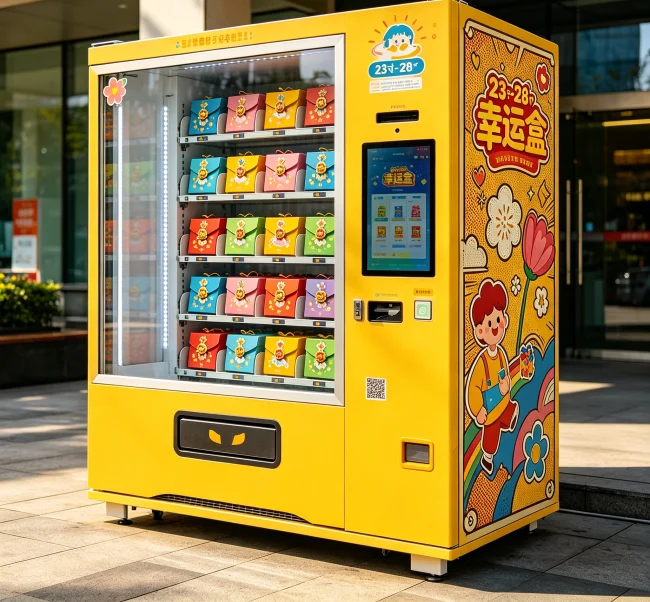
Here’s something most articles won’t tell you: the cost of playing goes beyond the price tag. There’s an emotional and psychological cost too. The “just one more try” feeling is real, and it can drain your wallet faster than you expect.
Some machines are designed to encourage repeat plays. They’ll show you a “near miss” where the claw almost grabbed a valuable item, or they’ll display a prize that’s “almost” at the drop slot. These aren’t accidents. They’re engineered to keep you playing.
Also, consider the cost of disappointment. If you’re playing for a specific item—say, a rare Pokémon card—and you don’t get it, that frustration can ruin your whole outing. I’ve seen kids cry over these machines. I’ve seen adults walk away visibly annoyed.
How Operators Set Their Prices
If you’re thinking about getting into this business, or you’re just curious how the sausage gets made, here’s how operators typically price their machines:
They start with the cost of goods sold (COGS). If a machine’s average prize value is $8, they’ll set the play price at 2-3x that, so $16-$24. That margin covers the machine cost, location rent, maintenance, and profit.
They also factor in the “whale” effect. A few high-value items (like a $500 graded card) attract players even if most prizes are low-value. The operator knows that the $500 item will rarely be won, so they can price the play lower and still make money.
Finally, they test and adjust. A smart operator will start at one price, see how many plays they get per day, and adjust up or down based on demand. It’s not a fixed science; it’s a constant optimization game.
📊 Practical Advice: If you’re an operator looking to buy machines, companies like VendingCore offer customizable Lucky Box vending machines with dynamic pricing software. You can set different prices for different prize tiers and adjust remotely based on real-time performance data.
Is It Worth Playing?
Honestly? It depends on what you’re looking for. If you want a cheap thrill and you’re okay with probably losing your money, go for it. The excitement of the reveal is genuinely fun, especially when you’re with friends.
If you’re hoping to make money or get a specific item, you’re better off just buying that item directly. The odds are stacked against you, and the house always has the edge.
But here’s where it gets interesting—some machines have become famous for actually being fair. The Lucky Box machines at the World Square Arcade in Las Vegas, for example, have a reputation for better odds and more transparent pricing. Word of mouth matters in this industry, and operators who treat players fairly tend to do better in the long run.