Home / Vending Machine Business / Can I Own a Vending Machine in Singapore? Your 2026 Startup Guide with Costs and Licensing

Can I Own a Vending Machine in Singapore? Your 2026 Startup Guide with Costs and Licensing

Yes, you can absolutely own a vending machine in Singapore — and over 80% of new operators start with just one or two machines as a side hustle. Whether you’re a Singaporean PR, EP holder, or citizen, there’s no law stopping you from buying and operating a machine, as long as you follow the regulatory guidelines for specific products like food and beverages.
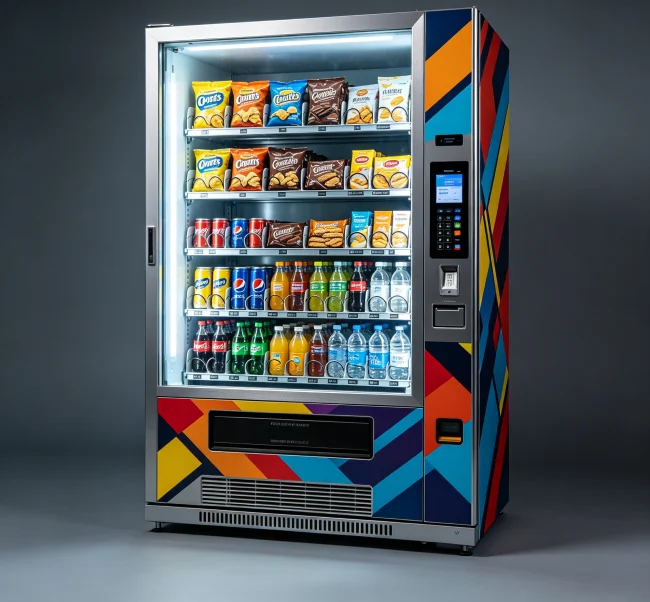
Can I own a vending machine in Singapore?

Most people jump into this business thinking it’s fully passive income — and while it can be, the reality involves a bit more legwork upfront. You’ll need to figure out licensing (if selling food), secure a location, and manage inventory. But here’s the good news: the barrier to entry is surprisingly low. A basic machine can cost as little as S$2,000 second-hand, and you don’t need a retail license to run one.

💡 Key Tip: If you’re just testing the waters, start with a used machine in a low-rent location like an industrial building. Keep your first year focused on learning, not scaling.

What You Actually Need to Get Started Legally

Let’s cut through the noise. The Singapore government doesn’t require a specific “vending machine license.” What matters is what you’re selling.

  • Non-food items (toys, electronics, phone accessories): No license needed. You just need to register your business with ACRA and you’re good to go.
  • Food and beverages: This is where it gets trickier. You’ll need a Food Shop License from the Singapore Food Agency (SFA). That means your machine must meet hygiene standards, and you’ll need to submit a floor plan of where it’s placed.
  • Alcoholic drinks: Absolutely need a liquor license. This is rare for vending machines in Singapore, but it’s possible if you’re targeting specific events or venues.
  • One thing most guides won’t tell you: the SFA requires that your machine be cleaned and restocked regularly — they can inspect it anytime. So “set and forget” isn’t really an option if you’re selling snacks or drinks.

    Cost Breakdown — What You’re Really Looking At
    Cost Breakdown — What You’re Really Looking At

    Here’s a realistic budget for a first-time owner in 2026:

    Item Estimated Cost (SGD)
    Second-hand machine (basic) $2,000 – $5,000
    New machine (with payment system) $6,000 – $15,000
    Location rental (per month) $100 – $800
    Initial inventory $500 – $2,000
    SFA license application $150 – $300
    Miscellaneous (transport, repairs) $500 – $1,000

    So realistically, you’re looking at S$3,000 to S$20,000 to get your first machine operational. That’s not cheap, but compared to opening a coffee shop (easily S$50k+), it’s a bargain.

    💡 Practical Advice: Don’t blow your budget on a brand-new machine right away. Many successful operators start with a refurbished unit from a trusted supplier like VendingCore — they offer warranties and after-sales support that save you headaches later.

    Where to Put Your Machine? Location is Everything
    Where to Put Your Machine? Location is Everything

    You’ve probably heard this a million times — but it’s true. The difference between a machine earning $200/month and $2,000/month is almost always the location.

  • High-traffic areas: MRT stations, hospitals, universities, and office buildings. These are gold mines but also the hardest to get into. You’ll need to negotiate with building management.
  • Industrial areas: Factories and warehouses. Workers here need quick snacks and drinks, and competition is often lower.
  • Residential estates: Condo common areas or HDB void decks. Lower foot traffic but consistent demand from residents.
  • Here’s the catch: locations like MRT stations often require you to go through a tender process. For smaller venues, you can approach the building manager directly. Expect to pay a monthly rental fee or offer a revenue share (usually 10-20% of sales).

    The Hidden Costs Nobody Talks About
    The Hidden Costs Nobody Talks About

    Everyone loves to talk about profits, but let’s be real about the downsides:

  • Machine breakdowns: They will happen. Card readers jam, cooling systems fail, and coin mechanisms get stuck. Budget for at least $200/year in repairs.
  • Stock expiry: If you’re selling food, you’ll lose money on expired items. Rotate your stock weekly.
  • Electricity bills: A refrigerated machine can cost $50-$100/month in electricity alone.
  • Time commitment: You’ll spend 2-4 hours per week per machine on restocking and cleaning. It’s not passive until you have multiple machines and hire help.
  • 💡 Warning: Don’t quit your day job for this. Most successful vending machine owners in Singapore treat it as a side business for at least the first year. The real money comes from scaling to 5+ machines.

    How Profitable Can It Really Be?

    Let’s do some quick math. Say you sell drinks at $1.50 per can, and your cost is $0.80. That’s a $0.70 margin per sale. If your machine sells 50 items per day (which is decent for a good location), that’s $35/day or about $1,050/month.

    Subtract rental ($300), electricity ($70), and restocking labor (your time). You’re left with roughly $600-$700 profit per machine per month. Not bad for a side hustle, right?

    But here’s the thing: margins shrink fast if you’re selling low-margin items like water or generic snacks. The real winners focus on premium products — energy drinks, protein bars, or even fresh fruit — where margins can hit 50-60%.

    Should You Go With a Franchise or Go Solo?

    This is a big fork in the road. Franchises like Flasingapore offer a turnkey solution — they handle machine sourcing, location scouting, and even restocking. But you’ll pay for it: franchise fees can eat 20-30% of your revenue.

    Going solo gives you full control and higher margins, but you’ll have to figure everything out yourself. If you’re not comfortable with basic troubleshooting or negotiating with landlords, a franchise might be worth the peace of mind.

    Personally, I’d recommend starting solo with one machine. You’ll learn more in 6 months than any franchise training can teach you.
    Frequently Asked Questions (FAQ)

    A

    Not for non-food items. If you’re selling food or drinks, you need a Food Shop License from SFA. For alcohol, you need a liquor license. Always check with SFA before buying your machine.

    A

    Yes, but you need to register a business with ACRA first. EP holders can do this, but it’s easier if you have a local partner or PR. The process is straightforward — just costs about $115 for registration.

    A

    Realistically, $3,000 to $20,000. A second-hand machine costs $2k-$5k, location rental is $100-$800/month, and initial inventory is around $500-$2k. Don’t forget to budget for transport and potential repairs.

    A

    High-traffic areas like MRT stations, hospitals, and office buildings are best. But they’re harder to get into. Industrial areas and condos are good alternatives with lower competition and rental costs.

    A

    A well-placed machine can earn $600-$1,500 in profit per month. But this depends on location, product selection, and how often you restock. Many operators see 6-12 month ROI on their initial investment.

    A

    Yes, if your annual turnover exceeds S$1 million. Most small operators don’t hit this threshold, but once you scale, you’ll need to register for GST. Keep records of all sales.

    A

    No. Any food or beverage sales require an SFA Food Shop License. The machine must meet hygiene standards, and you need to submit a floor plan. Non-compliance can result in fines up to S$2,000.

    A

    Search for suppliers like VendingCore, which offers both new and refurbished machines. They also provide after-sales support and can help with payment system integration. Always ask for warranty details before buying.

    Many new operators underestimate the importance of machine reliability. I’ve seen people buy cheap units from overseas, only to spend more on repairs than they ever made in profit. In Singapore’s humid climate, a machine with proper ventilation and a robust cooling system isn’t a luxury — it’s a necessity. If you’re serious about this business, invest in quality from day one. The upfront cost may sting, but the long-term savings are substantial. And don’t forget: your reputation with location partners depends on machine uptime. A broken machine means lost sales and a landlord who might not renew your contract.

    Marcus Tan
    Founder, VendingCore Singapore

    Ready to Start Your Project?

    Contact us for professional advice and customized solutions

    Contact Now

    Asher

    Technical expert in smart vending solutions and IoT-enabled retail automation. Providing in-depth reviews and comparisons to guide businesses toward the best technology choices.

    Leave a Comment

    Your email address will not be published. Required fields are marked *

    Table of Contents
    0%
    VendingCore
    Privacy Overview

    This website uses cookies so that we can provide you with the best user experience possible. Cookie information is stored in your browser and performs functions such as recognising you when you return to our website and helping our team to understand which sections of the website you find most interesting and useful.