
A standard drink vending machine holds 300-600 cans, but compact and combo models may hold 150-400. The exact number depends on machine design, packaging type, and configuration.
Capacity is determined by five key factors: machine model, can vs. bottle packaging, product dimensions, internal shelf setup, and product mix. For business planning, this capacity directly impacts restocking frequency, potential revenue, and space logistics. Popular commercial models like the Dixie Narco 501E hold up to 540 cans, while combo units hold less. Choosing the right capacity for your location's demand is critical for profitability.
How many cans does a drink vending machine hold? The short answer is that a standard full-size dedicated beverage machine typically holds between 300 to 600 cans, while compact and combo models may hold 150 to 400. However, this number is not universal. The true capacity of any vending machine is a dynamic figure influenced by several critical factors, and understanding these is essential for anyone involved in operational planning, procurement, or facility management. This guide will not only provide you with precise capacity ranges but will also translate those numbers into practical business insights, helping you make informed decisions for your vending operation.
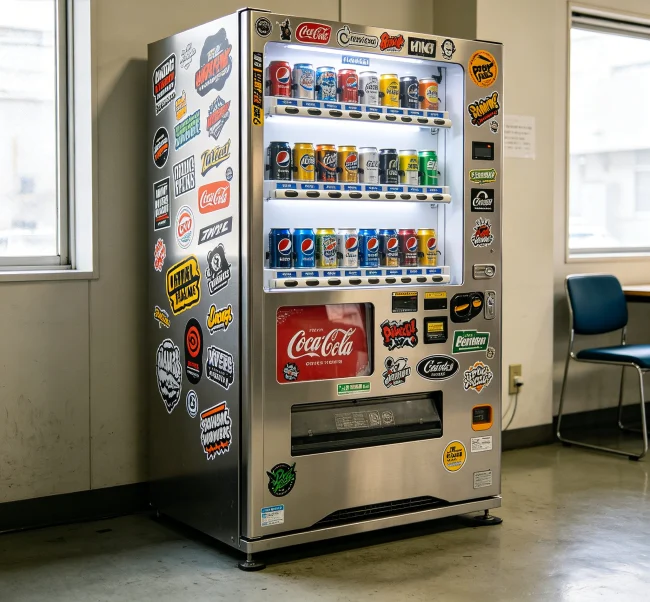
To provide immediate clarity, here is a breakdown of typical capacities based on the primary categories of drink vending machines. These ranges are based on standard 12 oz. (355ml) cans.
| Machine Type | Can Capacity Range (12 oz.) | Bottle Capacity Range (20 oz.) | Primary Use Case |
|---|---|---|---|
| Full-Size Dedicated Drink Machine | 300 – 600 cans | 150 – 300 bottles | High-traffic locations like offices, factories, and universities. |
| Snack & Drink Combo Machine | 150 – 250 cans | 80 – 120 bottles | Medium-traffic areas where space is limited, offering variety. |
| Compact / Countertop Machine | 100 – 200 cans | 50 – 100 bottles | Small offices, break rooms, or hospitality settings. |
5 Key Factors That Determine Actual Capacity
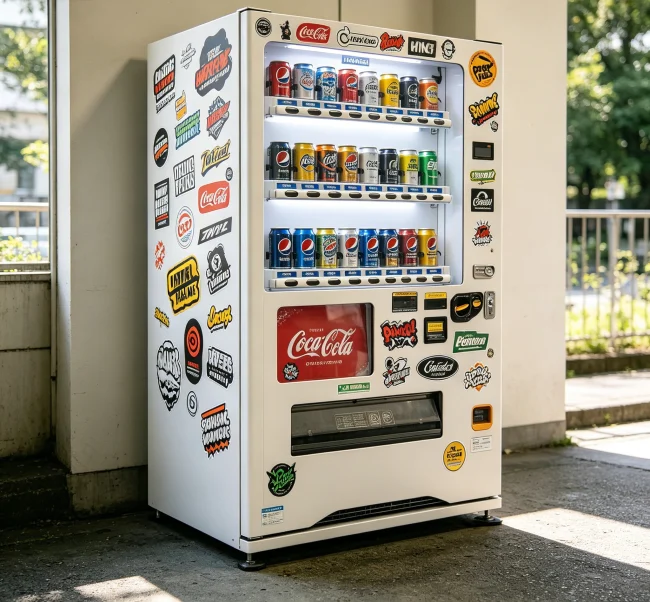
The range above exists because capacity is not a fixed specification. It is determined by the interplay of these five elements:
Detailed Capacity of Popular Commercial Machine Models
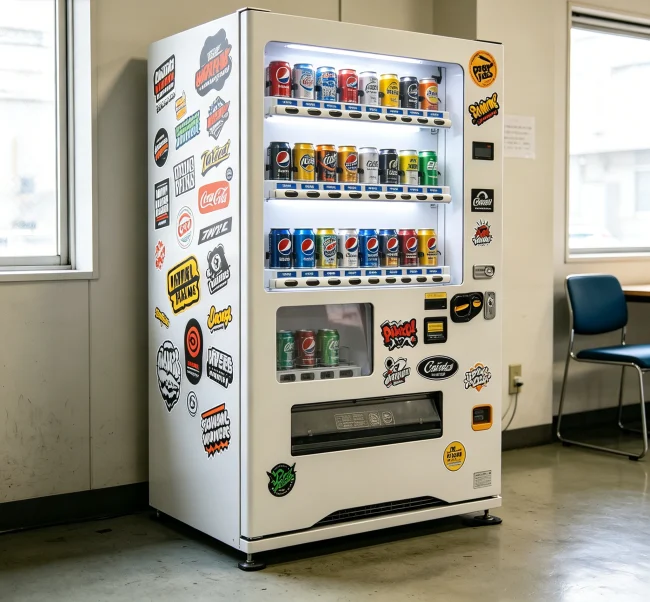
For procurement and comparison, here are the specifications for some of the industry’s most common models. This data is crucial for serious buyers evaluating specific equipment, a level of detail we emphasize at VendingCore.com by providing precise specs from our network of over 500 quality manufacturers.
| Machine Model | Max Can Capacity (12 oz.) | Max Bottle Capacity (20 oz.) | Key Features & Notes |
|---|---|---|---|
| Dixie Narco 501E | 540 cans | 270 bottles | Industry workhorse, shelving design allows high density. |
| Royal Vision 660 | 630 cans | 315 bottles | High-capacity leader with glass front and advanced cooling. |
| Automatic Products (AP) 113 Series Snack/Drink Combo | 210 cans | 105 bottles | Reliable combo unit, capacity shared with snack inventory. |
| Crane National 147/167 | 475 cans | N/A (Can-cooled) | Robust, can-cooled machine ideal for standard soda cans. |
From Capacity to Business: What the Numbers Mean for You
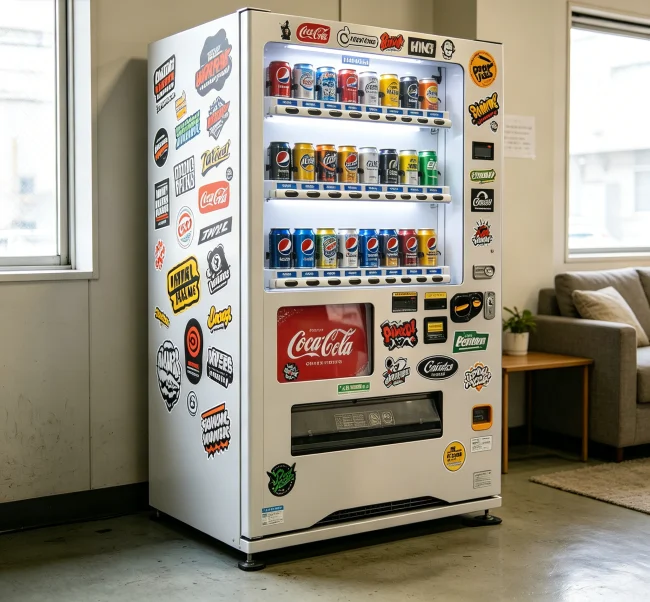
Knowing the capacity is just the first step. The real value lies in applying this data to your business plan.
How to Choose the Right Capacity for Your Location
Selecting a machine is a balance between demand and practicality. For a high-footfall gym, a 500+ can machine is appropriate. For a small office of 20 people, a 150-can combo or compact machine prevents product from going stale and ties up less capital in inventory. A common mistake is over-capitalizing on a machine too large for the location’s demand. We advise clients to conduct a simple one-week demand assessment before procuring equipment, a process our platform can help guide.
The Impact of Technology on Capacity and Management
Modern machines with telemetry systems don’t increase physical capacity, but they revolutionize how you manage it. These “smart” vending machines provide real-time inventory data to your phone, telling you exactly how many of each product are left. This allows for just-in-time restocking, reduces out-of-stocks, and maximizes sales. When sourcing through VendingCore.com, many of our partner manufacturers offer these advanced models, which can significantly improve operational efficiency despite having a similar physical footprint to traditional units.
Cost Analysis: Capacity vs. Investment vs. ROI
A higher-capacity machine has a higher upfront cost. The business case depends on your sales velocity. If you can sell through a large machine quickly, the higher investment pays off. If sales are slow, a smaller, cheaper machine yields a better return on investment (ROI). Consider not just the machine cost, but the cost of the inventory sitting inside it. Our direct-factory connection model helps optimize this by providing transparent pricing on both equipment and parts, ensuring you get a machine that matches your financial model.
Maintenance and Capacity Longevity
A fully loaded machine works harder. The compressor runs more frequently to cool a large mass of product. Consistent, proper maintenance is crucial to ensure a machine designed to hold 500 cans continues to do so reliably for years. Clogged condensers or failing fans can lead to warm spots and unsellable product. Partnering with suppliers who provide reliable equipment and clear maintenance guidelines, as all manufacturers on our platform are required to do, protects your long-term capacity and profitability.
Future Trends: Flexibility and Customization
The trend is moving towards flexibility. Newer machine designs allow easier reconfiguration of shelves and spirals to switch between can and bottle formats or adapt to new product sizes without replacing the entire machine. This “future-proofs” your investment. When exploring options on a global B2B platform like ours, you gain access to these innovative designs from manufacturers worldwide, ensuring your vending business can adapt to market changes.
Understanding vending machine capacity is foundational to running a profitable operation. It influences your purchasing decisions, daily logistics, revenue potential, and customer satisfaction. By moving beyond a simple number to grasp the factors at play and their business implications, you position yourself for success. For those ready to take the next step, from comparing detailed model specifications to connecting directly with certified manufacturers who can meet your specific capacity and feature requirements, a specialized platform can streamline the entire process.
1 Comments