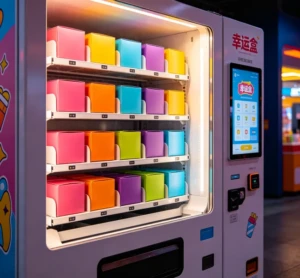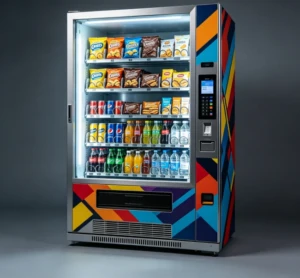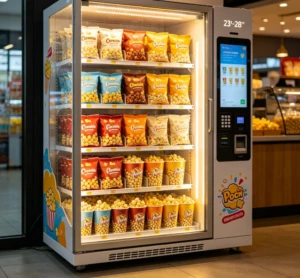
Vending machine prices in Pakistan typically range from PKR 80,000 for a basic snack machine to over PKR 1,000,000 for a high-end, imported combo unit. The final cost isn’t just a sticker price—it’s a puzzle of machine type, features, origin, and a host of hidden fees that can surprise first-time buyers. Whether you’re a shop owner in Lahore looking to add a side income or an entrepreneur in Karachi planning a new venture, understanding this full cost picture is the first step to a profitable investment.
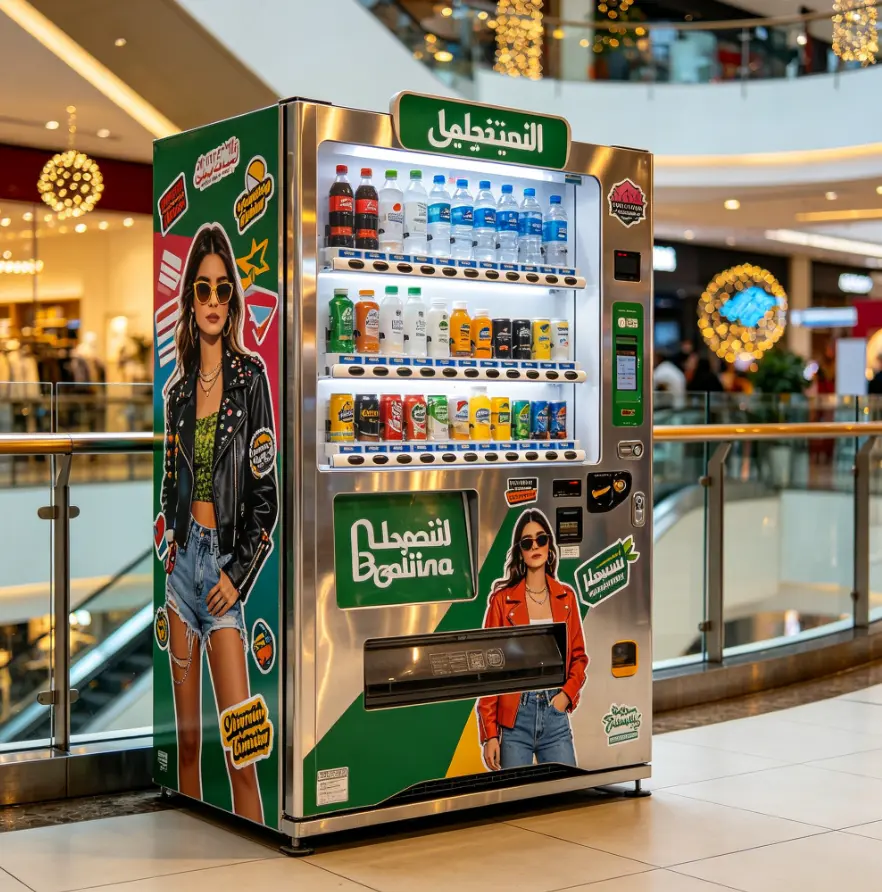
Let’s break down what you’re really paying for.
Forget the single number you might see on an e-commerce listing. The market has layers. A locally assembled snack machine will sit at one end of the spectrum, while a smart, touch-screen beverage unit from an international manufacturer occupies the other.
Here’s a clearer snapshot of what to expect for different categories in the current market:
| Machine Type | Average Price Range (PKR) | Primary Use Case |
|---|---|---|
| Basic Snack Machine | 80,000 – 250,000 | Shops, offices, small waiting areas |
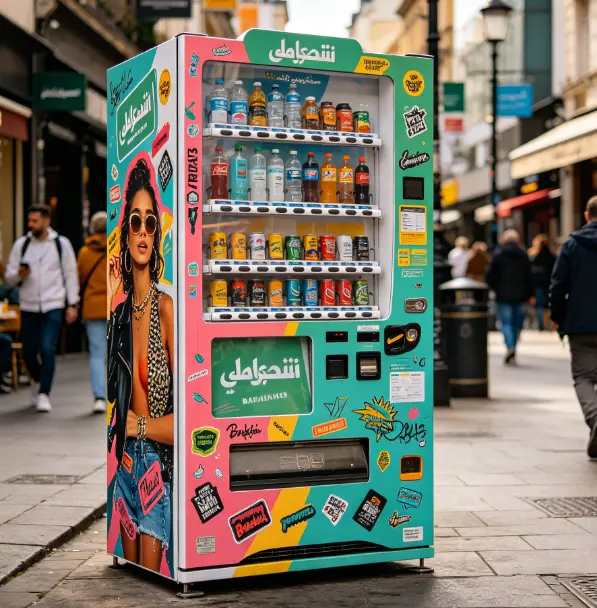
| Beverage/Can Soda Machine | 150,000 – 400,000 | Universities, petrol stations, public spaces |
| Auto Tea/Coffee Machine | 300,000 – 700,000 | Commercial offices, hospitals, corporate lobbies |
| Combo (Snack & Drink) Machine | 450,000 – 900,000 | High-traffic locations like malls and airports |
| Smart/Interactive Kiosk | 700,000 – 1,200,000+ | Premium retail, modern offices, tech hubs |
Notice the huge gaps in each range? That’s where specifications kick in. A beverage machine at PKR 150,000 might have simple button controls and coin-only payment. The one pushing PKR 400,000 likely includes a digital display, cashless payment options, and advanced cooling technology.
💡 Key Price Factor: Payment systems are a major cost driver. A machine with only coin mechanisms is far cheaper than one equipped with note validators, QR code, or card readers.
What’s Driving the Cost? A Feature-by-Feature Breakdown
You wouldn’t buy a car without knowing if it has air conditioning or power steering. Apply the same logic to your vending machine.
Build Quality & Capacity: Is the cabinet made from powder-coated steel or thinner aluminum? How many items does it hold? A 200-can capacity machine costs more than a 100-can model, but it also means fewer restocking trips—saving you labor costs in the long run.
Payment Technology: This is the biggest differentiator. Basic coin mechs are affordable. Adding a note validator can increase the price by PKR 40,000-80,000. Integrating a full cashless system (card tap, QR code) is a premium upgrade but is almost expected in urban centers like Islamabad or Lahore now.
Cooling & Heating Systems: For drinks, a robust compressor-based cooling system is more expensive but more reliable in Pakistan’s heat than a thermoelectric system. For coffee/tea machines, the quality and speed of the heating element and water pump directly affect price and customer satisfaction.
Control Board & Software: Can you remotely monitor stock levels and sales data via an app? That smart technology is fantastic for management but adds significantly to the upfront cost.
💡 Smart Choice: Don’t overbuy. A high-tech machine in a low-traffic location will struggle to justify its cost. Match the machine’s features to your location’s actual needs and customer profile.
The Hidden Costs No One Talks About (The “Real” Price Tag)
Here’s where many business plans get derailed. The machine’s price tag is just the entry fee.
Import Duties & Shipping: If you’re sourcing directly from China, factor in a 15-25% customs duty on the CIF value, plus shipping, insurance, and clearing agent fees. That PKR 500,000 machine can easily become a PKR 650,000 investment before it even reaches your warehouse.
Installation & Setup: You need a solid, level location with the right power supply (voltage stabilizers are a wise investment in areas with fluctuating power). Professional installation might cost an extra PKR 10,000-25,000.
Initial Stock Inventory: You have to fill the thing! Your first product purchase could be PKR 20,000-50,000 depending on the machine’s size.
Ongoing Costs: Think about maintenance contracts (PKR 2,000-5,000 monthly), electricity consumption, and periodic servicing. A machine that breaks down during peak hours loses sales and damages customer trust.
💡 Critical Budgeting Step: Always calculate your total investment as: Machine Cost + 30% for hidden/import costs + initial stock. This is your true starting capital.
Local Supplier vs. Import: A Strategic Choice
This is your core sourcing decision, and each path has trade-offs.
Buying from Local Pakistani Suppliers/Assemblers:
- Pros: Easier communication, faster delivery, possible installation support, and clearer warranty terms. You can often see the machine before buying.
- Cons: Prices can be higher than direct import, and model variety may be limited. Some are resellers of imported goods, adding their margin.
Importing Directly from China (via Alibaba, etc.):
- Pros: Lower factory prices, access to the latest models and customization options, and a vast selection of suppliers.
- Cons: Complex logistics, import duty risks, communication barriers, and after-sales service can be challenging. You’re responsible for everything after it leaves the factory.
There’s a third, often smoother path: using a professional sourcing service. Companies like VendingCore specialize in navigating this exact complexity. Our team acts as your intermediary, leveraging a network of pre-vetted manufacturers to get you competitive factory pricing while managing the communication, quality checks, and logistics hassles. You get the advantage of direct import prices without having to become an international trade expert overnight.
💡 Supplier Vetting Tip: Always ask for a video of the machine in operation, not just catalog photos. Request references from other Pakistani buyers and verify warranty and spare part availability.
Your Buying Checklist: How to Not Get Burned
Before you sign anything or transfer money, run through this list:
- Certifications: Does the machine have relevant electrical safety certifications? For imports, do they comply with standards like CE or RoHS?
- Warranty: Is it 1 year or only 6 months? What does it cover (parts, labor, board)? Who provides service in Pakistan?
- Spare Parts: Ask for a list of common spare parts (like coin mechs, motors) and their prices and availability.
- Payment Terms: Avoid 100% upfront payments. Favor terms like 30% deposit, 70% before shipment, or use secure payment channels.
- After-Sales Support: Is there a technical helpline? How quickly can a technician be dispatched if needed?
The ROI Picture: When Will You Break Even?
With good location selection and product choice, a well-run vending machine in Pakistan can see a return on investment in 3-6 months. A machine in a prime university spot selling snacks and drinks might hit ROI faster, while a specialty coffee machine in a corporate building may take a bit longer to build a clientele. The key is managing your product margin and minimizing downtime.
💡 Final Advice: Your goal isn’t to find the cheapest machine. It’s to find the most reliable and appropriate machine at the best value. Factor in total cost, support, and your own peace of mind. Sometimes, paying 15% more upfront for a reputable supplier saves 50% in headaches later.
Understanding vending machine prices in Pakistan is about seeing the whole financial picture, not just a single number. By weighing the true costs, sourcing strategically, and choosing a machine fit for your specific location, you turn a purchase into a solid, revenue-generating asset. If you’re ready to move forward and want to navigate the manufacturer landscape efficiently, our team at VendingCore is here to help. Submit your specific requirements, and we’ll use our industry expertise to match you with qualified manufacturers that align with your budget and business goals.