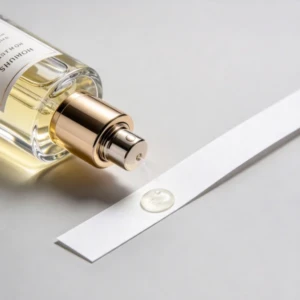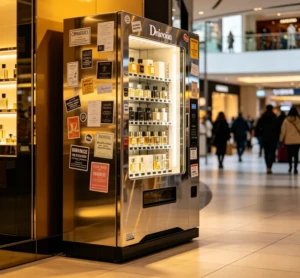
A perfume vending machine is a self-service kiosk that dispenses a metered spray of fragrance, typically for $1-$5 per use, with premium machines generating an average of $300-$800 in monthly revenue per unit. This innovative retail model is transforming how consumers sample and purchase scents in high-traffic locations like luxury hotels, airports, and shopping malls. For entrepreneurs and business owners, it represents a compelling, low-touch revenue stream with strong margins, provided the right machine, location, and strategy are selected.
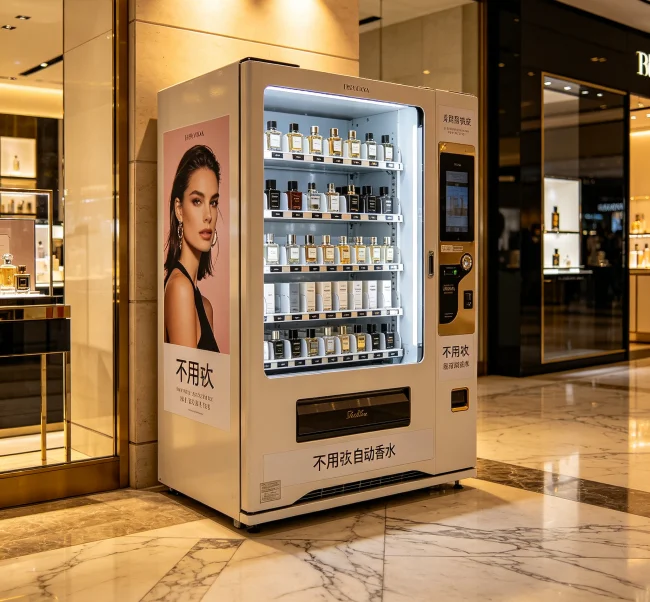
At its core, the business is about convenience and impulse purchase. Customers approach a sleek, often touchscreen-equipped kiosk, browse a selection of designer or niche fragrances, make a payment via cashless systems like credit card or mobile wallet, and receive a precise spray onto a card or directly onto their wrist. The value proposition is clear: a risk-free, affordable way to try a luxury scent or refresh on the go.
For the operator, the model is attractive due to its scalability and relatively low operational overhead. Once installed, the machine requires only periodic refilling of fragrance canisters and basic maintenance. The primary costs are upfront capital for the machine itself and the ongoing cost of perfume concentrates. Success hinges almost entirely on location quality and machine reliability.
Analyzing Profit Potential and ROI
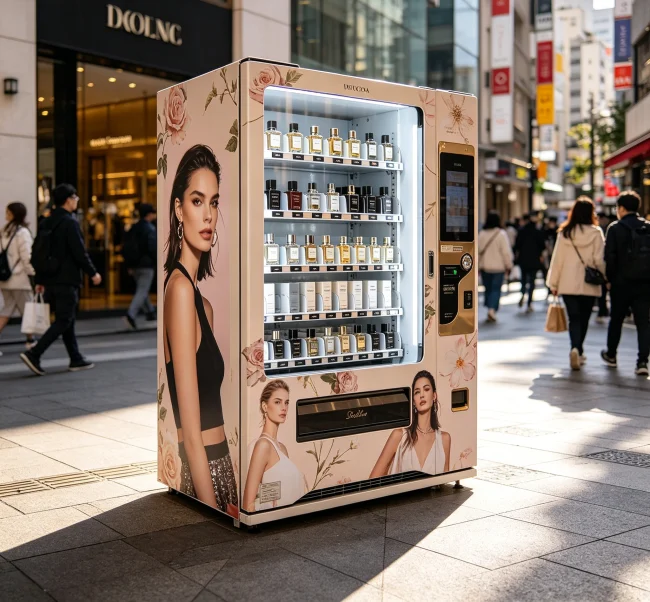
The financial appeal of a perfume vending machine lies in its high-margin, repeat-use nature. Let’s break down a realistic profit scenario.
Assume a machine is placed in a premium hotel lobby with strong foot traffic. At an average charge of $3 per spray and a conservative volume of 5 sprays per day, the machine generates $15 daily, or about $450 monthly. After accounting for the cost of fragrance (typically 10-20% of revenue) and any location commission (often 15-25%), the net monthly profit could range from $250 to $350. In higher-traffic venues like international airports, these numbers can easily double or triple.
The return on investment (ROI) period varies. A basic machine might cost $2,500, while a high-end model with advanced features can reach $6,000. At a net profit of $300/month, the payback period for a mid-range machine is often between 12 to 18 months. This is a critical calculation for any potential buyer, and it’s why choosing the right supplier for both cost and quality is paramount. Platforms that aggregate multiple manufacturers, like VendingCore, enable buyers to compare quotes from over 500 verified partners, often securing 15-30% better pricing than dealing with a single supplier, which directly improves ROI.
Startup and Operational Costs Breakdown
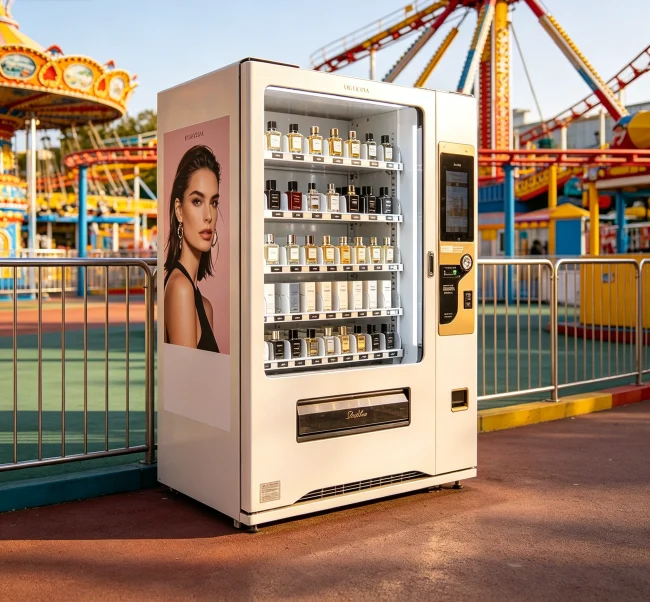
A transparent understanding of all costs is essential. Here’s a detailed breakdown.
| Cost Category | Low-End Estimate | Mid-Range Estimate | High-End / Premium Estimate |
|---|---|---|---|
| Machine Purchase Price | $1,800 – $2,500 | $3,500 – $5,000 | $5,500 – $8,000+ |
| Fragrance Starter Kit | $200 – $400 | $500 – $800 | $1,000 – $1,500 |
| Shipping & Installation | $150 – $300 | $300 – $600 | $600 – $1,200 |
| Location Commission/Fee | 10-15% of revenue | 15-20% of revenue | 20-25%+ of revenue |
| Monthly Fragrance Refill | $50 – $100 | $100 – $200 | $200 – $400 |
| Payment Processing Fees | 2.5% – 3.5% per transaction | 2.5% – 3.5% per transaction | 2.5% – 3.5% per transaction |
Ongoing costs like fragrance refills and payment fees are manageable. The largest variable is the location agreement. Securing a prime spot often requires sharing a percentage of revenue, but the increased traffic usually justifies the cost.
How to Choose the Right Machine: Key Features Compared
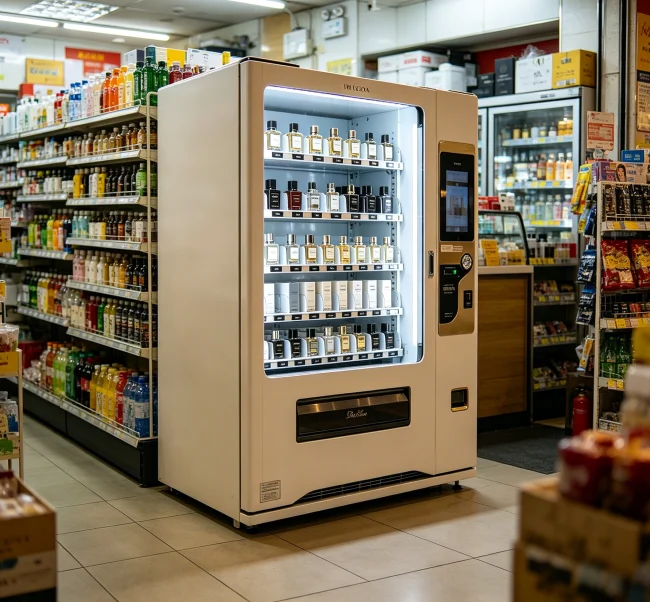
Not all perfume vending machines are created equal. Your choice will impact user experience, reliability, and long-term costs. When evaluating models, consider these critical features side-by-side.
| Feature | Why It Matters | Budget Model Spec | Professional Model Spec |
|---|---|---|---|
| Spray Mechanism & Accuracy | Ensures consistent, waste-free fragrance delivery and customer satisfaction. | Basic solenoid valve; potential for variance. | Precision micro-pump; consistent metered dose every time. |
| Fragrance Capacity | Determines how often you need to refill, affecting operational labor. | Holds 8-12 scents, 100-200 sprays each. | Holds 15-24+ scents, 300-500+ sprays each. |
| Payment System | Must be reliable and support modern cashless options to maximize sales. | Coin acceptor + basic card reader. | Multi-currency card reader, NFC/contactless, QR code, app integration. |
| Software & Remote Management | Allows you to track sales, inventory, and machine health from anywhere. | Basic LCD display; limited or no remote data. | Full-color touchscreen with IoT connectivity for real-time sales & inventory alerts. |
| Build Quality & Security | Protects your investment from vandalism, theft, and wear-and-tear. | Powder-coated steel; basic lock. | Reinforced stainless steel or aluminum; robust locking system, anti-tamper alarms. |
This is where a platform’s network shows its value. A buyer on VendingCore can access specifications from dozens of manufacturers meeting these varied profiles, ensuring they find a machine that matches their specific budget and performance requirements without compromising on verified quality standards like CE and RoHS certifications.
Top Locations and Effective Marketing Strategies
Location is the single greatest determinant of success. The best locations share characteristics: high foot traffic, dwell time, and a demographic with disposable income.
For marketing, the machine itself is the best advertisement. Ensure it is visually stunning, well-lit, and placed prominently. Use social media to tag the location—many venues will promote it for you. Consider introductory promotions like “2 sprays for $5” to encourage trial. Offering a mix of well-known designer scents alongside intriguing niche fragrances can broaden appeal.
Navigating Challenges and Ensuring Success
Potential operators should be aware of common hurdles. Sourcing consistent, high-quality fragrance concentrates at a good price is crucial. Machines require regular cleaning of spray nozzles to prevent clogging. You must also understand local regulations regarding the sale of cosmetic products from a vending apparatus.
Building a relationship with a reliable supplier or platform mitigates many of these risks. For instance, partnering with a global B2B platform like VendingCore provides access to a network of manufacturers who can advise on technical support and often supply fragrances directly. With a track record of facilitating over 10,000 transactions across 50+ countries, such platforms offer a layer of trust and operational expertise that is invaluable for new entrants.
Frequently Asked Questions (FAQ)
How much does a perfume vending machine cost?
Prices range widely from around $1,800 for a basic model to over $8,000 for a high-capacity, feature-rich kiosk. The average business-ready machine investment falls between $3,500 and $5,000. Using a B2B platform can lead to significant savings, as competitive bidding among hundreds of manufacturers often results in 15-30% lower costs.
Is the perfume vending machine business profitable?
Yes, it can be highly profitable with the right location. A well-placed machine can generate net monthly profits of $250 to $800, leading to an ROI period of 12-24 months on average. Profitability depends heavily on foot traffic, price per spray, and operational efficiency.
Where is the best place to put a perfume vending machine?
The highest-performing locations are areas with captive, affluent audiences: luxury hotel lobbies, international airport terminals, upscale shopping malls, and popular nightlife districts. The venue should align with the luxury or experiential nature of the product.
How do I refill and maintain the machine?
Maintenance involves refilling fragrance canisters, cleaning external surfaces, and ensuring the payment system is functional. Most quality machines are designed for easy refill, often taking less than 30 minutes. Advanced models feature remote monitoring to alert you when supplies are low.
Where can I find reliable suppliers?
This is a critical step. While individual manufacturers exist, a global B2B platform like VendingCore offers distinct advantages. It connects you to a vetted network of 500+ manufacturers, allowing for easy comparison of specs, prices, and customer reviews. This one-stop procurement approach, backed by a 98% customer satisfaction rate, simplifies sourcing, ensures quality compliance, and provides better overall value.