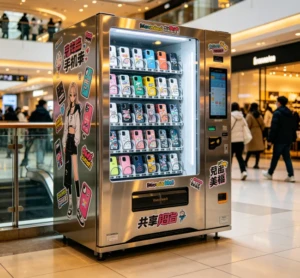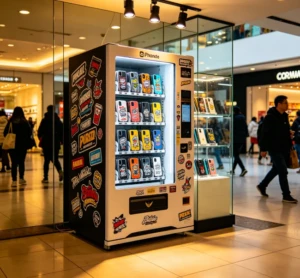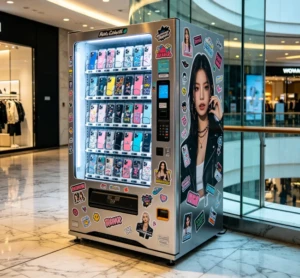
The best phone case vending machine for university operations typically costs $15,000 to $25,000 and can pay for itself in 6 to 8 months when placed near a busy dorm or student union. These machines print custom cases on demand, so you don’t tie up cash in inventory, and margins after materials often land between $10 and $15 per case. You’ll see them in residence hall lobbies, bookstores, and campus tech shops, where students have a few minutes between classes. The real challenge is picking the right model, finding the right spot, and choosing a supplier who won’t leave you hanging when the print head needs service.
Why phone case vending works on a campus
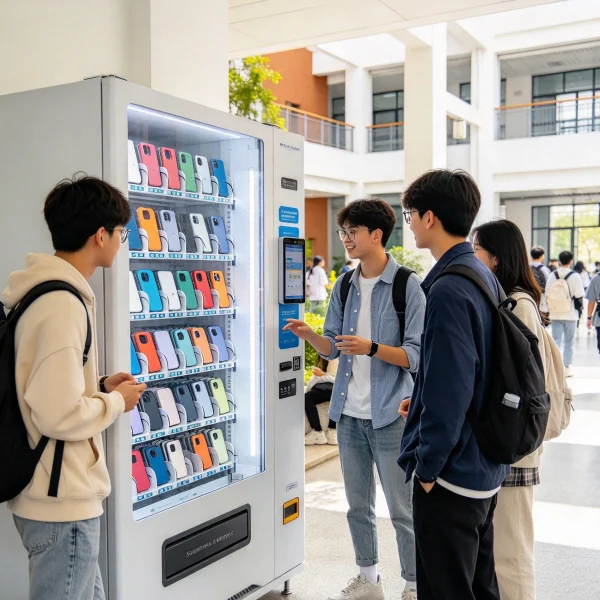
Universities are a natural fit for this kind of machine. You have thousands of people ages 18 to 24, most carrying phones they treat as part of their personality. They change cases with the season, their major, their graduation year, or a viral meme. A custom case also makes a cheap, instant gift, which is huge before holidays and finals week.
The operational model is simple. A student picks a design or uploads a photo, the machine prints the case on the spot, and the whole thing is done in three to five minutes. No waiting for shipping, no minimum order. For you as the operator, that means no dead inventory, no sizes to stock, and a product that feels premium because it’s made right in front of the buyer.
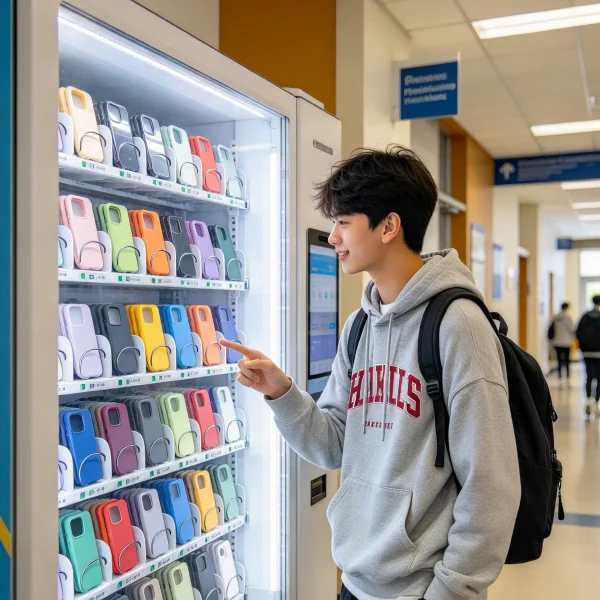
I’ve seen campuses where a single machine becomes a hangout spot, oddly enough. Students group around it during welcome week, sending photos to their friends. That creates social media buzz without spending a dollar on ads.
What to look for in a campus machine
Not every phone case vending machine is built for the chaos of university life. These are the specs that matter day to day.
Print quality and case compatibility
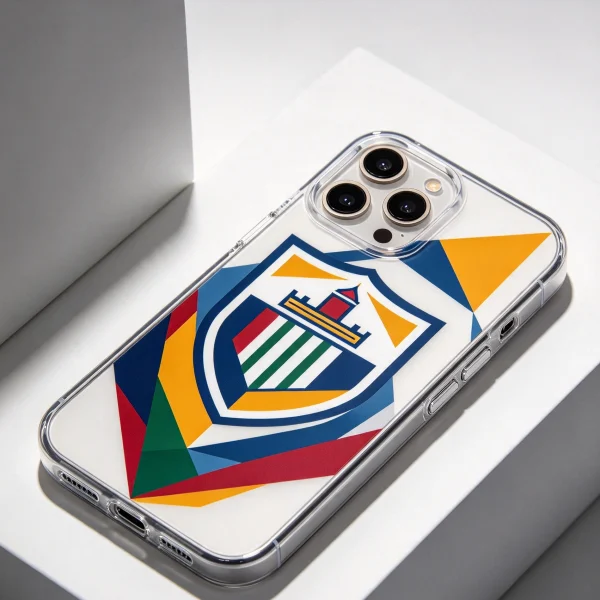
The machine should support the latest iPhone and Samsung models from day one, or at least within a few weeks of release. September is the real launch window on campus, and if the machine can’t print a case for the new iPhone, you’ll miss the biggest sales surge of the year. Ask the supplier how they handle new model profiles and whether updates are free.
Print head quality matters more than any other component. A cheap print head will fade or bubble, and students will post about it. You want a machine with a reliable head from a brand with replacement parts available in your country.
Payment and campus integrations
Modern students rarely carry cash. Tap-to-pay, Apple Pay, and QR code payments are expected these days. Some machines also support campus card systems, though that usually requires custom integration with the university’s dining or ID office. Check with your campus tech department early because those approvals take weeks.
You’ll also want to sort out connectivity. A cellular plan is simpler than fighting campus Wi-Fi, but it costs more each month. Our guide on vending machine Wi-Fi needs breaks down the options and monthly costs.
Service and downtime
Ask who handles repairs locally and what the response time is. A machine that sits broken for two weeks during September can cost you thousands. Many suppliers offer remote diagnostics, but you need someone on the ground who can swap a part fast. This is where a supplier’s track record matters more than the machine’s glossy brochure.
Campus machine comparison at a glance
You don’t need a thick spec sheet to understand the main trade-offs. Here’s how the three common setups stack up for a university operator in 2026.
| Machine type | Typical price | Footprint | Cases per hour | Best fit |
|---|---|---|---|---|
| Full-size all-in-one | $18,000 to $28,000 | 4 to 6 sq ft | 6 to 10 | Dorm lobby or student union |
| Compact countertop | $8,000 to $15,000 | 2 to 3 sq ft | 3 to 5 | Bookstore or library desk |
| DIY phone case setup | $5,000 to $10,000 | 4 to 6 sq ft | 2 to 4 | Operators who want a lower entry price |
The full-size machine is usually the safer bet
If you have a spot with real foot traffic, the full-size all-in-one wins on print speed, case options, and reliability. It costs more, but the higher throughput matters during rush weeks. A compact machine can still work in a quieter spot, but you’ll hit its ceiling fast in a dorm of 1,000 students.
Placement: where it makes money
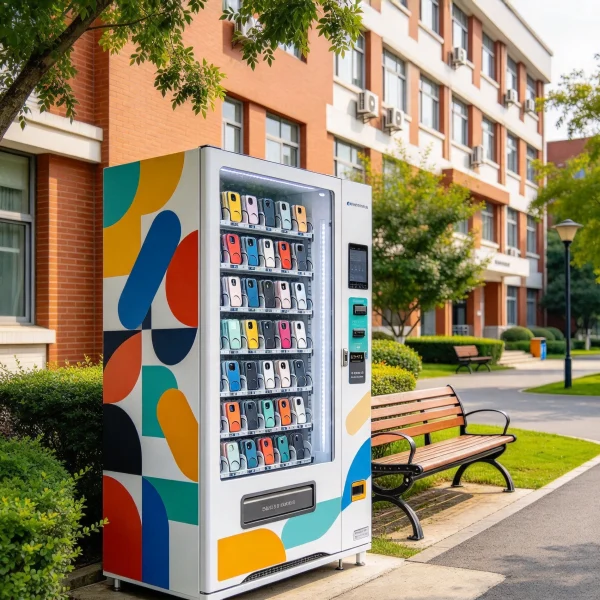
I’d rather put a mid-tier machine in a great spot than a top-tier machine in a quiet one, because placement is that important. The best locations are residential buildings with active common areas, the student union, the campus bookstore, and libraries after mid-afternoon.
Early fall semester is your peak. That’s when students are trying to stand out and buy new cases for their new phones. Finals week and graduation create smaller bumps, and homecoming weekend can surprise you.

If you’re serious about the numbers, read our profit guide for phone case vending machines. It covers revenue models and the cost breakdown in more detail.
Operating costs and payback math
Let’s talk real numbers. The machine is the biggest cost, but consumables follow closely. Each case blank and the ink that prints it run roughly $4 to $8, while the sale price sits around $20 to $30. That leaves you $10 to $15 in gross profit before card fees, rent, and electricity.
If you sell 10 cases a day at a $12 average gross profit, that’s $3,600 a month before expenses. With typical ongoing costs, most operators see payback between 5 and 9 months. That’s a reasonable expectation, and it assumes you place the machine well and keep it running.
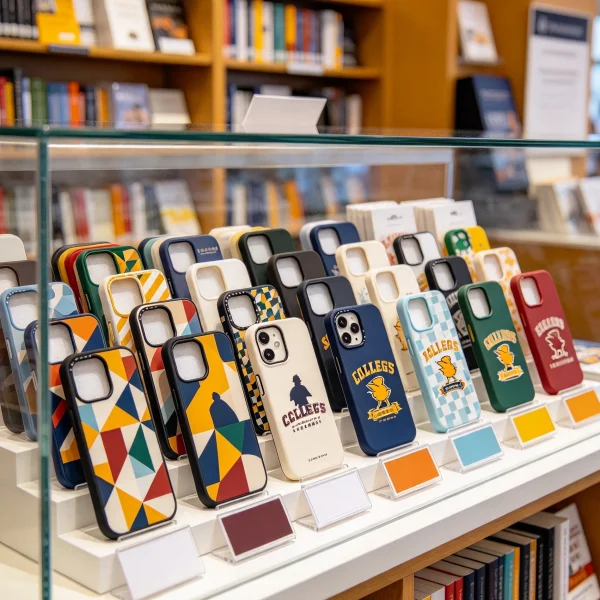
Watch out for the hidden costs that eat profit: replacement print heads, specialty ink, card processing fees, and occasional vandalism. Some suppliers also charge for software updates after the first year. Ask about those before you sign.
How to choose a supplier you won’t regret
Your supplier matters more than the brand name on the machine. A solid supplier gives you training, spare parts, remote support, and a real warranty. A weak one disappears after the sale.
Look for a supplier who can share references from other campus installations. Ask how quickly they respond to support tickets and whether they stock spare parts in your region. Certification stamps like CE and RoHS matter, but they’re common enough that they won’t tell you who’s reliable.
On VendingCore’s supplier ranking, you can compare verified suppliers, read buyer reviews, and send inquiries directly to several at once. That’s a faster way to vet a vendor than relying on a single sales pitch. You can also check our guide on which vending machines make the most money to see where phone case machines fit in the wider market.
Final takeaways
Phone case vending can be a strong side income on a university campus if you get the fundamentals right: a reliable machine, a visible spot, and a supplier who supports you. The numbers work when the machine is running; they fall apart when it’s broken and ignored.
Start by mapping foot traffic, then shortlist machines, then use VendingCore to compare suppliers side by side. Give yourself a full semester to judge the performance, and don’t panic during a slow week in late spring.
FAQ
Is a phone case vending machine profitable on a university campus?
Yes, when placed where students gather. A machine in a dorm lobby or student union can print 8 to 15 cases a day during peak weeks, with gross margins of $10 to $15 per case. Payback usually lands between 5 and 9 months. A machine in a quiet corridor can lose money, so placement is the deciding factor.
How much space do I need?
Full-size machines generally need about 4 to 6 square feet of floor space, plus room for a person to stand and operate the screen. Ceiling clearance matters too, especially in older residence halls. Measure the location and the doorway before you order, because some machines won’t fit through standard doors without disassembly.
Do I need staff to run it?
No, the machine runs unattended during business hours. But you’ll need someone to check consumables, handle rare jams, and clean the touchscreen. Most operators visit once or twice a week. If the machine is in a 24-hour building, students will also need a way to report issues outside your visiting hours.
What phone models should the machine support?
At minimum, the latest iPhone, Samsung Galaxy, and Pixel models. University buyers skew heavily toward iPhone, but you’ll still get Galaxy owners. Ask whether printer profiles for new releases are included in the warranty or cost extra. A machine stuck on older models will feel outdated within two years.
How long does it take to print a case?
Most machines take three to five minutes from design selection to finished case. Longer print times can happen with complex full-back photo designs. Students are usually fine waiting a few minutes, but if you’re in a very high-traffic spot with a line, you’ll want a model with a faster print head.
Can the machine accept campus cards?
Some can, but it usually requires integration with the university’s ID system, which is a separate project. Credit, debit, and mobile wallets are standard on most machines. If campus card support is essential, discuss it with the supplier before purchasing and budget for extra integration time.
What are the hidden costs beyond the machine price?
You’ll pay for case blanks, ink, card processing fees, electricity, rent or commission to the university, and occasional replacement parts. Print heads eventually wear out, and some suppliers charge for software updates after the first year. Ask for a full list of consumables and service costs before signing anything.
University campuses work well for phone case vending because the customer base renews every September and students love personalization. The machines that fail usually do so for avoidable reasons: a weak supplier, an old phone model list, or a spot that looks good on a map but gets no foot traffic. Walk the campus at different times of day, talk to building managers, and ask about move-in weekend spikes before you commit. If you treat placement and supplier support as part of the purchase, not an afterthought, the math can work for years.