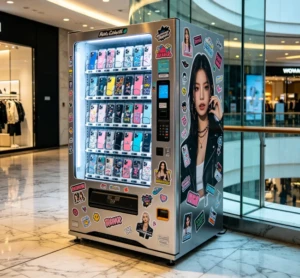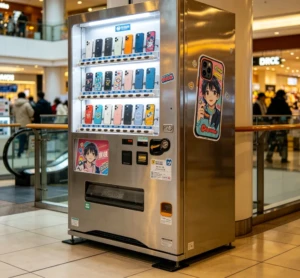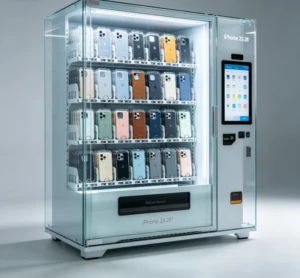
Phone case vending machine prices range from $2,500 for basic models to over $20,000 for advanced DIY printing units, with the final cost depending on features, shipping, and location setup.
You're looking at this because you need a clear cost picture to see if this business move makes sense. It's frustrating when prices are all over the place with no explanation. This guide cuts through the confusion by breaking down exactly what you're paying for, from the machine itself to hidden shipping fees, and shows you how to calculate your real-world profit potential. We'll help you avoid overpaying for features you don't need and find a reliable supplier that won't leave you stranded.
The landscape of retail is shifting, and phone case vending machines represent a smart, low-overhead entry point for entrepreneurs and businesses looking to capitalize on impulse purchases and personalization trends. Understanding the price is the first critical step in evaluating this investment, but the real value lies in knowing what drives that cost and how it translates to potential profit.
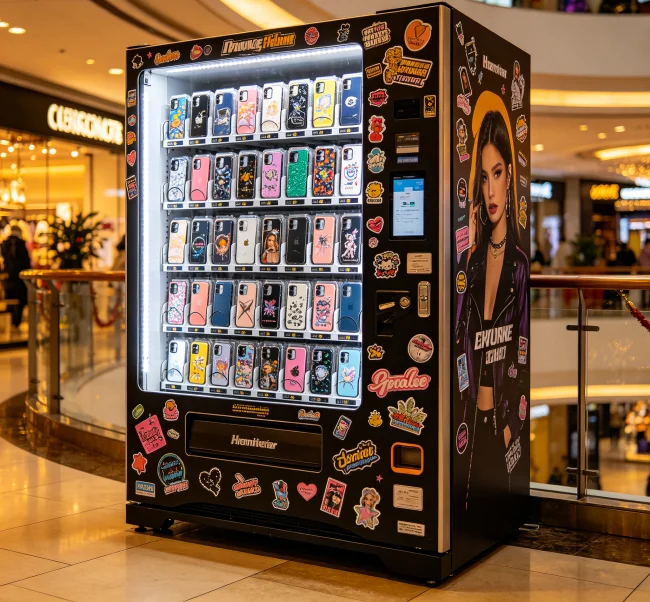
The price of a phone case vending machine is not a single number but a broad range, typically from $2,500 to over $20,000. This vast difference is primarily dictated by functionality, technology, and build quality. A basic, non-customizable machine that dispenses pre-made cases might start around $2,500-$4,000. The most significant price jump occurs with machines featuring integrated printing technology. A standard UV printing unit can range from $8,000 to $15,000. At the premium end ( $15,000 – $25,000+), you find machines with advanced features like high-resolution touchscreens, AI-powered design software, multiple payment integrations (cash, card, mobile pay), and robust construction for high-traffic locations.
💡 Budgeting Tip: Start by defining your target location and customer. A basic machine may suffice for a college dorm, but a shopping mall demands a premium, feature-rich model to compete.
Breaking Down the Total Cost of Ownership
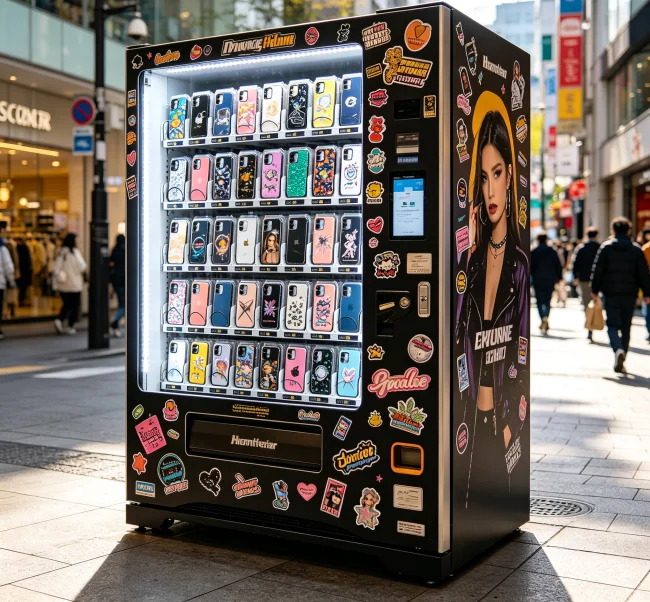
The machine’s sticker price is just one component. A comprehensive budget must account for both initial and ongoing costs to accurately gauge your investment.
Initial Capital Outlay:
Recurring Operational Costs:
💡 Avoid Hidden Costs: Always request a detailed “landed cost” quote from suppliers that includes shipping, insurance, and estimated duties to avoid budget surprises.
Calculating Your Potential Return on Investment (ROI)
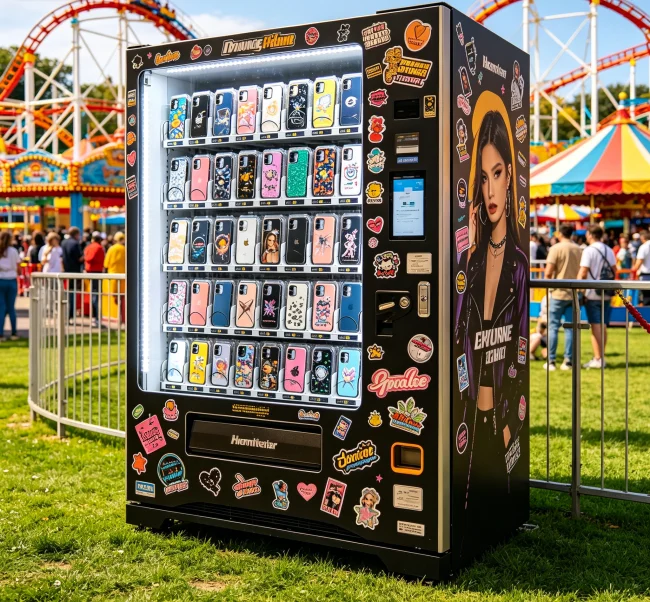
This is the most crucial calculation for any buyer. A simplified ROI model focuses on the payback period. Let’s assume a mid-range machine costs $12,000 landed.
Your location is the single biggest variable in this equation. A prime spot in a busy airport can yield 10+ sales daily, while a quiet laundromat might only see a few per week. On platforms like vendingcore.com, we connect buyers with manufacturers who can often provide location feasibility templates based on thousands of global deployments, helping you model your ROI more realistically before you commit.
Key Features That Impact Price and Performance
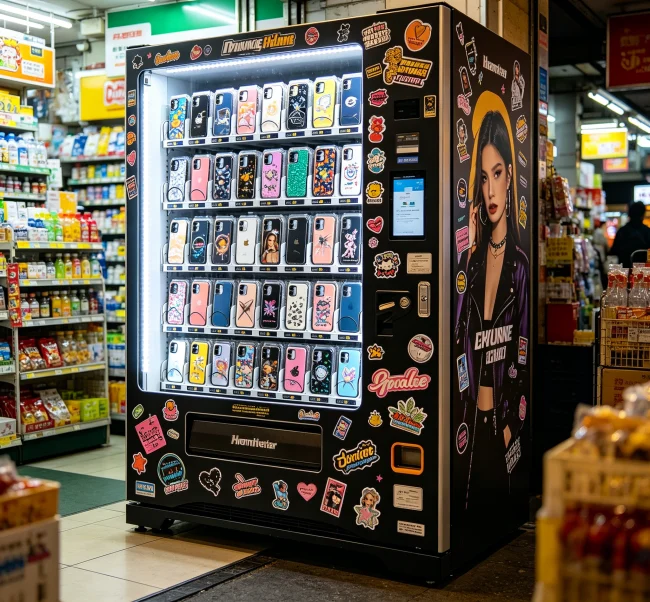
When comparing models, these features directly correlate with cost and customer appeal:
💡 Feature Negotiation: Don’t pay for features you don’t need. If your location is cash-heavy, you might postpone adding a card reader. Prioritize core reliability and print quality.
A Step-by-Step Guide to Smart Procurement
💡 Due Diligence is Key: A slightly higher price from a supplier with proven global support and a 2-year warranty is often a better investment than the cheapest option with no safety net.
How to Choose the Right Supplier for Your Business
Price is important, but the supplier’s reliability is paramount. Key differentiators include:
Our platform’s strict vetting process emphasizes these factors, ensuring the manufacturers we connect you with not only offer competitive direct-factory prices but also have a track record of supporting clients across 50+ countries, which is why we maintain a 98% customer satisfaction rate.
The Importance of After-Sales Support and Warranty
The machine’s journey begins at installation. A comprehensive warranty (aim for at least 12 months on parts, 3-6 months on labor) is your first defense. Truly valuable suppliers provide detailed user manuals, video tutorials, and direct access to technical support. Ask: “If my printer head fails on a Saturday, what is your response protocol?” The answer will tell you everything about their commitment to your long-term success. This level of dependable support is a cornerstone of the partnerships we facilitate, as a machine that is down is not earning any return.