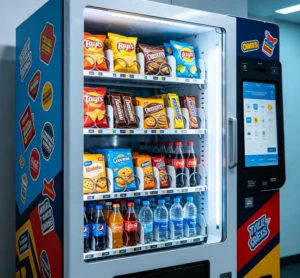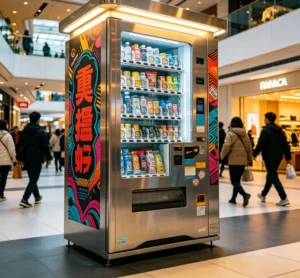
What is the most profitable item for vending machines in 2026? Bottled water and regular soft drinks win on profit margin, with many operators reporting gross margins between 70% and 80% on those slots. The numbers show why you’ll find them in office break rooms, gyms, and college dorms, where people buy them on autopilot. The real earnings come from pairing drinks with high-margin snacks like chips and candy placed near eye level. That combo gives new operators a safe starting point, and it keeps experienced routes profitable.
Why margin per slot matters more than sales volume
Here’s the trap. A machine can sell 200 bags of chips at $1.50 and still earn less than 60 bottles of water at $2.00. The chips cost more per unit and take up a spiral that could hold a higher-margin drink. So profit per slot matters more than total units sold.
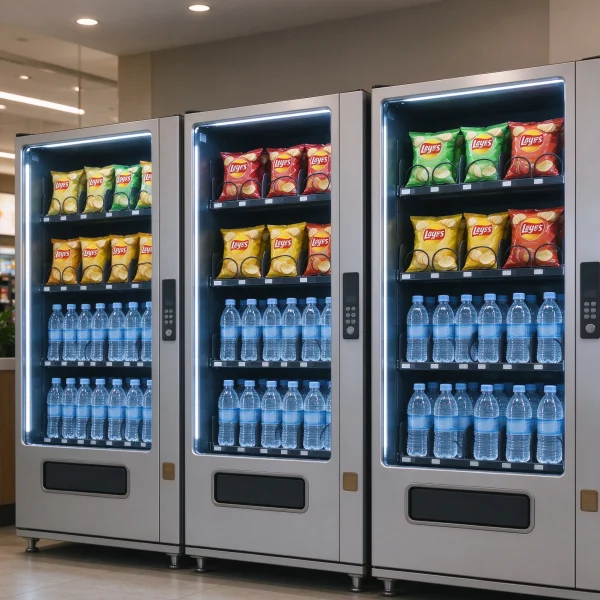
Location matters just as much as the product. A $2 candy bar in a school hallway turns over fast, but the same candy bar in a gym will gather dust. So look at margin per delivery in each location, and let that decide your mix.
Most operators we talk to start with a simple baseline: two-thirds drinks, one-third snacks in a standard machine, with at least a few water slots. From there, they adjust based on what people actually buy. There’s no universal answer, but there is a reliable method.
The categories that actually make money in 2026
Cold drinks are still the anchor
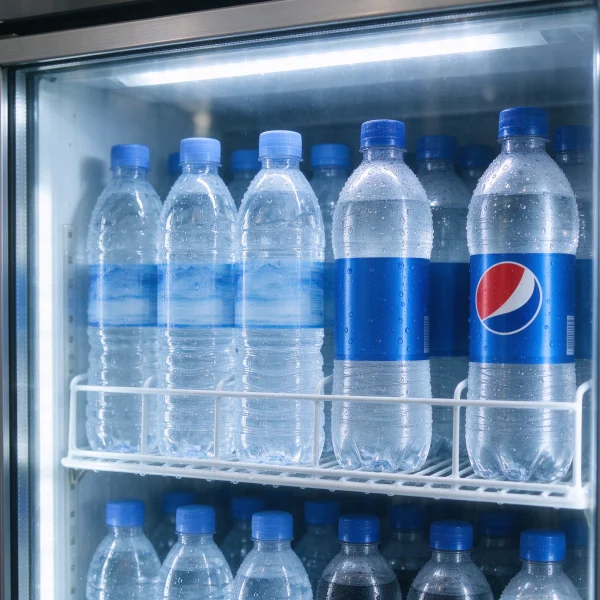
Bottled water is the closest thing to a sure bet in vending. It costs pennies wholesale, has a long shelf life, and people grab it at every hour. Soft drinks are close behind, especially 20-ounce bottles and cans that fit standard spirals. In warm-weather locations, drinks can make up more than half of your total revenue.
Snacks with a margin that works
Chips, pretzels, and candy bars are the classic complement. Look for items with a wholesale cost between $0.30 and $0.50 and a retail price around $1.25 to $1.75. That leaves you with a 60-70% margin before card fees and spoilage. Name brands usually outsell generics, even at a higher price, so resist the urge to buy the cheapest box just to save a few cents.
Non-food items: slower, but worth a slot
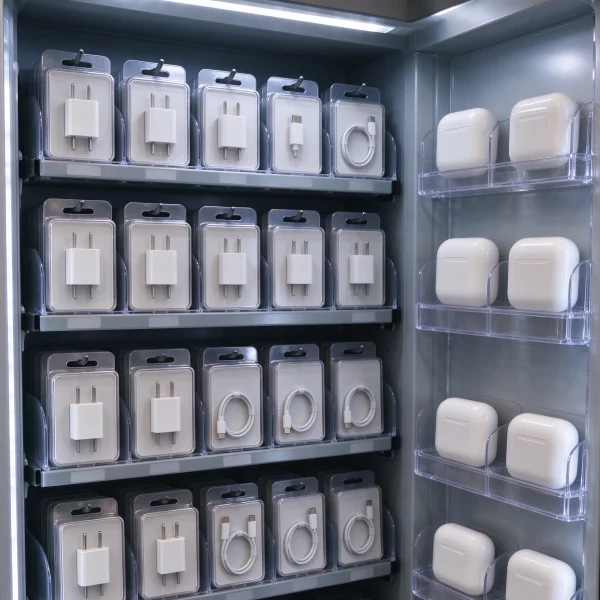
Phone chargers, earbuds, nail kits, and even lucky box items earn more per sale than food, but they move slower. They shine in malls, transit stations, and airports, where people buy them out of necessity or impulse. If you’re curious about how lucky boxes work, our real prizes and odds guide explains what actually comes out of those machines. In a standard break room, though, they rarely beat drinks.
Here’s a quick snapshot of the ranges we use for planning in 2026, not a promise of guaranteed results.
| Category | Typical retail price | Wholesale cost | Gross margin | Turnover pace | Best locations |
|---|---|---|---|---|---|
| Bottled water | $1.50 – $2.00 | $0.20 – $0.35 | 75-85% | Fast and steady | Gyms, offices, transit hubs |
| Soft drinks | $1.75 – $2.50 | $0.40 – $0.70 | 70-80% | Steady all day | Offices, schools, convenience stops |
| Chips and pretzels | $1.25 – $1.75 | $0.30 – $0.50 | 60-70% | Medium | Break rooms, schools |
| Candy bars | $1.25 – $1.75 | $0.40 – $0.60 | 55-65% | Fast with impulse buyers | Schools, retail |
| Energy drinks | $2.50 – $3.50 | $1.00 – $1.50 | 55-65% | Afternoon spike | Gyms, 24-hour locations |
| Phone chargers and nail kits | $5.00 – $15.00 | $2.00 – $6.00 | 40-60% | Slow with higher profit per sale | Malls, airports, transit stations |
Location is the hidden variable
The same product mix can perform wildly differently from one machine to the next. A hospital break room sells more water and diet soda, while a construction site leans toward energy drinks and salty snacks. A high school is a different game entirely. You can’t choose the most profitable item from a list alone; you have to match it to the people using your machine.
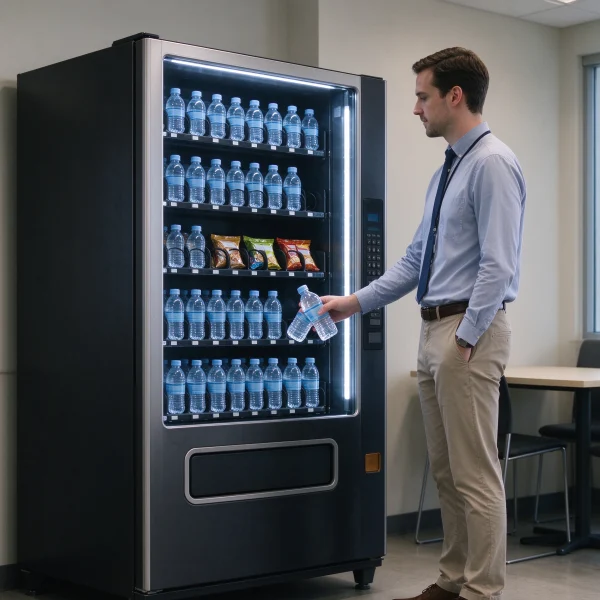
If you place a machine in a spot with low foot traffic, nothing else matters. If a cold drink machine sits in a gym, water and sports drinks will carry the route. Before you buy inventory, spend a couple of days watching the location, or ask the site manager what people already buy.
Still wondering if the whole business is worth it? Our 2026 data-driven profitability analysis covers the costs, returns, and risks you need to know.
How to test your mix like an operator
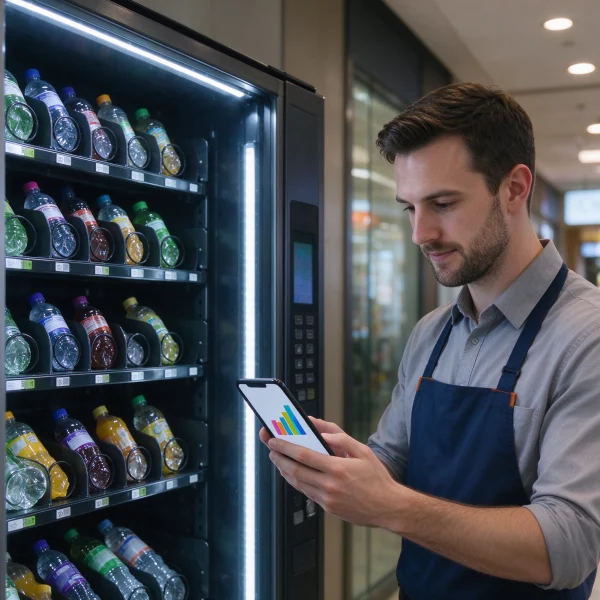
Start with a simple rule: keep at least four drink slots for water and soft drinks, and make snacks the supporting row. Track sales by slot, not by machine. Most card readers and modern machines give you a report of what sold and when, so use it.
Look at gross profit per slot over 30 days. If a candy bar keeps failing, swap it for a different candy or an energy drink. If a new item does well, move it to an eye-level spiral. Give every change a full restock cycle before you judge it.
And watch the clock. A product that sells in the morning at a hospital may sit until night at an office. Seasonality matters too: water spikes in summer, and hot coffee cups fly in winter.
Plenty of operators hunt for one magical item and never find it. The ones who make money build a mix that fits the machine, the location, and the season. Tracking slot data beats chasing trends.
Where to buy: supplier choice changes your margin
Wholesale cost is where your margin lives or dies. A difference of $0.10 per snack adds up fast across a route of 20 machines. If you’re still weighing whether the whole model works, our pros and cons of owning vending machines article covers the real costs on the other side of maintenance.
This is where VendingCore fits in. On VendingCore’s supplier ranking, you can compare verified suppliers, read buyer reviews, and send inquiries directly to multiple suppliers without trusting one salesperson. That makes it easier to negotiate better wholesale prices before you commit to a brand.
Also watch delivery minimums and shipping fees. A low unit price loses its value if you’re forced to buy hundreds of cases that’ll expire before you sell them. It often makes more sense to start small with two or three suppliers than to lock yourself into a big order.
Frequently Asked Questions
What item has the highest profit margin in vending machines?
Bottled water and regular soft drinks usually have the highest margin, landing between 70% and 80% before fees. Cold drinks have low wholesale costs and reliable demand. Candy and chips follow with lower margins, but they add variety and impulse sales. The exact winner depends on your location, so test water first and track its slot profit.
Are drinks or snacks more profitable?
Drinks generate more profit per slot in most locations. A bottle of water can cost you $0.25 and sell for $2.00. Snacks like chips or candy also do well, but they vary in cost and shelf life. If you can only stock one category, cold drinks are the safer anchor, with snacks as a supporting row.
How should I price vending machine items?
Price high enough to cover wholesale cost, card fees, commission, maintenance, and wasted product. For drinks, a common range is $1.50 to $2.50. For snacks, $1.25 to $1.75 works in most locations. Test a small increase and watch sales for two weeks. If demand stays the same, the higher price wins.
Which vending machine items sell best in an office?
Offices favor bottled water, diet soda, sparkling water, and low-sugar snacks. People buy out of habit, so keep the same sellers in stock every week. If the office has a gym or fitness culture, add energy drinks and protein bars. Change seasonal items slowly because office buyers are creatures of routine.
What is the best non-food item for vending machines?
Phone chargers, earbuds, and emergency personal care items like nail kits sell well in malls, airports, and transit stations. They have higher price points and slower turnover, so they work best in machines that already have steady foot traffic. Avoid putting them in a quiet break room, where they’ll just take up a valuable slot.
How many products should a vending machine carry?
A typical snack and drink machine has 30 to 50 slots. Keep at least six to eight different drink options and eight to ten snack types. Too many choices means slower inventory turns and more stale product. Focus on a compact mix that you can restock quickly and manage with minimal waste.
How do I choose a supplier for the best product prices?
Look at wholesale cost, shipping fees, minimum order size, and return policy, not just the catalog price. A supplier with a higher per-case price but lower minimums might be a better fit for a small route. Use VendingCore’s supplier ranking to compare verified suppliers, read buyer reviews, and send inquiries directly.
Start simple, then optimize
If you’re just starting, load water, a few soft drinks, and a small snack row. Once you have 30 days of sales data, replace slow movers and test again. The most profitable item in vending is the one your location actually buys, and you can only know that by measuring.