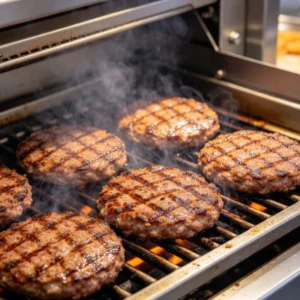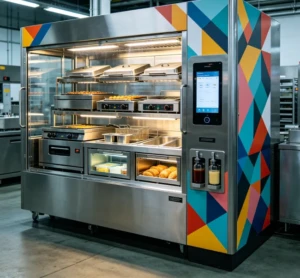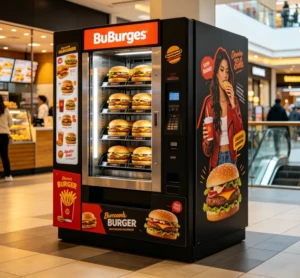
What equipment do I need for a burger restaurant? You’re looking at a core investment of $40,000 to $120,000+ for a complete commercial kitchen setup, depending on your scale and whether you buy new or used. That’s the big number, but it’s not just about money—it’s about building a system where every piece of gear, from the grill to the fridge, works together to turn out great food, fast. Get this wrong, and you’ll face daily chaos, safety issues, and wasted cash. Get it right, and you’ve built the engine of a profitable business.
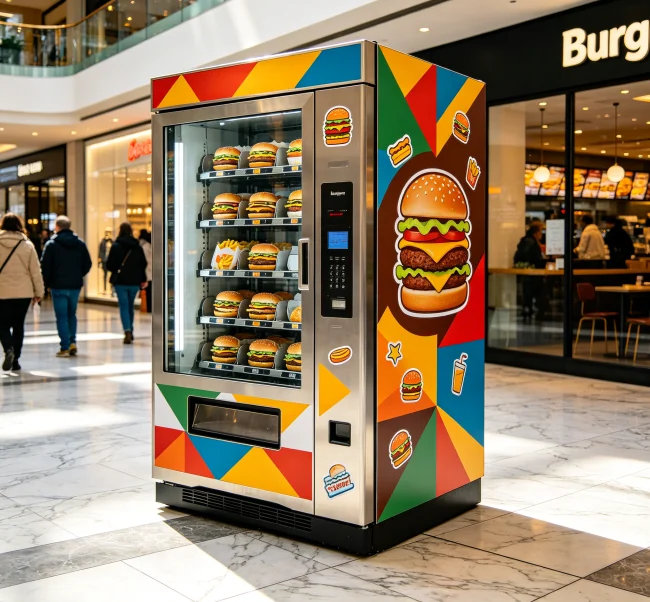
Let’s break down that ecosystem, not as a simple shopping list, but as a functional blueprint for your operation.
Think of your kitchen as a production line. Equipment needs to support a smooth flow: receive ingredients, store them safely, prep them efficiently, cook them perfectly, assemble orders quickly, and serve them hot. Your layout and equipment choices are all about minimizing steps and maximizing speed between these stages. A cramped prep area or a fryer placed too far from the assembly station can kill your efficiency during a lunch rush.
You’re not just buying appliances; you’re designing a workspace.
💡 Key Takeaway: Before listing gear, sketch your kitchen workflow on paper. Identify bottlenecks before they happen in real life.
The Essential Equipment Checklist: Category by Category
1. The Cooking Station: Your Profit Center
This is where the magic happens—and where you’ll spend a big chunk of your budget.
2. The Cold Station: Protecting Your Inventory
Food safety starts here. This isn’t your home fridge.
💡 Critical Info: Always buy NSF-certified refrigeration. It’s the industry standard for safety and durability, and health inspectors look for it.
3. The Prep Station: The Backstage Area
4. Assembly, Holding & Service
5. Support & Safety: The Non-Negotiables
This is where startups often underestimate costs.
💡 Practical Advice: Get quotes for your hood and fire system early. It’s often the largest fixed installation cost after the equipment itself.
Planning, Layout & Procurement: Your Roadmap to Success
Here’s where most guides stop, but this is where your real decisions happen.
Kitchen Layout Templates: Think in terms of space. A compact, efficient kitchen for a 500 sq ft fast-casual spot looks completely different from a 1,500 sq ft full-service restaurant with a bar. The goal is to create a tight “triangle” between cold storage, prep, and cooking, with assembly and pass-out windows as the final point.
The Budget Reality: Good, Better, Best
Here’s a rough breakdown. Remember, these are for equipment only—not installation, plumbing, electrical, or the hood system.
| Equipment Category | Good (Used/Entry-Level) | Better (Mid-Range New) | Best (Premium New) |
|---|---|---|---|
| Cooking (Grill, Fryer) | $5,000 – $8,000 | $10,000 – $15,000 | $18,000 – $25,000+ |
| Refrigeration | $3,000 – $5,000 | $6,000 – $10,000 | $12,000 – $18,000 |
| Prep & Smallwares | $2,000 – $4,000 | $4,000 – $7,000 | $7,000 – $10,000 |
| Estimated Total | $10k – $17k | $20k – $32k | $37k – $53k+ |
New vs. Used Equipment: Buying used from a reputable dealer can slash costs by 40-60%. It’s a fantastic option for items like refrigeration and prep tables. However, for your primary grill and fryer—the heart of your kitchen—the reliability and warranty of new equipment is often worth the investment. Leasing is another option to conserve upfront capital.
💡 Caution: Never buy used equipment without a technician’s inspection. A $3,000 “bargain” fridge with a dying compressor is a money pit.
Beyond the Heavy Metal: Don’t Forget These
Your equipment list is useless without the “smallwares”: spatulas, tongs, portion scoops, food pans, thermometer, cutting boards, and a mountain of sheet trays. Also, factor in your initial supply order: boxes of gloves, sanitizer, cleaning chemicals, paper goods, and takeout packaging. And of course—permits. Your local health department will have a specific checklist that your equipment and layout must satisfy before you can even turn on the grill.
Finding the Right Suppliers
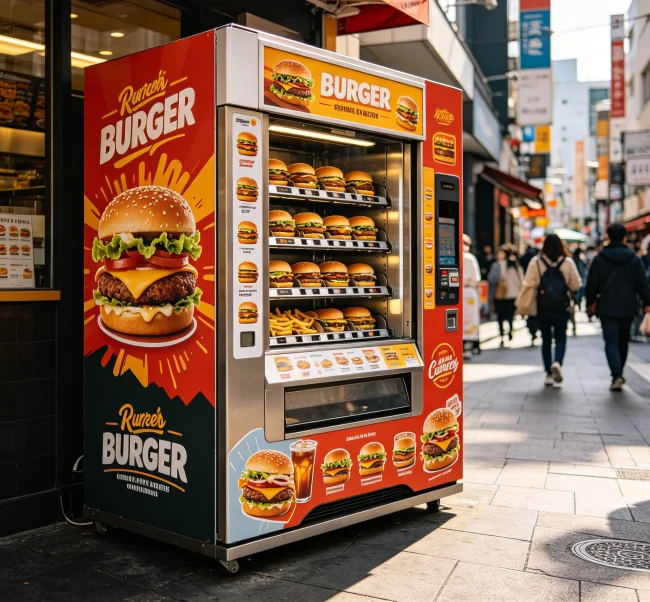
Sourcing all this isn’t like online shopping. It involves finding reliable suppliers, comparing specs, and arranging logistics. For entrepreneurs sourcing specialized equipment—like if you were adding a high-tech custom burger vending machine to your concept for a satellite location—the process requires connecting with qualified manufacturers who understand commercial food safety and tech integration. In such niche cases, professional sourcing services with deep manufacturer networks can be invaluable, cutting through the noise to find partners that meet specific technical and certification standards.
With a well-planned kitchen, efficient operations can lead to a solid ROI, often within 3-6 months for a well-located, busy burger joint. The key is viewing equipment not as an expense, but as the foundation of your brand’s quality and speed.