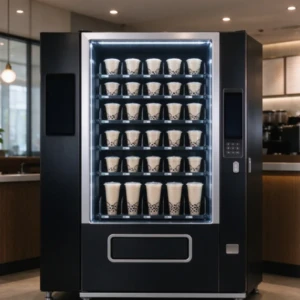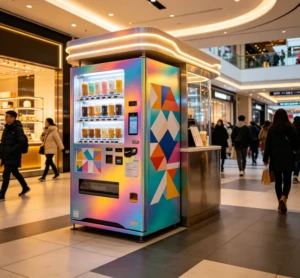
Yes, fully customizable bubble tea vending machines are available and are a strategic investment. The process involves specifying hardware/software needs, a factory build phase, and typically costs 20-40% more than standard models for far greater brand control and ROI.
Looking for a bubble tea machine that truly fits your brand? You're right to focus on customization—it's what turns a generic box into your own profitable, automated storefront. This guide cuts through the complexity. We'll walk you through the exact step-by-step process from design to installation, break down the real long-term costs (not just the sticker price), and give you a checklist of must-ask questions to vet suppliers. You'll learn how to avoid common pitfalls and secure a machine that's a perfect match for your business goals.
The bubble tea market’s explosive growth has created a demand for automation that goes beyond simple dispensing. Business owners now seek solutions that can replicate the bespoke, brand-driven experience of a physical shop within a compact, self-service format. This shift moves the conversation from mere equipment purchase to strategic business model implementation, where customization is the critical differentiator.
💡 Think Beyond the Machine: View your vending machine not as a purchase, but as a scalable, automated business partner that must reflect your unique brand identity and operational goals.
An off-the-shelf bubble tea machine is a generic tool; a customized one is a strategic asset. The core value lies in aligning the hardware and software with your specific operational blueprint. For a franchise, this means seamless integration of brand colors, logos, and approved menu items directly onto the touchscreen interface. For an independent operator in a university, it might involve tailoring payment systems to accept campus cards or integrating with a popular local mobile wallet. Customization directly impacts customer experience—a machine that allows for sugar level, ice preference, and topping selection mimics the personalization of a traditional shop, driving repeat visits. Furthermore, backend software customization for real-time sales tracking, remote inventory alerts, and dynamic pricing for promotions transforms the machine from a passive seller into an intelligent profit center. On platforms like vendingcore.com, we connect buyers with manufacturers who specialize in this level of bespoke integration, ensuring the final product is a true extension of your business, not just a piece of equipment.
💡 Start with Your Customer: Before discussing specs with a supplier, define your target customer’s payment habits and flavor preferences. This customer profile is the blueprint for your machine’s customization.
The Customization Blueprint: From Inquiry to Installation
Understanding the step-by-step process demystifies customization and sets realistic expectations. It typically follows this pathway:
- Requirement Specification: You provide details on desired capacity, footprint, payment options (cash, card, NFC, QR), and ingredient modules (e.g., number of syrup pumps, pearl cooker type).
- Design & Quotation: The manufacturer creates a 3D model or schematic, often with a customizable digital menu interface mock-up. A formal quote includes base machine cost and line-item costs for each custom feature.
- Component Selection & Software Setup: This is where you choose hardware (e.g., high-resolution touchscreen, specific cup sizes) and configure the software dashboard for user management, reporting, and menu updates.
- Factory Acceptance Testing (FAT): Reputable manufacturers will provide video evidence or invite (virtual) inspection of the completed machine performing test cycles. This is your chance to verify all custom functions before shipping.
- Shipping, Installation, & Training: The machine is crated and shipped. A critical, often overlooked, step is the site survey to ensure you have the correct power, water inlet, and drainage. Professional installation and on-site staff training are essential for smooth operation.
💡 Insist on a FAT: Never skip the Factory Acceptance Test. It’s your final quality checkpoint to ensure every customized feature works perfectly before the machine leaves the factory, avoiding costly international disputes.
Total Cost of Ownership Analysis
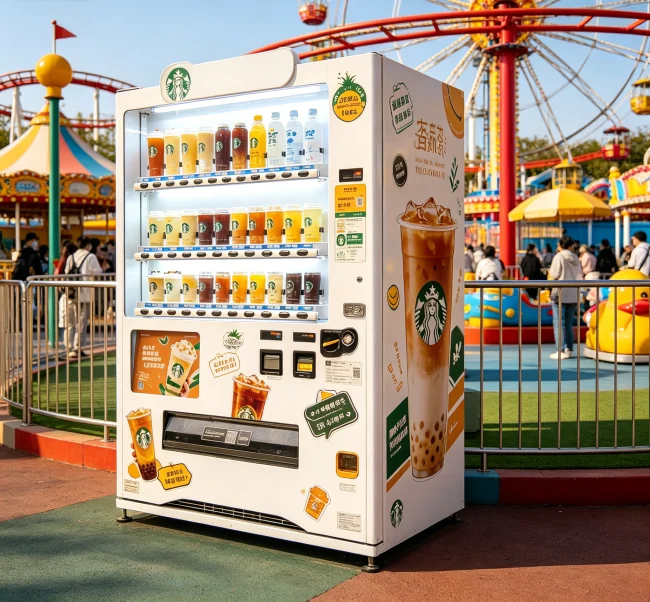
The purchase price is just the entry fee. A prudent investor must model the Total Cost of Ownership (TCO) to understand real profitability. Below is a simplified framework comparing a basic vs. a customized model.
| Cost Category | Basic Standard Machine | Customized Machine (Example) |
|---|---|---|
| Upfront Capital Cost | Machine Cost, Basic Shipping | Machine Cost + Customization Fees + International Shipping & Insurance |
| Installation & Setup | Simple Placement, Basic Power | Professional Installation, Plumbing/Electrical Modifications, Site Prep |
| Monthly Operational Costs | Ingredients, Utilities, Rent | Ingredients, Utilities, Rent, Potential Software SaaS Fee |
| Ongoing & Periodic Costs | Routine Cleaning, Minor Repairs | Scheduled Maintenance Contracts, Spare Parts Inventory, Software Updates |
| Revenue Potential | Standardized Menu, Fixed Pricing | Premium Branding Allows for Higher Price Points, Dynamic Promotions, Loyalty Integration |
The key takeaway is that while customization increases upfront and some operational costs, it is an investment designed to significantly boost revenue potential and brand equity, leading to a stronger long-term ROI. Our platform’s direct connection to manufacturers helps buyers get transparent quotes that break down these costs clearly, avoiding hidden fees.
Critical Questions for Your Manufacturer
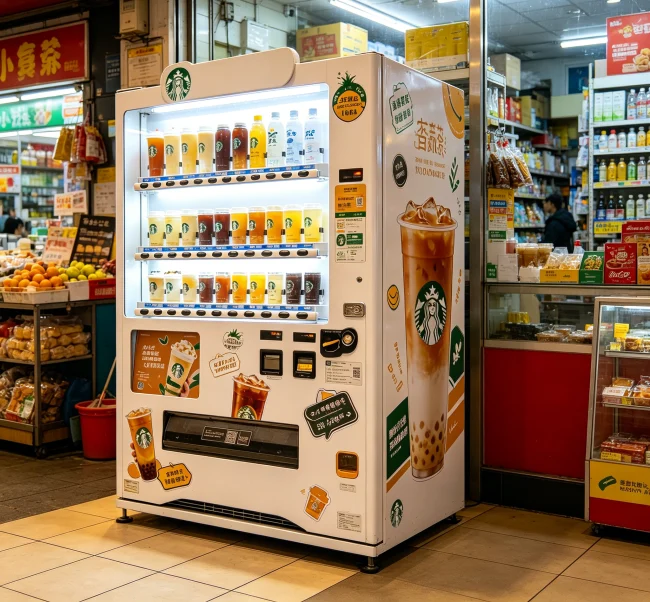
Vetting your supplier is as important as designing the machine. Use this checklist during negotiations:
- Warranty & Support: What is included in the warranty (parts, labor, shipping)? Is there on-site support in my country, or only remote troubleshooting?
- Spare Parts Availability: What is the lead time for critical spare parts (like peristaltic pumps or motherboard)? Do you provide a recommended spare parts kit?
- Software & Updates: Who owns the software license? Are future updates free? How is user data managed and secured?
- Training & Documentation: Do you provide comprehensive operation manuals, video tutorials, and maintenance guides in my language?
- Regulatory Compliance: Can you provide documentation for relevant safety certifications (CE, UL, ETL) for my region?
Manufacturers who answer these questions confidently and provide clear documentation demonstrate the reliability essential for a partnership. With over 500 pre-vetted manufacturers on vendingcore.com, we help buyers quickly identify partners with proven track records in after-sales service.
💡 Prioritize After-Sales: The quality of after-sales service will determine your machine’s uptime and lifespan. A slightly cheaper machine with poor support is far more expensive in the long run.
Navigating Health Codes and Site Logistics
A common oversight is failing to plan for regulations and infrastructure. Health department regulations for machines handling perishable dairy and cooked toppings are stringent. You may need to provide the manufacturer’s food safety design schematics for approval. Operationally, ensure your location has:
- A dedicated 110V/220V circuit with proper amperage.
- A potable water line with a shut-off valve and, in some cases, a water filter.
- A grated drain or approved method for wastewater disposal from cleaning cycles.
- Adequate ventilation and space for service access on all sides.
Addressing these requirements during the site survey phase, not after delivery, prevents costly delays and modifications.
Integrating with Modern Payment Ecosystems
Customization extends deeply into payment processing. Beyond cash and credit card readers, consider integration with mobile payment systems prevalent in your target market, like Apple Pay, Google Wallet, or regional giants like Alipay. Some advanced machines can be linked to a custom mobile app for pre-ordering, loyalty points, and personalized promotions. Discuss transaction fees, payment gateway integration, and the stability of the payment module with your supplier, as this is the direct link to your revenue.
The Role of AI and Adaptive Menus
The next frontier of customization is software intelligence. Advanced machines can use AI to analyze sales data and suggest menu optimizations—for example, automatically promoting a slower-selling flavor during off-peak hours or creating combo deals based on frequent purchase patterns. This “adaptive menu” capability allows your machine to learn from customer behavior and maximize revenue without manual intervention. When discussing software, inquire about the analytics dashboard and any smart features that move beyond basic reporting.
💡 Future-Proof Your Software: Choose a software platform that receives regular updates and offers scalable features like AI analytics or CRM integration, protecting your investment as technology evolves.
Securing a bubble tea vending machine with true customization is a detailed but highly rewarding process that transforms a capital expenditure into a branded, profit-optimized business unit. By focusing on the complete workflow—from defining your brand needs and modeling TCO to rigorously vetting manufacturer support—you mitigate risk and position your venture for sustainable success. The goal is not just to buy a machine, but to acquire a automated partner engineered for your specific victory.