Is vending machine business worth it — the average gross profit margin sits between 25% and 35%, with top-performing machines pulling in over $1,000 a month. You drop these automated retail units into high-traffic spots like office break rooms, hospital lobbies, or college dorms, and they work around the clock without needing a full-time employee on-site. The model is simple: stock it, collect the cash, restock. But here’s the catch — location quality and product selection make or break your returns faster than almost any other variable.
Look, I’ve talked to dozens of operators who started with one machine and now run fleets of fifty. And the ones who failed? They usually jumped in without crunching the real numbers. So let’s cut through the hype and look at what actually determines whether this business is profitable for you.
What the Numbers Actually Say About Vending Machine Profits
You don’t need a finance degree to figure this out, but you do need honest data. The National Automatic Merchandising Association (NAMA) reports that a well-placed machine averages $75 to $100 in weekly sales. That’s $300 to $400 a month per machine. After you subtract product costs (roughly 60-70% of revenue) and location commission (typically 5-15%), you’re looking at a net profit of $100 to $150 per machine monthly.
But here’s where it gets interesting. Some operators I’ve interviewed are pulling $500+ per month from a single machine in prime locations. Think busy truck stops, manufacturing plant break rooms with no cafeteria competition, or 24-hour gyms. The difference between a mediocre spot and a goldmine location can be 5x the revenue.
And that’s exactly why the “is vending machine business worth it” question doesn’t have one answer — it depends entirely on where you park your machines and what you put inside them.
The Real Cost Breakdown You Need to Know
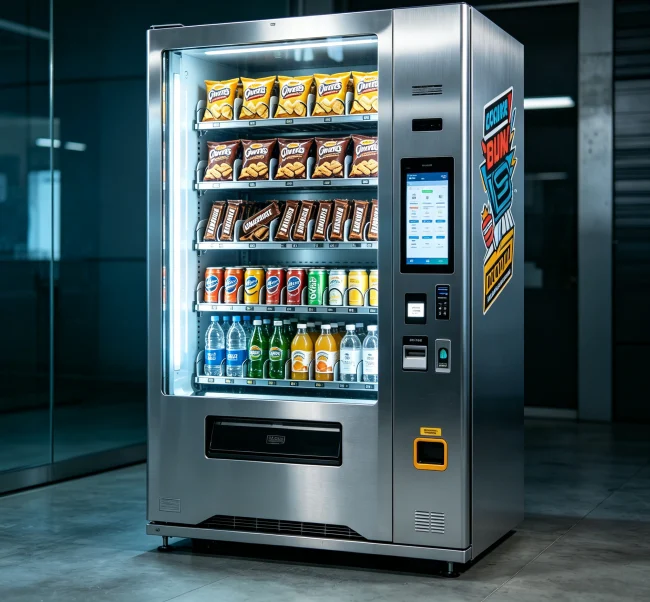
Let me be straight with you. Most YouTube videos make this sound like you can start for $2,000 and be rich in six months. Reality? You need a clearer picture.
💡 Reality Check: Don’t believe anyone who says you’ll make passive income with zero work. You’ll spend 4-8 hours per week per 10 machines on restocking, maintenance, and cash collection. Treat it like a real business from day one.
Here’s what you’re actually looking at for startup costs:
| Expense Category | Budget Option | Mid-Range | Premium |
|---|---|---|---|
| New machine (single price) | $3,000 – $4,500 | $5,000 – $7,000 | $8,000+ |
| Used/refurbished machine | $1,500 – $2,500 | $2,500 – $4,000 | $4,000 – $6,000 |
| Initial inventory (first fill) | $300 – $500 | $500 – $800 | $800 – $1,200 |
| Payment system (card reader) | $0 (lease) | $300 – $500 | $500 – $800 |
| Permits & licenses | $50 – $200 | $200 – $500 | $500+ |
The used machine route can work if you know what you’re looking for. But be careful — older machines break more often, and repair calls eat your profit fast. A single service visit can run $150-300.
Location: The Single Biggest Factor in Your Success
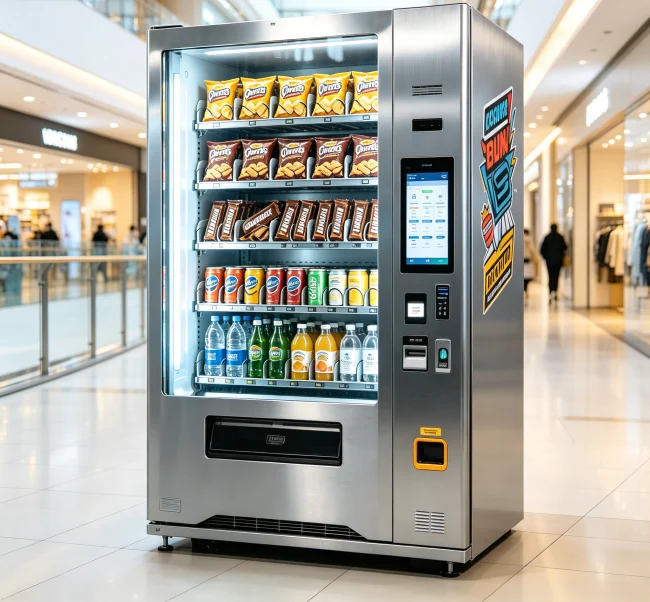
I can’t stress this enough. You could have the cheapest, ugliest machine with mediocre products, and if it’s in the right spot, you’ll still make money. Conversely, a brand-new machine with premium products in a dead location will bleed you dry.
So what makes a great location? Think about it this way — you want places where people are trapped with nothing else to do. Places where they can’t easily walk to a convenience store. Places with high foot traffic and limited time.
Top-performing locations I’ve seen include:
And the worst? Offices where employees only work 9-5 and leave every night. Schools during summer break. Anywhere with a cafeteria or convenience store within walking distance.
💡 Location Strategy: Before signing any location agreement, visit the spot at 3 different times of day — morning rush, lunch, and late afternoon. Count how many people walk by. If it’s under 100 per hour, walk away unless the commission is zero.
Product Mix: What Actually Sells
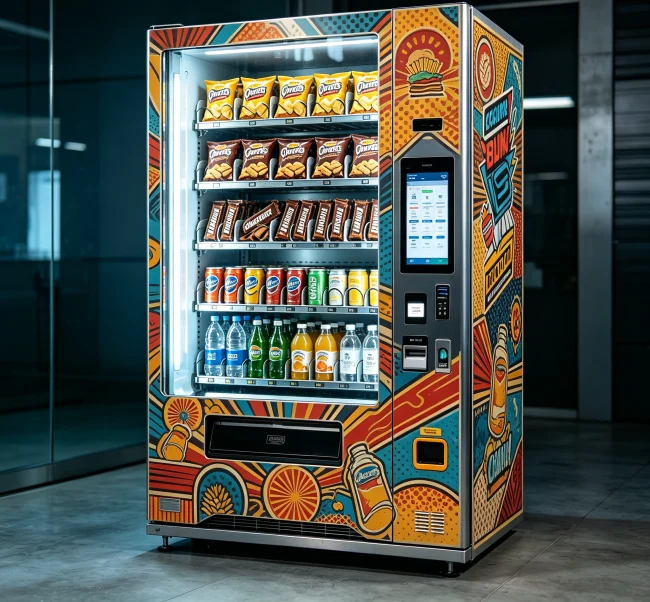
You’d be surprised how many new operators just fill their machines with random snacks they personally like. That’s a recipe for stale inventory and lost money. The data on what sells is pretty clear, and it’s not what you might think.
Looking for detailed product research? Check out what sells most in vending machines for data-backed insights on high-margin items.
The best-selling categories break down like this:
| Product Category | Typical Markup | Sales Velocity | Profit Potential |
|---|---|---|---|
| Chips & salty snacks | 40-60% | High | Medium |
| Candy & chocolate | 50-70% | Very High | High |
| Bottled drinks | 30-50% | Very High | Medium |
| Energy drinks | 60-80% | High | Very High |
| Gum & mints | 70-90% | Medium | High |
| Protein bars | 50-65% | Growing | High |
Here’s the thing — energy drinks have become the undisputed profit king in 2026. A can that costs you $1.50 sells for $3.00 or more. And people buy them daily, not weekly. If you’re not stocking Monster, Celsius, or Ghost in your machines, you’re leaving serious money on the table.
How Many Machines Do You Need to Make Real Money?
This is the million-dollar question — literally. If you want to replace a full-time income of $50,000 a year, you need to understand the math.
Assuming each machine nets you $125 per month (a realistic average), you’d need about 34 machines to hit $50,000 annually. That’s a lot of machines. But if you find premium locations where each machine nets $300 per month, you only need 14.
For a detailed roadmap on hitting specific income targets, this guide on how many vending machines you need to make 100k breaks it down with real scenarios.
The operators making the best money aren’t the ones with the most machines — they’re the ones with the best locations. A single machine in a truck stop can outperform five machines in mediocre office buildings. Quality over quantity, every time.
💡 Growth Strategy: Start with 2-3 machines in different location types. Run them for 3 months. Track everything. The machine that performs best tells you what type of location to pursue next. Scale what works, kill what doesn’t.
The Hidden Costs Nobody Talks About
Okay, let me tell you about the stuff that doesn’t show up in the glossy YouTube videos. Because these are the things that separate profitable operators from the ones who quit after six months.
First, machine breakdowns. They happen. And they always happen at the worst time — right before a holiday weekend when you’re out of town. A refrigeration unit fails and you lose $200 in inventory. A coin mechanism jams and you lose a week of sales before you can fix it.
Second, theft and vandalism. It’s not common, but it happens. Machines in sketchy areas get broken into. Card reader skimmers are a real threat. You need insurance, which runs about $200-500 per year per machine.
Third, location turnover. Your best location might suddenly close, remodel, or get bought out. Now you’re scrambling to find a new home for your machine. That’s lost revenue for weeks.
And fourth, inventory waste. Products expire. Seasonal items don’t sell. You’ll throw away 5-10% of your inventory if you’re not careful about rotation and demand tracking.
The 2026 Advantage: Technology Changes Everything
Here’s some good news. Vending machines in 2026 are nothing like your grandfather’s candy dispensers. Modern machines with telemetry, cashless payments, and remote monitoring have changed the game completely.
Telemetry systems tell you exactly what’s selling and what’s not — in real time. No more guessing. No more driving to a machine only to find it’s still half full. You know when to restock before you leave your house.
Cashless payments are non-negotiable now. If your machine only takes cash, you’re losing 40-50% of potential sales. People simply don’t carry cash anymore. Card readers, Apple Pay, and even crypto payments are standard for serious operators.
And remote monitoring lets you check temperature, inventory levels, and even fix software issues from your phone. That alone saves hours of driving time every week.
If you’re looking for a platform that integrates these modern features, VendingCore offers solutions that help operators manage their fleet efficiently with real-time data and smart inventory tracking.
💡 Tech Requirement: Do not buy a machine without telemetry and cashless payment capability in 2026. Even if you pay more upfront, the operational savings and revenue boost will pay for the difference within 6-12 months.
So, Is the Vending Machine Business Worth It?
Here’s my honest take after talking to dozens of operators and analyzing the data.
Yes — but only if you treat it like a business, not a get-rich-quick scheme. The people who succeed are the ones who research locations thoroughly, track their numbers obsessively, and reinvest their profits into better machines and better spots.
The people who fail? They buy a machine on a whim, stick it in a random location, and expect money to rain down. That’s not how it works.
If you’re willing to put in the upfront work — finding great locations, selecting the right products, maintaining your equipment — this business can absolutely be worth it. A well-run vending operation can generate 20-40% ROI annually, which beats most investments hands down.
But if you’re looking for something that requires zero effort? Look elsewhere. This is a business, not a lottery ticket.