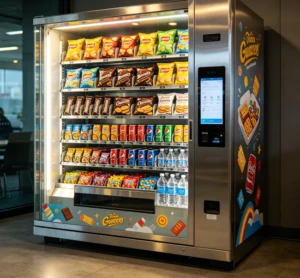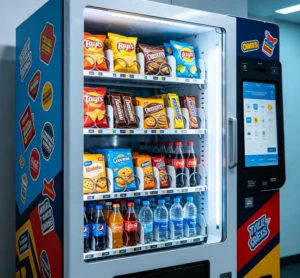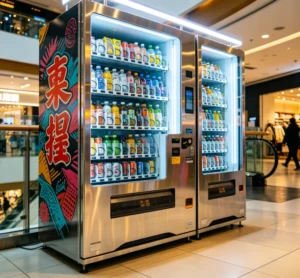
Are vending machines profitable in 2026? Yes, profit margins for well-run vending machine routes typically range from 10% to 30% after costs, with many operators seeing net annual earnings of $30,000 to $60,000 per machine. These machines sit in high-traffic spots like office break rooms, hospital lobbies, and college campuses, where customers grab snacks or drinks on the go without thinking. Operators restock weekly, manage inventory through smart software, and collect cash or digital payments automatically.
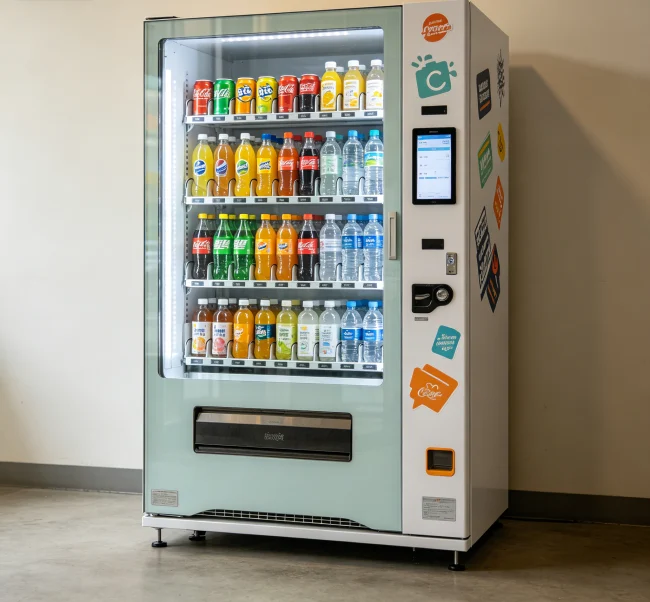
But here’s the thing—those numbers aren’t automatic. They depend entirely on what you sell, where you place the machine, and how you manage costs. A machine selling generic candy bars in a low-traffic hallway? You’ll probably lose money. One stocked with healthy protein packs and energy drinks near a busy gym? That’s a different story.
💡 Reality Check: Don’t buy a machine first and then hunt for a location. Lock down your spot first—it’s the single biggest factor in whether you’ll turn a profit or just break even.
What’s Driving Profitability in 2026?
A few things have changed recently. Cashless payments are now the norm—over 80% of vending transactions use cards or phones. That alone boosts sales by 15-25% compared to cash-only machines. People don’t carry change anymore, so if your machine only takes quarters, you’re basically turning away customers.
Then there’s dynamic pricing. Smart machines can adjust prices based on demand—charging more for cold drinks on a hot day or offering discounts on slow-moving items. This isn’t theoretical; operators using cloud-connected machines report 10-20% revenue bumps from this alone.
And let’s not forget healthy options. The days of vending machines being junk food dispensers are fading. Protein bars, nuts, sparkling water, and even fresh fruit now sell at premium prices. One operator I know swapped half his candy for healthy snacks and saw his per-transaction average jump from $1.50 to $3.20.
The Hidden Costs That Eat Your Profit
Gross revenue sounds great until you subtract what you actually spend. Here’s the breakdown most beginners miss:
| Cost Category | Typical Monthly Cost | % of Revenue |
|---|---|---|
| Product purchases | $400 – $800 | 40-50% |
| Location commission | $50 – $200 | 5-15% |
| Credit card fees | $30 – $80 | 2-4% |
| Maintenance & repairs | $20 – $100 | 2-5% |
| Transportation (fuel + time) | $100 – $300 | 5-10% |
Notice how product costs eat almost half your revenue. That’s why choosing the right inventory matters so much. If you’re buying wholesale at $0.80 per candy bar and selling at $1.50, you’re making $0.70. But if you buy protein bars at $1.20 and sell at $3.00? That’s $1.80 profit per item—more than double.
💡 Smart Move: Focus on items with at least 50% gross margin. Anything less and you’ll struggle after commissions and fees. Check out what sells most in vending machines for data-backed product picks.
Location Is Everything—Here’s Proof
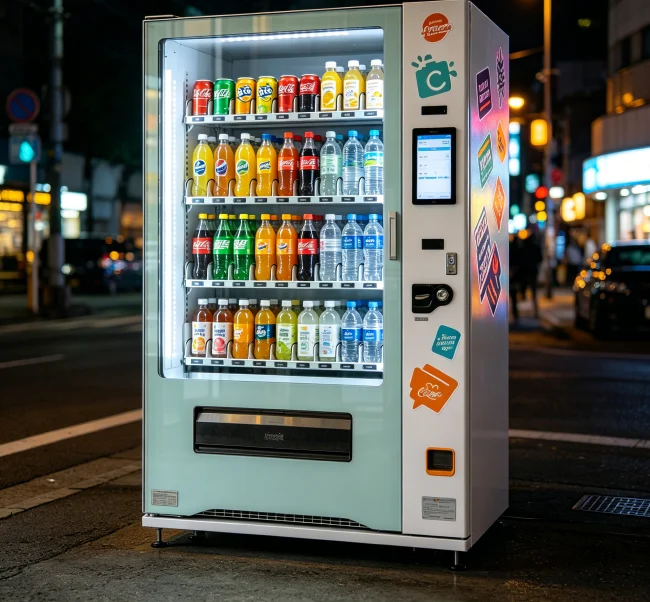
Let’s talk about the elephant in the room. You can have the best machine and the best products, but if it’s in a bad spot, you’re done. I’ve seen this play out dozens of times.
A machine in a small office with 30 employees? Maybe $200/month in sales. Same machine in a busy hospital waiting room? Easily $1,500/month. The difference isn’t the machine—it’s foot traffic and buying intent.
High-profit locations in 2026 include:
Low-profit traps to avoid:
💡 Key Insight: One great location beats five mediocre ones. Focus on securing 2-3 high-traffic spots rather than spreading yourself thin across 10 weak ones. Platforms like VendingCore can help you find and vet locations before you buy equipment.
How Many Machines Do You Actually Need?
This is where most people get it wrong. They think one machine will make them rich. Realistically, a single well-placed machine might net you $300-$600 per month after costs. That’s not bad for a side gig, but it’s not quitting-your-job money.
To hit meaningful income targets, you need scale. Here’s a rough look:
| Monthly Income Goal | Machines Needed (avg performance) | Initial Investment |
|---|---|---|
| $1,000 (side income) | 2-3 | $6,000 – $15,000 |
| $3,000 (part-time) | 6-10 | $18,000 – $50,000 |
| $8,000 (full-time income) | 15-25 | $45,000 – $125,000 |
The key takeaway? Don’t quit your day job after buying one machine. Start small, prove your model, then scale. Many successful operators began with 2-3 machines, learned the ropes, and grew from there. If you’re curious about the math, here’s a realistic roadmap to making $100k.
Why Some Machines Fail and Others Thrive
I’ve watched plenty of people jump into this business thinking it’s passive income. Spoiler: it’s not. At least not at first. Here’s what separates profitable operators from the ones who sell their machines on Craigslist six months later:
Successful operators:
Failed operators:
There’s a reason why most profitable vending machines in 2026 are modern, connected units. They give you real-time data, remote price adjustments, and automatic inventory tracking. That intelligence alone can boost profits by 20-30% compared to old-school machines.
💡 Critical Warning: Don’t buy a used machine without testing it thoroughly. A $500 machine that needs $300 in repairs every quarter will kill your margins. Newer equipment from trusted suppliers costs more upfront but pays for itself in reliability.
The Bottom Line on 2026 Profitability
So are vending machines profitable in 2026? Yes, but only if you treat it like a real business. The days of throwing a machine in a random spot and collecting money are over. Competition is higher, but so is technology. Operators who use data, choose smart locations, and adapt to changing consumer preferences are doing very well.
If you’re serious about getting started, talk to people who are already doing it. Check out resources like VendingCore that offer equipment, location guidance, and ongoing support. The upfront work is real, but the long-term payoff—especially if you build a route of 10+ machines—is solid.
Just remember: this isn’t a get-rich-quick scheme. It’s a legitimate small business that rewards consistency, smart decisions, and a willingness to learn. Start small, prove your concept, then scale. That’s the formula that actually works.