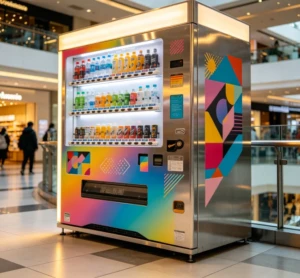
Home / Vending Machine Business / How Do Tobacco Vending Machines Work? Age Verification and Payment Systems Explained

How Do Tobacco Vending Machines Work? Age Verification and Payment Systems Explained

Tobacco vending machines work through a complex blend of mechanical hardware and strict digital age-verification systems, with over 60% of modern machines in regulated markets now requiring a government-issued ID scan or a connected payment card to complete a single purchase. These aren’t your grandpa’s old cigarette machines from the 1950s. Today, the process involves you picking a product, authenticating your age (often via a driver’s license swipe or a credit card that proves you’re over 21), and then the machine’s internal delivery mechanism—usually a spiral coil or a conveyor belt—drops your pack into a locked bin for retrieval.
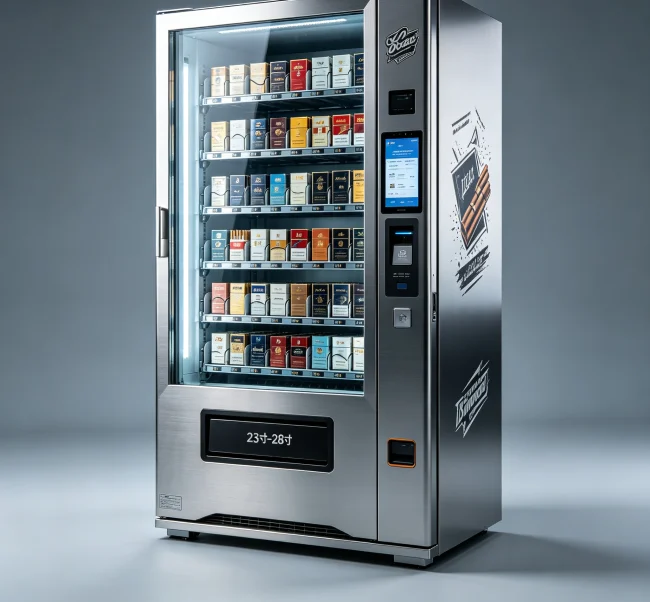
How do tobacco vending machines work?

The entire transaction takes about 15 to 30 seconds, but the technology behind it is surprisingly sophisticated. From the payment terminal talking to a secure server to the precise motor control that prevents jams, these machines are miniaturized retail kiosks built for high compliance.

The Core Transaction: Step-by-Step

Let’s walk through what actually happens when you approach one of these machines.

1. The Selection Process

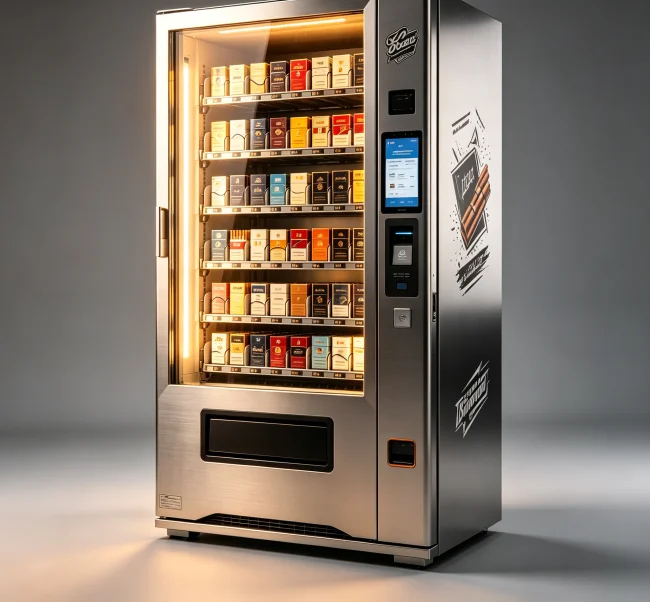
You start by looking at the display. Most modern machines use a glass front so you can see the actual products, but some use digital screens showing images and prices. You press a button or tap a number on a keypad that corresponds to the row of cigarettes you want. This sends a signal to the machine’s main control board, which checks if the selected row is stocked and functional.

2. The Age Verification Hurdle

This is the most critical part. The machine will not proceed without verifying you’re of legal age. There are three common methods:

  • ID Scanner: You insert your driver’s license or passport into a slot. The machine reads the barcode or magnetic stripe, parses the birthdate, and compares it to the legal age. If you’re underage, the transaction stops immediately.
  • Payment Card Age Check: You tap your credit or debit card. The machine sends a request to the card issuer to confirm the cardholder is over a certain age. If the bank confirms it, the transaction continues. If not, it’s rejected.
  • Mobile App or Digital ID: Newer machines let you scan a QR code that opens a government-approved digital ID app on your phone. You authenticate with a fingerprint or face scan, and the app sends a verified “over 21” signal to the machine.
  • 3. Payment Processing

    Once age is confirmed, you complete the payment. These machines accept cash (bills and coins), credit/debit cards (EMV chip and NFC tap), and mobile wallets like Apple Pay or Google Pay. The payment terminal processes the transaction just like a store checkout—it talks to a payment gateway, authorizes the funds, and sends a “paid” signal back to the machine.

    4. The Mechanical Delivery

    Here’s where the old-school engineering kicks in. After payment, the control board activates a small electric motor attached to a spiral coil holding your selected product. The motor rotates the coil exactly one full revolution, pushing the pack forward until it falls off the front edge. Gravity takes over, and the pack drops into a metal or plastic bin at the bottom of the machine. You open a small door to retrieve it.

    5. Inventory and Reporting

    Inside the machine, sensors track every sale. When a row is nearly empty, the machine logs a low-stock alert. Many modern machines are connected to the internet via cellular or Wi-Fi, sending real-time sales data and inventory levels to a central management system. This allows operators to know exactly when to restock, without having to visit the machine.

    💡 Key Tip: If you’re operating these machines, always test the ID scanner and payment terminal weekly. A single failure can lead to fines or lost sales.

    The Legal and Regulatory Framework
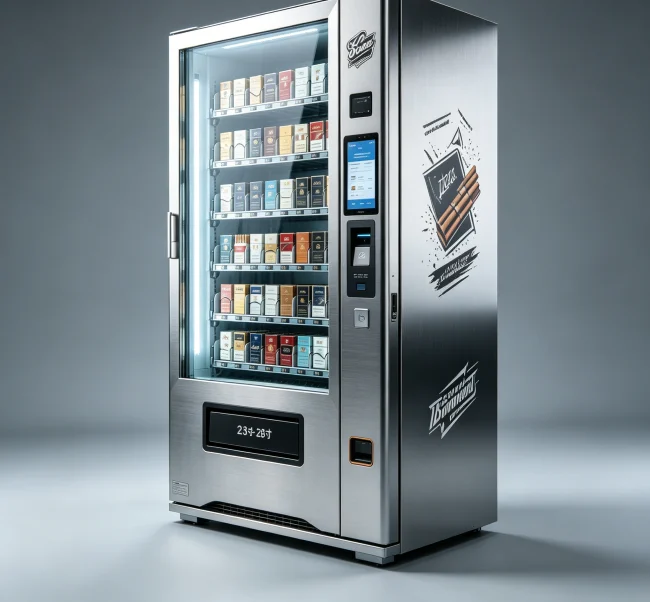
    The Legal and Regulatory Framework

    You can’t just put a tobacco vending machine on any street corner. The laws are strict, and they vary wildly by location.

    In the United States, the FDA’s regulations are the baseline. Machines must be in locations where minors are not allowed, or they must be equipped with an “effective” age verification system (which the FDA interprets as a remote ID check or card scan). Many states, like New York and California, have even stricter rules, requiring machines to be in bars or clubs that are 21+ only, or banning them entirely.

    In Germany, the system is different. Machines often use a “Tabakterminal”—a separate unit next to the machine. You insert your ID or a special “eCARD” (a prepaid age-verified card) into the terminal first. The terminal unlocks the vending machine for one purchase. This decouples the age verification from the payment, which some argue is more secure.

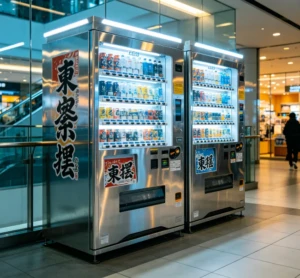
    In Japan, tobacco vending machines are everywhere, but they all require a “Taspo” card. This is a contactless smart card issued only to adults after they prove their age. You tap the Taspo card on the machine, and it unlocks the purchase. This system is highly effective but requires government infrastructure.

    Technology Deep Dive: The Age Verification Engine
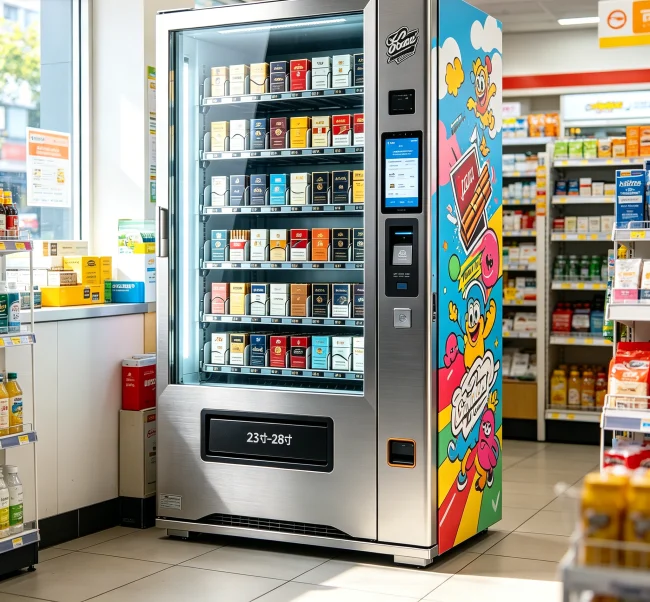
    Technology Deep Dive: The Age Verification Engine

    Let’s get into the tech that makes or breaks these machines. The age verification system is essentially a secure computer running specialized software.

  • ID Parsing Software: The machine’s scanner doesn’t just take a picture. It uses optical character recognition (OCR) to read the birthdate and expiration date from the barcode or text. It then checks a database of valid ID formats to ensure the card isn’t a fake.
  • Server-Side Validation: For card-based age checks, the machine doesn’t store your age. It sends a tokenized request to the payment processor. The processor checks its records (linked to your card account) and returns a simple “yes” or “no” for age. This protects your privacy.
  • Fail-Safe Protocols: If the scanner can’t read the ID, or if the network is down, the machine is programmed to refuse the sale. There is no manual override. This prevents tampering.
  • 💡 Important Point: Never rely on a simple “honor system” button for age verification. It’s illegal in most regulated markets and will get your machine confiscated.

    Maintenance and Common Issues
    Maintenance and Common Issues

    These machines are reliable, but they aren’t indestructible. Operators face a few recurring headaches.

  • Jammed Coils: This is the most common mechanical issue. A pack of cigarettes can get slightly crushed or misaligned, jamming the spiral. The motor keeps trying but can’t turn, eventually burning out if not fixed.
  • ID Scanner Dirt: The scanner’s lens gets dusty or smudged. This causes read failures. A quick wipe with a microfiber cloth every week solves most problems.
  • Payment Terminal Glitches: Network timeouts or outdated firmware can cause card payments to fail. Regular remote updates are essential.
  • Temperature Sensitivity: If the machine is outdoors, extreme cold can thicken lubricants and slow down motors. Extreme heat can warp plastic parts. Climate-controlled machines are a must for outdoor locations.
  • The Future: What’s Next for Tobacco Vending?

    The industry isn’t standing still. We’re already seeing prototypes and early deployments of next-generation machines.

  • Biometric Age Verification: Machines with built-in cameras that use facial recognition algorithms to estimate age. You just stand in front of the machine, and it decides if you look old enough. Controversial, but it’s being tested.
  • AI-Powered Inventory Management: Cameras inside the machine scan the shelves and automatically reorder stock when supplies run low. This eliminates the need for manual inventory checks.
  • Blockchain for Compliance: Some companies are exploring blockchain ledgers to record every age verification event. This creates an immutable audit trail that regulators can trust.
  • 💡 Practical Advice: If you’re considering entering this market, partner with a supplier like VendingCore that offers machines with modular age-verification systems. This allows you to upgrade the ID scanner without replacing the entire machine.
    Frequently Asked Questions (FAQ)

    A

    No. In virtually all regulated markets, modern tobacco vending machines are legally required to verify your age before a sale. They use ID scanners, payment card age checks, or mobile digital IDs. Attempting to bypass this will result in the machine refusing the transaction.

    A

    When you tap your card, the machine sends a request to your card issuer through the payment network. The bank checks the cardholder's date of birth on file and returns a simple "over 21" or "underage" response. The machine does not receive or store your actual birthdate.

    A

    The machine is programmed to enter a "fault" mode. It will not process any sales until the scanner is repaired. This is a safety feature to prevent unauthorized sales. Operators usually receive a remote alert when a scanner fails.

    A

    Yes, but with strict conditions. Federal law requires them to be in locations where minors are not present, or to have an effective age verification system. Many states and cities have additional bans or restrictions, so local laws always apply.

    A

    Each product row has a unique address linked to a specific button or number on the keypad. When you press that button, the machine's control board activates the motor for that specific row. The motor rotates exactly one revolution to push the product forward.

    A

    Modern machines accept cash (bills and coins), credit and debit cards (with EMV chip and NFC tap), and mobile wallets like Apple Pay and Google Pay. Some also accept prepaid age-verified cards specific to the region, like Japan's Taspo card.

    A

    It depends on sales volume. High-traffic machines in bars or clubs might need restocking every 2-3 days. Low-traffic machines in office buildings might only need service once a week. Most modern machines send real-time inventory alerts to optimize restocking schedules.

    A

    It is extremely difficult. The scanners use advanced OCR and database checks to validate the ID's format and expiration date. They are designed to reject common fake IDs. Attempting to use a fake ID is illegal and can lead to criminal charges.

    The biggest misconception about tobacco vending machines is that they are a simple, low-tech business. In reality, the compliance burden is enormous. Operators spend more time on software updates, ID scanner calibration, and legal audits than on physical restocking. The machines that succeed are the ones backed by a reliable technology partner who understands both the hardware and the regulatory landscape. I always advise new operators to prioritize the age verification system over the machine's price tag—it's the single most important component.

    Dr. Elena Rossi
    Director of Regulatory Compliance, VendingCore

    Ready to Start Your Project?

    Contact us for professional advice and customized solutions

    Contact Now

    Asher

    Technical expert in smart vending solutions and IoT-enabled retail automation. Providing in-depth reviews and comparisons to guide businesses toward the best technology choices.

    Leave a Comment

    Your email address will not be published. Required fields are marked *

    Table of Contents
    0%
    VendingCore
    Privacy Overview

    This website uses cookies so that we can provide you with the best user experience possible. Cookie information is stored in your browser and performs functions such as recognising you when you return to our website and helping our team to understand which sections of the website you find most interesting and useful.