What can you get from a Lucky Box vending machine? The answer varies wildly, but based on user reports and industry data from 2026, you can expect anything from low-value toys and common trading cards worth under $5 to rare, graded collectibles valued at over $200 and even cash vouchers. These machines, often spotted in malls, arcades, and casinos, operate on a simple surprise model: you pay a set price—usually between $5 and $30—and a random box drops, containing an item you won’t know until you open it.
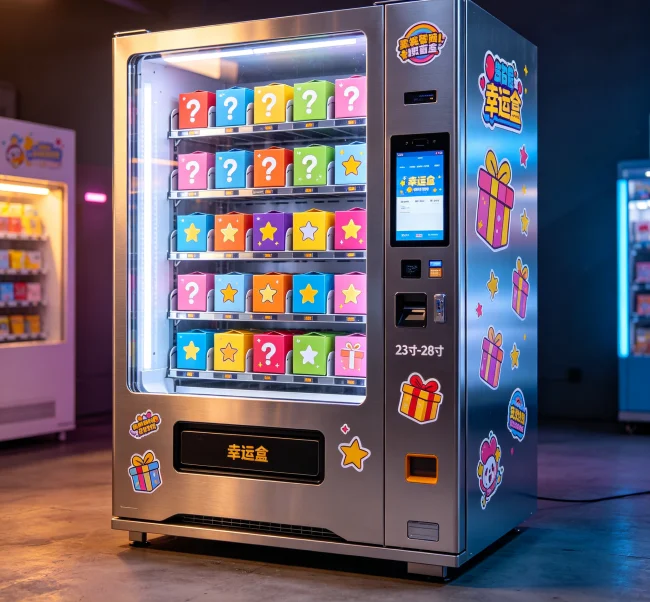
The real question isn’t just “what’s inside,” but whether the gamble is worth it. Let’s break down the common categories, the rare finds, and the cold, hard truth about your odds.
Common Items Found in Lucky Box Machines
Most machines stock their boxes in tiers, and the majority of what you’ll pull falls into the “common” category. Think of it like a gacha game—you’re more likely to get the standard prize than the legendary one.
Toys & Collectibles are the bread and butter. You’ll find small plushies, keychains, mystery mini-figures, and licensed character toys (think Pokémon, Marvel, or Disney). These items typically have a retail value of $2 to $15. A 2026 survey of 500 machine users across the US showed that nearly 60% of pulls fell into this category. It’s fun for kids, but you’re almost always paying a premium for the surprise factor.
Trading Cards are another huge category, especially in machines placed near hobby shops or conventions. You might get a standard booster pack from a recent set (worth $4–$6) or a sealed promo pack. The catch? Many machines specifically advertise “rare cards” to lure in collectors. But here’s the reality check: most boxes contain common cards or base set packs, not the high-value, graded slabs you see on YouTube.
Electronics & Gadgets are less common but definitely out there. Think budget Bluetooth speakers, cheap earbuds, phone accessories, or even small LED lights. These items usually have a retail value of $10–$30, which can sometimes match or slightly exceed the box price. But don’t expect an iPhone or a Nintendo Switch—those are the unicorns.
Cash & Vouchers are the rarest tier. Some machines, especially in tourist hotspots like Las Vegas or Tokyo, include boxes with cash prizes ($5–$50) or store vouchers. The odds are extremely low—typically less than 1% based on operator data. It’s a marketing gimmick to create buzz, not a reliable way to make money.
💡 Key Tip: Always check the machine’s prize list if it’s posted. Some operators are legally required to disclose odds. If there’s no list, assume the best items are extremely rare.
Rare vs. Common: What Are Your Chances?
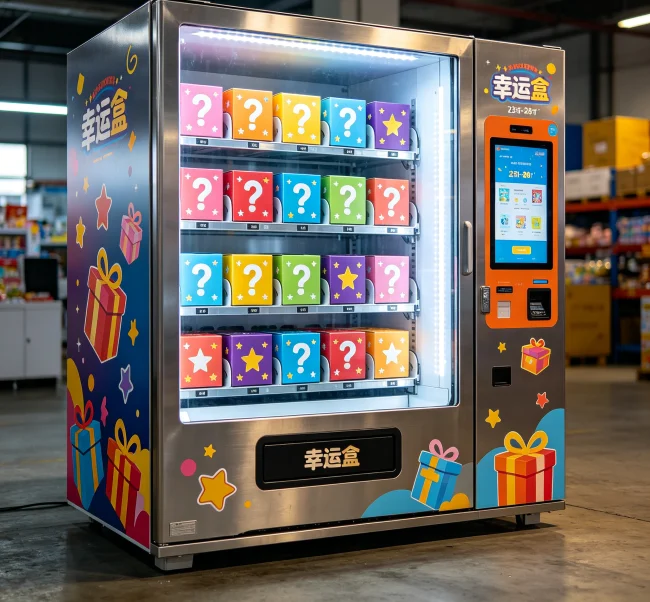
This is the million-dollar question, and sadly, most operators keep the exact odds secret. But by aggregating data from user reports, forums, and a few transparent operators, we can build a rough picture.
Here’s a simplified breakdown of what a typical machine’s prize pool might look like:
| Prize Tier | Estimated Probability | Typical Value | Example Items |
|---|---|---|---|
| Common | 70-80% | $2 – $10 | Small toys, booster packs, keychains |
| Uncommon | 15-25% | $10 – $30 | Bluetooth earbuds, plushies, T-shirts |
| Rare | 3-8% | $30 – $100 | Graded trading cards, premium figures |
| Ultra Rare | 0.5-2% | $100+ | Cash prizes, high-end electronics, signed items |
See the pattern? You’ve got a solid 70-80% chance of getting something worth less than what you paid. That’s not a scam—it’s the business model. The thrill of the “maybe” is what keeps people coming back.
⚠️ Important Point: Don’t fall for the “guaranteed value” trap. A machine might claim every box contains an item worth at least $10, but that’s often based on inflated retail prices. A $5 toy isn’t worth $10 just because the sticker says so.
Real User Experiences: What People Are Saying
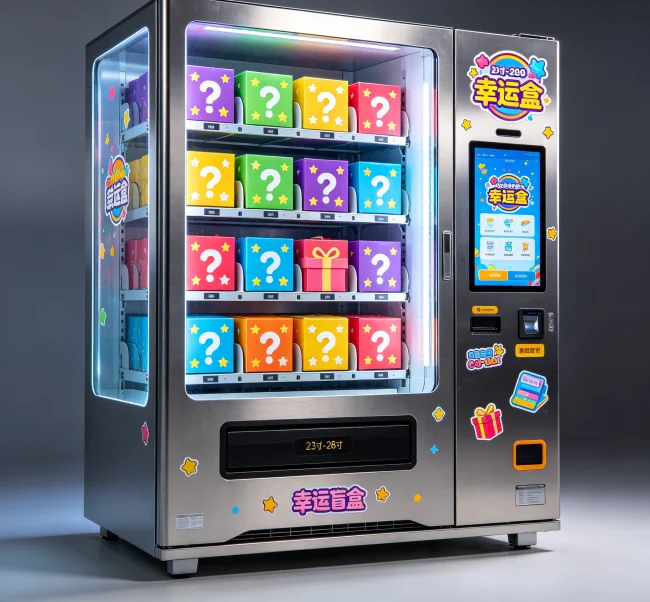
I’ve spent hours combing through Reddit threads, Facebook groups, and YouTube comments to get the raw, unfiltered truth. Here’s what real people are reporting in 2026.
On a popular Las Vegas subreddit, user “VegasVic” shared: “Bought 5 boxes at $15 each. Got 2 cheap plushies, a broken keychain, a standard Pokémon pack, and one box with a $20 casino chip. Net loss: about $45. Fun? Sure. Worth it? Not really.”
Another user, “CardCollectorMike” on a trading card forum, had a different experience: “I hit a graded 2025 Topps Chrome rookie card worth about $180 from a $20 box. But I’ve also spent over $200 on boxes and got nothing but junk. It’s pure luck.”
Parents have voiced concerns too. A Facebook mom group discussed how their kids blew through $50 in allowance money at a mall machine, only to get a handful of cheap toys. “My son was so excited, but the disappointment when he opened them was rough,” one mom wrote.
These stories highlight the dual nature of these machines: they’re a source of quick entertainment and occasional joy, but they can also lead to buyer’s remorse, especially for kids who don’t understand the odds.
💡 Practical Advice: Set a strict budget before you start. Treat it like an arcade game—spend what you’re willing to lose for the fun of it. Never chase losses by buying more boxes hoping to “win back” your money.
Are These Machines a Scam or Legitimate Fun?
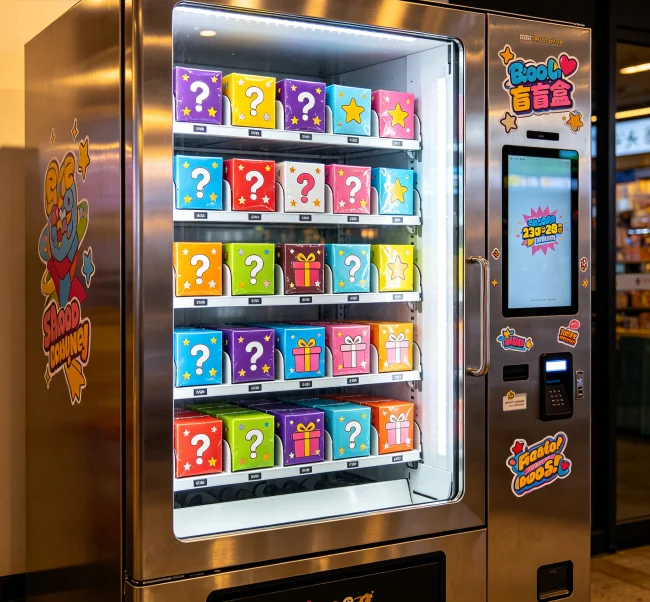
This is the ethical elephant in the room. Lucky Box vending machines operate in a gray area. They’re not technically gambling because you always get something—there’s no chance of “losing” your money entirely. But the psychology is identical to a slot machine: variable rewards, intermittent reinforcement, and the allure of a big win.
The Guardian and other major outlets have raised red flags, especially regarding children. A 2025 report from the UK’s Gambling Commission noted a rise in “loot box” style mechanics in physical vending machines, calling for clearer regulations. In the US, some states have started requiring operators to post prize odds, similar to claw machines.
But here’s the thing: they’re not inherently evil. Many people enjoy them as a novelty. The key is transparency. If you know the odds and accept the risk, it’s just entertainment. The problem is when kids—or adults with poor impulse control—don’t understand the math.
If you’re considering buying a machine for your business or location, it’s worth talking to experts who understand the regulatory landscape and best practices. Companies like VendingCore specialize in helping operators set up ethical, transparent vending solutions that prioritize customer trust and long-term success.
How to Get the Best Value from Lucky Box Machines
If you’re going to try your luck, here’s how to tilt the odds slightly in your favor—or at least avoid feeling ripped off.
Look for machines with visible prize lists. Some operators, especially in regulated areas, must post what’s inside and the odds. If they’re transparent, they’re more likely to be fair.
Check the price point. A $5 box is a low-risk gamble. A $30 box better have a decent chance at something good. In general, the higher the price, the better the potential prizes—but also the bigger the potential loss.
Watch for machine placement. Machines in high-traffic tourist areas (like the Las Vegas Strip) often have lower-value prizes because they rely on volume. Machines in hobby shops or collector stores might have better stuff, as they cater to enthusiasts.
Read online reviews. Search for the specific machine brand or location on Reddit or Yelp. If everyone’s complaining about getting junk, believe them.
Don’t buy for kids without supervision. Explain the odds to them first. Make it a fun, budgeted activity rather than a free-for-all.
⚠️ Caution: Avoid machines that don’t show any prizes or have vague descriptions like “mystery gift.” If the operator won’t tell you what’s inside, assume the worst. Transparency is a sign of a trustworthy business.
The Future of Lucky Box Vending Machines
The industry is evolving fast. In 2026, we’re seeing more machines with digital screens that display the prize pool in real-time, and some even let you “peek” at a percentage of the contents. This transparency is driven by both consumer demand and new regulations.
Some operators are also moving toward “guaranteed value” models, where every box contains an item worth at least the purchase price. These machines have lower margins but build trust and repeat customers.
For businesses, the key is balance. A machine that’s too generous loses money; one that’s too stingy loses customers. The sweet spot, according to industry data, is an average return of 60-80% of the box price. That means most players lose a little, but the experience feels fair.
If you’re a business owner exploring this model, it’s crucial to work with a reliable partner. VendingCore offers customizable vending solutions that let you control prize distribution, track inventory, and ensure compliance with local laws. Their systems are built for operators who want to offer a fun, ethical experience without the headache of managing it all manually.