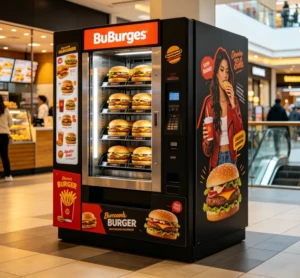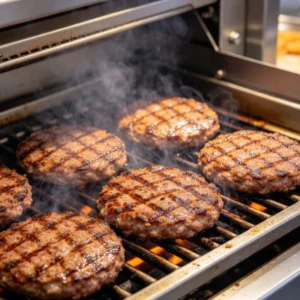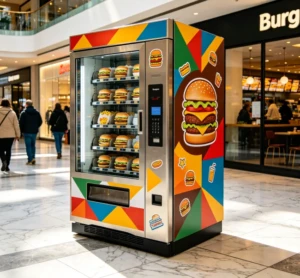
Yes, burger vending machines absolutely exist, and they’re serving up hot, fresh patties in under six minutes. From standalone robotic chefs in US airports to compact hot-food vendors in Tokyo backstreets, this isn’t science fiction—it’s a growing segment of automated retail. The real question isn’t about their existence, but about their quality, availability, and whether they represent a smart business opportunity.
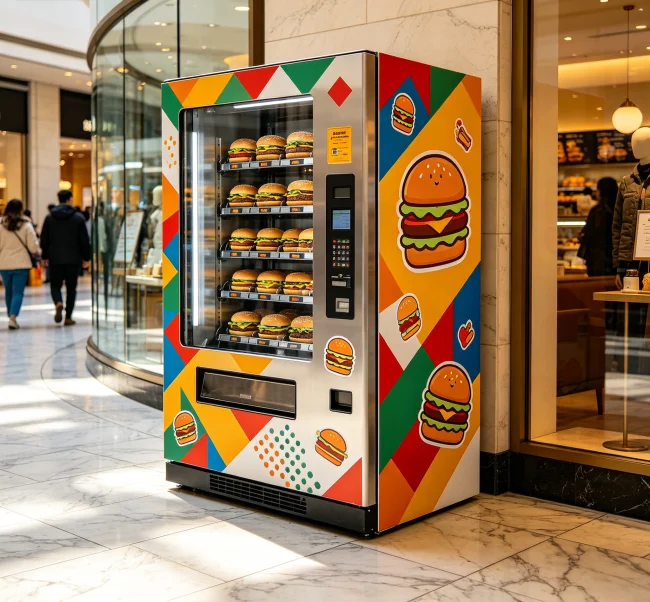
Let’s map out where this technology stands today.
Forget the idea of a single model. Several companies have launched operational machines, each with a different approach. Here’s a snapshot of the current players.
| Brand/Model | Primary Locations | Key Feature | Burger Type |
|---|---|---|---|
| RoboBurger | USA (Airports, Campuses) | Fully autonomous. Refrigerates, grills, assembles, and cleans itself. | Classic Cheeseburger |
| BurgerBot (by RoboEatz) | Canada, Middle East | Robotic arm assembly from pre-cooked ingredients. Customizable orders. | Gourmet-style Burgers |
| Tateishi Burger Machine | Japan (Tokyo, Osaka) | Compact, heated compartment system. Pre-assembled burgers. | Basic Japanese-style Burger |
| AMA Burger Vending Machine | Europe (Trials) | Focuses on rapid heating of pre-cooked gourmet burgers. | Premium Beef & Plant-Based |
The locations tell a story. You’ll find these machines in high-traffic, time-sensitive zones where people want a decent meal fast—airports, university campuses, hospital lobbies, and transportation hubs. They’re not in your average mall food court yet, but that’s likely the next frontier.
💡 Key Tip: If you’re looking to try one, search for the brand name + “locations” online. Their websites often have real-time maps showing operational kiosks.
How Does a Robot Actually Make a Burger?
It’s more complex than a snack machine dropping a bag of chips. Most advanced models like RoboBurger follow a precise, multi-step process that happens behind a glass panel.
First, you order and pay via a touchscreen. Inside, the machine’s system retrieves a frozen patty from a refrigerated compartment and places it on a grill that flips it automatically. Buns are toasted in a separate slot. Once cooked, the robotic assembly begins: bottom bun, patty, cheese (which melts from the patty’s heat), condiments from sealed cartridges, top bun. The finished burger is then boxed and delivered to the pickup hatch. The entire cycle takes about 4-6 minutes, and many machines have a self-cleaning cycle after each order.
The technology hinges on reliable refrigeration, precise robotics, and integrated cooking elements—all in one durable cabinet. It’s an engineering feat that explains why these units carry a higher price tag than a simple soda machine.
The Consumer Verdict: Are They Any Good?
Reviews are surprisingly mixed, which is actually a sign of a maturing product category—people are critiquing the food, not just marveling at the robot.
The consensus? The burgers are better than you’d expect from a vending machine, but they won’t replace your favorite gourmet burger joint. They’re typically a solid, fast, and consistent option. The major pros are freshness (made-to-order), speed, and novelty. The common cons are price (often $10-$12, comparable to fast-casual) and sometimes, a slightly dry bun if the assembly timing is off.
From our team’s perspective in the vending industry, this is a critical phase. Consumer acceptance of the taste is what will move these machines from a novelty to a mainstream amenity. The technology works; now it’s about perfecting the culinary output.
💡 Practical Advice: If you try one, manage your expectations. You’re paying for hot, on-demand convenience and a tech experience, not necessarily a culinary masterpiece.
The Business Case: A Viable Investment?
This is where most informational articles stop, but it’s the crucial question for entrepreneurs. Let’s break it down.
The initial investment is significant. A single high-end burger vending machine can cost between $50,000 to $100,000, depending on capabilities and brand. Then you have operational costs: ingredient restocking, lease for the floor space (prime locations cost more), utilities, and routine maintenance.
Revenue comes from selling each burger at a markup. In a high-foot-traffic location, a well-placed machine can see strong daily sales. The potential ROI can be attractive, often falling in a 2-6 month range for a prime location with consistent operation, but that’s highly dependent on traffic, burger cost, and selling price. The business model favors locations with captive audiences willing to pay for convenience—think overnight shifts at factories, busy travel terminals, or large office parks without food options.
💡 Critical Info: Your location is everything. A thorough site assessment is more important than the machine’s specs. Analyze foot traffic, dwell time, and competition before committing.
Sourcing and the Road Ahead
If you’re considering this business, sourcing a reliable machine is the first major hurdle. The market includes established brands like RoboBurger, which often sells directly or through franchise models, and a range of manufacturers, particularly in Asia, offering various models on B2B platforms.
This is where our work at VendingCore becomes relevant. We help serious buyers navigate this exact challenge. Our team connects entrepreneurs with a network of qualified manufacturers globally. Whether you’re looking for a specific branded unit or exploring OEM (Original Equipment Manufacturer) options for a custom solution, we can match your requirements with suppliers that meet international standards for food safety and machinery. You tell us your needs—capacity, feature set, budget—and we help find the right manufacturing partner.
The future is heating up. Burger vending is just the tip of the spear for hot food automation. We’re already seeing ramen machines, pizza robots, and automated fried chicken stations. The trend points toward fully automated, mini-kitchens serving a wider variety of fresh meals 24/7. The technology will only get more affordable and reliable.
💡 For Entrepreneurs: Don’t just source a machine—source a partner. Consider the manufacturer’s support for software updates, spare parts, and maintenance. This is a long-term operational asset.
So, are burger vending machines a fad? Probably not. They solve real problems: labor shortages, 24/7 availability, and consistent service in awkward locations. They exist, they work, and they’re slowly spreading. Whether you want to try one or invest in one, the landscape is finally moving from concept to reality.