
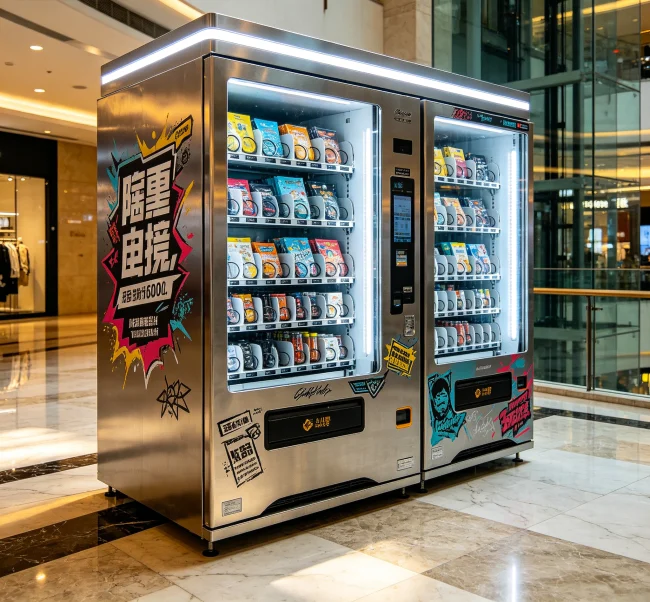
The most profitable vending machines in 2026 typically generate $500-$1,500+ in monthly net profit per unit, with top performers in high-traffic locations clearing $3,000 or more. The real secret isn’t just the machine type—it’s the powerful combination of a high-margin product placed perfectly in front of a captive, ready-to-spend audience. Forget the old soda-and-chip model; today’s profit leaders are smart machines selling fresh food, gourmet coffee, unique treats, and even tech services.
Let’s cut through the noise and look at what actually drives cash flow.
You can buy the “best” machine, but if you ignore the core profit drivers, you’ll lose money. Think of it as a simple equation: Profit = (Location Quality x Product Margin) – (Operating Efficiency + Fixed Costs).
A mediocre snack machine in a phenomenal location will often crush a fantastic machine in a poor one. Your first job is to understand this balance. We see buyers focus too much on the hardware upfront. The smarter move? Start with market research—identify a location need first, then find the perfect machine to fill it.
💡 Critical Mindset Shift: Don’t start by shopping for machines. Start by hunting for locations with hungry, thirsty, or bored people who have limited alternatives.
2026’s Most Profitable Machines: A Data-Driven Breakdown
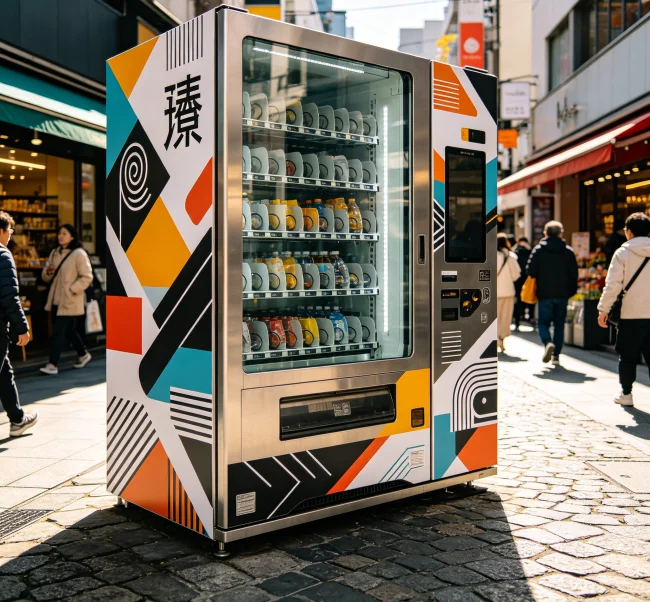
Here’s a clear comparison of the frontrunners. These figures assume solid locations and efficient operations.
| Machine Type | Avg. Initial Investment | Typical Gross Margin | Prime Location Examples | Key Profit Driver |
|---|---|---|---|---|
| Smart Fresh Food & Meal Kits | $8,000 – $15,000 | 60-75% | Office Towers, Hospitals, 24/7 Gyms | Solves a “need” (hunger) not a “want” (snack). High price point. |
| Specialty Coffee & Beverage | $6,000 – $12,000 | 70-85% | College Libraries, Car Dealerships, Corporate Lobbies | Extremely low cost per cup. Premium pricing for lattes/cappuccinos. |
| Ice Cream & Novelty Frozen | $5,000 – $9,000 | 60-70% | Parks, Beaches, Apartment Complexes, Malls | Impulse buy. High demand in hot weather. Low spoilage if machine works. |
| Healthy Vending (Salads, Yogurt) | $7,000 – $10,000 | 50-65% | Yoga Studios, Corporate Wellness Centers, Universities | Targets a health-conscious demographic willing to pay more. |
| Phone Charger & Tech Accessories | $1,500 – $4,000 | 80-90%+ | Airports, Hotels, Convention Centers, Bars | Ultra-high margin. “Emergency” need justifies high fee. |
Notice a pattern? The winners either fulfill a immediate need (food, coffee, a phone charge) or cater to a specific lifestyle (health, indulgence). The generic bulk candy machine in a hallway just doesn’t compete anymore.
💡 Practical Advice: When calculating your ROI, use a range of 3-6 months for a well-placed, high-margin machine. This is realistic with good operations, but always pad your estimates for unexpected costs.
Deep Dive: Why These Machines Win
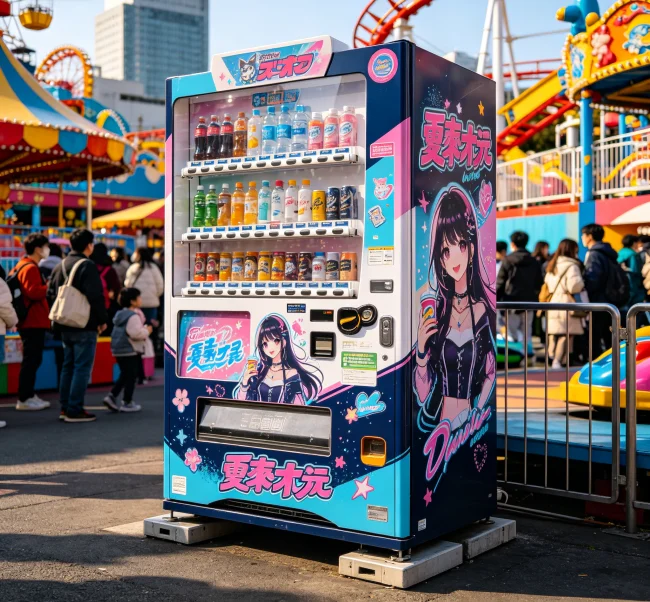
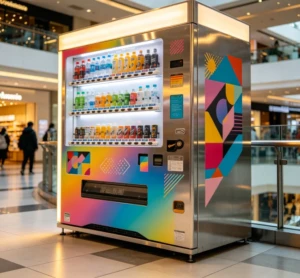
Smart Fresh Food Machines are revolutionizing the sector. They’re not just microwaved sandwiches. We’re talking refrigerated salads, sushi, protein boxes, and fresh meals. The tech is key—digital screens, cashless payments, and real-time inventory tracking. Profit skyrockets when you can remotely see what’s selling out and adjust orders instantly. Placement is everything: think places where people work long hours and food options are limited or require leaving the building.
Specialty Coffee Machines have moved far beyond instant powder. Modern units use real bean grinders, fresh milk systems, and offer café-style drinks for $4-$6. The cost? Maybe $0.50-$1.00 per cup. The margin is insane. The trick is machine reliability and quality—a bad cup kills repeat business. That’s why connecting with manufacturers known for durability and consistent output is a non-negotiable first step. Our team often helps buyers navigate this, matching them with suppliers whose machines have proven track records in commercial settings.
Ice Cream Machines are the ultimate impulse profit center. On a hot day, demand is almost guaranteed. The operational win here is that frozen inventory has a long shelf life in a working machine, reducing waste. The challenge is maintenance—these machines are complex. A broken freezer is a total loss leader. You need a reliable unit and a good service plan.
💡 Key Supplier Tip: Never choose a machine on price alone. A cheaper unit with frequent downtime will destroy your profitability. Prioritize manufacturers with strong warranties and accessible technical support.
Your Real “Profit Multipliers”: Location & Operations
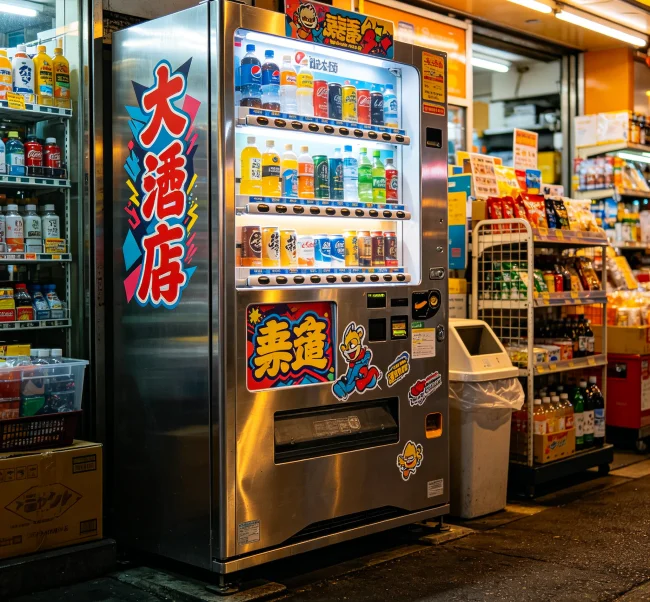
The machine is your tool. Your strategy is what makes you money.
Location Scouting Checklist:
Operational Efficiency Hacks:
This is where many new operators stumble. They get the location and machine right, but then lose profits to inefficient routing, stockouts, or clumsy cash handling.
The Launch Blueprint & Honest Risks
Here’s a quick-start map:
The Risks Nobody Likes to Talk About:
Have a plan for each. That’s what separates a side hustle from a real business.
💡 Final Caution: Factor in at least 20% of your projected revenue for ongoing costs: restocking labor, commission, payment processing fees, and a maintenance fund. If the numbers still look good, you’ve got a viable model.
What’s Next? The 2026 Trend Watch
Profitability will increasingly be driven by integration. Machines that sync with delivery apps for remote ordering, use AI to predict stock levels, or offer personalized discounts via loyalty apps are the future. The machine is becoming a smart, connected retail point. When you’re sourcing equipment, considering this tech stack isn’t optional—it’s how you’ll stay ahead.
The most profitable vending machine business is a data-informed, operationally sharp, and location-obsessed venture. It’s not passive income; it’s active asset management. Choose your niche, find your spot, partner with the right equipment supplier, and execute efficiently.
1 Comments