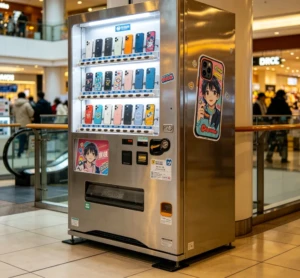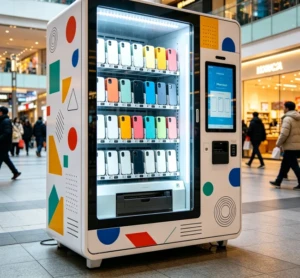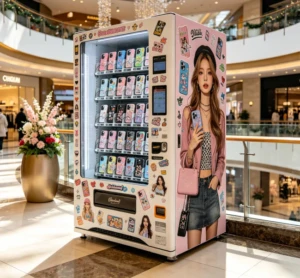
Who buys phone case vending machines for business? The primary commercial buyers are shopping mall operators, university campus services, cinema/entertainment venue managers, startup entrepreneurs, and existing vending route owners looking to diversify. They’re not just buying a machine; they’re investing in a high-margin, impulse-driven revenue stream that capitalizes on foot traffic and the universal need for phone protection. The market’s moved far beyond a novelty—it’s now a calculated business expansion for savvy operators.
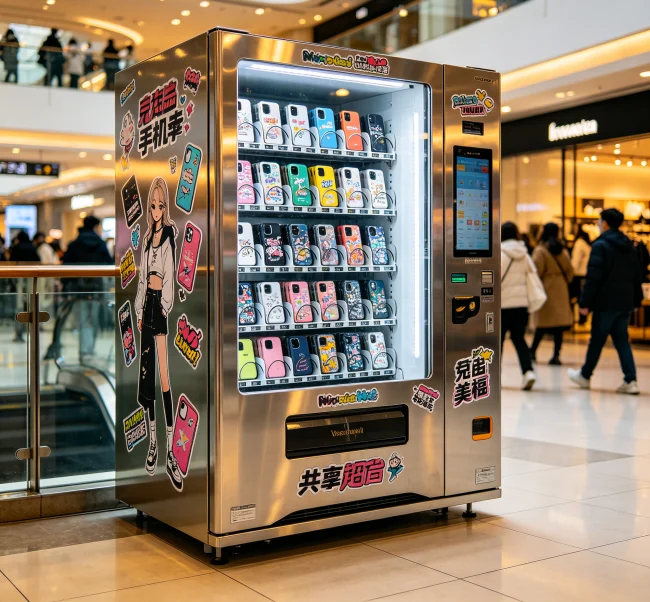
Let’s cut through the noise. If you’re researching this, you’re likely trying to validate a business idea or find your own customers. You need a clear picture of who’s actually writing the checks and why. More importantly, you need to know where they go to buy, so you can either emulate their strategy or position yourself to sell to them.
Forget vague categories. These are the real decision-makers, each with distinct motivations and pain points.
| Buyer Type | Primary Motivation | Typical Purchase Scale | Key Location Criteria |
|---|---|---|---|
| Shopping Mall & Airport Operators | Enhancing tenant mix, capturing dwell time, increasing per-visitor spend. | Multiple units (3-10+) for deployment across their property portfolio. | High-footfall corridors, near food courts, rest areas, or entrances. |
| University & College Campus Services | Providing convenient, 24/7 student amenities without staffing overhead. | 1-3 units initially, often scaling after proving concept. | Student unions, libraries, dormitory lobbies, recreational centers. |
| Cinema, Bowling Alley & Family Entertainment Center (FEC) Managers | Boosting ancillary revenue. Patrons are captive, in a leisure mindset, and often have damaged phone accessories. | 1-2 units per location. | Lobby areas, near concession stands or ticket lines. |
| The Startup Entrepreneur / First-Time Operator | Low-barrier entry into vending, seeking a proven model with strong unit economics. | 1 unit (the pilot machine). | Securing that first prime location through negotiation is their biggest hurdle. |
| Existing Vending or Amusement Route Owners | Diversifying their existing machine portfolio with a higher-margin product without new location costs. | Integrating 1-2 units into their established routes. | Their existing high-performing locations (e.g., swapping out a lower-performing snack machine). |
Notice a pattern? It’s all about augmenting existing traffic. These buyers already have access to a steady stream of people. The phone case vending machine is a tool to monetize that flow more effectively.
💡 Key Takeaway: Your first step isn’t picking a machine—it’s identifying which buyer profile you align with or plan to sell to. This dictates your location strategy and scale.
The “Why”: Pain Points and Financial Expectations
Buyers don’t purchase on a whim. They’re solving problems. Mall operators, for instance, are constantly fighting against e-commerce. A trendy, interactive kiosk adds experiential retail that keeps people on-site. For university buyers, it’s about serving a tech-savvy, convenience-demanding demographic without increasing administrative burden.
The financial expectation is clear: a fast ROI. Based on operational data from successful deployments, a well-placed machine in a decent traffic location can see a full return on investment in 2 to 4 months. This assumes a disciplined approach to stocking popular designs and maintaining the equipment. The high profit margin on phone cases—often 200-300%+—is what fuels this rapid payback period. It’s this math that turns curious managers into serious buyers.
Where Do These Buyers Actually Purchase?
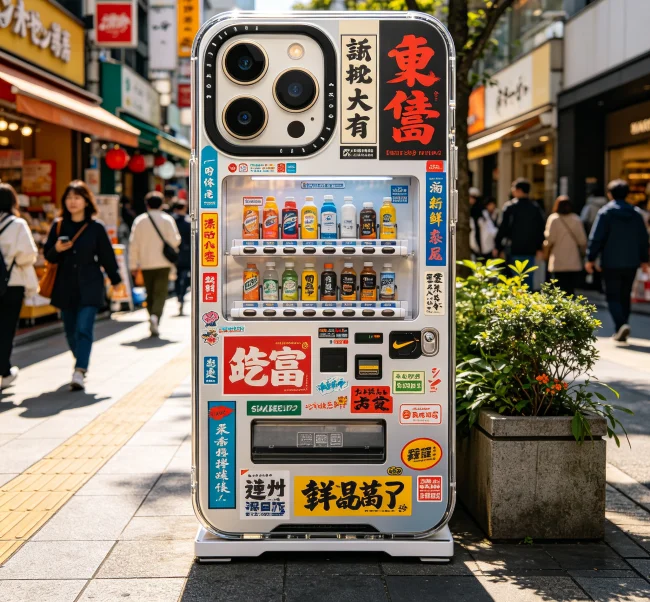
This is where most guides get fuzzy. The procurement channel a buyer chooses depends entirely on their profile and goals.
| Procurement Channel | Best For… | Pros | Cons & Risks |
|---|---|---|---|
| Direct from Manufacturer | Large-scale buyers (malls, large route owners), those wanting heavy customization. | Lowest per-unit cost, full customization control, direct technical support. | Higher minimum order quantities (MOQs), complex logistics, longer lead times. |
| Through a Distributor/Reseller | First-time entrepreneurs, regional operators, those wanting local support. | Local inventory (faster shipping), hand-holding, often smaller MOQs. | Higher unit price, limited customization, dependent on distributor expertise. |
| B2B Marketplaces & Sourcing Platforms | Buyers comparing options globally, seeking verified suppliers, value transparency. | Access to hundreds of verified manufacturers, easy comparison, request-for-quote tools, escrow services. | Requires due diligence on specific suppliers; you manage the vetting. |
| Secondhand/Refurbished Market | Bootstrapped startups testing the model on a tight budget. | Very low upfront capital cost. | High risk of malfunctions, no warranty, outdated tech, potential hidden repair costs. |
Platforms like ours, VendingCore, exist specifically to bridge this gap. We connect business buyers with over 500 verified vending machine manufacturers globally. For someone asking “who buys,” understanding that savvy buyers often start their search on professional B2B platforms is crucial—it’s where they compare specs, get direct quotes, and access a wider range of options than a single distributor might offer.
💡 Practical Advice: Don’t limit your search to one channel. Use a B2B platform to identify 3-5 potential manufacturers, then engage directly to assess their responsiveness and terms.
The Buyer’s Decision Checklist: 10 Questions They Ask
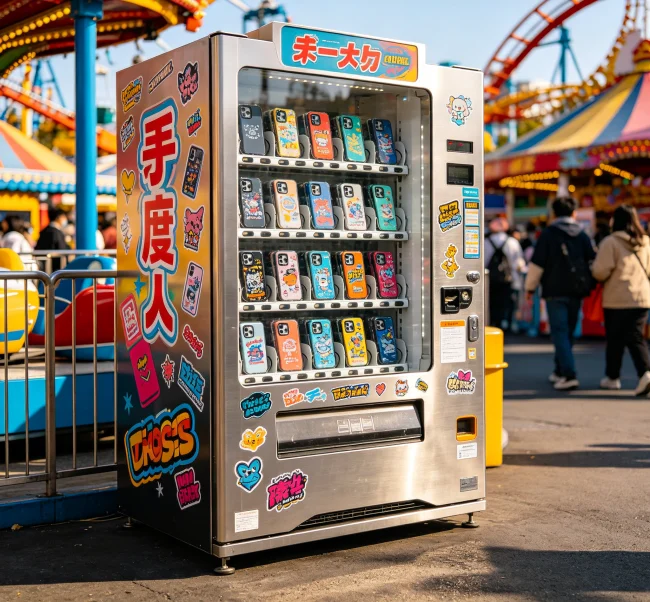
Before any purchase order is signed, serious buyers get answers to these questions. Use this as your own due diligence list.
The manufacturers that provide clear, confident answers to these questions are the ones who consistently sell to professional businesses.
A Tale of Two Buyers: Mini Case Studies
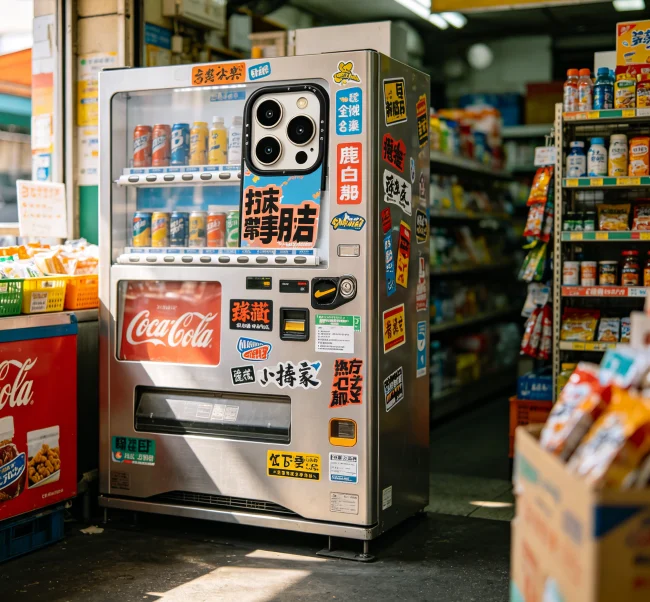
Case 1: The Regional Mall Operator. A mid-sized mall group in Europe was looking to refresh its common areas. They sourced 8 custom-branded, touch-screen phone case kiosks directly from a manufacturer found on a B2B platform. By dealing directly, they got the custom color and branding they needed at scale. Deployment in high-dwell zones next to charging stations led to ROI in under 3 months per unit.
Case 2: The First-Time Entrepreneur. Sarah, a former retail manager, used a platform like VendingCore to compare 15 different suppliers. She filtered for those with strong export credentials to Canada and good warranty terms. She started with a single machine, placed in a popular independent cinema through a revenue-share agreement. Her platform-assisted due diligence helped her avoid suppliers with poor communication—a common pitfall for newcomers.
💡 Critical Info: Your supplier’s reliability is as important as the machine’s specs. A platform with verified manufacturers and a track record of 10,000+ connections significantly de-risks this step.
Common Pitfalls to Avoid (The “Don’t” List)
So, who’s buying? Strategic operators who see an opportunity to leverage high-traffic real estate with a high-margin product. Your journey mirrors theirs: identify your profile, research relentlessly, choose your procurement channel wisely, and execute with a focus on location and operations.
The commercial landscape for phone case vending is defined by strategic buyers seeking efficient, high-margin revenue. Whether you aim to become one of those buyers or supply them, success starts with understanding their world. For those ready to take the next step in sourcing, platforms like VendingCore provide a direct line to a global network of verified manufacturers. You can browse detailed profiles, compare technical specifications, and submit inquiries to find the right partner for your business model and scale.