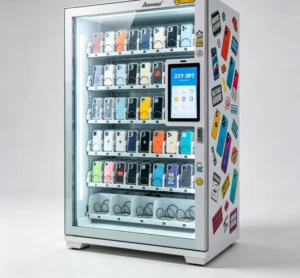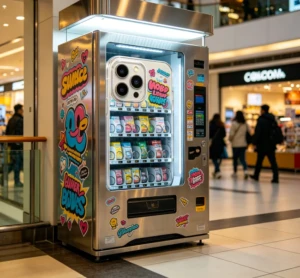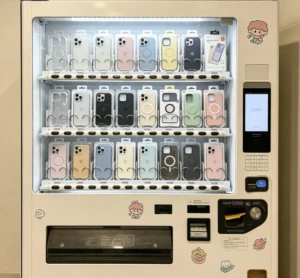
The best phone case vending machine companies typically include established manufacturers like Wider Matrix, TheTouchon, and Joyfuncade, but the real answer depends entirely on your specific business model, budget, and location. Finding the right partner is less about a universal “best” and more about who offers the best fit for your goals—whether that’s a turnkey franchise, a direct machine purchase, or a custom-built solution. Through our platform at VendingCore, we connect buyers with over 500 verified manufacturers, and we’ve seen that the most successful operators are those who match their supplier to a clear operational plan, not just a brand name.
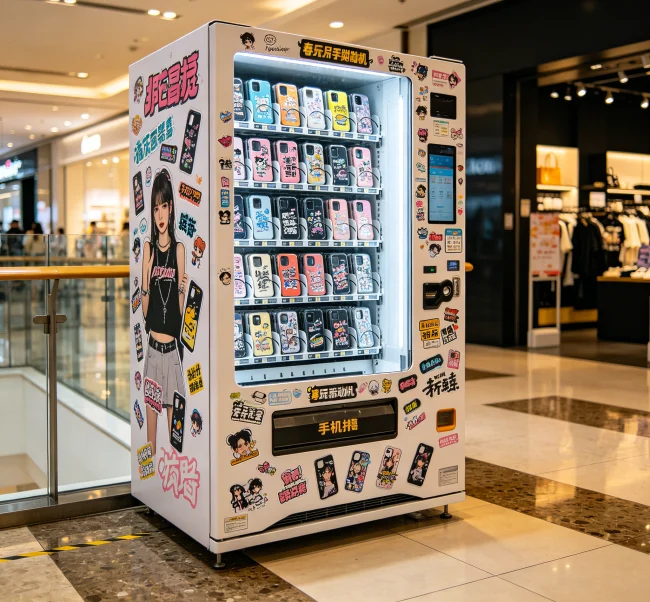
Let’s cut through the marketing and look at what actually matters when you’re comparing companies in this space.
Forget generic lists. A company that’s perfect for a mall franchisee might be a terrible fit for a small college cafe owner. You need to evaluate based on your own checklist.
First, define your business model. Are you looking for a complete franchise package with branding and site support, or do you just want to buy a reliable machine to place yourself? Companies like Wider Matrix often operate on a franchise/licensing model—they provide the machine, software, and sometimes even help with location scouting for a share of revenue. Other manufacturers, like many of the 500+ partners on VendingCore, sell machines directly. This gives you full control and profit, but also puts all the operational responsibility on you.
Second, scrutinize the total cost. The machine’s sticker price is just the start. You must factor in:
We’ve observed that buyers who use a platform like ours to get competing quotes from multiple manufacturers often achieve 15-30% better overall pricing, simply by having transparent options to compare.
💡 Key Takeaway: Start by writing down your budget, target location, and how hands-on you want to be. This will instantly narrow your search.
Breaking Down the Key Players and Models
You’ll generally encounter three types of providers: franchise brands, direct manufacturers, and newer tech-focused startups. Here’s how they typically stack up.
Franchise brands (e.g., Wider Matrix’s AI PrintBox) offer the most hand-holding. They’re a safer bet for first-time entrepreneurs because they’ve (hopefully) ironed out the kinks in the operation. You’re paying for their brand recognition and operational blueprint. The trade-off? You’ll likely share a significant portion of your revenue and have less control over machine sourcing or software.
Direct manufacturers are the backbone of the industry. These are the companies that actually engineer and build the machines. Partnering directly with them, often through a B2B platform, means you can customize features, negotiate pricing, and own the asset outright. This path requires more due diligence—you need to verify their machine quality, software stability, and after-sales support. This is where a platform’s vetting is crucial; VendingCore’s partners, for instance, are verified for international certifications (CE, UKCA) and have their production capabilities assessed.
Tech startups are pushing into the space with a focus on hyper-customization and app integration. Their machines might offer advanced features like AR previews or direct social media uploads. They can be innovative but sometimes carry more risk if they’re newer to hardware manufacturing and long-term support.
💡 Critical Question: Ask any provider for at least three references from current operators. Call them and ask about downtime, support response time, and profit margins.
The Non-Negotiable: Machine & Software Quality
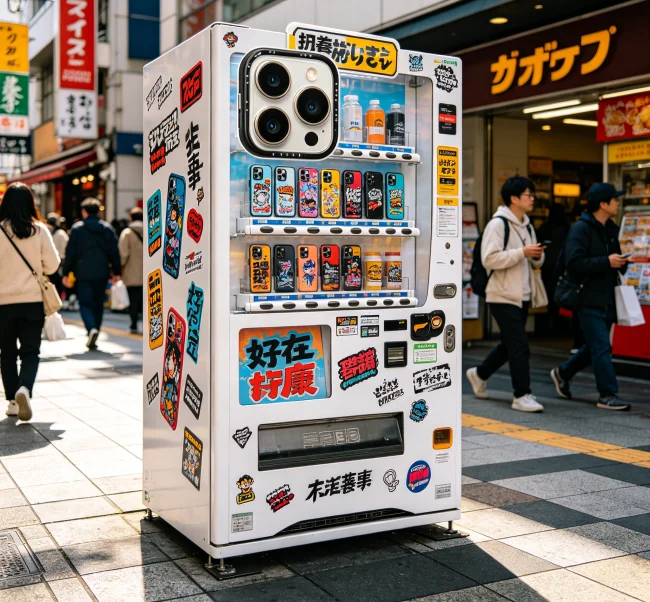
This is where expertise separates the contenders from the pretenders. A “best” company provides a reliable, high-quality hardware and software ecosystem.
For the hardware, ask about the printer itself. Is it a modified commercial-grade printer (more reliable) or a cheap consumer model stuffed into a cabinet? Check the print resolution (DPI), color accuracy, and the durability of the printing mechanism. How many cases can it print before needing service? The best manufacturers use industrial components designed for constant use.
The software is your brain and central nervous system. It needs to be intuitive for customers, stable, and provide you with real-time data. Can you remotely monitor sales, inventory (case and ink levels), and machine health? Does it support multiple payment methods (cash, credit, mobile pay)? Can customers easily upload their own designs? A glitchy software interface will kill your customer experience and your profits.
From our experience facilitating over 10,000 transactions, the most common complaint from buyers who sourced cheap, unvetted machines wasn’t the upfront cost—it was the relentless technical failures and nonexistent support that doomed the business.
💡 Practical Advice: Request a live demo of the operator’s dashboard software. If they can’t or won’t show it to you, consider it a major red flag.
The Hidden Factor: Support and Supply Chain
A machine will break. Ink will run out. You’ll need more blank cases. The best company is the one that’s there for you after the sale.
Examine their support structure. Do they offer 24/7 remote support? What is their typical on-site service response time if needed? Is there a clear warranty period and what does it cover? A manufacturer with a global network, like many on our platform with coverage in 50+ countries, can often facilitate local support, which is a huge advantage.
Then, look at the supply chain. Are the blank cases and ink proprietary (locking you into their often-pricier supplies) or can you source compatible materials from other vendors? Transparent, competitive supply costs are essential for maintaining healthy margins. A company that helps you manage this logistically is adding real value.
💡 Caution: Be wary of contracts that lock you into buying their supplies at inflated prices. Calculate your long-term cost-per-case with all inputs included.
How to Make Your Final Decision
So, how do you choose? Start by gathering information systematically. Create a comparison matrix. We’ve built a simple one below to show you the kind of criteria that matter.
| Evaluation Criteria | Questions to Ask | Why It Matters |
|---|---|---|
| Business Model Fit | Franchise/Revenue Share vs. Direct Purchase? Minimum commitment? | Defines your control, profit split, and operational freedom. |
| Total Startup Cost | Machine cost, installation, initial supply package, software fees? | Determines your initial capital outlay and breakeven point. |
| Ongoing Costs | Cost per case (blank + ink), payment processing %, software subscription. | Directly impacts your net profit margin on every sale. |
| Technical Specs & Uptime | Printer model, print speed, reported machine uptime percentage. | Affects customer satisfaction, queue management, and revenue capacity. |
| Support & Warranty | Response time SLA, warranty length, parts availability. | Your safety net against lost revenue from machine downtime. |
Next, get quotes from multiple sources. This is the single most effective way to ensure value. Don’t just talk to one franchise brand or one manufacturer. A B2B platform exists precisely for this—to give you aggregated, comparable options from a vetted network. With 500+ manufacturers, a platform like VendingCore allows you to see different specs and pricing models side-by-side, empowering you to negotiate and choose the best quality-to-price ratio for your needs.
Finally, think about scalability. If your first machine is a success, can this supplier support you with more units consistently? Do they offer bulk purchase discounts? Partnering with a company that can grow with you is a strategic advantage.
💡 Final Step: Based on your matrix, shortlist 2-3 companies. Then, insist on speaking to their existing customers before signing anything.
The “best” company is the one whose strengths align perfectly with your weaknesses as an operator. If you’re not technical, prioritize stellar support. If you’re on a tight budget, a direct purchase from a quality manufacturer might offer a faster ROI—often within 3-6 months in a good location—than a franchise with high revenue shares. Your job isn’t to find a mythical top-ranked vendor; it’s to conduct a thorough, comparative investigation that leads you to the most reliable and profitable partner for your specific venture.