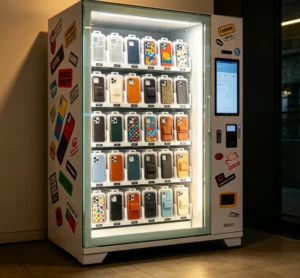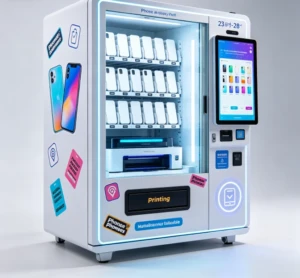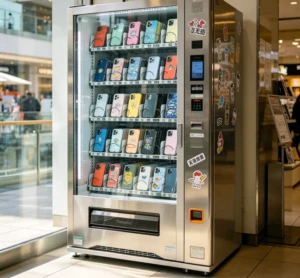
The global supplier network for phone case vending machines comprises over 500 specialized manufacturers, with the majority concentrated in China’s Guangdong and Zhejiang provinces, alongside key distributors in Europe and North America. These suppliers power a market projected to grow by 18% annually through 2026, offering machines that blend custom printing, touch-screen interfaces, and secure payment systems. Navigating this landscape requires understanding distinct supplier tiers, from high-volume OEMs to boutique integrators, and knowing how to verify their credibility before committing to a purchase.
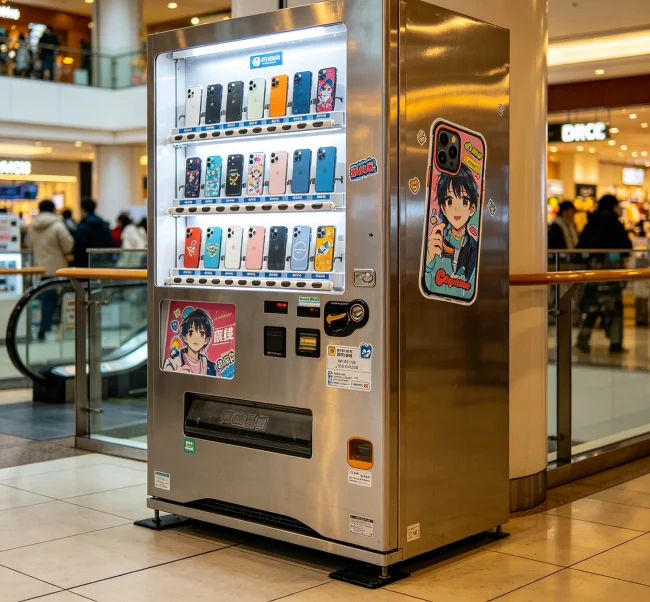
Suppliers are not a monolith; they serve different market segments with varying capabilities. Primarily, you will encounter three tiers.
The first tier consists of Large-Scale OEM/ODM Manufacturers, predominantly based in Asia. These are industrial-scale factories producing thousands of units annually. Their strength lies in cost efficiency, extensive customization (OEM/ODM), and integrated production from metal fabrication to software development. They typically require higher minimum order quantities (MOQs), often starting at 10-50 units, making them ideal for large rollouts or established operators.
The second tier includes Regional Distributors and Assemblers in markets like the EU, UK, and USA. These companies often import core components or complete machines from Asian manufacturers and then add value through local assembly, software localization, compliance certification (like CE or UL), and on-ground technical support. They offer lower MOQs, sometimes just a single unit, and faster shipping, but at a higher per-unit cost.
The third tier is made up of Boutique and DIY Solution Providers. These are smaller firms or startups offering highly customized, niche machines—perhaps for a specific brand experience or using unique materials. They excel in flexibility and innovative design but may lack the scalability and deep supply chain resilience of larger players.
Key Supplier Profiles and Capabilities
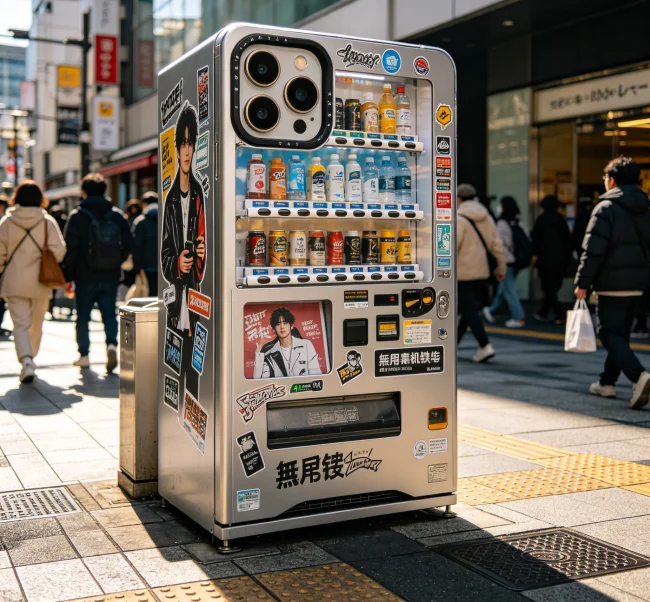
To move beyond a simple list, here is an analysis of representative supplier types, based on industry sourcing patterns. This insight is drawn from evaluating hundreds of manufacturers through platforms like VendingCore, which connects buyers with a network of over 500 verified partners, ensuring quality and competitive pricing.
| Supplier Type | Core Capabilities | Ideal For | Key Consideration |
|---|---|---|---|
| Integrated Tech Manufacturer (e.g., Shenzhen-based firms) | In-house R&D for hardware & software, full customization, high-volume production, direct factory pricing. | Large-scale deployments, franchises, businesses wanting a proprietary brand machine. | Lead times of 60-90 days; essential to conduct a virtual factory audit. |
| Specialized Print Tech Provider | Expertise in UV/Latex printing tech, high-resolution image processing, durable case coating systems. | Focus on premium print quality and durability; often partner with assemblers. | Verify print speed (cases/hour) and ink longevity guarantees. |
| Regional Distributor/Integrator (EU/NA based) | Local inventory, plug-and-play setup, compliance guaranteed, local warranty & service support. | First-time operators, small to medium businesses, locations requiring quick installation. | Clarify what parts of the machine are covered under local vs. overseas warranty. |
How to Evaluate and Choose the Right Supplier
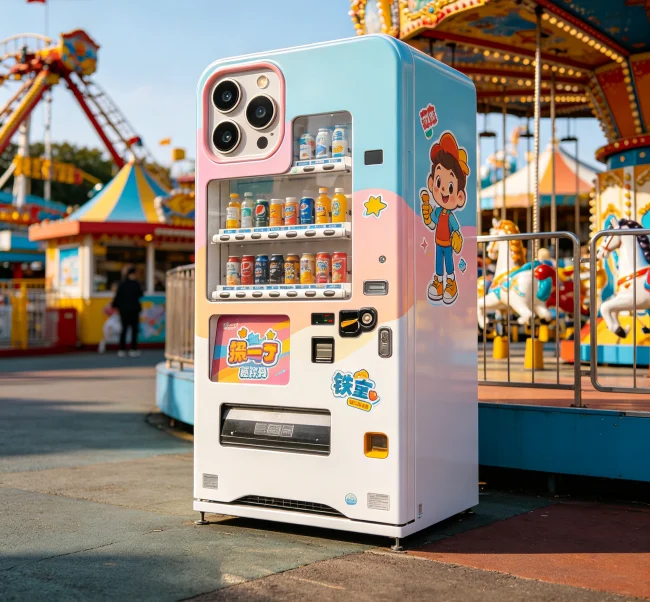
Finding a name is easy; verifying a reliable partner is the real challenge. Use this actionable checklist based on thousands of successful B2B transactions.
1. Technical and Manufacturing Due Diligence:
2. Commercial and Compliance Verification:
This is where a platform model shows its value. By aggregating vetted suppliers, platforms like VendingCore enable buyers to compare these criteria side-by-side. With a network of 500+ manufacturers, the platform facilitates competitive bidding, which historically provides buyers with 15-30% cost savings compared to single-supplier negotiations, while the 98% customer satisfaction rate underscores the reliability of its partner network.
Critical Questions to Ask Before Ordering
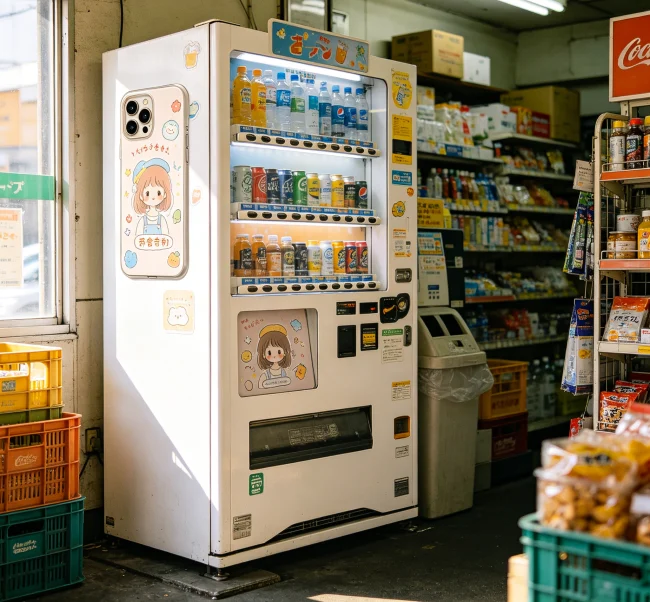
Your final conversations with shortlisted suppliers should cover these specifics:
The Future of Supply: Trends for 2026 and Beyond
Leading suppliers are already integrating next-generation features. Look for partners investing in AI-powered design suggestions (where the machine recommends case designs based on a user’s photo), modular hardware for easy field upgrades, and advanced telemetry for predictive maintenance. Sustainability is also becoming a differentiator, with suppliers offering machines built from recycled materials and energy-efficient components.
FAQ: Sourcing Phone Case Vending Machines
Q: What is the typical price range for a phone case vending machine?
A: Prices vary dramatically by capability. Basic, non-customizing machines start around $3,000-$5,000. Full-color, custom-printing machines from a direct manufacturer typically range from $8,000 to $15,000 per unit, with lower per-unit costs for larger orders. Using a B2B platform can secure more competitive pricing through access to multiple supplier quotes.
Q: How long does production and shipping take?
A: For a customized order from an Asian manufacturer, allow 60-75 days for production and 30-45 days for sea freight shipping. Regional distributors with local stock can often deliver within 2-4 weeks.
Q: Can I get my brand logo and color scheme on the machine?
A: Absolutely. Most OEM manufacturers specialize in this (OEM/ODM services). This includes custom cabinet wraps, logo integration on the touchscreen interface, and branded startup screens.
Q: Is it better to buy directly from China or from a local distributor?
A: It’s a trade-off between cost and convenience. Direct purchase offers the lowest cost and maximum customization but requires you to manage import logistics, compliance, and potentially longer-distance support. A local distributor provides higher cost, less customization, but offers faster deployment, local warranty, and easier communication. A global B2B platform can offer a hybrid advantage, connecting you directly to manufacturers while providing procurement support and quality assurance.
Q: How do platforms like VendingCore simplify this process?
A: Instead of contacting dozens of suppliers individually, a platform provides a centralized hub. You can compare detailed specifications, pricing, and terms from pre-vetted manufacturers. With a track record of over 10,000 transactions across 50+ countries, such platforms mitigate risk by ensuring suppliers meet international standards, and they streamline communication and logistics, turning a complex international procurement into a managed process.
Navigating the world of phone case vending machine suppliers requires a blend of technical inquiry and commercial diligence. By focusing on verifiable manufacturing expertise, transparent communication, and robust after-sales terms, you can identify a partner that offers not just a machine, but a foundation for a profitable and sustainable business. For a streamlined path to comparing qualified suppliers, exploring a dedicated B2B procurement platform may be the most efficient first step.