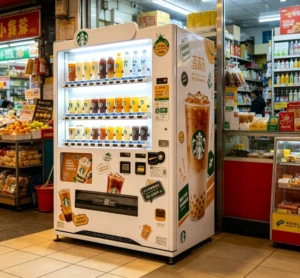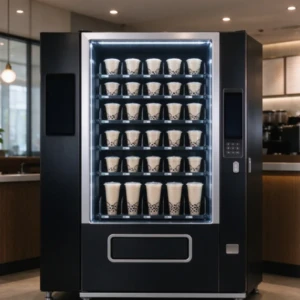
A fully automatic bubble tea vending machine is a profitable, scalable business solution costing $15k-$40k, capable of operating 24/7 with high consistency and slashing annual labor costs by $30k-$50k.
Thinking about starting a boba shop but worried about crazy hours and staffing headaches? You're not alone. This guide cuts through the hype to give you the real numbers on costs, ROI, and daily operations. We'll show you exactly how to choose the right machine, avoid common pitfalls, and build a solid business plan so you can confidently step into the future of beverage retail.
The global bubble tea market is projected to exceed $4.3 billion by 2028, driven by an insatiable consumer demand that traditional storefronts struggle to meet efficiently. This growth bottleneck has catalyzed the rise of fully automatic bubble tea vending machines, transforming them from a novelty into a strategic business asset for entrepreneurs and established brands alike. These robotic kiosks represent not just a piece of equipment, but a complete reimagining of retail logistics, offering 24/7 service, perfect drink consistency, and a radical reduction in operational overhead.
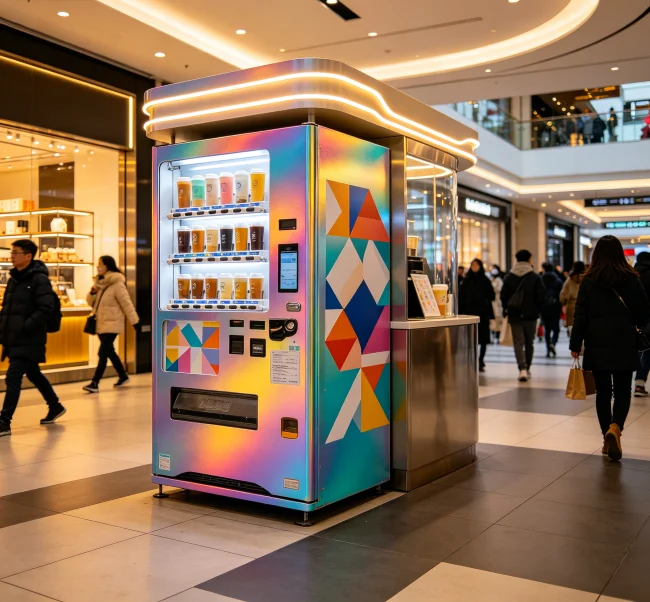
💡 Your First Step: Before looking at machines, define your target location’s foot traffic and demographic to estimate realistic daily sales volume.
Moving beyond simple price tags, savvy investors analyze the Total Cost of Ownership (TCO) and Return on Investment (ROI). A typical fully automatic machine ranges from $15,000 to $40,000, depending on capacity and features. The real value, however, lies in operational savings. By eliminating 2-3 staff shifts, a business can save $30,000-$50,000 annually in labor costs alone. When you factor in reduced rental space for a compact kiosk versus a full storefront, the financial argument strengthens.
Consider this simplified ROI model: A $25,000 machine selling an average of 50 drinks per day at a $5 profit margin generates $91,250 in annual gross profit. Deducting ingredient costs, leasing fees for the floor space, and maintenance, the machine can pay for itself in 6-9 months in a high-traffic location. This is the granular, transparent data often missing from supplier brochures but critical for your business plan.
💡 Crunch the Real Numbers: Always model your ROI using conservative sales estimates (e.g., 30 drinks/day) to build a buffer for slower periods.
Machine Technology Deep Dive: From Robotic Arms to Integrated Systems
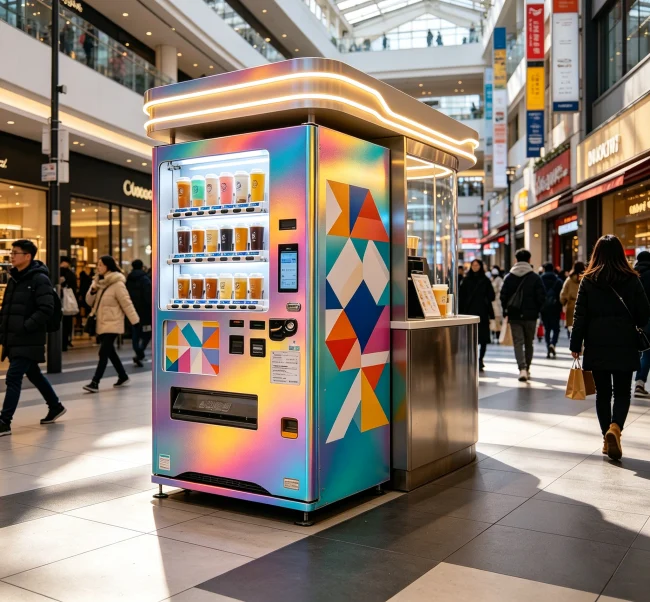
Not all “fully automatic” machines are created equal. The market features two primary architectures, each with distinct advantages.
Robotic Arm Systems: These use a multi-axis industrial robot to pick up cups, move them to dispensing stations, and seal them. They are highly flexible and visually impressive, allowing for complex customizations and add-ons like fresh fruit or cheese foam. Their modular nature can simplify repairs.
Integrated Carousel Systems: In these machines, the cup is placed on a rotating platform that moves it sequentially through fixed stations for tea, syrup, tapioca pearls, and ice. This design is often more compact, faster (producing a drink in 45-60 seconds), and can have fewer moving parts, potentially increasing reliability.
Key specifications to compare include:
💡 Prioritize Reliability: In vending, uptime is revenue. Favor machines with proven track records of low maintenance and accessible technical support.
The Buyer’s Journey: From Ideation to Operation
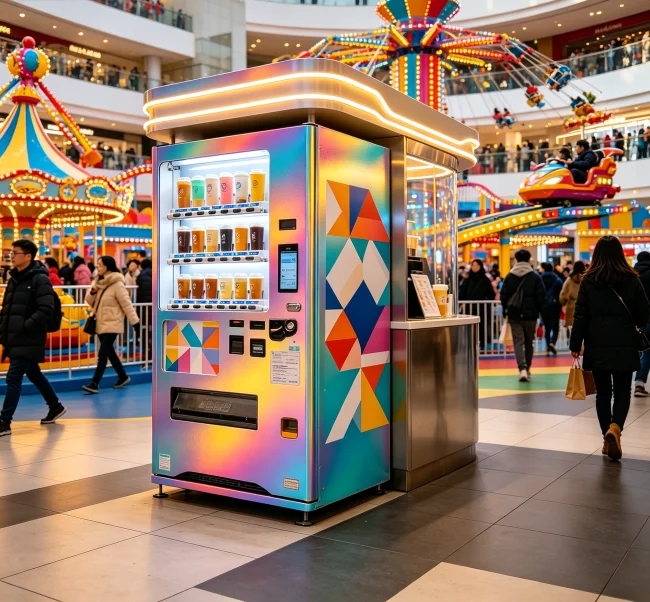
Purchasing a machine is a project. Follow this structured pathway to avoid costly missteps.
💡 Vet Your Supplier Thoroughly: Ask for service level agreements (SLAs) for parts delivery and technical support response times before signing any contract.
Vendor Landscape: A Balanced Comparison
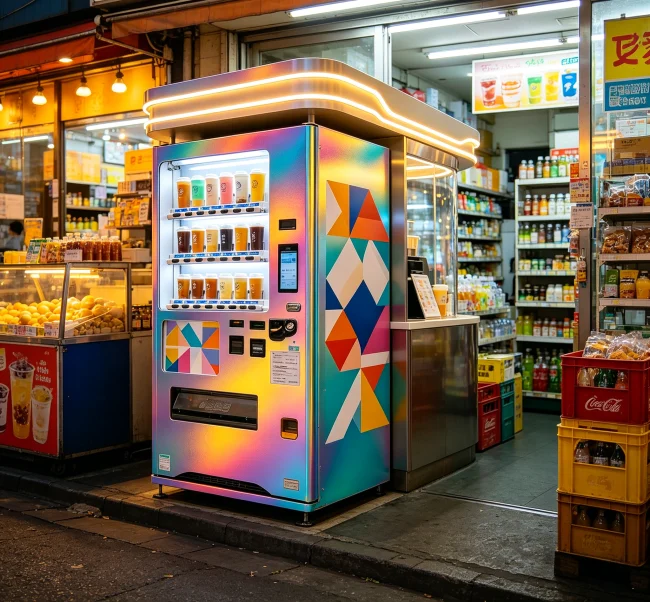
The manufacturer landscape includes established beverage equipment giants and agile tech-focused startups. Key differentiators often aren’t in the brochure.
Real-World Performance: Case Studies and Hard Data
Theoretical benefits are one thing; real data is another. A university in California installed a robotic boba machine in its student union. Within six months, it was averaging 85 sales per day, with a peak of 150 during finals week. The operator reported a 67% reduction in direct labor costs compared to their manned kiosk, and drink consistency ratings from students were 23% higher.
In Singapore, a food court operator uses two machines to serve 12 different flavors. Their key metric is “servings per maintenance hour.” By tracking this, they optimized their weekly cleaning and refill schedule, increasing machine uptime to 99% and boosting monthly revenue by 18%. These are the tangible outcomes you should discuss with potential suppliers.
💡 Demand Case Studies: A reputable supplier should connect you with existing operators. Ask them about unexpected challenges and true net profit.
Operational Mastery: Beyond the Purchase
Success hinges on operations. Location is paramount: aim for captive audiences with dwell time—airports, universities, corporate campuses, and transportation hubs. Ingredient sourcing is critical; you must secure reliable, consistent supplies of tapioca pearls, syrups, and tea concentrates that are compatible with your machine’s dispensing system.
Develop a strict maintenance schedule. Daily tasks include refilling ingredients and running cleaning cycles. Weekly deep-cleans of pearl hoppers and syrup lines are non-negotiable for food safety. Furthermore, you must investigate local health department regulations for automated food service devices—requirements vary significantly by region and can impact your machine’s design and placement.
The Future of Automated Beverage Retail
The trajectory points toward greater intelligence and integration. Future machines will leverage AI to analyze sales data and suggest optimal menu rotations, or even create limited-time offerings based on ingredient stock levels. Integration with mobile apps for pre-ordering and loyalty programs will become standard. For a business owner today, investing in a platform with robust software and connectivity is an investment in staying competitive for the next decade.
The decision to invest in a fully automatic bubble tea vending machine is a significant one, blending technology, logistics, and food service. By focusing on total cost, operational reality, and partnering with a credible source for equipment, you transform a complex purchase into a scalable, profitable pillar of your business. For a curated selection of machines from globally certified manufacturers, exploring a dedicated B2B platform like vendingcore.com can simplify the initial sourcing and vetting process dramatically.