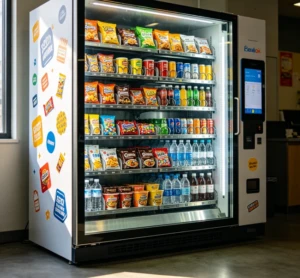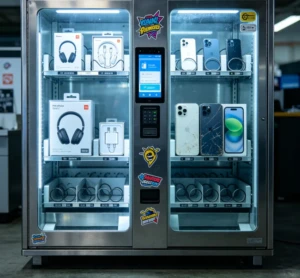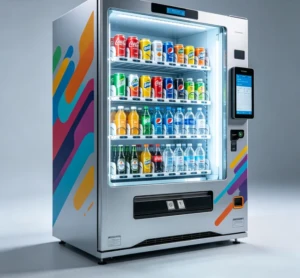
Yes, Mexico has over 300,000 vending machines in operation across the country as of 2026. You’ll find them in high-traffic spots like subway stations, shopping malls, office buildings, hospitals, and universities in cities like Mexico City, Guadalajara, and Monterrey. These machines sell everything from sodas and snacks to coffee, electronics, and even fresh pizza. The market has grown steadily over the past decade, driven by urbanization and a younger, tech-savvy population.
💡 Quick Reality Check: If you’re considering placing machines in Mexico, focus on high-footfall urban areas. Rural locations often have lower sales and higher maintenance costs.
Where You’ll Actually Find These Machines
The vending scene in Mexico isn’t uniform. It’s heavily concentrated in specific spots. Think about it — you’re not going to find a machine in the middle of a small pueblo. But in dense urban centers, they’re everywhere.
Here’s the breakdown of the most common locations:
| Location Type | Common Products | Why It Works |
|---|---|---|
| Metro stations (CDMX) | Snacks, drinks, chips | Millions of daily commuters |
| Office buildings | Coffee, sandwiches, water | Regular lunchtime traffic |
| Universities | Energy drinks, instant noodles | Students need quick, cheap food |
| Hospitals | Water, healthy snacks | Visitors and staff on the go |
And here’s a fun fact — Mexico City’s subway system alone has hundreds of machines. The Mexico City Metro moves about 4.5 million people daily. That’s a captive audience.
What Kind of Machines Are Popular?
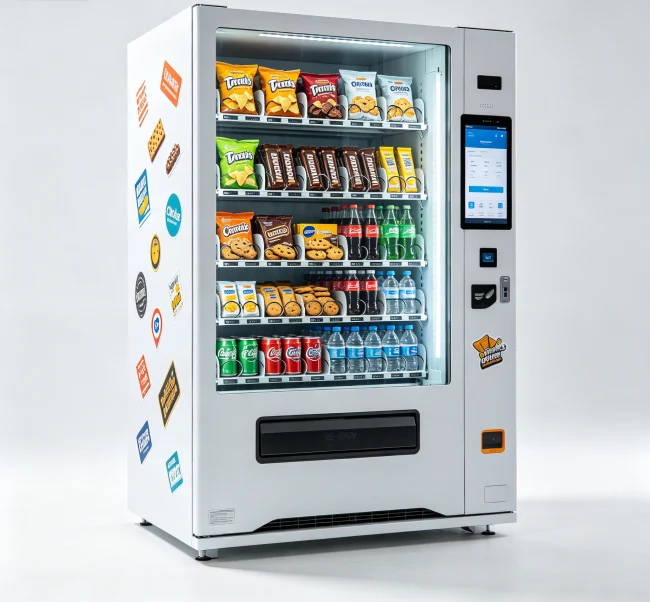
You might think it’s all Coke and chips. And sure, those are the most common. But the market’s gotten more interesting lately.
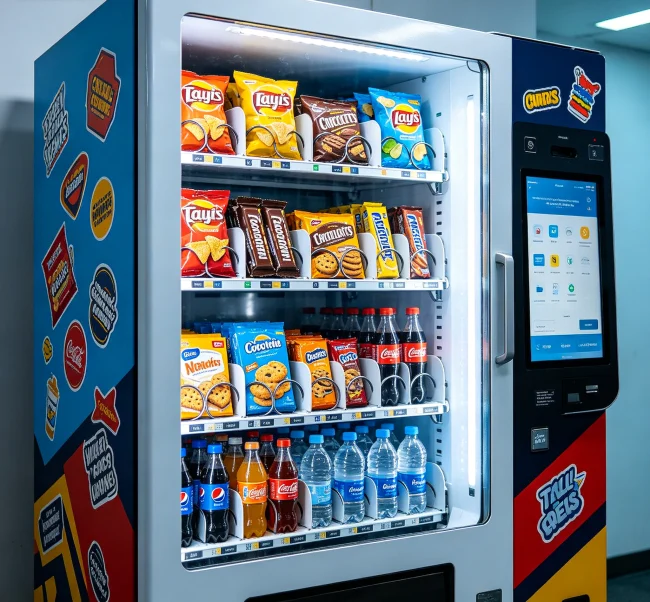
Cold drink machines dominate — think Coca-Cola Femsa, which is the largest Coke bottler in Latin America. They’ve placed thousands of machines nationwide. Then you’ve got snack machines from brands like Sabritas (PepsiCo’s local arm).
But here’s where it gets cool. There’s been a surge in specialty machines. Coffee vending machines are popping up in offices and hotels. Some even offer espresso and cappuccino. And in tourist-heavy spots like Cancún and Playa del Carmen, you’ll find machines selling electronics, headphones, and phone chargers.
💡 Pro Tip for Operators: Don’t just copy U.S. product mixes. Mexicans love spicy snacks, tamarind-flavored candies, and horchata drinks. Stock local favorites and watch sales climb.
How Payment Works in Mexico
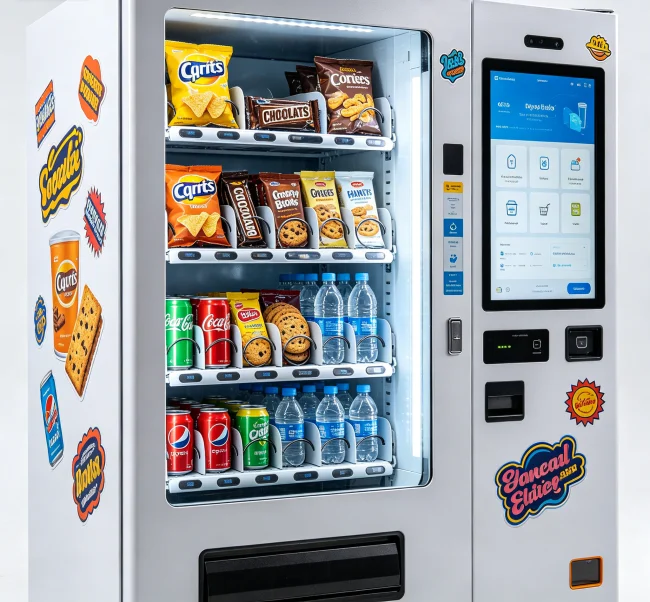
Cash is still king in many parts of Mexico. But vending machines are catching up fast.
Most modern machines now accept:
The shift toward cashless is real. Younger Mexicans, especially in cities, rarely carry cash. They use their phones for everything. So if you’re placing a machine in a university or tech hub, a cashless system isn’t optional — it’s essential.
Is It a Good Business Opportunity?
Short answer: yes, if you know what you’re doing.
Mexico’s vending machine market was valued at around $1.2 billion USD in 2025 and is projected to grow about 7% annually. Compare that to the U.S., where growth is slower at around 3-4%. The opportunity is real.
But here’s the catch. The logistics can be tricky. Mexico has some regions with unreliable electricity and security issues. You’ll want to stick to safe, well-lit locations. And partnering with a local operator who knows the terrain is smart.
💡 Critical Caution: Don’t underestimate Mexico’s security landscape. Machines in isolated areas get vandalized. Always choose locations with foot traffic, lighting, and preferably security cameras.
The Role of Technology and Connectivity
You might be wondering — do these machines need internet? Most modern ones do, at least for payment processing and inventory tracking.
Mexico’s 4G and 5G coverage is solid in cities, so connectivity isn’t usually an issue. Some operators use cellular-based systems (like a SIM card in the machine) rather than WiFi. That’s actually more reliable in areas where building WiFi is spotty.
Do vending machines need WiFi? Not always. But having connectivity helps you track sales, restock efficiently, and prevent theft. It’s worth the investment.
What About Regulations?
Here’s something most guides don’t mention. Mexico doesn’t have a single federal law for vending machines. Instead, regulations vary by state and municipality.
You’ll need:
The good news? The process is straightforward if you work with a local lawyer or consultant. Many operators start small with one or two machines, then scale up.
💡 Key Takeaway: Before buying machines, talk to a local business attorney in the state where you plan to operate. A $200 consultation can save you thousands in fines later.
The Future of Vending in Mexico
Look, the market’s only going one direction — up. More urbanization, more tourism, more young people who want convenience.
We’re already seeing smart vending machines with touchscreens and AI-powered inventory. Some even use facial recognition to recommend products based on age and gender (creepy? maybe. Effective? absolutely).
And with e-commerce growing in Mexico, there’s potential for “vending machine pickup points” — where you order online and grab your package from a machine. Amazon’s already testing this in other countries. Mexico could be next.
If you’re looking to get into the vending business, Mexico is worth a serious look. The numbers check out, the demand is there, and the competition isn’t as fierce as in the U.S. or Europe.
Vending machines are a proven model globally. Mexico just happens to be a market where the growth curve is still climbing.
—